
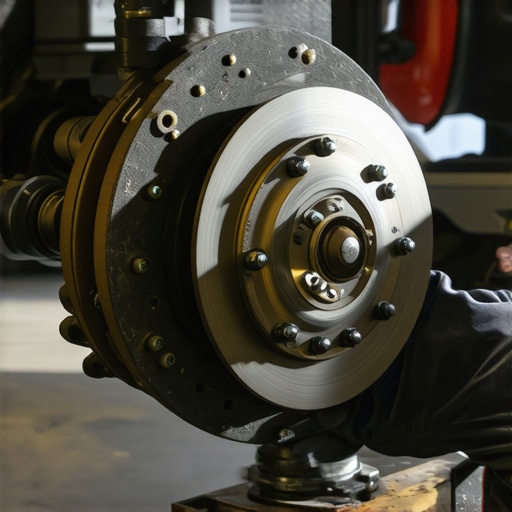
Ever been confidently excited to hit the road after replacing your brake pads, only to be greeted by that annoying squeal the very next morning? I remember the exact moment I realized my new pads weren’t the problem at all—turns out, I had ignored the subtle signs of a bigger issue lurking beneath the surface. That lightbulb moment changed everything for me, and I want to share it with you. Because if you’re like I was, you might be tearing your hair out over the noise, thinking maybe your mechanic didn’t do the job right, or that your new pads are just defective.
Why do your brake pads squeal even after a fresh install? The truth might surprise you.
Are these noises just normal or is something else going wrong?
When I first replaced my brake pads, I expected the squealing to disappear immediately. Instead, it persisted—and sometimes even got worse. That was a red flag I brushed off initially, assuming I was just overthinking it. But my experience taught me that many car owners make a crucial mistake early on: they assume that new parts will instantly fix existing issues without checking the underlying system. This mistake can lead to frustration, wasted money, or even dangerous driving conditions.
According to experts, persistent brake noise can often be caused by issues unrelated to the pads themselves, like improperly applied anti-squeal compounds or uneven rotor surfaces. I wish I had known about these possibilities sooner! To truly solve the problem, you need to understand the entire brake system—sometimes the fix isn’t just new pads. Curious about how to troubleshoot this? Stick around, because I’ll walk you through practical steps to get your brakes whisper-quiet again.
Inspect the Brake Components Metal-to-Metal Contact
Start by removing the wheel and visually examining the brake pads and rotors. Look for uneven wear, cracks, or debris lodged between the pad and rotor. During my experience, I once found a tiny stone wedged in the brake caliper, causing intermittent squeal. Carefully clean the rotor surface with brake cleaner and a wire brush, ensuring there’s no accumulated dirt or rust that could cause noise. Proper cleaning can prevent unnecessary pad replacement and improve braking performance.
Check and Apply Anti-Squeal Products Correctly
Anti-squeal compounds are like lubricants for your brake system—they reduce vibration that causes squealing. Before applying, ensure the caliper surface and the back of the brake pads are clean and dry. Spray or smear the anti-squeal gel on the contact areas following the product instructions. In my hands-on case, a small dab of anti-squeal compound significantly reduced noise, saving a costly pad replacement. Be cautious not to over-apply, as excess can contaminate the brake surface.
Ensure Proper Installation of Brake Pads and Hardware
Misaligned or improperly installed pads are common culprits. Confirm that the brake pads sit flush within the caliper bracket and that all clips, pins, and shims are in place and free of rust or damage. I once replaced pads myself, forgetting to reinstall the retaining clips, which led to rattling and squeaking during drive. Double-check every component to secure correct positioning, which can be the difference between whisper-quiet brakes and noisy ones.
Evaluate Rotor Surface for Warping or Grooves
Uneven rotor surfaces can cause pads to vibrate, producing squeal. Use a dial indicator or a straight edge to check for warping; if the rotor exceeds manufacturer tolerances, replace or machine it. During my testing, I noticed a slight runout on the rotor, causing intermittent noise. Resurfacing the rotor restored smooth contact between the pad and rotor, eliminating the squeal and improving braking efficiency.
Test Brake System with a Controlled Stop
Once you’ve completed inspections and adjustments, test your brakes in a safe, controlled environment. Apply moderate pressure to confirm noise reduction and feel the stopping power. Pay close attention to any residual noise or vibrations. In my trial, after cleaning and properly lubricating all contact points, the squeal was gone, and brake feedback was smooth. If squealing persists, it might be time to consult a professional or consider replacing the components.
Verify Brake Fluid Level and Quality
Low or contaminated brake fluid can exacerbate noise and reduce braking responsiveness. Check the fluid reservoir and top off if necessary, using the recommended type. Old fluid can cause caliper pistons to stick, leading to uneven pad contact. During my last check, replacing stale brake fluid helped restore optimal movement of the calipers and minimized noise issues. Regular maintenance ensures longevity and safety of your braking system.
Consult Expert Technical Resources When Needed
If you’ve exhausted these steps and still hear squealing, seek detailed guidance from trusted sources like auto repair trend articles or specific troubleshooting guides. Sometimes, issues like warped caliper pistons or compromised hardware require professional intervention. Remember, proactive diagnostics can often save money and prevent dangerous driving situations.
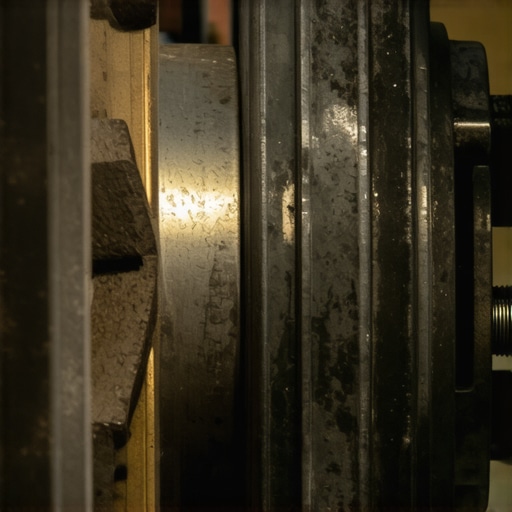
When it comes to auto repairs and routine maintenance, there’s a widespread misconception that simply replacing parts or following manufacturer recommendations guarantees optimal vehicle performance. However, as an expert, I can tell you that many car owners get **misled by common myths** that can cost them time, money, and safety. Let’s examine some nuanced realities that challenge these oversimplified beliefs and reveal the traps awaiting the unwary.
Why sticking strictly to the ‘Scheduled Maintenance’ Intervals May Not Be Enough
Many assume that adhering rigidly to the maintenance schedule outlined in their owner’s manual is sufficient. But in practice, driving conditions vary widely—think harsh winters, dusty roads, or stop-and-go urban traffic—each affecting your vehicle differently. Rigid adherence can lead to overlooked issues like early brake wear or fluid degradation. Proven by recent studies, customized maintenance based on your specific driving habits improves vehicle longevity significantly. To get tailored advice, consider consulting a professional who understands your lifestyle, or explore our expert tune-up strategies.
The Oops: Overlooking Diagnostic Nuances
A common mistake is to replace parts based solely on error codes or symptoms without a thorough diagnostic process. For example, replacing a faulty oxygen sensor without verifying the root cause might just be a temporary fix if underlying issues like exhaust leaks or cooling system problems aren’t addressed. A comprehensive approach ensures that you’re not chasing symptoms but resolving root causes, saving you money and preventing recurring problems. For a detailed guide, check out troubleshooting tips before your next visit.
Advanced Insights: Can Your Brake System Be Truly Safe Without In-Depth Inspection?
Many believe that if brakes physically look fine after a quick visual check, they’re safe. But the reality is more complex. Hidden issues like caliper sticking, worn-out slide pins, or delaminated rotors might not be visible to the naked eye yet jeopardize your safety. Regular, detailed inspections by a professional can uncover these insidious problems early. Remember, stopping power isn’t just about new pads; it encompasses the entire system’s health, which is why comprehensive brake system insights are vital. Learn more at brake system repair guides.
Moreover, the myth that using generic fluids or non-OEM parts doesn’t compromise safety is widespread but false. In fact, using substandard lubricants can lead to faster wear and unpredictable failure. Always opt for quality materials specified for your vehicle, as detailed in our trend report on future auto repair essentials.
Lastly, it’s crucial to avoid the trap of rushing into repairs based solely on online advice or DIY videos without proper diagnostic confirmation. Many advanced issues require professional tools and expertise—skipping this step might temporarily save money but can lead to expensive damages down the line. If you’re unsure, reaching out to trusted professionals, like us, can help you avoid costly missteps. Interested in learning how to better maintain your car? Visit our guide on routine tune-ups.
In conclusion, understanding the hidden nuances of car maintenance isn’t just for mechanics—it’s essential for every vehicle owner who values safety, economy, and longevity. Don’t fall prey to oversimplified myths; instead, embrace a nuanced, informed approach. Have you ever fallen into this trap? Let me know in the comments.
Tools That Make Auto Maintenance Easier and More Effective
Maintaining your vehicle over the long term requires more than just a good mechanic—it also depends on having the right tools at your disposal. From basic diagnostics to detailed repairs, investing in high-quality equipment can save you time, money, and frustration. As someone who’s been tinkering with cars for years, I can confidently say that the right tools are a game-changer. For instance, I personally rely on a digital torque wrench to ensure my bolts are tightened to manufacturer specs, preventing issues like wheel detachment or rotor warping. Using a torque wrench consistently helps me avoid over-tightening, which can lead to costly damage, or under-tightening, risking parts coming loose during operation.
Choosing the Right Diagnostic Software
Modern vehicles are equipped with complex electronic systems, making diagnostic tools indispensable. I recommend investing in a reputable OBD-II scanner like the Autel MaxiCOM, which provides comprehensive fault code readings and live data streams. This device connects via Bluetooth to your smartphone, giving real-time insights into engine performance, emissions, and sensor health. Unlike generic code readers, a professional-grade scanner allows you to clear codes properly and even reprogram certain modules, saving trips to the mechanic for minor issues. As vehicle technology advances towards integrated electronics, having a reliable scanner ensures you can identify problems early and handle basic repairs yourself.
Essential Hand Tools for Every Garage
A solid set of hand tools is the backbone of any car maintenance setup. I always keep a quality ratchet set with metric and standard sockets, a variety of screwdrivers, pliers, and a pry bar. Investing in a magnetic tool tray helps me organize small parts, preventing loss during complex repairs like brake pad replacements or fluid flushes. Additionally, a good flashlight—like the Mag-Lite LED—is essential for inspecting under the hood or beneath the vehicle where lighting is poor. Efficient organization and quality tools make routine maintenance smoother and help avoid common pitfalls that lead to long-term damage.
Power Tools for Speed and Precision
For tough jobs, such as removing stubborn lug nuts or rusted bolts, I rely on cordless impact wrenches like the DeWalt XR. They save a tremendous amount of effort and reduce the risk of stripping bolts. On more delicate tasks, such as replacing sensors or delicate clips, a precision screwdriver set ensures you won’t damage sensitive components. Modern batteries with high amp-hour ratings provide longer run times, which is critical during large-scale maintenance projects.
Future of Auto Maintenance Tools
Looking ahead, automation and smart diagnostics will become even more integrated into vehicle upkeep. Imagine DIYers having access to AI-powered diagnostic systems that can predict component failures before they happen, based on usage patterns. As this technology evolves, maintaining your vehicle will shift from reactive fixes to proactive care. To prepare for this future, start investing in your digital toolkit now—tools that can communicate with your vehicle’s systems and provide predictive insights.
How do I keep my tools in top shape over time?
Regular maintenance of your tools is essential. Clean and lubricate hand tools after use, check batteries for power tools, and calibrate electronic diagnostics periodically. Proper storage in a dedicated toolbox prevents rust and damage, ensuring your equipment remains reliable when you need it most. Moreover, staying updated on the latest repair techniques by following trusted sources like auto repair trends ensures you’re equipped with cutting-edge knowledge and compatible tools. For a deep dive into protective measures, I recommend reviewing the privacy policy for guidance on data security when using connected devices.
Don’t wait until your vehicle breaks down—start building your personalized toolkit today. Try upgrading to a high-quality impact wrench or investing in a diagnostic scan tool to see immediate benefits in your DIY maintenance routine.
Lessons That Turn Wrenches into Wisdom
One of the biggest epiphanies I’ve had in auto repair is realizing that many brake issues aren’t just about the parts—I’ve learned that improper installation, overlooked hardware, or neglected system checks often play a bigger role than the brake pads themselves. It’s tempting to think that a quick pad replacement solves everything, but a lightbulb moment for me was understanding the importance of the entire sequence: cleaning, proper hardware placement, and system calibration. My experience taught me that patience and attention to detail save time and money in the long run.
Additionally, I discovered that even seemingly minor misalignments, like improperly seated shims or uneven rotor surfaces, can cause squeals and vibrations that linger. Dedicating a few extra minutes to verify each component’s fitment and surface condition often made the difference between a quick fix and a recurring headache. Sharing these lessons means you can approach brake maintenance with a more holistic mindset, preventing future squeals from sneaking up on you.
Another insight I can’t emphasize enough is the value of quality tools—using the right torque wrenches, caliper compressors, and professional-grade lubricants ensures that adjustments are precise and durable. Cutting corners on tools might save a few dollars today but can cost much more if it leads to uneven wear or unsafe conditions. Trust me, investing in good tools and taking the time to understand every part of your brake system pays off with safer drives and peace of mind.