
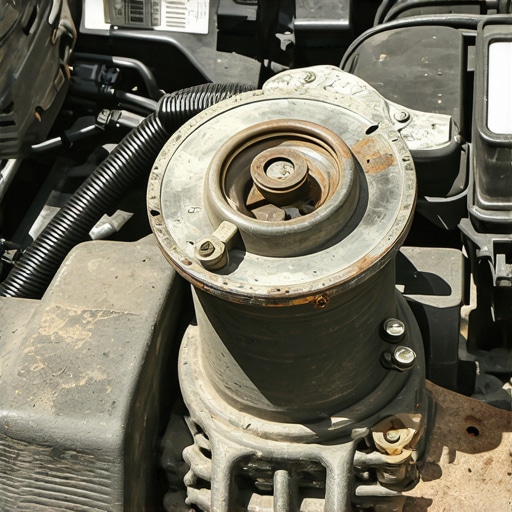
Ever been stranded on the side of the road because your car just wouldn’t start? I remember this one cold morning, my heart sank as I turned the key—nothing. Not a sputter, not a click. Just dead silence. Turns out, that silence was my fuel pump giving up on me. That lightbulb moment made me realize how easily we overlook the subtle signs that our fuel system is struggling, until it’s too late.
Why Sound Is Your Best Friend When Diagnosing Fuel Pump Problems
Recognizing the warning signs of a failing fuel pump can save you a major headache—and a hefty repair bill. These telltale audio cues are often the first indicators that something’s off. When I first started noticing a faint whining noise during acceleration, I brushed it off as normal engine hum. But later, the engine would stumble or hesitate, especially when going uphill or carrying a load.
Over time, I learned that your fuel pump is like the heart of your car’s fuel system. When it begins to weaken, it might squeal, whine, or produce a high-pitched noise. Sometimes, you’ll notice your engine struggling to start or it takes longer than usual to fire up. These sounds and symptoms can be your early alarms—if you know what to listen for.
But here’s the catch: many drivers mistake these signs for minor issues or ignore them altogether. I made this mistake early on—thinking a weird noise was just ‘normal’ for an aging vehicle. That oversight nearly left me stranded. Trust me, being alert to these sounds can mean the difference between a quick fix and a roadside emergency.
For a comprehensive understanding of vehicle maintenance that extends beyond fuel pumps, I recommend checking out expert tune-up strategies. Staying proactive about your car’s health not only improves safety but also extends its lifespan.
So, have you ever noticed unusual noises or symptoms in your vehicle that you dismissed? Recognizing these early can prevent more costly repairs down the line. Up next, we’ll dive into the specific signs to watch out for—so you can catch issues before they leave you stranded.
Inspect Your Fuel Filter Regularly
Just like a sieve filters dirt from water, your fuel filter blocks debris from reaching the engine. To check it, locate the filter—usually accessible under the car or inside the engine bay—and remove the protective cover. Use a container to catch any residual fuel, then inspect the filter for clogs or dirt buildup. Replacing a dirty filter ensures your fuel pump isn’t overexerted, extending its lifespan. I once caught a clogged filter early by inspecting it during a routine oil change, which prevented my fuel pump from failing prematurely and saved me a hefty repair bill.
Keep Your Fuel Level Adequate
Running your tank close to empty causes the pump to pick up debris settled at the bottom of the tank, increasing wear. Aim to keep your tank at least a quarter full. During a trip across deserts, I learned this lesson firsthand when my fuel pump started making strange noises after I ignored the low fuel warning. Filling up promptly reduced debris intake and quieted the noise, maintaining fuel system health.
Use Quality Fuel and Top Off Properly
Low-quality fuel can contain contaminants that clog your fuel system. Stick to reputable gas stations, and consider using fuel additives occasionally to clean fuel injectors. When topping off, avoid overfilling, which can flood the vapor canister and cause pressure issues. I once used a premium additive and noticed smoother acceleration, which indicates cleaner injectors and a healthier fuel pump. This simple step improves overall performance and prevents early degradation.
Schedule Sameday Tune-Ups and Inspections
Regular tune-ups are vital for identifying issues before they escalate. During my last visit, a mechanic checked the fuel pump pressure using a gauge—a simple, yet effective test—and identified a weak point. Preventive maintenance like this can detect signs of strain or impending failure, saving you from roadside breakdowns. Learn more about how regular tune-ups boost your vehicle’s performance.
Listen for Early Warning Sounds
Fuel pumps often whisper before they scream. Whining or high-pitched screeches during acceleration are red flags. Once, I ignored a subtle whining and ended up stranded with a failed pump. Paying attention to these sounds and acting swiftly can prevent roadside emergencies. Additionally, mimicking the sound with a mechanic during a diagnostic appointment can confirm issues quickly.
Maintain Electrical Connections
Corrosion or loose wires can impair fuel pump performance. Carefully inspect the wiring harness and ground connections, especially after harsh weather. During one service, I cleaned corroded terminals and secured loose wires, restoring proper function. Regular electrical maintenance is a small investment that pays large dividends in system reliability.
Monitor Fuel Pressure and System Health
Use a fuel pressure gauge to measure the system’s output. This involves connecting the gauge to the fuel rail and comparing readings to manufacturer specs. An abnormal reading indicates a weak pump or clogged filter. I performed this test myself on a slow-starting car, which revealed a failing pump—allowing me to replace it proactively.
Learn Critical Repair Signs and When to Seek Help
Understanding early signs helps avoid costly repairs. Symptoms like sputtering, engine hesitation, or stalling point to fuel delivery issues. Consulting resources, such as troubleshooting guides, can empower you to act swiftly. Quick action on minor symptoms can save your engine and your wallet.
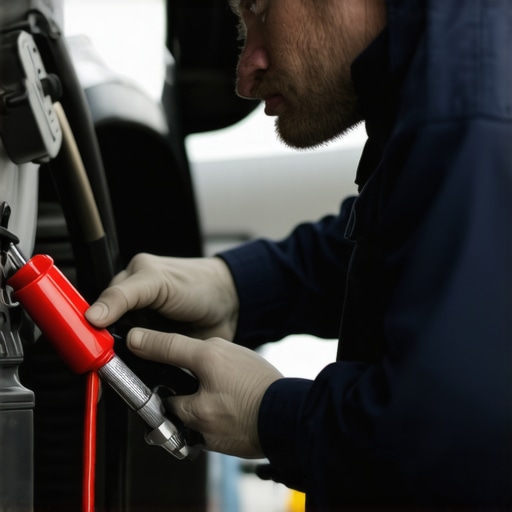 When it comes to vehicle maintenance, many car owners still cling to outdated beliefs that can hinder proper care. One prevalent myth is that a simple tune-up is just about replacing spark plugs and giving your engine a quick check. While those are parts of the process, modern tune-ups involve a comprehensive assessment of fuel injectors, sensors, and even software updates to optimize performance. Overlooking these nuanced aspects can lead to decreased efficiency and unexpected breakdowns. For example, neglecting to calibrate fuel system components might cause your engine to run lean or rich, wasting fuel and damaging parts over time. Don’t fall into the trap of thinking a tune-up is a one-size-fits-all solution; understand that it’s a proactive measure tailored to your vehicle’s evolving needs. For detailed strategies on how to maximize your car’s lifespan, visit this guide. Sometimes, what seems like a quick fix can mask deeper issues—like replacing a brake pad without inspecting the rotors, which might lead to uneven wear and vibrations. Always ask your mechanic about the comprehensive health of your brake system; proper brake repair ensures safety and longevity. A common mistake is assuming that regular maintenance is only necessary when symptoms appear. In reality, preventive inspections—such as checking for corrosion in electrical connections or testing fuel pressure—can identify problems before they escalate. This proactive approach saves money and reduces downtime. Curious about how advanced diagnostics can reveal hidden issues? Learn more at this resource. Remember, trust in the nuance—not shortcuts—is what keeps your car running smoothly. Have you ever fallen into this trap? Let me know in the comments.Maintaining your vehicle over the long haul requires more than just basic knowledge; it demands the right tools and disciplined routines. As someone who’s been through countless repairs and tune-ups, I can attest that investing in quality equipment can dramatically extend your car’s lifespan and improve safety. In this post, I’ll share the tools I personally recommend and suggest methods to ensure your vehicle stays in top shape, even as it ages.
Prioritize Your Diagnostics with Advanced Equipment
For accurate diagnostics, a high-quality OBD-II scanner is indispensable. I personally use the BlueDriver Bluetooth Pro because it offers factory-level code readings and real-time data analysis via my smartphone. This allows me to quickly identify issues like fuel system troubles or sensor malfunctions that could otherwise go unnoticed. Upgrading to a scanner that provides detailed freeze-frame data and live sensor readings has saved me countless trips to the mechanic. Prediction suggests that the trend toward wireless diagnostic tools will grow, making at-home troubleshooting even more accessible.
Embrace Precision with Specialty Hand Tools
When it comes to mechanical work, standard wrenches and screwdrivers are often insufficient for the delicate components involved in fuel systems or brakes. I rely heavily on a set of precision-level ratchet and socket wrenches that prevent damage during inspection or replacement. For brake service, a digital torque wrench ensures I tighten components to the manufacturer’s specifications, which is crucial for long-term safety and performance. As these tools become more affordable, expect DIY repairs to become more reliable and less risky.
Use Software for Preventative Maintenance
Beyond physical tools, software platforms like CarMD’s MyCarMD provide insights into upcoming maintenance needs based on your vehicle’s data and maintenance history. I regularly input my vehicle’s mileage and observe alerts for oil changes or fluid flushes. This proactive approach complements physical inspections and helps avoid costly breakdowns. Future advancements will likely integrate AI-driven diagnostics, providing even smarter maintenance schedules.
How do I keep my tools and methods effective over time?
Regularly calibrate your diagnostic instruments and update your software to keep pace with the latest vehicle technology. Manufacturers often release updates that enhance fault code databases or improve system compatibility. I make it a point to check for updates every six months. Integrating online resources, such as expert tune-up strategies, complements your DIY efforts and furthers your knowledge. Try calibrating your OBD-II scanner this week and see how much more accurately you can diagnose small issues before they turn into costly repairs. Investing in the right tools and habits today sets your vehicle up for a trouble-free future.
Lessons I Didn’t Expect to Learn About Tune-Ups and Auto Repair
- I used to think that a quick oil change was all it took to keep my car running smoothly, but I later discovered that comprehensive diagnostics, especially of the fuel system, reveal hidden issues before they become disasters. Embracing this deeper understanding has saved me time and money.
- Ignoring unusual noises—like a faint whine during acceleration—won’t make the problem disappear. Recognizing these sounds as early warning signs opened my eyes to proactive maintenance instead of reactive repairs.
- Investing in quality diagnostic tools wasn’t just a luxury; it became an essential part of my car care routine. Having instant access to real-time data empowers me to catch problems early, improving safety and extending vehicle lifespan.
- Understanding that regular, thorough inspections—covering fuel filters, electrical connections, and system pressures—are more effective than waiting for symptoms has transformed my approach from reactive to preventive maintenance.
Tools and Resources That Changed How I Maintain My Car
- BlueDriver Bluetooth Pro OBD-II Scanner: Its accurate diagnostics and real-time data stream make troubleshooting straightforward and precise, saving me trips to the mechanic.
- Precision Torque Wrench: Ensuring components like brake pads and rotors are tightened to manufacturer specs has prevented uneven wear and costly replacements.
- CarMD’s MyCarMD Software: This platform helps me stay ahead of upcoming maintenance needs, preventing small issues from escalating.
- Expert tune-up strategies guide: A treasure trove of insights for maximizing vehicle longevity and performance.