
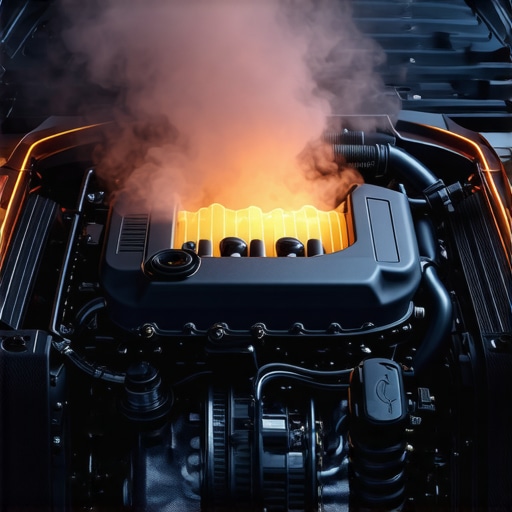
It’s a bright Saturday morning, and I hop into my car for a quick trip to the grocery store. As I pull out of the driveway, a sharp, pungent smell hits me like a wall—something burning, but not quite like burnt toast or plastic. My heart races. Oh no, is my car catching fire? Thankfully, it’s not, but that smell? It’s a clear warning sign. I’ve been there before, and I bet many of you have, too. That sudden, strange odor can turn a normal drive into a moment of panic.
Decoding the Burning Rubber Smell: What’s Really Going On?
Many drivers don’t realize that a burning rubber smell after a short trip isn’t just an unpleasant surprise; it’s often a hint of underlying mechanical issues that need immediate attention. From worn-out belts to brake problems, the causes can be surprisingly varied. The good news? Most of these problems are fixable, especially if caught early. But before you panic and rush to the nearest repair shop, let’s discuss how to identify and address the common reasons behind this smell.
Have you faced this problem before? You’re not alone.
Personally, I once ignored a subtle rubber smell after a quick drive, assuming it was nothing serious. Big mistake. That small whiff turned into a major repair bill when I finally figured out my brake pads were wearing thin and rubbing against the rotors. It’s a mistake many make—thinking a strange smell is just a passing bug. Trust me, understanding the root cause can save you money and prevent breakdowns.
So, why does this happen, and what can you do about it? That’s what we’ll explore next. Whether it’s a worn belt, brake issue, or something else, knowing the signs can keep your car running smoothly and safely. And if you want to stay ahead of potential problems, I recommend checking out our car service checklist to ensure your vehicle gets the routine maintenance it needs.
Ready to dive into the details and uncover the true cause of that ominous burning smell? Let’s get started.
Inspect Your Belts and Hoses Immediately
Start by opening your hood and visually inspecting the drive belts and hoses. Worn-out belts often slip or crack, causing friction and a rubber smell. I once saw a frayed serpentine belt that was dangerously close to snapping, so I replaced it right then. Use a flashlight to check for any signs of glazing, cracking, or looseness, which indicate it’s time for a tune-up. Remember, a slipping belt can impact your car’s accessories like the alternator or AC compressor, leading to further issues.
Check Brake Components for Signs of Wear
Next, examine your brake pads, rotors, and calipers. Excessive heat from worn brake pads rubbing against rotors can emit a burning rubber scent. I once ignored a slight smell after parking my car; the pads were overheating due to sticking calipers. To assess, look through the wheel spokes for brake pad thickness—if it’s less than a quarter-inch, it’s time for service. Also, listen for any squealing noises when braking, which signals wear. Regular brake inspections can prevent costly repairs and keep you safe. For detailed brake troubleshooting, visit https://glassfixauto.com/auto-repair-trends-to-watch-in-2025-staying-ahead-of-the-curve and https://glassfixauto.com/understanding-brake-system-repairs-a-guide-for-vehicle-owners.
Inspect the Clutch and Transmission If Applicable
For manual transmission cars, slipping clutches can generate a burnt smell. Check for slipping gears, difficulty shifting, or a spongy clutch pedal—these are signs of a failing clutch plate. I had to replace my clutch after noticing a lingering burning smell that didn’t go away. It’s an involved process, but timely intervention prevents further damage. If your car shudders or makes noise during gear shifts, consider scheduling a professional inspection to prevent breakdowns. Learn more about the importance of regular tune-ups at https://glassfixauto.com/tune-up-your-car-for-peak-performance-essential-maintenance-tips.
Evaluate the Engine and Cooling System
Overheated engine components can cause belts and hoses to emit smells. Check your radiator and coolant levels; a low coolant supply or a failing radiator fan can lead to overheating. I once noticed my engine temp gauge spike during a hot day, and upon checking, found my radiator fan wasn’t turning on. Replacing a faulty fan sensor restored normal temperature and eliminated the burning smell. Regular coolant flushes and inspections help maintain optimal engine temperature. For comprehensive tips, see https://glassfixauto.com/how-regular-tune-ups-improve-fuel-efficiency-and-safety and https://glassfixauto.com/why-your-radiator-fan-never-turns-off.
Consider the Effect of Recent Repairs or Modifications
If you’ve recently changed belts, installed new tires, or had brake work done, ensure everything is properly torqued and installed correctly. Loose or misaligned parts can generate excessive heat and smells. I learned this the hard way when a mechanic forgot to tighten my serpentine belt, leading to a burning rubber odor. Double-check that all components are secure, and consult a professional if unsure. Proper installation prevents future issues and extends your vehicle’s lifespan. For schedule maintenance and checklists, visit https://glassfixauto.com/car-service-checklist-how-to-keep-your-vehicle-in-top-shape.
Monitor and Test Drive with Caution
After inspections and minor fixes, take your car for a slow, careful drive. Pay attention to any new or persisting smells, unusual vibrations, or noises. If the burning smell returns, immediately stop and revisit your inspection points or seek professional help. Keeping a sense of vigilance can catch problems early before they lead to breakdowns or safety hazards. Remember, knowledge combined with proactive maintenance is key to safe driving and avoiding costly repairs.
Many car owners believe that following routine maintenance schedules and trusting their local repair shop is enough to keep their vehicle running smoothly. However, there are nuanced misconceptions and common pitfalls lurking beneath the surface of typical auto repair practices. Let’s dig deeper into some overlooked details and misconceptions that can cost you time and money if not addressed correctly.
Why Your Auto Repair Might Be Doing More Harm Than Good
One prevalent myth is that more frequent repairs or tune-ups automatically translate to better vehicle health. In reality, over-servicing can be just as damaging as under-maintenance. For instance, replacing parts preemptively without evidence of wear can lead to unnecessary expenses and sometimes introduce new issues, such as mismatched components or improper installation. A good example is the misconception that replacing all spark plugs at a set interval is always necessary; unless they’re visibly worn or causing misfires, this might be unnecessary. Referencing industry standards and manufacturer recommendations—like those outlined in auto repair trends—can help refine your maintenance approach.
Another often overlooked nuance is the importance of diagnosing the root cause of a symptom rather than just addressing the immediate issue. For example, brake squeal might be initially dismissed as just the brake pads wearing out, but it could also indicate caliper issues or contaminated rotors. Addressing symptoms without understanding the underlying problem can lead to recurring repairs and escalating costs, a common trap for many owners. Regularly referring to guides like brake system repairs can help you recognize when a thorough diagnosis is required.
Advanced Maintenance Mistakes Most People Overlook
Beyond the basics, savvy car owners should be aware of advanced mistakes, especially related to the aging of critical systems like transmission and cooling. For instance, neglecting fluid changes in these systems can accelerate wear and lead to costly repairs. Many believe that transmission fluid is lifetime; however, studies, such as those cited in lifetime fluids, suggest that regular changes are vital for longevity. Additionally, ignoring subtle signs like uneven tire wear can be a sign of wheel alignment issues or suspension problems that, if not corrected early, can cause uneven brake wear and handling problems.
Be cautious not to fall into the “if it’s not broken, don’t fix it” mindset. Proactive measures, like scheduled coolant flushes and routine sensor checks, preserve vehicle health and ensure safety. Sometimes, the most unassuming parts—like a failing oxygen sensor—can cause fuel efficiency drops and engine troubles. An expert approach involves routine diagnostics, which can reveal issues before they manifest as costly failures. Knowing when and why to schedule these diagnostics is a crucial skill, and resources like maintenance scheduling can guide you through this process.
Have you ever fallen into this trap? Let me know in the comments. Being aware of these hidden nuances empowers you to make smarter decisions and avoid unnecessary expenses, ultimately extending the lifespan and performance of your vehicle.
How Do I Keep My Car Running Smoothly Over Time?
Maintaining your vehicle beyond basic repairs requires a combination of specialized tools, savvy software, and a disciplined routine. One of my favorite instruments is a digital OBD-II scanner. I personally rely on models like the BlueDriver because they provide comprehensive diagnostics right on my smartphone, helping me catch issues early before they escalate. These tools decode engine trouble codes and can even reset warning lights, saving trips to the mechanic for minor issues. Troubleshooting with a trustworthy scanner is an investment that pays back by identifying compromise points in your vehicle’s health.
In addition to hardware, software solutions are paramount. I use maintenance apps such as Drivvo because they allow me to log every service, track mileage, and set reminders for oil changes or tire rotations. These apps streamline planning and ensure I don’t overlook critical routine checks, extending my car’s optimal operating window. As vehicles become smarter, integrating telematics and remote diagnostics will only get more sophisticated, making long-term maintenance easier and more predictive.
What Should You Keep In Your Garage for Long-Term Care?
Aside from diagnostic gadgets, I strongly recommend having a tire tread depth gauge and a brake pad thickness caliper. Regularly measuring your tire tread helps prevent blowouts, especially during adverse weather, and provides peace of mind. When I check my tires with a simple gauge, I often discover uneven wear that hints at alignment issues—preventing expensive suspension repairs. Similarly, inspecting brake pads periodically ensures they aren’t worn to the metal, which can cause dangerous vibrations and braking failure. These small tools are inexpensive but invaluable for ongoing safety. For a deep dive into effective brake upkeep, check out https://glassfixauto.com/auto-repair-trends-to-watch-in-2025-staying-ahead-of-the-curve.
Looking ahead, the trend points toward increased integration of AI-driven diagnostics and predictive maintenance systems. Vehicles will soon automatically alert you to pending issues with detailed guidance, much like your smartphone manages updates. This shift towards proactive care means that soon, routine checkups could be replaced or augmented by software that predicts failures before symptoms even appear. I believe embracing these technological advances now, like installing affordable OBD-II dongles and compatible apps, arms you with the knowledge to keep your car working longer and safer.
How do I maintain my vehicle’s performance sustainably and affordably?
One strategy I swear by is meticulously following a vehicle maintenance checklist. Doing so ensures every critical system receives attention according to manufacturer recommendations, avoiding costly repairs down the line. Regular software updates, oil changes, and fluid flushes preserve the integrity of electronic and mechanical components alike. Remember, the best maintenance is preventative—addressing small issues early prevents larger, more expensive failures tomorrow. Try integrating a dedicated routine, supported by these tools and schedules, and your car will reward you with prolonged reliability and performance.
What I Wish I Knew Before Ignoring the Smell
One of the biggest lessons I learned is that that strange burning rubber smell isn’t just an annoyance—it’s your car’s way of telling you something’s wrong. Ignoring early warning signs can lead to costly repairs, but catching issues early transforms your vehicle maintenance from a chore into a proactive safeguard. Trust your instincts and pay attention to these smells; they often hold the key to saving money and ensuring safety.
Tools and Resources That Changed My Approach
Over time, I’ve curated a toolkit that empowers me to diagnose and address issues promptly. An OBD-II scanner has been a game-changer, revealing hidden trouble codes before problems escalate. Complemented by the comprehensive maintenance checklist, these tools help me stay on top of essential services. Investing in quality instrumentation and trustworthy guides transforms auto repair from a scary unknown into a manageable process, saving both time and money.
Empowering Yourself With Knowledge and Routine
Understanding your vehicle’s warning signs and performing simple inspections—like checking brake pad thickness or tire tread—builds confidence and promotes safety. Regular maintenance, guided by reliable resources, prevents emergencies on the road. Embracing technology and routine car care creates a sense of ownership that not only prolongs your vehicle’s lifespan but also makes driving a more enjoyable experience. Remember, the most essential tool in auto repair is your own knowledge—stay curious and proactive.
Feel Ready to Take Control of Your Car’s Health?
By learning to recognize the early signs of issues and using the right tools, you’re taking significant steps toward safer, more cost-effective driving. Don’t wait until a minor problem becomes a major headache—empower yourself with information and routine maintenance. After all, your vehicle is an investment; treat it with the same care you would a trusted companion. Ready to start incorporating these insights into your routine? Your car—and your wallet—will thank you.
Have you ever been surprised by a mysterious smell or unexpected warning? Share your story below, and let’s learn from each other’s experiences!
,