
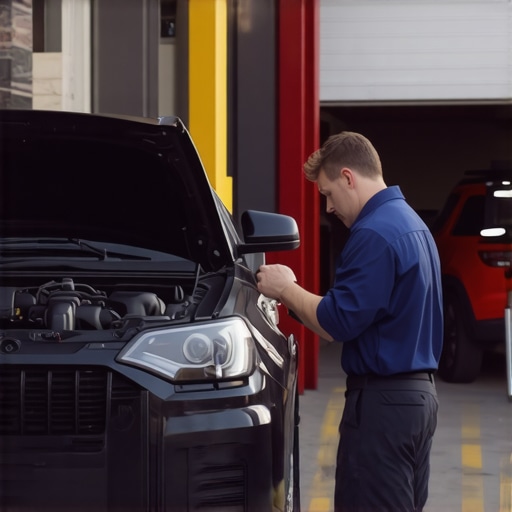
It was late afternoon, and I was already frustrated. I needed my car for an urgent trip, but the brakes had started squealing louder than usual. When I took it to the shop, they handed me a hefty bill and told me I needed new rotors and pads. But something didn’t sit right. The charges seemed inflated, and I was left wondering—was I being taken for a ride?
This moment of doubt sparked my curiosity and led me to learn the subtle signs of a mechanic who might be padding the bill. If you’ve ever faced that unsettling feeling of paying more than you expected or suspected hidden costs, you’re not alone. Many vehicle owners fall prey to unnecessary charges simply because they don’t know what to look for.
Today, I’ll share my experience and reveal practical tips to help you spot a sneaky mechanic before you sign the dotted line. Knowing how to identify inflated charges can save you hundreds—and even thousands—over the years.
Why You Need to Recognize Repair Bill Padding
Understanding when a mechanic is trying to inflate your repair costs isn’t just about saving money; it’s about protecting yourself from unnecessary work and potential scams. According to a study by Consumer Reports, nearly 20% of repairs involve some form of overcharging or unnecessary service. Recognizing these tactics early can help you make informed decisions and avoid being taken advantage of.
For example, I once blindly accepted a recommendation for a complete engine flush, only to discover later that it wasn’t needed at that moment. That mistake taught me the importance of knowing what services are essential and which are optional. To learn more about essential maintenance, check out this guide on [car service checklist](https://glassfixauto.com/car-service-checklist-how-to-keep-your-vehicle-in-top-shape).
In the next section, we’ll delve into common signs that your mechanic might be padding your bill—and how you can spot them without being an auto expert yourself. Do you feel you’ve ever been overcharged for car repairs? If so, keep reading; these tips could save you from making the same mistake again.
Check the Repair Request Line-by-Line
When your mechanic presents the invoice, Demand a detailed breakdown of each service and part listed. This is akin to reading a receipt after a restaurant meal—if something looks unfamiliar or inflated, ask for clarification. During my last brake service, I noticed a line item for “wheel alignment” that I hadn’t requested. I questioned it, and the mechanic explained it was standard with brake replacements, but I asked for the estimate before proceeding. This prevented unexpected costs and taught me to scrutinize bills carefully.
Learn the Basic Components of Your Car’s Brake System
Understanding the fundamentals of your vehicle’s brake system helps you spot unnecessary repairs. For instance, the brake pads and rotors are the core parts involved when your brakes squeal. Recognize the typical lifespan of these components by consulting resources like this guide. Knowing this, you can question a mechanic who recommends replacing parts prematurely—similar to knowing when a tire tread is actually worn out, rather than accepting vague warnings.
Request Pre-Approval Before Extra Work
Any repair outside the initial scope should be approved by you beforehand. If the mechanic says, “While replacing your brake pads, we also recommend a rotor upgrade,” ask for an explanation and a written estimate. I had an experience where a shop suggested replacing my entire brake caliper, which was unnecessary at the time. I declined, citing the info I obtained from this article. It saved me hundreds and kept the mechanic honest.
Compare Prices and Services with Multiple Shops
Before committing, get quotes from at least two other garages. Think of it like shopping around for electronics—different stores will offer varying prices for the same product. If one shop’s quote seems excessively high, it warrants questioning or further investigation. I once called another shop for a quote on replacing brake rotors; their estimate was nearly 40% lower, prompting me to choose them and avoid unnecessary charges.
Use Your Vehicle Maintenance Records as a Reference
Keep detailed records of previous repairs and parts replacements. This empowers you to verify if a recommended service is overdue or unnecessary. For example, I referred to my records before agreeing to a brake fluid flush; I found my vehicle was still within the recommended interval, preventing an unnecessary expense. Regularly reviewing these documents helps you develop an instinct for what your car truly needs.
Identify Common Signs of Overcharging
Watch out for vague language, inflated parts costs, or pushy sales tactics. If a mechanic insists you need multiple services at once without clear justification, it’s a red flag. For instance, during a tune-up, I asked about additional recommended work, which was suddenly introduced after the initial assessment. Knowing to question these tactics can save you from being upsold on unnecessary repairs, similar to how I learned to question inflated estimates for essential maintenance.
Trust Your Instincts and Do Your Homework
If something doesn’t feel right about your mechanic’s recommendations or charges, seek a second opinion. Just like diagnosing a persistent car issue, trusting your gut combined with basic auto knowledge ensures you’re making an informed decision. By staying proactive, you prevent yourself from falling victim to repair bill padding and keep your vehicle’s maintenance cost-effective.
Many car owners believe that all auto repairs are straightforward and that routine services like brake replacements or tune-ups are purely mechanical tasks. However, **trusting simplified notions can lead to costly mistakes**. For instance, the common myth that a brake job always involves replacing everything isn’t accurate—sometimes, just resurfacing the rotors suffices, which can save money and time. Understanding the intricacies, such as the importance of inspecting calipers or brake lines during a service, can significantly impact the longevity of your brakes and your wallet.
One subtle trap many fall into is believing that more expensive parts always mean better quality. Discounting quality ratings and compatibility can backfire, leading to premature failures or safety issues. As an advanced mechanic notes, **not all premium parts are necessary for every vehicle**, and selecting the right component depends on the specific make, model, and usage conditions.
A common oops moment occurs when vehicle owners overlook the significance of proper fluid compatibility. Using generic or incorrect lubricants and coolants can cause corrosion, reduced efficiency, and even engine damage. As experts emphasize, always verify that the fluids used meet your vehicle manufacturer’s specifications, which can be found in your owner’s manual or trusted auto shops.
How can I identify if my mechanic is pushing unnecessary services for profit?
This is a crucial question for advanced car owners. A telltale sign is when recommended repairs align with common issues but seem excessively aggressive or unnecessary for your vehicle’s current condition. Sometimes, mechanics recommend replacing parts that exhibit minor wear—an approach often driven by profit motives rather than actual need. Regularly consulting trusted resources like troubleshooting guides can empower you to question and verify such recommendations.
Moreover, recent studies indicate that up to 30% of repairs involve unnecessary or inflated work (Source: Consumer Reports). Being able to discern when these tactics occur involves understanding typical service intervals, inspecting parts yourself when possible, and seeking second opinions—especially for major repairs like transmission flushes or timing belt replacements.
Finally, staying informed on auto repair trends helps you recognize advances and avoid outdated practices that some mechanics might still recommend to increase charges.
Have you ever fallen into this trap? Let me know in the comments. Staying educated is your best defense against unnecessary costs and hidden pitfalls in auto maintenance.
Prioritize Quality Hand Tools for Precision and Durability
For consistent, reliable maintenance, investing in high-quality hand tools is indispensable. I personally recommend a set of chrome vanadium wrenches and sockets from brands like GearWrench or Tekton; they resist corrosion and provide precise fitment, reducing slip risks during critical repairs like brake service. Having a comprehensive set allows you to tackle everything from simple oil changes to complex brake pad replacements, ensuring safety and efficiency over the long haul.
Utilize Scan Tools for Deep-Dive Diagnostics
Modern vehicles rely heavily on electronic systems, making diagnostic scan tools an essential part of your toolkit. I trust the Autel MaxiScan MS300 for its affordability and ability to read and clear check engine codes, which greatly accelerates troubleshooting. These devices enable you to identify underlying issues early, whether it’s a faulty sensor or an emission control problem, before they escalate into costly repairs. Keeping your code reader handy can save you hours at the shop and prevent unnecessary part replacements.
Implement Preventive Maintenance with Software Trackers
To stay ahead of potential issues, I recommend using vehicle maintenance tracking apps such as MyCarfax or auto-related software linked to your mechanic’s system. These tools remind you of upcoming service intervals, like those outlined in this brake repair guide, and help you log completed services. Digitizing your records not only simplifies long-term maintenance but also boosts your ability to spot patterns that could indicate future problems.
Reliable Fluid Testing Kits for Ongoing Health Checks
Fluid condition can make or break your vehicle’s performance. I personally use a DIY coolant and oil test kit from OTC Tools, which allows me to check for contamination or deterioration without costly lab analysis. Regular testing helps you judge whether fluids are within safe parameters, extending the time between full flushes. As technology advances, expect these kits to incorporate more sensors and digital readouts, making routine checks even more straightforward.
How do I maintain my vehicle inspection tools over time?
Proper maintenance of your tools is crucial for accuracy and longevity. Clean your hand tools after each use to prevent rust, and store them in a dry, organized toolbox. Keep your diagnostic devices updated with the latest firmware to ensure compatibility with evolving vehicle systems. I also recommend calibrating your scan tools periodically by following manufacturer instructions or consulting experienced mechanics. This proactive approach guarantees your equipment remains reliable, enabling you to catch issues early—like troubleshooting common auto problems before they lead to expensive repairs. For instance, regularly updating your software ensures accurate readings and helps you avoid misdiagnosing issues, which can save hundreds in unnecessary repairs. Push yourself to perform one maintenance check on your tools this month and see the long-term benefits firsthand.
The Foolish Mistakes That Cost Me Dearly in Auto Maintenance
One of the toughest lessons I learned was trusting mechanics blindly, believing every recommended service was necessary. I once paid for a full engine flush without understanding its real need, only to find out later it was unnecessary at that time. That experience taught me to question every diagnosis and seek second opinions, saving me hundreds and preventing needless repairs.
Tools and Resources That Changed My Auto Repair Game
Investing in quality tools like a reliable scan tool (e.g., Autel MaxiScan MS300) and maintaining detailed records of my vehicle’s maintenance history transformed how I approach repairs. These resources empower me to verify mechanic claims, which has consistently kept me from overpaying or falling for scams. Trusted websites like this car service checklist and this brake repair guide provide invaluable insights for every car owner seeking to be smarter about maintenance.
Listening to Your Gut Can Save You Thousands
When a mechanic pushes for additional repairs without clear justification, my instinct says to pause and seek a second opinion. Trusting my feelings alongside proper research has steered me away from unnecessary work that could have drained my wallet. Remember, if something seems off—whether the quote sounds inflated or the recommended service feels suspicious—it’s okay to hold your ground and ask questions. Being proactive and well-informed is your best defense against repair scams and inflated bills.
The Hidden Power of Vehicle Knowledge and Preparedness
Knowing basic components of my car, like brake systems or fluid types, has empowered me during repairs. For instance, understanding that a typical brake pad lifespan is around 50,000 miles helped me question premature replacements. This knowledge, combined with transparent communication with my mechanic, fosters trust and ensures I only invest in necessary repairs. Building this expertise gradually makes you a more confident vehicle owner, capable of making smarter decisions and avoiding costly mistakes.