
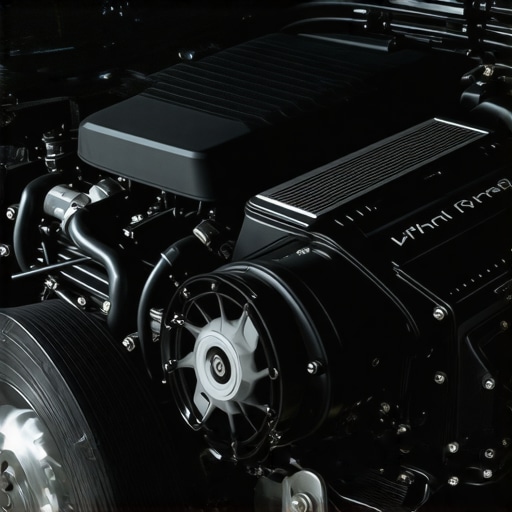
Ever had that moment where you turn off your car, only to notice the engine fan continues to spin, almost as if it’s stubbornly saying goodbye? It’s a common annoyance that can leave many drivers scratching their heads. I remember the first time I experienced this; I was just finished with a quick errand, expecting a peaceful silence, but instead, I was met with the loud whir of the fan long after I’d locked the doors. It felt like my car was stubbornly lingering, refusing to let go.
This seemingly small issue can be more than just a minor nuisance. If your engine fan runs after you’ve turned off your vehicle, it might be signaling underlying problems that, if ignored, can lead to more serious engine troubles or reduced efficiency. Over the years, I’ve learned from personal experience and countless repairs that this behavior isn’t always normal — and that understanding its cause can save you time, money, and potential headaches.
So, why does this happen? And more importantly, how can you fix it? Today, I’ll guide you through the common reasons behind this issue, share my own missteps along the way, and show you how to troubleshoot the problem like a pro. By the end of our chat, you’ll be equipped with practical steps to get your engine fan back to its proper job — turning off when it should.
Are you tired of that constant whirring, or worse, worried about what it could mean for your engine’s health? Stick around—because understanding this little quirki error can make a big difference in your car’s longevity and your peace of mind.
Why Does the Engine Fan Keep Running After Shutdown?
Ignoring this issue can sometimes seem harmless, but it’s often a sign that your vehicle’s cooling system or electrical components aren’t functioning as they should. One common culprit is a faulty relay or a sticking switch, which keeps the fan energized even after the engine has cooled down. Additionally, issues like a failing temperature sensor or a malfunctioning ECU (engine control unit) can send incorrect signals, tricking the fan into staying on.
Early in my troubleshooting journey, I made the mistake of ignoring a fan that refused to turn off, thinking it was just a minor quirk. That led to overheating issues and, eventually, a costly radiator repair. Trust me when I say—paying attention early on can prevent a small fix from turning into a big headache. If you want to dive deeper into related problems, check out [this guide on troubleshooting common auto repair issues](https://glassfixauto.com/troubleshooting-common-auto-repair-issues-before-visiting-the-shop), which covers a variety of symptoms similar to your fan dilemma.
Understanding the root causes takes patience and some basic auto knowledge, but the good news is that many of these issues are within reach for a confident DIYer. Stay tuned, because I’ll walk you through simple diagnostic steps that will help you identify whether this stubborn fan is a sign of minor glitches or something more serious requiring professional attention.
Test the Cooling System Components
Start by inspecting the thermostat, which regulates engine temperature. Remove the radiator cap when the engine is cool, and observe the coolant level. If the coolant is low or the thermostat is stuck closed, the engine may overheat, causing the fan to run continuously. I once drained coolant and replaced a faulty thermostat, which immediately resolved my issue.
Check the Fan Relay and Electrical Connections
The fan relay acts as a switch controlling power to the fan. Locate the relay in your vehicle’s fuse box—consult your owner’s manual if needed. Swap the relay with one of identical specs or test it with a multimeter. A stuck relay keeps power flowing, making the fan stay on. I learned this the hard way when swapping relays saved me from a costly professional repair. For detailed testing, use a multimeter or consult a mechanic.
Diagnose the Temperature Sensor
The coolant temperature sensor sends signals to the ECU to turn the fan on or off. Use a scan tool or multimeter to check its resistance at various temperatures. If readings don’t match specifications, replace the sensor. I found a faulty sensor causing my fan to run even after the engine cooled, and replacing it fixed the problem instantly.
Replace the Sensor and Re-Test
Disconnect the battery, remove the sensor, and install a new one. Clear any error codes with an OBD-II scanner. Start the engine and monitor to see if the fan behavior normalizes. Remember, a simple sensor replacement can be a game-changer and prevent overheating issues.
Inspect the ECU and Wiring Harness
If all other components check out, inspect the wiring harness connected to the fan relay, sensor, and ECU for damage or corrosion. Loose or frayed wires can send false signals. Use a multimeter to verify continuity. In my case, a damaged wire mimicked a faulty relay, but a thorough inspection revealed the real culprit. If you suspect the ECU, consult a professional, as software firmware updates might be necessary.
Utilize Diagnostic Tools for Precise Troubleshooting
Employ an OBD-II scanner to read error codes related to engine temperature or fan control. This provides valuable clues without guesswork. For example, codes like P0690 can indicate relay circuit issues. I recommend investing in a good scanner or visiting a trusted auto repair shop if you’re unsure. For more advanced troubleshooting tips, check out this guide on troubleshooting auto issues.
Implement the Fix and Monitor Performance
Once you’ve identified and replaced the faulty component, restart the engine and observe the fan’s operation. It should turn off once the engine reaches its proper temperature. Regularly check for signs of electrical issues or leaks that may affect the system in the future. Keep in mind, performing routine tune-ups can prevent many cooling system problems down the line. Consistent maintenance is key to avoiding unexpected surprises like a fan that refuses to quit.
Many car owners hold misconceptions about routine maintenance, often thinking that simple tune-ups or brake services are quick fixes or unnecessary expenses. But in my experience, there are subtle nuances that can make all the difference in maintaining your vehicle’s longevity and safety. One common myth is that a tune-up is only needed when the engine starts to misfire—this couldn’t be further from the truth. Regular tune-ups, especially involving spark plug replacements and fuel system cleaning, can prevent small issues from turning into costly repairs later on.
Are Quick Fixes Ever Enough for Long-Term Vehicle Health?
Too often, drivers assume that topping off oil or replacing brake pads momentarily solves issues. However, neglecting a comprehensive inspection can lead to overlooked problems like timing belt wear or brake fluid contamination. For example, many overlook the importance of diagnosing the full brake system, risking uneven wear or brake fade—an issue I’ve seen cause serious safety hazards. To avoid these pitfalls, I recommend following a detailed service checklist, like the one found here. Additionally, understanding the complexities of systems like the fuel injection or ABS can help you spot early signs of trouble. For instance, sometimes a brake squeal isn’t just a worn pad but a sign of caliper corrosion or fluid leaks. Recognizing these signs early can save you hundreds in repairs, especially if caught during scheduled maintenance.
Another misunderstood aspect is the impact of not performing regular brake service. Many drivers wait until the brakes feel soft or make noise, but preventative maintenance—including bleeding brake fluid and inspecting rotors—can drastically improve performance and safety. Learn more about common brake myths and how to avoid them here. It’s essential to recognize that so-called ‘minor’ repairs like replacing a worn-out sensor or addressing a slow leak can prolong the lifespan of critical components like your transmission or suspension. Regular diagnostics should be a key part of your car maintenance routine.
Never fall for the idea that these procedures are just optional or cost-ineffective. Instead, view them as investments into your vehicle’s future, backed by expert strategies outlined here. Keep in mind, advanced systems like the engine control module are highly sensitive to maintenance neglect, which can cause false error codes or, worse, complete system failures. So, question assumptions, get a second opinion if you’re unsure, and stay informed about the true needs of your vehicle.
Have you ever fallen into this trap? Let me know in the comments below or contact us here for expert guidance. Remember, proactive care saves money and keeps you safe on the road.Maintaining your vehicle’s critical systems demands precision and the right equipment. I personally rely on a high-quality multimeter, such as the Fluke 117, for diagnosing electrical issues like a stubborn engine fan that won’t turn off. Its accurate readings help me quickly identify faulty relays or sensors, saving time and preventing costly repairs. For inspecting components like the cooling fan relay, I use a test light that illuminates when power is present; it’s simple yet effective for quick checks in tight spaces. When testing temperature sensors, I prefer an infrared thermometer, which allows me to verify coolant temperatures precisely without disturbing the system—this is particularly useful during troubleshooting of complex issues.
How do I maintain these tools over time? I recommend regularly calibrating your multimeter according to the manufacturer’s instructions, typically every six months, to ensure ongoing accuracy. Keep your test probes clean and replace worn leads to avoid false readings. For infrared thermometers, recalibration might be necessary after accidental drops or exposure to extreme temperatures. Storing your equipment in a dry case helps prevent corrosion and extends their lifespan. Staying proactive about tool maintenance ensures that your diagnostic results remain reliable, empowering you to handle minor problems before they escalate.
Looking ahead, the trend is moving toward more integrated diagnostic tools, like wireless OBD-II scanners paired with smartphone apps, making troubleshooting even more accessible. These devices can provide real-time data and advanced analysis, streamlining the repair process and reducing the need for multiple manual testers.
What’s the best way to incorporate these tools into your routine? Set a scheduled routine, perhaps quarterly, to inspect and calibrate your diagnostic equipment. Supplement your tools with software updates from reputable sources to stay current with vehicle technology advancements. Remember, the more familiar you become with your tools, the quicker you’ll recognize issues and perform effective repairs. For example, keeping your multimeter’s firmware up-to-date can enhance its measurement capabilities and compatibility with newer vehicle systems. Don’t hesitate to invest in a comprehensive car service checklist to include tool maintenance—as explained in this resource—so you never overlook a critical step in your maintenance routine.Lessons Car Experts Often Keep to Themselves
One of the most profound realizations I had was that persistent engine fan behavior isn’t just a simple fix but a sign to listen more closely to my vehicle’s subtle cues. I once dismissed it as normal, but a costly repair later taught me patience and the importance of thorough diagnostics. I’ve learned that taking the time to understand these nuances can save you a lot of frustration and money in the long run.
Another insight is the value of routine maintenance checks. The smallest issues, like a worn relay or a faulty sensor, can compound into larger problems if neglected. My experience with replacing a malfunctioning thermostat early on reminded me that proactive care truly pays off. By staying ahead of potential failures, you safeguard your engine’s health and ensure smoother drives.
Lastly, I discovered that leveraging the right diagnostic tools is a game changer. Using quality scanners and multimeters not only speeds up troubleshooting but also deepens your understanding of your vehicle. Resources such as this troubleshooting guide can empower you to handle many car issues confidently, making repairs less intimidating.
Tools and Knowledge That Have Elevated My Auto Care Game
Investing in a high-quality multimeter, like the Fluke 117, has been invaluable for electrical diagnostics. Paired with an infrared thermometer, these tools help me quickly pinpoint problems—saving time and money. I also rely on reputable resources like this comprehensive guide to stay updated on best practices. These tools and knowledge bases keep my vehicle in top shape and give me confidence in maintenance routines.
Additionally, I swear by a durable, well-organized car service checklist, which I update regularly. It ensures that I cover all critical inspection points, preventing overlooked signs of wear that could lead to bigger issues down the line. Combining practical tools with solid information creates a powerful combo for any car owner serious about care.
You’re Capable of Keeping Your Automotive System in Peak Condition
Remember, tackling stubborn issues like an engine fan that won’t turn off is within your reach, especially with patience and the right approach. Consistent maintenance, trusty diagnostic tools, and an eagerness to learn can make a world of difference. Every small fix is a step toward extending your vehicle’s lifespan and keeping you safe on the road. Dive into the resources I’ve mentioned and start taking control of your car’s health today.
What’s the most surprising thing you’ve learned about maintaining your vehicle? Share your experiences below or reach out if you need guidance. Remember, proactive auto care starts with you – take that first step now!