
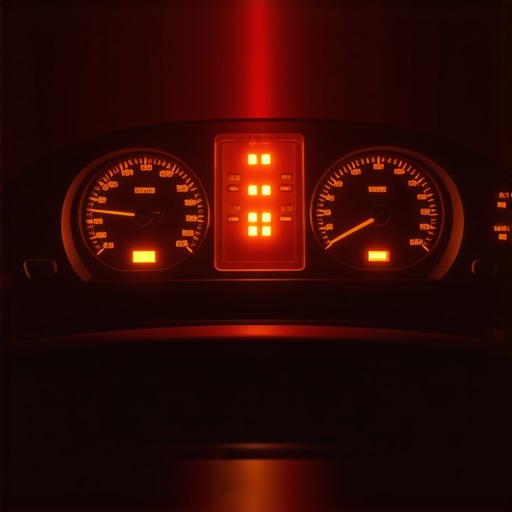
I remember the first time I noticed my dashboard lights flickering faintly as I came to a stop at a red light. It was almost poetic—almost—until I realized it wasn’t just some fancy dashboard feature, but a sign something was off. The flickering was subtle, almost dismissible, but it stuck with me. I didn’t want to brush it off and end up stranded on the side of the road. That moment sparked my curiosity and eventually led me to uncover some common—but often overlooked—causes of this frustrating problem.
The Mystery Behind Fading Dashboard Lights
This isn’t a rare scenario. Many drivers experience their dashboard lights dimming or flickering precisely when they brake or stop. It’s an annoyance that sometimes feels like just a glitch, but often it’s a warning sign. The good news? It’s usually fixable, and understanding why it happens can save you a lot of hassle and money in the long run. Today, I’m going to guide you through the most common reasons behind this issue and help you recognize when it’s time to seek professional help.
Are You Wasting Time or Overreacting? Here’s What Really Matters
Early in my auto repair journey, I made the mistake of assuming that such flickering was just a minor electrical hiccup—until one day my car wouldn’t start. That misjudgment cost me time and money, but it also taught me a valuable lesson: some signs are more serious than they look. So, if you’re wondering whether your frequently dimming dashboard lights are just a quirk or a sign of something deeper, I understand. In the next sections, we’ll explore precise causes, and I’ll show you how to tell the difference. For now, remember this: ignoring electrical issues can lead to more serious problems, like malfunctioning sensors or even engine trouble. Curious about how regular tune-ups can prevent these issues? Check out how tune-ups improve your car’s health.
Inspect Your Battery and Alternator First
Start by testing the health of your vehicle’s battery and alternator since they supply power to your dashboard and electrical systems. Use a multimeter to check voltage levels—ideally, the battery should read around 12.6 volts when the car is off and about 13.7 to 14.7 volts when running. If these readings are off, it indicates a problem that may be causing the flickering lights. A quick visit to your local auto parts store for a free test or a professional diagnostic at a mechanic can save you time. I once did this myself when my dashboard flickered unpredictably—after testing, I found my alternator was failing, and replacing it restored normal light functioning, preventing potential breakdowns.
Check for Loose or Corroded Wiring
Loose connections or corroded wires are common culprits. Locate the wiring harnesses connected to your dashboard’s panels—consult your vehicle’s manual if needed. Look for loose connectors, frayed wires, or corrosion on terminals. Tighten loose connectors and clean corrosion with a wire brush or contact cleaner. In my experience, simply reseating a loose connector behind the dashboard stopped the flickering immediately. Remember, a good connection ensures your electrical system is stable, preventing voltage dips that cause dimming lights.
Examine the Fusible Links and Fuses
Blown fuses or faulty fusible links can disrupt power flow. Open your fuse box and inspect each fuse related to your dashboard, lighting, and charging system. Replace any blown fuses with ones of the correct amperage. Occasionally, a blown fuse is caused by a short circuit, which you’ll need to troubleshoot further. During a project last summer, I replaced a blown fuse only to find the flickering continued—this prompted me to check wiring diagrams and identify a short in a dashboard light circuit, which I then fixed, conclusively solving the issue.
Assess the Voltage Regulator and Connectors
The voltage regulator maintains consistent voltage levels. If your vehicle’s alternator has an internal or external regulator, ensure it’s functioning correctly. A faulty regulator can cause voltage swings, leading to flickering lights. Also, inspect the connectors linking your alternator and regulator—corrosion or damage here can cause inconsistent power. I once replaced a faulty voltage regulator in my car, which stabilized the voltage and turned off the flickering for good. Regular checks of these components prevent electrical instability.
Test the Dashboard Light Switch and Dimmer Control
Sometimes, the issue is as simple as a malfunctioning switch or dimmer control. Turn the dash lights on and off, twist the dimmer knob, and observe any changes. If toggling these controls affects flickering, the switch or rheostat may need replacing. I experienced this firsthand when adjusting my dashboard’s brightness caused flickering, leading me to replace the dimmer rheostat—a straightforward fix that restored normal operation. Ensuring these controls work properly prevents unnecessary electrical confusion.
Consult a Professional if Issues Persist
If you’ve checked all these areas and the flickering continues, it’s time to seek expert help. Electrical issues can sometimes be complex, involving modules or wiring harnesses that require specialized diagnostic tools. Remember, persistent flickering might also signal underlying problems like a failing instrument cluster or a broader wiring issue that only a professional can reliably identify and fix. Avoid risking further damage or safety issues by postponing professional inspection.
Many vehicle owners operate under misconceptions that can hinder the effectiveness of their maintenance routine. One widespread myth is that a simple oil change or basic brake inspection will keep your car trouble-free for years. While these are vital, they are just part of a larger puzzle. Advanced repair nuances reveal that neglecting detailed diagnostics or understanding the intricacies of systems like the braking or fuel injection can lead to costly repairs down the line.
Are You Missing the Bigger Picture in Your Service Routine?
It’s common to believe that sticking to scheduled services suffices, but professional insights show that regular tune-ups go beyond routine checks. They involve a comprehensive analysis of engine performance, emission systems, and the health of sensors—all factors that influence safety and longevity. Overlooking these can mean missing subtle signs of wear that, if caught early, could save hundreds of dollars—and even lives.
Another misconception is that brakes only need replacing when they squeal. In reality, brake system nuances like uneven pad wear or hidden rotor failures often don’t produce obvious signs until critical failure. Recognizing these hidden indicators requires a keen understanding of the entire brake assembly, not just the pads or rotors in isolation.
Why Do So Many Get It Wrong?
The root cause often lies in incomplete knowledge or relying on superficial inspections. For example, many assume that brake fluid turning dark is a minor concern, but according to experts, this can signal internal corrosion or contamination, which impacts brake performance and safety. The danger? Overlooking such warning signs can lead directly to brake failure under critical conditions.
Furthermore, many underestimate the importance of system-specific diagnostics. For instance, a misfire in the engine might be mistaken for spark plug issues when, in fact, a failing coil or sensor might be the culprit. Advanced diagnostics, like those discussed in brake system repair guides or engine troubleshooting articles, highlight that a nuanced approach often uncovers hidden problems that generic services might miss.
When it comes to improving fuel efficiency or maximizing your vehicle’s lifespan, understanding these nuances can make all the difference. For example, a widely held belief that only replacing filters and fluids is enough ignores the importance of addressing underlying system malfunctions, which can be detected through expert assessments.
So, have you ever fallen into this trap of oversimplification? Do you rely solely on routine checks and overlook the subtle signs of deeper issues? Let me know in the comments—clarity starts with awareness, and a well-informed driver is a safer driver.
Keep It Running Smoothly with the Right Tools
Maintaining your vehicle for the long haul requires more than just know-how; it demands the right equipment. I personally swear by a high-quality automotive multimeter because it allows me to quickly diagnose electrical issues like voltage inconsistencies that can cause flickering dashboard lights. When testing your battery and alternator, I recommend the Fluke 115 Multimeter—its precision and durability make it a staple in my toolkit, ensuring accurate readings each time. For more in-depth diagnostics, a scan tool like the OP-COM interface can read engine codes and monitor real-time data, helping me spot issues before they become costly repairs. These tools save me hours at the mechanic and give me peace of mind knowing I can troubleshoot effectively at home.
Regular inspections are key, so I also use a reliable LED inspection light with adjustable brightness. It illuminates tight engine compartments, revealing corroded wiring or loose connections that might cause electrical problems. Personally, I check wiring harnesses periodically, cleaning contacts with contact cleaner and reseating connectors—simple steps that prevent voltage dips affecting critical systems. Using quality tools not only speeds up diagnostics but also extends the lifespan of your vehicle’s components, making maintenance more efficient and less stressful.
Where do you see auto maintenance heading in the future?
Predicting auto repair trends, I believe developments like machine learning-based diagnostic software will become commonplace, further reducing diagnostic time and increasing accuracy. As cars become more sophisticated, utilizing advanced tools integrated with cloud data will empower car owners and technicians to catch issues early, potentially preventing breakdowns and saving money. Stay ahead of emerging trends by investing in smart diagnostics now.
How do I maintain my car’s systems over time?
Beyond the tools, consistent maintenance routines are vital. Schedule regular tune-ups, including checking fluid levels, inspecting belts, and testing electrical components—this approach can immensely improve reliability and safety. Incorporating proactive measures like monitoring your brake fluid condition, which can turn dark due to internal contamination, helps prevent costly repairs. For example, flushing brake fluid every two years is a simple task that maintains braking performance and prolongs the life of your calipers and master cylinder. As noted in this comprehensive guide, consistency in maintenance routines is your best investment for keeping your vehicle running flawlessly.
If you’re eager to maximize your vehicle’s lifespan, try implementing a monthly visual inspection with an LED light, focusing on wiring and fluid conditions. It’s a small step that can catch tiny problems before they escalate, saving you money and preventing breakdowns. Remember, the key is to stay vigilant and leverage both reliable tools and disciplined routines to ensure your car always performs at its best.
What I Wish I Knew About Spotting Electrical Problems Early
One of the most significant lessons I’ve learned is that small electrical glitches, like flickering dashboard lights, often hint at deeper issues. Ignoring these signs can lead to costly repairs or breakdowns, but with patience and curiosity, I discovered simple checks—like testing your battery voltage or inspecting wiring harnesses—that can save you from surprises. The key is to trust your instincts and act before problems escalate.
Tools That Changed How I Approach Vehicle Maintenance
Having the right toolkit transforms auto care from a chore into a manageable routine. My best investments include a quality multimeter for electrical diagnostics and a reliable scan tool for engine codes. These tools provide clarity, speed, and confidence, especially when diagnosing flickering dashboard lights or strange sensor readings. I recommend trying the Fluke 115 Multimeter and the OP-COM interface—I’ve found they make troubleshooting straightforward and less stressful.
Taking Charge of Your Car’s Future Is Empowering
Remember, your vehicle is more than just a transportation device; it’s a complex system that rewards attentive care. Regular tune-ups, vigilant inspections, and understanding the nuances of your car’s electrical system can extend its life and improve safety. Embrace proactive habits and stay curious about your auto’s health—your journey to confident ownership begins today. Curious how scheduled maintenance can prevent unexpected issues? Check out this guide for expert insights.