
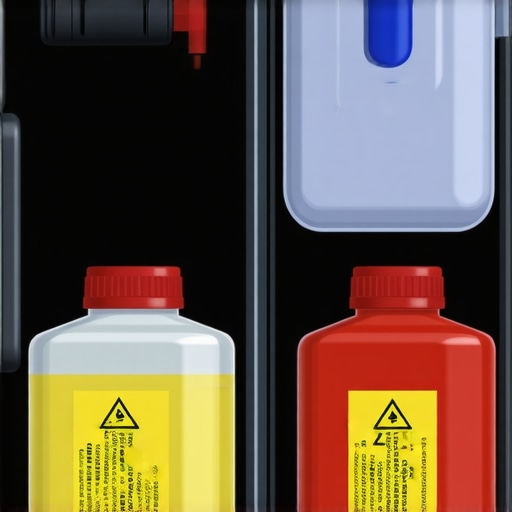
Ever hit the brakes hard and felt that unsettling spongy resistance? Or maybe you’ve experienced a sudden squeal or a sticky pedal that just won’t fade away? I remember the lightbulb moment when I realized those little warning signs might be more serious than I thought—especially when I tried to do a simple brake service myself. My mistake? I had mixed different types of brake fluid without understanding the risks involved.
The Hidden Danger in Your Brake System
When it comes to maintaining your vehicle, brake fluid is often overlooked until it’s too late. But what you might not realize is that mixing different brake fluid types can lead to a host of problems—compromising your safety and costing you more down the line. It’s a mistake many of us have made early in our auto repair journey, myself included, and I can tell you, it’s not one you’re keen to repeat. Reliable brake performance depends heavily on using the correct fluid and keeping it pure. Otherwise, you risk damaging seals, reducing braking efficiency, or even causing complete brake failure. That’s why understanding the difference between DOT 3, DOT 4, and DOT 5 fluids is essential. Curious whether your brake fluid mix could be the culprit? It might be time for a professional inspection. For more on brake system essentials, check out [Understanding Brake System Repairs](https://glassfixauto.com/understanding-brake-system-repairs-a-guide-for-vehicle-owners).
Is Mixing Brake Fluids Actually Worth the Risk?
Early in my car maintenance days, I thought I could save a buck by topping off with whatever was available. Big mistake. I didn’t realize that incompatible brake fluids could react adversely, leading to corrosion or diminished lubrication. According to industry experts, mixing brake fluids can cause chemical reactions that impair brake performance. This is a mistake you definitely want to avoid. So, if you’re wondering whether mixing fluids is a quick fix or a ticking time bomb, I can tell you from experience—it’s more the latter. The good news? Once you understand the risks, maintaining your brake fluid becomes a straightforward part of your auto care routine. Want to learn how to keep your brakes in top shape? Take a look at [Brake Service Myths](https://glassfixauto.com/brake-service-myths-what-you-need-to-know-before-your-next-stop) for some eye-opening truths.
Flushing Your Brake System Thoroughly
One of the most effective ways to prevent issues caused by mixed brake fluids is to perform a complete flush of your braking system. I recall a time when my brakes felt soft despite topping off; after draining and refilling with fresh DOT 3 fluid, braking improved dramatically. To do this, raise your car securely on jack stands, locate the brake calipers, and attach a clear hose to the bleed valve. Have a helper press the brake pedal gently, then open the valve to let out old fluid, shutting it before the pedal touches the floor. Repeat this process until clean, new fluid flows through. Remember, always use the manufacturer-recommended fluid type and dispose of the old fluid responsibly. This process not only removes contaminants but also ensures your brake system operates optimally.
Replacing Brake Fluid in Stages
Instead of a full flush, sometimes a staged replacement suffices, especially if the fluid isn’t overly contaminated. Start with one wheel—typically the driver’s side front—by loosening the bleed valve and having an assistant pump the brake pedal. As the pedal goes to the floor, top off the master cylinder with new fluid to prevent air ingress. Once fresh fluid appears in the hose, tighten the valve, and move to the next wheel. I learned this method during a weekend DIY project; it kept my brake system free of moisture and debris without a complete overhaul. Consistency is key; perform this process every 1-2 years or as recommended by your vehicle’s manual to maintain safety.
Checking Brake Fluid Levels and Condition
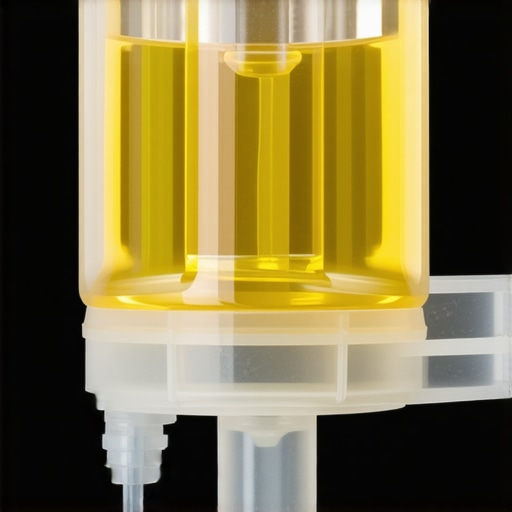
Regularly inspecting your brake fluid can save you from sudden failures. Remove the brake fluid reservoir cap and observe the level. It should be near the max line; if it’s low, top it up with the correct fluid. Examine the fluid’s color—if it’s dark brown or black, it’s time for a flush. A clear, amber fluid indicates good health. I once noticed my fluid darkening unexpectedly; a quick flush restored brake firmness and peace of mind. Establishing this as a weekly habit, especially before long drives, keeps your brakes dependable. For more detailed guidance, visit the brake system guide to understand what your fluid’s condition reveals about your brake health.
Utilizing Proper Tools and Safety Precautions
Investing in the right tools simplifies brake maintenance and ensures safety. A quality brake bleeder kit, funnel, and gloves make the job cleaner and more effective. When working on your brakes, wear eye protection and work on a level surface. I once attempted a brake fluid change without proper gloves; the chemical contact caused skin irritation, making me realize safety gear is non-negotiable. Keep a fire extinguisher nearby, and work in a well-ventilated area since brake fluid fumes are hazardous. By following these precautions, you prevent accidents and ensure your repairs are successful.
Scheduling Routine Maintenance to Protect Your Investment
Don’t wait until your brakes squeal or fail; routine maintenance is your best defense. Refer to your vehicle’s manual or consult a professional to determine optimal intervals—typically every 1-2 years. During these visits, mechanics will perform comprehensive inspections, including fluid checks and system flushes. My experience with scheduled brake maintenance saved me from a costly emergency repair; it’s a small investment for peace of mind. Remember, preventive care enhances safety, prolongs component life, and maintains your vehicle’s value.
 Many car owners believe that routine tune-ups or brake services are straightforward processes, but in reality, there’s a lot more beneath the surface that often gets overlooked. For instance, a widespread myth is that replacing spark plugs or filters at arbitrary intervals is enough to keep your engine in prime condition. In my experience, understanding the specific nuances of your vehicle’s needs—such as the type of fuel injectors or the quality of your oils—can make a significant difference. Rushing through these services without considering the vehicle’s age, mileage, and driving conditions might lead to unnecessary repairs or even engine damage. For example, some assume that all brake fluids are interchangeable, but mixing DOT 3 and DOT 4 can cause chemical reactions leading to seal deterioration, a mistake that can be costly to fix. To avoid these pitfalls, I recommend a thorough diagnosis before any maintenance: check out [Troubleshooting Common Auto Repair Issues](https://glassfixauto.com/troubleshooting-common-auto-repair-issues-before-visiting-the-shop) for tips on accurate assessments. One advanced question I often encounter is, “Why do brake pads wear unevenly despite using the right fluid and parts?” The answer lies in subtle issues like caliper sticking or uneven rotor surfaces, which are beneath the typical visual inspection. Proper diagnosis by an expert involves checking for these less obvious problems, as highlighted in [Understanding Brake System Repairs](https://glassfixauto.com/understanding-brake-system-repairs-a-guide-for-vehicle-owners). Keep in mind, adhering only to the basic schedules without considering your vehicle’s unique behavior can lead to neglecting critical signs of failure or misdiagnosis of symptoms. Remember, being proactive and informed about the intricacies helps you save money and ensure safety. Have you ever fallen into this trap? Let me know in the comments.
Investing in Precision Tools for Reliable Maintenance
One of my go-to investments has been a high-quality automotive scan tool like the OBDLink MX+. Unlike generic code readers, this device offers real-time data, customizable dashboards, and compatibility with my smartphone. It allows me to diagnose issues before they escalate, saving both time and money. I personally use it to monitor engine performance, check for pending trouble codes, and verify sensor data—tools that turn setbacks into manageable fixes. For more complex diagnostics, I recommend a professional-grade digital multimeter such as the Fluke 117. Its accuracy and durability are unmatched when checking voltage, resistance, or testing relay circuits. These tools empower me to troubleshoot effectively, reducing reliance on guesswork and ensuring the car stays in top shape over the years.
Applying Expert Techniques for Long-Term Results
Maintaining a vehicle isn’t just about having the right tools; it’s about applying the right methods consistently. I’ve adopted a routine of regular inspections inspired by professional tune-up tips. This includes fluid checks, belt inspections, and tire assessments, all scheduled based on my driving habits and the vehicle’s age. Additionally, I use a UV flashlight to spot leaks or dried out seals early—tiny issues with big consequences if left unchecked. As vehicle technology advances, I stay ahead by integrating diagnostic software updates, ensuring my tools keep pace with new sensors and control modules. Embracing these modern techniques guarantees my car remains dependable, fuel-efficient, and safe for the long term.
How do I maintain my vehicle’s health over time?
The secret lies in routine care combined with proactive diagnostics. Regularly referring to your car service checklist helps catch issues early. For example, I schedule oil changes, brake system inspections, and fluid replacements well before the recommended intervals—this is the best way to extend your car’s lifespan and avoid costly repairs. Staying informed about auto repair trends also allows me to adapt my maintenance approach as technology evolves. Moreover, developing a relationship with a trusted mechanic enables personalized advice tailored to your driving style and conditions, making long-term upkeep more manageable. Remember, consistent preventive care is your best investment for stress-free driving years ahead.
To get started, I recommend trying out a professional diagnostic scan with your current tools, like the brake system guide suggests. Running a comprehensive check now can identify potential issues before they become emergencies. Small steps today can lead to better performance and fewer unexpected repairs tomorrow, so don’t wait—prioritize your car’s health and keep it running smoothly for the long haul.
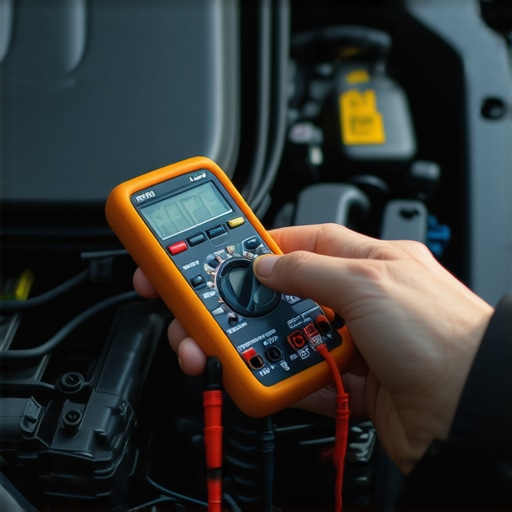
Image prompt: A person using a digital multimeter and smartphone connected to a car engine, illustrating modern diagnostic tools for auto maintenance. Alt text: Automotive diagnostic tools for vehicle maintenance. Title: Precision Tools for Car Care.
,
Lessons Only the Garage Will Teach You About Brake Wisdom
- One of my toughest lessons was realizing that a simple top-off with the wrong brake fluid could set off a domino effect of costly repairs—it’s a reminder that not all fluids are created equal.
- Early on, I underestimated the importance of flushing the brake system regularly; I thought it was just a ‘nice to have,’ until my brakes started feeling unpredictable.
- Discovering that different brake fluid types aren’t always compatible was a lightbulb moment—trust me, mixing DOT 3 and DOT 5 is a recipe for disaster.
- I’ve learned that consistent brake fluid inspections and staged replacements can save you from emergency stops and expensive repairs—it’s all about proactive maintenance.
- Investing in the right tools, like a quality brake bleeder, turned my DIY brake projects from guesswork into success stories, boosting my confidence and safety.
Tools and Resources That Changed My Approach to Brake Care
- The Essential Tune-Up Guide became my go-to for understanding maintenance intervals, helping me plan smarter.
- My trusted Brake System Repair Guide provided clarity on diagnosing and addressing issues early, saving me from surprises.
- For tools, I swear by my professional-grade brake bleeder kit, which makes bleeding brakes straightforward and less messy.
- And, for ongoing learning, following the latest auto repair trends keeps me informed about new techniques and tools that improve safety and efficiency.
Ignite Your Drive with Confidence and Smarts
Taking control of brake fluid maintenance and understanding its nuances has transformed how I approach auto care. Every inspection, flush, and tool I use now aligns with my goal of safe, reliable driving. Remember, the key isn’t just fixing problems—it’s proactively preventing them. Your car, your safety, and your peace of mind depend on it. So, why not start today? With a little knowledge and the right gear, you’ll be surprised at how much you can do to keep your vehicle in top shape—fuel efficiency, safety, and longevity all benefit. Ready to take charge of your brake health? Regular checks and embracing quality tools will make all the difference. Share your experiences or questions in the comments below—I’d love to hear how you keep your brakes in check!