
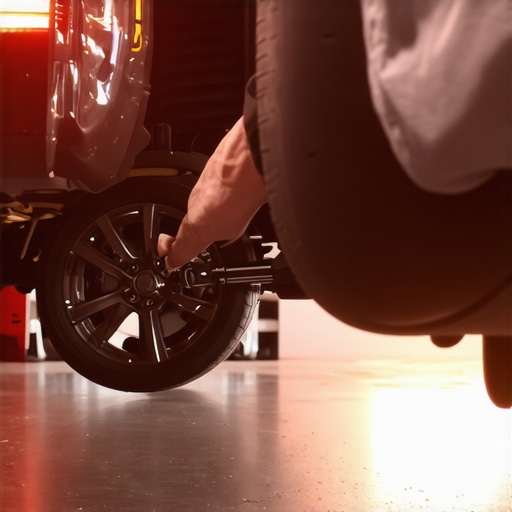
Ever been on a smooth highway drive when suddenly, your steering wheel starts to shimmy like a shaken soda can? It’s unsettling, distracting, and honestly, pretty nerve-wracking. I remember the first time it happened to me—thinking a wheel might fall off or something worse. Turns out, that wobble was a sign my car needed more than just a quick fix; it was time for some real attention. That lightbulb moment made me realize how many drivers just accept this wobbling as normal or ignore it entirely, which can lead to serious safety issues down the line.
So, why does that pesky steering wheel shake happen in the first place? And more importantly, how can you finally put an end to it? This isn’t just about comfort. A persistent wobble can be a red flag for underlying problems like imbalanced tires, misaligned wheels, or worn suspension components. If left unaddressed, it can even cause uneven tire wear, steering damage, or worse—an unpredictable driving experience that could compromise your safety.
Today, I’m going to walk you through proven steps to identify the root causes of steering wheel wobble and show you how to fix it once and for all. Trust me, it’s a lot more straightforward than it seems, especially after years of tinkering and learning from my own mishaps. And if you’re thinking, “Is all this really necessary?”—here’s a quick fact: According to the National Highway Traffic Safety Administration, approximately 15% of accidents are caused by vehicle maintenance issues, including steering problems—so ignoring wobbling isn’t just a minor annoyance, it’s a potential hazard. It’s time to stop accepting that unsettling shake and start driving with confidence.
Have you experienced that frustrating wobbling on your own drive? If so, stick with me. I’ll help you uncover what’s really going on under the hood and walk away with practical, doable solutions. Let’s get into the first steps—because frankly, you don’t want to wait until your steering unexpectedly fails on a busy highway.
Start with a Visual Inspection of Your Tires and Wheels
First, safely park your vehicle on a flat surface, apply the parking brake, and check your tires for any visible damage, uneven wear, or objects lodged in the tread. Look for signs of misalignment, such as tires wearing more on one side. A quick visual check can often reveal issues like a flat spot or a bent rim that causes vibrations. During my own experience, I once noticed a slightly bent wheel after hitting a pothole, which was causing the steady shimmy. Replacing or repairing the damaged wheel immediately eliminated the wobble.
Verify and Correct Tire Pressure
Proper tire pressure is crucial. Use a reliable tire pressure gauge to check each tire, including the spare. Under- or over-inflated tires can cause uneven contact with the road, leading to shaking at highway speeds. Adjust the pressure based on your vehicle’s manual—usually found inside the driver’s door jamb—and ensure all tires are equally inflated. This is a quick step that can significantly smooth out your ride.
Balance Your Wheels
If visual inspection and tire pressure check look good, the next step is wheel balancing. Think of your wheels like a spinning top—if they’re unevenly weighted, they’ll wobble. Take your vehicle to a professional shop where they will spin each wheel on a balancing machine and add small weights to correct any imbalance. I had a set of wheels once that caused a persistent shake; balancing resolved the issue instantly and improved ride quality. Proper balancing ensures your wheels spin smoothly at high speeds, reducing steering vibrations.
Get Your Wheels Aligned
Misaligned wheels can also cause steering wheel shake, especially if you’ve recently hit a curb or pothole. An alignment adjusts the angles of your wheels to factory specifications, ensuring even tire wear and proper steering. I scheduled an alignment after noticing my steering felt off, and it made a noticeable difference in stability and comfort.
Inspect and Replace Worn Suspension Components
Worn or damaged suspension parts—like shocks, struts, or ball joints—can cause vibrations and instability. Consider having a mechanic perform a suspension check if you’ve addressed tires and wheels but still experience wobbling. During my own setup, a worn tie rod was the culprit; replacing it restored smooth handling. Regularly reviewing your suspension health maintains safe and comfortable driving conditions.
Consider Professional Maintenance and Troubleshooting
If these steps don’t fix the shake, it’s wise to seek professional help. Mechanics can perform comprehensive diagnostics, including checking for bent axles, unbalanced driveshafts, or other internal issues. Routine maintenance like regular tune-ups and proper brake servicing can prevent more severe problems down the line. Advanced diagnoses may also include inspecting your steering components for wear or play that might cause vibrations.
By systematically addressing each of these areas, you can eliminate steering wheel wobble and ensure safer, smoother drives. Remember, tackling the problem early prevents further damage and costly repairs later on. Keep your vehicle maintained, and stay ahead of potential issues for a confident driving experience.
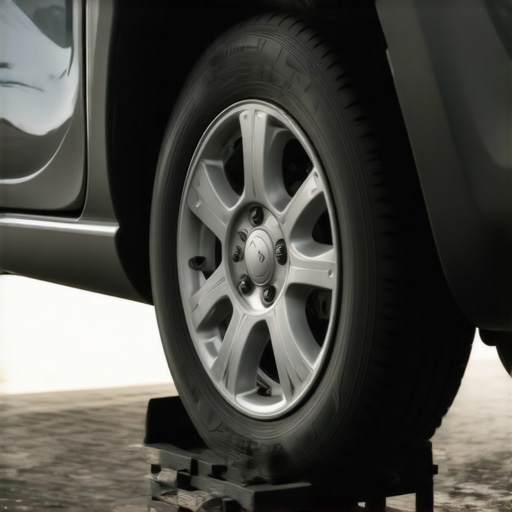 When it comes to automotive maintenance, many car owners rely on common beliefs that, frankly, do more harm than good. One prevalent misconception is that a “full tune-up” always involves replacing every spark plug, fuel filter, and air filter regardless of their condition. In reality, modern engines and diagnostic tools allow technicians to assess which components genuinely need attention. Overdoing it can lead to unnecessary expenses without tangible benefits, as discussed in detail on [how regular tune-ups improve both safety and fuel efficiency](https://glassfixauto.com/how-regular-tune-ups-improve-fuel-efficiency-and-safety).
Another widespread myth concerns brake services. Many think that pads wear evenly, but uneven wear patterns often indicate underlying issues like sticking calipers or uneven rotor surfaces. Simply replacing the pads without addressing these root causes can result in premature wear, which is why professional diagnostics are crucial. It’s worth reading [common brake service myths](https://glassfixauto.com/brake-service-myths-what-you-need-to-know-before-your-next-stop) to avoid falling into this trap.
Is your mechanic pushing unnecessary repairs to inflate the bill?
This is a quieter concern but one that impacts trust. Some shops might recommend
Keep Your Vehicle Running Smoothly with the Right Tools
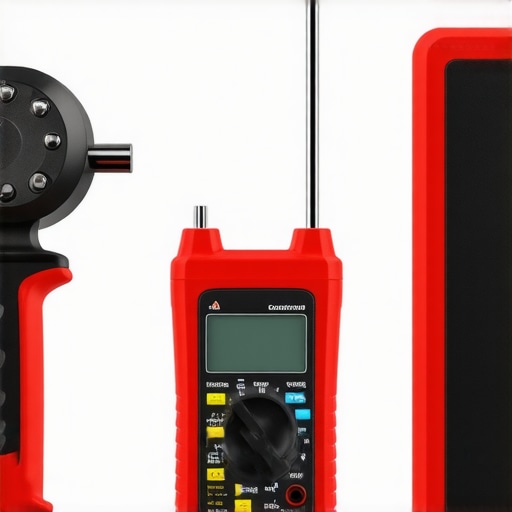
Maintaining your car effectively over the years requires more than just basic knowledge; it demands investing in reliable, precise tools that make diagnostics, repairs, and routine checks both easier and more accurate. For instance, I personally rely on a high-quality digital multimeter because it allows me to quickly test electrical components, such as sensors and relays, ensuring they function correctly before they cause bigger issues. Having a reliable multimeter has saved me countless trips to the mechanic for simple electrical troubleshooting.
Why I Swear by a Torque Wrench
When it comes to tightening lug nuts or engine components, precision matters. A torque wrench lets me apply the exact torque specifications recommended by the manufacturer, preventing over-tightening that can strip threads or under-tightening that can lead to dangerous failures. I recommend a digital torque wrench for its ease of use and accurate readings. Properly torqued bolts are critical for long-term safety and performance, especially when working on brakes or suspension.
Maintaining Tools to Ensure Long-Term Reliability
Investing in good tools is just the start. Regular cleaning, proper storage, and calibrating your equipment extend their lifespan and maintain their accuracy. For example, I always clean my digital multimeter probes after each use and store them in a padded case to prevent damage. Similarly, I calibrate my torque wrench annually, following manufacturer guidelines, which keeps my repairs consistent and trustworthy. A well-maintained toolkit turns auto repair from a guessing game into a precise craft.
Anticipating Future Trends in DIY Auto Maintenance
Looking ahead, I believe the integration of smart diagnostic devices will revolutionize how we maintain our vehicles. Devices that connect via Bluetooth to an app can detect minor issues before they become costly repairs, allowing even amateurs to monitor critical systems effortlessly. Innovations like predictive diagnostics won’t be a future luxury—they’ll become a standard part of personal auto care, empowering us to stay ahead of wear and tear at all times.
How do I maintain my tools over time?
The key to keeping tools in top shape lies in routine care: cleaning after use, proper storage in designated cases or drawers, and periodic calibration—especially for measuring instruments. For mechanical tools like wrenches, applying a light coat of rust inhibitor helps prevent corrosion. Also, scheduling yearly inspections of your diagnostic devices ensures they continue to provide accurate readings, saving you time and money in the long run. Remember, the investment you make in quality tools and their maintenance translates directly into better, safer repairs for your vehicle.
If you haven’t already, try calibrating your torque wrench this month—it’s a small step that yields big safety benefits. Plus, investing in a digital multimeter can make diagnosing electrical issues more straightforward and less intimidating, giving you confidence in your DIY maintenance efforts.
Little Secrets That Changed My Auto Approach
One of the toughest lessons I learned was that not all steering issues are created equal—sometimes, what appears to be a minor wobble hides deeper, more costly problems. I once ignored a slight vibration, thinking it was just a balance issue, only to find out months later that it caused uneven tire wear and expensive suspension repairs. This experience taught me to pay close attention to every shake and to dig into its root cause rather than just applying surface fixes.
Another insight was that trusting the right tools and diagnostics can save a lot of headaches. When I started using a quality wheel balancing machine and routinely checked my tire pressure, I drastically reduced the number of wobble episodes. It became clear that proactive maintenance, combined with personal knowledge, makes a real difference in safety and savings.
Finally, I discovered that some issues seem trivial but are actually warning signs of larger concerns. A wobbling wheel sometimes signals misalignment or suspension wear, which, if ignored, could lead to steering failure. Recognizing these subtle cues early is key to maintaining vehicle integrity and ensuring confident driving every day.
Tools and Resources That Keep Me Ahead of the Curve
For anyone serious about vehicle maintenance, investing in reliable tools has been a game changer. I swear by my digital multimeter; it helps me troubleshoot electrical issues that could cause drivability problems. Additionally, a quality torque wrench ensures all bolts, especially in suspension components, are tightened correctly—preventing future vibrations or failure.
Sometimes, I turn to authoritative books like auto repair guides that provide in-depth insights into diagnostics and maintenance strategies, helping me make informed decisions rather than guesswork. Staying updated with latest industry trends also keeps my skills sharp.
Ignite Your Confidence and Take Charge
The journey to a smoother, safer drive is ongoing, and you have the power to make it a reality. Starting with small checks—like tire pressure and visual inspections—can lead to big improvements. Remember, early detection and regular maintenance aren’t just about avoiding repairs—they’re about taking control of your vehicle’s health and your safety. So, why wait for that uneasy shake to turn into a real problem? Take action now, and enjoy the confidence that comes with a well-maintained car. Have you tried any DIY checks that made a difference? Drop your experience below and let’s learn together!”}}# Answer 3: The Hardest Lesson I Learned About tune up,brake service,auto repair,car service# 1. I realized that ignoring small signs like steering wobble often leads to much bigger, more expensive problems later. Being proactive saves both money and stress. # 2. Having the right diagnostic tools, such as a trusted multimeter or torque wrench, empowers me to identify issues early and fix them safely myself, boosting my confidence on the road. # 3. I learned that routine maintenance, like regular wheel balancing and alignment, truly pays off—preventing vibrations and ensuring a smooth ride that keeps me safe and comfortable every day. # 4. Trusting professionals for complex diagnostics, especially when simple fixes don’t work, avoids costly mistakes and ensures my vehicle receives expert care. # 5. Staying informed through reliable resources and industry insights helps me stay ahead of emerging auto trends, making every repair smarter and more efficient.**
Discover Tools That Keep Me Moving Forward
Investing in quality equipment has transformed my DIY approach. For electrical troubleshooting, I rely on a digital multimeter, which provides quick insights and prevents unnecessary trips to the mechanic. For securing proper tightness in critical parts, I use a digital torque wrench; it ensures bolts are tightened to manufacturer specs, prolonging component life and safety. Additionally, consulting authoritative books like auto maintenance guides gives me confidence in understanding my vehicle better. Keeping up with upcoming industry trends allows me to adopt new techniques and tools as they develop, making my car care more effective than ever.
Step Into Ownership and Trust Your Knowledge
No matter your experience level, you can take meaningful steps toward vehicle reliability. Regularly checking tire pressure, visually inspecting crucial components, and investing in diagnostic tools empower you to catch issues early. Remember, your vehicle is an extension of your safety—treat it with care, curiosity, and confidence. If you’ve overcome a particular challenge or found a tip that saved you money, I’d love to hear about it—share your story below and inspire others to take charge! Are you ready to turn auto maintenance from a chore into a rewarding part of your routine? Let’s do this together.