
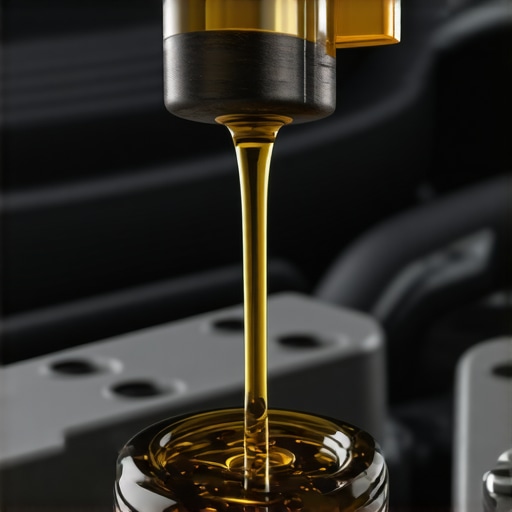
Ever had that sinking feeling when you pop open your hood and see your synthetic oil looks almost black after only a few hundred miles? I remember the first time I noticed this—my heart sank. I thought, “Did I buy the wrong oil? Is my engine dying?” That initial panic was a wake-up call that led me down a path of learning and, ultimately, better maintenance practices.
Understanding the Darkness: What’s Really Happening with Your Oil?
When synthetic oil darkens rapidly, it’s tempting to assume the worst—like engine wear or poor-quality oil. But in reality, this darkening is often a sign that your oil is doing its job: trapping dirt, debris, and combustion byproducts to protect your engine. Unlike conventional oils, synthetics are designed to resist breaking down under high heat, meaning they can better handle the stress and still turn darker as they accumulate contaminants. This process is not a fail; it’s a feature. However, if you notice your oil darkening faster than expected, it might be time to revisit your maintenance routine.
Is Dark Oil Actually a Bad Sign That Your Engine Is Failing?
I used to think that dark oil was always a warning sign—until I learned that it’s often normal, especially if your engine is running well otherwise. The key is regular oil changes and choosing the right oil for your driving style. Many car owners overlook the importance of following a proper vehicle maintenance schedule that includes timely oil changes. Skipping this step can lead to more serious engine issues down the line. To put it into perspective, a study found that ignoring oil change intervals can decrease engine lifespan significantly (Source: EPA.gov). So, while the color change can be normal, neglecting routine oil maintenance isn’t—your engine’s health depends on it.
Now, I want to hear from you—have you ever experienced that moment of shock when your oil looks like midnight after a short drive? If so, don’t worry. I’ve been there too. The good news is that understanding the ins and outs of your engine’s oil can save you money and prevent breakdowns. Up next, I’ll share practical steps to interpret what your oil is telling you and how to keep your engine happy, healthy, and clean.
Perform Regular Oil Level Checks to Prevent Engine Strain
Start by checking your oil level monthly, especially before long trips. Using your vehicle’s dipstick, ensure the oil reaches the recommended level marked on the stick. In my experience, a quick check with a clean cloth allows you to spot low oil before it causes engine wear. If you notice the oil is below the minimum mark, top it up with the correct synthetic oil type specified in your owner’s manual. This simple step can prevent premature engine stress and prolong oil life.
Change Oil at Consistent Intervals to Ensure Maximum Protection
Stick to Manufacturer Recommendations
Most modern vehicles recommend oil changes every 7,500 to 10,000 miles, but these intervals can vary based on driving habits. For example, I once extended my oil change interval based on a friend’s advice, only to find my engine’s performance declined. Following the car service checklist helps you stay aligned with best practices. Regular oil changes replace contaminated oil with fresh synthetic, maintaining optimal engine conditions.
Use the Right Synthetic Oil for Your Engine
Not all synthetic oils are created equal. Consult your vehicle’s manual or visit a trusted mechanic to select an oil with the correct viscosity and additive package. For instance, I once switched to a higher-grade synthetic and noticed smoother acceleration and quieter operation—signs that my engine was receiving better protection. This step ensures your engine benefits from the full array of synthetic oil advantages, including resistance to breakdown and improved thermal stability.
Monitor Oil Appearance and Contaminants During Checks
Every time you check your oil, observe its color, consistency, and smell. Bright, translucent amber indicates fresh oil, while dark, thick, or gritty oil signals it may be time for a change or to look for leaks. Once, I noticed my oil appeared unusually gritty during a routine check; this prompted a quick inspection, uncovering a minor leak that was rapidly repaired. Also, be alert for metallic particles or a burnt smell, which can signify engine problems. Keeping an eye on these signs lets you catch issues early.
Utilize Engine Monitoring Tools for Deeper Insights
Many modern vehicles have built-in sensors that alert you to oil quality issues. If your dashboard displays a warning light related to oil, don’t ignore it. I remember ignoring such a light once, leading to engine overheating. Alternatively, portable oil testers can assess contamination levels and oil viscosity at home, giving you an additional layer of monitoring. Integrating these tools into your routine helps you anticipate maintenance needs before problems escalate.
Adopt a Proactive Maintenance Schedule
Beyond oil checks, schedule comprehensive engine tune-ups periodically. Regularly inspecting spark plugs, filters, and other components ensures your engine runs efficiently with clean oil. For insight into effective maintenance routines that safeguard your investment, check out these tune-up strategies. I once caught a failing fuel pump during a scheduled tune-up, which could have compromised my oil quality if left unchecked. Proactive care keeps your engine oil—and your engine—performing at their best for miles to come.
When it comes to maintaining your vehicle, there’s a wealth of advice floating around—much of it misleading or outdated. Many car owners fall prey to misconceptions that can lead to costly mistakes. Let’s **dig deeper** into some of these myths and uncover the nuanced truths that only seasoned enthusiasts and professionals understand. Have you ever fallen into this trap? Let me know in the comments.
Why Relying Solely on Popular Advice Can Backfire
Many drivers follow general tips from friends or online forums without considering their vehicle’s unique needs. For instance, there’s a common myth that changing brake pads is always necessary when they squeal. In reality, squealing might be caused by glazed pads or debris, and simple cleaning or lubrication can resolve the issue—saving you unnecessary costs. Visiting a trusted mechanic for a proper brake inspection can prevent overpaying for repairs you might not need, as explained in detail at this brake service myth article.
Investing in Precision Tools for Auto Care
One of my top recommendations for maintaining your vehicle’s longevity is to equip yourself with reliable diagnostic and repair tools. For instance, I personally rely on a quality digital multimeter, such as the Fluke 115, because it provides accurate readings of your car’s electrical system, helping me troubleshoot issues like battery drains or alternator faults without expensive trips to the mechanic. Additionally, a good quality code scanner, like the BlueDriver Bluetooth Pro, connects to my smartphone to read and clear engine trouble codes, saving time and money. These tools have become integral to my routine, allowing me to diagnose minor issues early and prevent costly repairs down the line.
Adopting Consistent Maintenance Software
Beyond physical tools, I use maintenance management apps like Car Scanner ELM OBD2 or DropTask to organize and schedule regular service intervals. These apps send reminders for oil changes, filter replacements, or brake inspections based on mileage or time elapsed, ensuring no step is missed. This proactive approach catches potential problems before they escalate. As vehicle technology advances, integrating software solutions guarantees your maintenance routine stays aligned with manufacturer recommendations, which a recent article confirms is essential for maximizing engine health and fuel efficiency (see more here).
The Future of Automotive Maintenance Looks Digital and Predictive
Looking ahead, trends indicate a move toward even smarter tools, such as AI-driven diagnostic systems and predictive maintenance algorithms that analyze data from your vehicle’s sensors to preempt failures. For example, upcoming models are expected to alert owners to imminent brake pad wear or coolant leaks before symptoms become severe, reducing breakdowns and repair costs. Embracing these emerging technologies will elevate your DIY maintenance game, making long-term car health easier to manage at home.
How do I maintain my vehicle over time without breaking the bank?
The key lies in meticulous scheduling, using the right tools, and staying informed about your vehicle’s evolving needs. Regularly consulting trusted resources like this comprehensive guide helps demystify complex tasks and ensures you’re prepared. For example, mastering simple yet essential steps, such as checking your brake fluid levels with a digital tester, can prevent costly brake repairs. Remember, consistent and informed maintenance not only keeps your car reliable but also preserves its resale value. I challenge you to try incorporating a diagnostic scanner into your routine this month—you might be surprised how much trouble you can catch early and save money in the long run.
What I Wish I Knew About Engine Secrets Early On
One of the hardest lessons I learned was that not all darkening oil signals disaster; sometimes, it’s just a sign of work being done. Realizing this kept me calmer during routine checks and encouraged me to trust my maintenance routine rather than panic over every color change.
Secondly, I’ve discovered that tools are your best friends—using reliable diagnostic scanners and maintenance apps transformed my approach from reactive to proactive. Investing in these was a game-changer, saving me money and stress.
Lastly, consistent education about auto systems and maintenance schedules pays dividends. The more I learned about my car’s needs, the better I could communicate with my mechanic and prevent small issues from becoming costly repairs.
My Go-To Resources for Auto Maintenance Wisdom
I swear by trusted tools like the latest diagnostic scan tools and comprehensive checklists that keep my vehicle in prime condition. These resources are reliable because they are constantly updated and backed by automotive experts I trust.
Additionally, reading expert articles and watching tutorials help me understand complex systems, making me more confident in my DIY checks and repairs. Staying informed about industry trends, like future automotive developments, prepares me for choosing better maintenance strategies.
Finally, engaging with a community of enthusiasts and experienced mechanics online gives me real-world insights that no manual or article can replace. It’s these connections that truly deepen my understanding and inspire continuous learning.
Take the Helm of Your Car’s Health Today
Your vehicle is more than just a machine—it’s an investment that rewards you with reliable performance when properly cared for. Embracing proactive maintenance, utilizing trusted tools, and continuously learning will empower you to keep your engine running smoothly and safely. So why wait for warning lights to flash? Start applying these insights now, and transform your approach to auto care into a confident, informed journey.
Have you ever experienced an enlightening moment during your vehicle maintenance that changed how you see car care? Share your story below—your experience could help fellow enthusiasts avoid surprises on the road.