
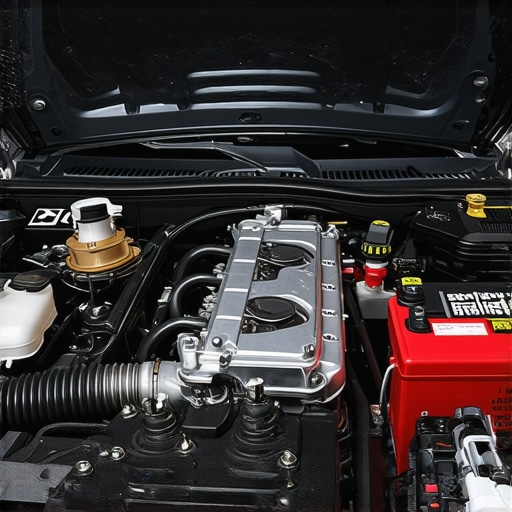
I remember vividly the first time my car decided not to start on a chilly morning. The engine cranked enthusiastically, yet it refused to fire up, leaving me stranded in my driveway and feeling both frustrated and clueless. That lightbulb moment made me realize—a lot of us have experienced that panic when the car turns over but won’t start, especially when you’re running late or facing bad weather. If you’ve ever been in that situation, then you’re not alone.
Today, I want to share a straightforward, no-nonsense approach to diagnosing a common but confusing problem: a vehicle that cranks but doesn’t ignite. We’ll go through three simple checks that can save you time, money, and a lot of stress. Trust me, these are tips I’ve used myself, and they’ve helped me get back on the road faster than waiting for a mechanic.
Why Your Car Is Cranking but Still Won’t Ignite
It’s a puzzling scenario I bet many drivers have faced. The fact that the engine turns over means the starter motor and battery are doing their jobs. But if the car isn’t firing up, something is preventing the combustion process. Early on, I made a critical mistake—assuming it was always the fuel or the spark plugs—without checking the basics first. That kinda cost me extra money and time. Today, I’ll help you avoid that mistake by focusing on the simplest, most effective checks.
Making car repairs seem intimidating is common, but often the root of the problem isn’t as complex as it appears. Sometimes, a quick inspection of what should be obvious can reveal the culprit. As a seasoned DIY enthusiast, I’ve learned that the first step is understanding where the problem isn’t. From there, fixing it becomes a lot less daunting.
So, whether you’re a seasoned car owner or new to this, stick around. We’ll walk through essential checks that can help you pinpoint whether this is a minor issue or something needing professional attention. And if you’ve already tried these checks without success, I’ll guide you on what to do next. Ready? Let’s get started with the most critical of these initial diagnostics.
Test Your Battery and Starter Connections
Start by inspecting your battery terminals; loose or corroded connections can impede electrical flow. Remove any corrosion with a wire brush and ensure the terminals are tightly secured. Then, listen for a clicking sound when turning the key—if absent, your starter relay might be faulty. I once had a stubborn car that refused to start; simply tightening the battery terminals resolved the issue instantly, saving me hours of troubleshooting.
Check Fuel Delivery System
Listen for the Fuel Pump
Turn the key to the “On” position and listen for a brief hum from the fuel tank—this indicates the pump is priming. If you don’t hear it, investigate the fuel pump fuse and relay as possible culprits. Also, confirm there’s enough fuel in the tank. Once, a quick fuse replacement got my engine firing just like that, illustrating how simple issues can cause complex frustrations.
Ensure Spark Is Present
Remove a spark plug wire and hold the metal end close to the engine while someone cranks it. You should see a spark jump across the gap. If not, check the ignition coil and spark plug wires for damage. In my experience, replacing worn spark plug wires dramatically improved starting performance, proving that small parts matter more than you think.
Inspect Mechanical Components
Verify the timing belt or chain isn’t broken—if it’s slipped or broken, the engine won’t start. Look for signs of damage or misalignment. This is more advanced, but a quick inspection can prevent costly repairs. I once found a snapped timing belt after a quick look, which explained the no-start condition and saved me from towing fees.
Consult Internal Systems
Use an OBD-II scanner to check for error codes related to sensors or the engine control unit (ECU). Codes like P0335 (crankshaft position sensor) can pinpoint specific issues. I’ve used simple scanners to diagnose sensor failures, allowing for targeted fixes instead of guesswork. This step can significantly narrow down troubleshooting time and is worth investing in.
Additional Tips to Prevent Common Pitfalls
Regular maintenance can prevent many starting issues. For example, tune-ups ensure the ignition system is functioning optimally. Additionally, ensure that no warning lights indicate other underlying problems. If troubleshooting becomes overwhelming, professionals at auto repair shops can provide expert diagnosis.
Many car enthusiasts and everyday drivers alike believe they understand the basics of auto repair, but several widely accepted myths can lead to more harm than good. One prevalent misconception is that all brake pads are created equal; in reality, inexpensive budget pads may cost less upfront but often wear out faster, requiring more frequent replacements and potentially compromising safety. As detailed in our comprehensive brake myths guide, choosing quality brake components is vital for long-term performance. Additionally, many assume that tune-ups are only necessary when the engine runs poorly. However, modern vehicles benefit enormously from scheduled tune-ups, which maintain fuel efficiency and prevent minor issues from escalating into costly repairs. For an in-depth look, check out this article on peak-performance tune-up strategies.
One of the most insidious traps is the belief that auto repairs are always complicated and best left to professionals. While complex repairs do require expertise, routine maintenance and many diagnostics can be effectively managed by DIY enthusiasts with proper knowledge. Overlooking the importance of regular checks for fluids, filters, or tire tread can lead to unexpected breakdowns. Remember, a proactive approach often saves money and time. Our troubleshooting tips can help you identify issues early before they develop into emergencies.
Have you ever fallen into this trap? Let me know in the comments.
Why do so many myths persist about car maintenance?
These misconceptions often originate from outdated advice or misinterpreted anecdotes. For instance, the myth that engine oil should be changed only after a certain mileage, regardless of oil type or driving conditions, is still common. Experts like those at auto repair trend reports emphasize that tailored maintenance schedules based on specific vehicle needs optimize performance and longevity. Staying informed through reliable sources ensures that time and money are invested wisely, avoiding unnecessary replacements and repairs.
Next time someone claims that certain repairs will always cost an arm and a leg, remember: knowledge is power. Proper understanding of vehicle systems and myth-busting can save you significant money and keep your car running smoothly for years to come.Maintaining your vehicle over the years requires more than just basic knowledge; it demands the right tools and a disciplined approach. From diagnosing engine issues to ensuring your brakes stay responsive, investing in quality equipment can save you time, money, and headaches. One of my personal favorites is a digital multimeter, invaluable for checking battery health, alternator function, and wiring circuits. I specifically rely on the Fluke 115 because of its precision and durability—it’s a tool I use regularly during tune-ups and troubleshooting sessions. Another essential is a torque wrench, particularly a click-type model, which ensures nuts and bolts are tightened to manufacturer specifications, preventing future mechanical issues. For example, using a proper torque wrench during brake service helps avoid warping the rotors and ensures safety. For software, I highly recommend investing in an OBD-II scanner like the BlueDriver. It syncs with your smartphone and provides detailed error codes, helping you pinpoint issues before they escalate. Over time, this can streamline your maintenance routine significantly. Looking into the future, I believe remote diagnostic tools and AI-driven maintenance apps will become standard, allowing drivers to receive instant feedback and tailored advice right from their phones. This evolution will make vehicle upkeep more accessible and precise.
How do I maintain my car’s performance over time?
Regular checkups, including fluid level assessments, filter replacements, and tire inspections, are fundamental. I also advocate for scheduled tune-ups—rooted in comprehensive procedures detailed here—which help keep your engine running smoothly and extend its lifespan. Remember, preventive maintenance often costs less than emergency repairs. For detailed guidance, see our dedicated tune-up tips article.
Using the right tools isn’t just about fixing things when they break; it’s about proactively preventing problems. For instance, a simple [coolant tester](https://glassfixauto.com/how-to-test-your-own-alternator-using-a-10-multimeter) can help identify cooling system issues before overheating occurs. Additionally, always keep a detailed maintenance log—this habit helps identify patterns and ensures timely interventions. Allocate a weekend every few months to perform a comprehensive inspection. Remember, a well-maintained vehicle not only performs better but also lasts longer, saving you money in the long run. If you’re unsure about the right equipment or procedures, professional auto shops like ours are always ready to assist—feel free to reach out for expert advice. Implementing a disciplined maintenance regimen with the proper tools is a smart investment—your car will thank you over the years.
What I Wish I Knew About Auto Repairs Early On
The biggest lesson I’ve learned is that most car issues aren’t as complex as they seem. Often, the simplest checks—like inspecting your battery terminals or listening for the fuel pump hum—can save you hours and money. I once overlooked a loose battery connection, only to find out that tightening it resolved my starting problem. Trusting your instincts and starting with the basics is more powerful than rushing into expensive repairs.
How a Solid Toolbox Became My Auto Repair Secret Weapon
Building a curated collection of reliable tools transformed my approach to car maintenance. My favorite is a high-quality digital multimeter, like the multimeter for diagnosing electrical issues, which proved invaluable in troubleshooting engine stalls. Having the right gear allows you to diagnose problems accurately and confidently, turning repair challenges into manageable tasks.
The Moment I Realized Knowledge Beats Guesswork
Using an OBD-II scanner revealed sensor faults I never suspected, like a failing crankshaft position sensor. This experience underscored that investing time in learning diagnostic techniques yields quicker, more precise repairs. Instead of replacing parts blindly, I now rely on error codes and my understanding of automotive systems, making repairs safer and more cost-effective.
Why Regular Maintenance Is the Best Investment for Your Car
Consistent tune-ups, fluid checks, and tire inspections extend your vehicle’s lifespan and prevent costly breakdowns. For example, replacing worn spark plug wires improved my engine’s reliability and fuel efficiency. Staying proactive with maintenance not only keeps your car running smoothly but also instills a sense of confidence every time you turn the keys.
Curated Gear and Resources I Trust for Auto Care
- BlueDriver OBD-II Scanner: Easy to use and highly reliable, it helps me understand what’s going on under the hood. Find out more about how this tool can simplify diagnostics here.
- Fluke 115 Multimeter: My go-to for electrical troubleshooting, proven to be durable and precise. Learn how to use it effectively.
- Comprehensive Auto Maintenance Guides: Reading materials like “Tune-up for Peak Performance” help me stay informed and proactive about vehicle health.
Embrace the Road to Confident Car Care
Starting to troubleshoot and maintain your vehicle might seem daunting at first, but with a curious mindset and the right tools, you’re capable of mastering many auto repair tasks. My journey has shown me that knowledge truly is power—making you safer on the road and saving tons of money. Remember, every mechanic started somewhere, so don’t hesitate to roll up your sleeves and learn along the way.
Have you ever caught a small issue early before it became a big problem? Share your stories or questions below—let’s grow together in auto care confidence!