

Have you ever been cruising down the highway when suddenly, your dashboard lights up like a Christmas tree? That strange glow can turn a typical drive into a heart-sinking moment of panic. I remember the first time it happened to me, thinking I must have missed some urgent warning or, worse, that I was about to break down at the worst possible time. It’s unsettling, right? You feel helpless, unsure if your car is about to leave you stranded or if it’s just a minor glitch.
Decoding the Mystery of Those Annoying Warning Lights
In my early auto repair days, I made a costly mistake by ignoring a blinking warning light. Turns out, that little icon was trying to tell me something important—something I could have addressed right then and there. Today, I want to share how I cracked the code behind those mysterious dashboard signals and, more importantly, how you can do the same without unnecessary trips to the shop or drowning in anxiety.
Is Ignoring Dashboard Lights Really Dangerous?
Many folks, myself included at first, think warning lights are just minor alerts or even decorative. Big mistake. According to the experts at Glass Fix Auto, ignoring these signals can lead to severe damage, costly repairs, or safety hazards. The key is understanding which lights demand immediate attention and which ones can be monitored.
My personal breakthrough came when I realized that not every warning light indicates an emergency; some are routine reminders. Still, some lights, like the check engine or brake warning, shouldn’t be taken lightly. I urge you to pay close attention the next time your dashboard flickers and to arm yourself with knowledge. It’s not just about avoiding repair bills; it’s about keeping yourself and your loved ones safe.
Now that I’ve alarmed you (in a good way), let’s dive into how to interpret those signals and take action with confidence. Whether you’re a seasoned driver or new behind the wheel, understanding your warning lights is a vital skill. Ready to demystify your dashboard and regain control? Let’s get started.
Identify the Warning Light Type
First, recognize the shape and color of the warning light. Think of it like recognizing different alarm sounds—red indicates immediate danger, yellow signals caution, and green or blue usually provides info. For example, a blinking check engine light requires prompt attention, whereas a steady indicator may simply remind you of scheduled maintenance.
Consult Your Vehicle’s Manual
Next, reference your car’s owner’s manual. It’s akin to having a map during a treasure hunt. I vividly recall the time I saw a mysterious amber icon that resembled a battery; consulting the manual revealed it was related to the charging system. This simple step saved me from unnecessary panic and guided my actions correctly.
Assess the Urgency of the Situation
Determine if the warning demands immediate stop or can wait. Imagine driving and seeing a flashing oil pressure icon; it’s like hearing an alarm—pull over promptly to prevent engine damage. On the other hand, a service reminder light can be scheduled during your next convenient stop.
Perform Basic Checks
Run quick inspections to diagnose potential causes. For example, if the brake warning light appears, check the brake fluid level first. This is similar to troubleshooting a plumbing leak—start with simple steps before calling in a specialist.
Check Fluid Levels
Locate the reservoirs for oil, coolant, brake fluid, and transmission fluid. Use the dipstick or sight glass to verify levels. Remember, low fluid levels can trigger warning lights. Refilling might resolve minor issues, but always consult a guide like this brake system repair guide for proper procedures.
Use Diagnostic Tools
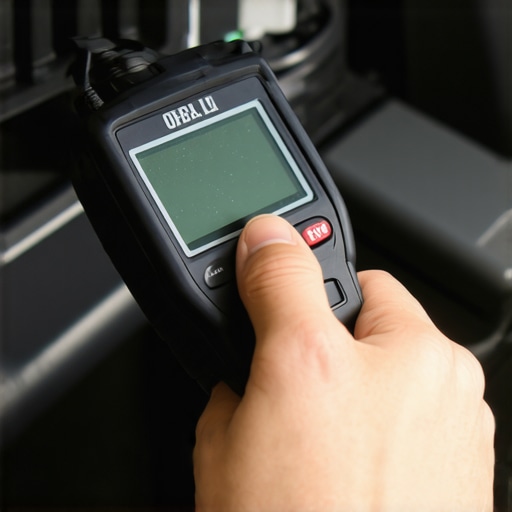
If your manual inspection doesn’t clarify the issue, employ an OBD-II scanner. Think of it as a doctor’s stethoscope for your car—it reads trouble codes that pinpoint problems. When I used one for the first time, it provided exact fault codes, allowing me to address specific issues like a faulty oxygen sensor.
Implement Corrective Actions
Based on the diagnosis, decide on repairs or maintenance. Minor issues like replacing a worn belt can be a DIY project, but complex problems may require professional help. Remember, routine checks and scheduled maintenance, as outlined in this comprehensive guide, can prevent many warning lights from appearing.
Monitor and Prevent Future Issues
After fixing or addressing the warning, clear the code if needed and observe if the light reappears. Regularly scheduled tune-ups and diagnostics can spot potential issues early, much like preventive health checkups—keeping your car running smoothly long-term. For ways to improve your vehicle’s performance through scheduled maintenance, explore this guideline.
 Many car owners believe that regular maintenance is straightforward and that following basic schedules guarantees vehicle longevity. However, this oversimplification can lead to costly mistakes and overlooked nuances. One common misconception is that all mechanics are the same, but in reality, expertise varies significantly, affecting the quality of repairs and advice you receive. For instance, some shops may prioritize quick fixes over thorough diagnostics, which can mask underlying issues that worsen over time.
Are your maintenance habits actually preventing problems, or just delaying inevitable repairs?
Research indicates that many drivers neglect nuanced maintenance needs, like checking for vacuum leaks or understanding the importance of correct fluid types, which can drastically impact vehicle performance. Expert sources highlight that a comprehensive, individualized approach to servicing ensures safety and efficiency, rather than relying solely on generic schedules. For example, a common trap is assuming that braking system maintenance only involves replacing pads; in fact, neglecting fluid changes or rotor inspections can lead to uneven wear and pedal issues. Therefore, understanding such details helps prevent unexpected breakdowns. When considering brake services, many overlook the significance of a complete system check, including callipers and brake lines. You can explore detailed guidance on this comprehensive brake repair guide to avoid falling into these pitfalls. Additionally, many believe tuning up only involves spark plugs and air filters, but expert insights suggest that advanced diagnostics, like cylinder compression tests or fuel system inspections, are critical for maintaining peak engine performance. Regularly scheduled tune-ups can improve fuel efficiency and extend engine life; learn more through this in-depth article. Another sneaky mistake is assuming that auto repair shops operate transparently. Unfortunately, some shops might recommend unnecessary replacements to increase profit, a tactic known as up-selling. To safeguard yourself, always ask for detailed explanations and diagnostic reports. Consult trusted resources and get second opinions if unsure. Remember, proactive and informed maintenance not only improves safety but also saves money over time. Have you ever fallen into this trap? Let me know in the comments.
Keeping It Working: Tools I Recommend for Auto Maintenance
Maintaining your car isn’t just about knowing what to do; it’s also about having the right tools at hand. Over the years, I’ve tested and refined a toolkit that not only speeds up repairs but also ensures precision. I personally swear by a high-quality OBD-II scanner like the BlueDriver because it offers detailed diagnostic codes directly on my phone, making troubleshooting much faster and more accurate. Investing in a reliable scanner means you can catch issues early, reducing long-term costs and preventing breakdowns.
Alongside diagnostic devices, I recommend a digital multimeter—specifically, the Fluke 117. It’s essential for testing sensors, checking voltages, or troubleshooting electrical problems that often sneak up on neglected systems. I use mine regularly when evaluating battery health or diagnosing complex engine issues, which can save you trips to the mechanic and give you better insights into your vehicle’s health.
For fluid checks and top-ups, a set of clear, durable funnels is invaluable. I prefer a set with integrated strainers and measurement marks. It might sound simple, but accurate fluid maintenance—like using the right coolant or transmission fluid—can extend your car’s life significantly. For example, a comprehensive brake system repair guide emphasizes the importance of quality fluids and proper flushing routines.
Don’t overlook specialized socket sets. I personally use a GearWrench set with metric and imperial sizes because it covers most bolts and nuts found in modern vehicles. Having the right socket makes procedures, be it changing spark plugs or brake pads, much smoother and less frustrating. These tools help prevent stripped bolts and damaged components, ensuring lasting repairs.
For ongoing maintenance, I rely on software like Car Scanner or OBDeleven apps that sync with my diagnostic tools. These programs allow me to monitor real-time data, reset service lights, and get proactive alerts for potential issues. As auto technology advances, integrating software with hardware tools is becoming essential for any DIY enthusiast or professional mechanic aiming for precision.
Looking ahead, I predict that the future of car maintenance tools will lean heavily into AI-powered diagnostics and wireless sensors. Imagine a system that continuously monitors all vital components and alerts you before any warning lights even activate. Right now, tools like my OBD-II scanner combined with diagnostic apps are a step in that direction, and I recommend starting with these to keep your vehicle in top shape. You can read more about auto repair trends heading into 2025.
Ever Wonder How to Keep Your Car in Top Shape Over Time? Try Regular Software Diagnostics
Implementing weekly checks with diagnostic apps like Car Scanner can catch issues early—saving you money and stress down the line. I challenge you to connect your OBD-II scanner with your smartphone today and see firsthand how small tweaks can boost your car’s longevity. Remember, the right tools combined with consistent care make all the difference—so equip yourself, stay proactive, and enjoy the ride!
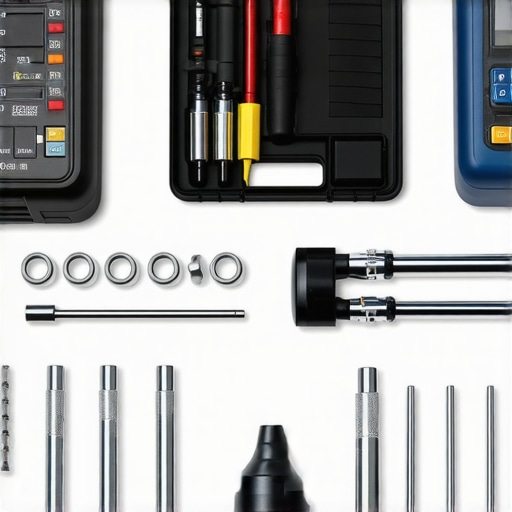
Suggested Image Prompt: A mechanic’s toolkit arranged with a high-quality OBD-II scanner, digital multimeter, socket set, and funnel, highlighting essential maintenance tools for vehicle care.
Alt Text: Automotive repair tools including diagnostic scanner, multimeter, socket set, and fluids for vehicle maintenance.
Title: Essential Tools for Vehicle Maintenance and Troubleshooting
,
Lessons that Truly Changed My Approach to Car Care
One of the most valuable insights I gained was realizing that not all warning lights are emergencies. Recognizing the differences between cautionary signals and urgent alerts has saved me countless trips to the mechanic and prevented minor issues from escalating. I learned to trust my manual and diagnostics tools, which empowered me to handle many problems myself, boosting my confidence and saving money.
Secondly, I discovered the importance of consistent maintenance routines. Regularly checking fluid levels and performing diagnostics, even when no warning lights are on, can reveal subtle issues before they become costly repairs. This proactive stance transformed my approach from reactive to preventive care, extending my vehicle’s lifespan.
Lastly, I realized that understanding the story your car tells through warning lights fosters a deeper connection and respect for your vehicle. It’s like learning a new language—once fluent, you can communicate with your car more effectively, ensuring safety and reliability on every journey.
My Must-Have Gear for Keeping Your Car in Prime Condition
Over the years, I’ve curated a toolkit that makes auto maintenance approachable and effective. A top recommendation is a reliable OBD-II scanner like the BlueDriver. It provides detailed fault codes directly to your smartphone, eliminating guesswork and helping you diagnose issues early. Paired with a quality Fluke 117 multimeter, I can evaluate electrical systems safely and accurately.
Don’t underestimate the power of a sturdy set of socket wrenches from GearWrench. They make tasks like replacing brake pads or spark plugs much easier. I also keep a set of measuring funnels for fluid top-ups; precision in fluid levels can prevent unnecessary wear and tear. For ongoing diagnostics, apps like Car Scanner or OBDeleven keep me informed about my vehicle’s health in real-time. Having the right tools transforms auto care from a chore into a manageable, even enjoyable, routine.
Keep Moving Forward with Confidence
Your journey to mastering your vehicle’s warning signals and maintenance tools is just beginning. Embrace the learning curve, equip yourself with trusted gear, and stay curious about what your car is telling you. With a proactive mindset, you can enjoy safer drives, reduce repair costs, and develop a genuine bond with your vehicle. Remember, each small step you take now pays off in long-term reliability and peace of mind. How will you apply these insights to your next maintenance session? Share your plans below, and let’s keep the conversation going!