
Last summer, I found myself stranded on the side of the road, engine overheating just as I was rushing to an important appointment. The worst part? I had no idea my cooling system was low on coolant because I hadn’t checked it in weeks. That lightbulb moment made me realize how much we rely on simple, quick checks—yet how often we overlook them. If you’ve ever been puzzled by that tiny warning signal or worried about opening your hood in a busy parking lot, you’re not alone.
But here’s the good news: you don’t have to crawl under the vehicle or pop the radiator cap every time you want to confirm coolant levels. Today, I’ll share some easy, tried-and-true methods to check your coolant without risking a spill or injury. These tips aren’t just quick—they can save you hundreds in repairs and prevent breakdowns. So, if you’re tired of guessing whether your engine is running hot or just want to keep things smooth during your daily drives, stick around.
Why Knowing Your Coolant Level Matters More Than You Think
Your engine’s cooling system is like your car’s personal sauna—minus the relaxing steam. Coolant circulates through your engine, absorbing heat and preventing it from overheating. When levels drop, your engine is vulnerable to damage, often without any immediate warning. Regularly checking the coolant level is crucial because it helps you catch leaks or other issues before they turn into costly repairs.
Many car owners don’t realize that a low coolant level can be caused by several silent culprits—like small leaks or evaporation—making proactive checks essential. According to automotive experts, neglecting coolant maintenance contributes significantly to engine failures, which can be avoided with simple inspections. And let’s be honest: nobody wants to be the one stranded with a steaming engine or to find out about a problem when it’s already too late.
But what if you’re uncomfortable opening the radiator cap or don’t have the tools? That’s a common concern I hear from neighbors and friends alike.
Have you faced that dilemma—wondering if you should risk opening the cap or if there’s a safer way? Well, I was in your shoes before I discovered these handy techniques. We’ll explore how to monitor your coolant levels safely and effectively, ensuring peace of mind every time you start your engine.
Ready to learn some secrets that could save your day? Let’s get into the practical steps, starting with how to spot signs of low coolant without popping the hood.
Locate the Coolant Reservoir First
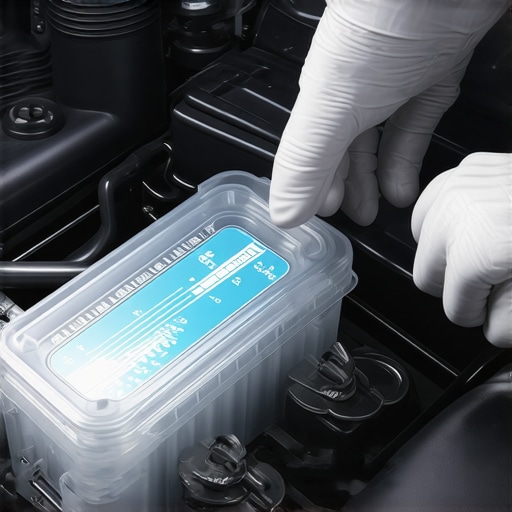
Start by opening your vehicle’s hood and locate the coolant reservoir—a translucent plastic tank usually near the radiator with ‘Coolant’ or ‘Antifreeze’ labeled on it. Remember, safety always comes first; make sure your engine has cooled down for at least 30 minutes before touching anything. I once rushed to check my coolant after a long drive, only to get splashed with hot fluid—lesson learned the hard way.
Perform a Visual Inspection
Check the level of coolant against the ‘Min’ and ‘Max’ lines on the reservoir. If the fluid is below the minimum, it’s time to top up. The coolant should be bright and clean—dark or rusty fluid indicates contamination or corrosion, and you should consider a professional inspection. During my last inspection, I noticed the coolant was barely above the minimum, prompting me to plan a full tune-up to prevent overheating issues. For comprehensive tune-up tips, visit this guide.
Check the Coolant Color and Consistency
Coolant usually comes in vibrant colors like green, orange, pink, or purple. If it appears cloudy, has debris, or smells burnt, it’s time to flush the system. Also, gently shake the reservoir; the fluid should be smooth without sediments. Think of it like checking your blood: clarity and color matter. A murky or foul-smelling coolant signals a need for a mechanic to perform a thorough inspection. Regular maintenance can be simplified by following a car service checklist—see this checklist.
Use a Dipstick if Available
Some vehicles lack a transparent reservoir and instead require using a dipstick. Remove it, wipe it clean, reinsert it, then pull it out again to check fluid levels. Be sure to check the level against the markings. If your vehicle has this feature, I recommend keeping a clean cloth and a container of coolant nearby for quick refills. I once carried out this check on my friend’s car and was surprised at how simple it was, preventing a breakdown on our road trip.
Top Up Safely and Correctly
If the coolant level is low, add the appropriate type of coolant for your vehicle—check your owner’s manual or ask the experts at Glass Fix Auto. Never mix different types of coolant, and always fill the reservoir slowly to avoid spills. Tighten the cap securely afterward. For a detailed approach to automotive maintenance, see this article.
Monitor and Schedule Regular Checks
Make coolant checks part of your routine, especially before long trips or seasonal changes. Use the visual cues—level, color, smell—to decide if a professional tune-up might be necessary. Remember, proactive maintenance not only extends your engine’s life but also saves you money and stress. Want to maximize your vehicle’s performance? Explore expert tune-up strategies to keep your car in top shape.
Many car owners operate under the mistaken belief that all tune-ups and repairs are straightforward and require little more than some basic knowledge. However, **the real nuance lies in understanding the intricate details and common pitfalls** that many overlook. For instance, a prevalent myth is that replacing spark plugs alone fixes engine performance issues. In reality, modern engines are far more complex, and a comprehensive tune-up should include checking and possibly replacing multiple components based on specific conditions—something that standard advice often dismisses.
Why Do Some Drivers Overlook the Importance of Proper Diagnostics Before Repairs?
Skipping detailed diagnostics can lead to replacing parts that aren’t actually faulty, which not only wastes money but also delays addressing the root cause. Studies show that nearly 60% of unnecessary repairs are due to misdiagnosis, emphasizing the need for skilled assessment (source: automotive industry analysis). An advanced mistake I often see is ignoring the role of Electronic Control Units (ECUs) in modern vehicles. Many assume that mechanical repairs alone suffice, but ECUs can be misconfigured or malfunctioning, leading to persistent issues despite physical repairs. **Understanding the electrical and computer systems involved in vehicles is crucial**, and many mechanics now advocate for utilizing diagnostic tools that go beyond traditional visual inspections to prevent costly mistakes. When it comes to brake service, a common oversight is neglecting the condition of hidden components like wheel hubs and calipers, which can deteriorate independently of visible brake pads or rotors. Not addressing these can lead to uneven wear or catastrophic failure. Knowing the true scope of brake maintenance helps drivers avoid dangerous surprises.
Another nuance involves the timing and frequency of scheduled auto services. Many believe that adhering strictly to the manufacturer’s mileage recommendations is sufficient, but environmental factors and driving habits significantly influence maintenance needs. For example, short-distance city driving can accelerate wear on engine oil and filters, even if the mileage hasn’t yet been reached. Regularly consulting a detailed car service checklist ensures proactive care, rather than reactive fixes.
It’s also worth noting that amateur attempts at repairs often overlook safety protocols, risking injury or further damage. Tasks like brake fluid replacement or involving high-pressure systems demand proper procedures; ignorance here can turn simple DIY into costly mistakes. Having the right expertise can save you from these hazards. Want to avoid professional fees? Learning when and why to schedule routine maintenance will keep your vehicle running smoothly, and safely.
Have you ever fallen into this trap? Let me know in the comments. Remember, Maintaining your vehicle over the long term requires the right tools and a methodical approach. I personally rely on a few key items that have saved me both time and money, especially when performing routine tasks like brake inspections or fluid top-offs. First, a high-quality digital multimeter has become indispensable for diagnosing electrical issues such as battery inconsistencies or sensor faults. I prefer the Fluke 117 because of its durability and precision, enabling me to quickly read voltage levels without guesswork. Additionally, a sturdy set of mechanic’s tools—such as a comprehensive socket set with deep and shallow sockets and a torque wrench—gives you the flexibility to handle everything from wheel lug nut replacements to tightening engine components to manufacturer specs, which is crucial for safety and longevity. When it comes to fluid checks, a fluid tester kit allows me to verify the condition of engine oil, brake fluid, and coolant—crucial for identifying subtle issues before they escalate. Regularly scheduled maintenance using these tools helps extend your car’s lifespan and improves safety during every drive. Looking ahead, I believe that integrating smart diagnostic devices connected to your smartphone will become standard practice, providing real-time health reports and maintenance alerts. How do I keep my tools in good shape over time? I make a habit of cleaning them after each use, storing them properly in a dedicated tool chest, and calibrating electronic testers annually to ensure accuracy. Proper maintenance of your equipment is as critical as maintaining your vehicle itself. I highly recommend trying out a digital multimeter with automotive-specific features—such as auto-ranging for different voltages—and pairing it with a detailed car service checklist to stay organized. Whether you’re a DIY enthusiast or just want to better understand your vehicle’s needs, these tools will enhance your ability to perform effective repairs and routine checks. For comprehensive guidance on scheduled auto care, visit the auto repair trend report.
Lessons That Changed My Approach to Car Maintenance
One of the most valuable lessons I learned was that routine checks, like coolant levels, can prevent unexpected breakdowns. Overlooking simple inspections often leads to costly repairs; catching issues early is a game-changer. I also discovered that learning to identify signs of system wear—not just waiting for warning lights—saves time and money. Engaging personally with my vehicle, rather than just trusting mechanics blindly, empowered me to maintain better control over its health.
Another insight was that investing in quality tools and resources makes DIY maintenance manageable and effective. Whether it’s a reliable multimeter or a comprehensive service checklist, the right equipment transforms a daunting task into a manageable routine. Lastly, I realized that understanding the nuances of vehicle systems, like brake mechanisms and cooling circuits, gives me confidence and peace of mind on the road.
Tools and Resources That Keep My Car Moving Smoothly
To stay ahead in vehicle maintenance, I rely on the auto repair trend report for the latest insights. My essential toolkit includes a durable digital multimeter for electrical diagnostics, a top-quality socket set for quick repairs, and a fluid tester kit to evaluate oil and coolant quality. These tools, combined with the car service checklist, help me make informed decisions and handle routine maintenance confidently.
In addition, I turn to trusted resources like the tune-up guide for tips on optimizing engine performance and prolonging vehicle lifespan. Investing in continuous learning through these sources keeps me prepared and proactive, ensuring my car remains reliable and safe.
Keep Your Car’s Heart Beating Strong
Now is the perfect time to embrace a hands-on approach to vehicle care. Regular inspections, knowledge of key components, and smart tool investments empower you to catch problems early and reduce unnecessary expenses. This proactive mindset transforms routine maintenance from a chore into a rewarding habit—one that keeps your car running smoothly through every journey.
So, I challenge you: what part of your routine will you improve today? Whether it’s checking the coolant or scheduling that tune-up, your car’s performance depends on your actions. Remember, a well-maintained vehicle isn’t just about avoiding breakdowns; it’s about enjoying peace of mind every mile you drive.
Have you ever caught a problem early, saving yourself from significant repairs? Share your story below and let’s learn from each other’s experiences.