
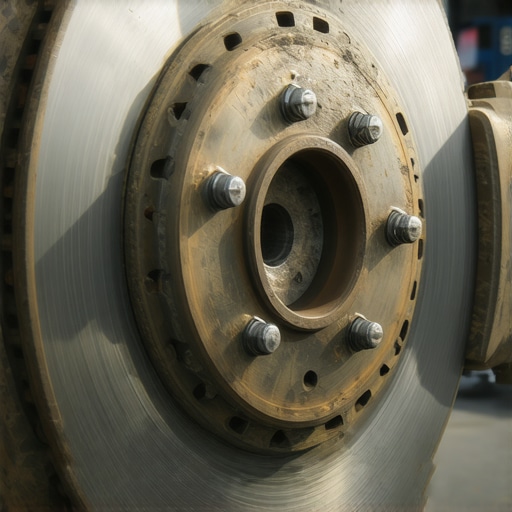
I’ll never forget the moment I heard that squealing noise from my car’s brakes during a busy morning rush—sounds are usually easy to ignore, right? But that day, I knew something was off. When I finally inspected my brake system, I realized the rotors were badly warped, and I was faced with a tough decision: resurface them, or just replace them entirely. That lightbulb moment made me dig deep into the often-misunderstood world of brake rotors, and I want to share what I’ve learned with you.
Why This Matters More Than You Think
Brake rotors are the silent heroes of your stopping power. They’re sturdy, flat metal discs that work tirelessly every time you hit the brake pedal. But like any component exposed to heat, friction, and regular wear and tear, they don’t last forever. Misjudging whether to resurface or scrap them can mean the difference between safe, effective braking and costly repairs—or worse, dangerous driving situations.
Many car owners overlook their rotors until a problem arises. That’s a mistake I made early on—I once convinced myself that a quick resurfacing would save money, only to find that I needed new rotors a few weeks later. That cost me more in the long run and left me stranded on the side of the road. So, I’ve made it my mission to help you avoid that pitfall.
Today, we’ll explore the telltale signs that your rotors can be resurfaced safely, and when it’s truly best to replace them. Whether you’re a seasoned DIYer or just want to understand your car better, this guide will arm you with the knowledge to make smart decisions. And if you’ve ever faced uncertainty about your brake system, you’re not alone—many drivers struggle with understanding when a rotor is still salvageable. The good news is, knowing what to look for can save you hundreds and keep you safe on the road.
Is Resurfacing Your Brake Rotors Really Worth It?
In my early days, I believed that resurfacing was always the economical choice. Turns out, I was oversimplifying. Resurfacing involves grinding down the rotor surface to eliminate warps and uneven wear. It’s a quick fix—if done correctly and at the right time. But if the rotors have too much damage, the process can thin the metal beyond safe limits. According to automotive expert insights, resurfacing should only be considered when the rotors are not excessively worn or damaged, ensuring they can still effectively dissipate heat and provide proper braking performance. Learn more about brake service myths here.
One mistake I made early on was reusing rotors that had deep grooves or cracks—things I ignored because I thought it was just minor surface wear. That’s a dangerous approach. Recognizing the difference between minor resurfacing opportunities and a rotor that’s past its prime is crucial. Ready to dive into how to tell when your rotors are still good, and when it’s time for a replacement? Let’s get into it.
Inspect the Rotors Thoroughly
Start by removing the wheel and visually examining the rotors. Look for deep grooves, cracks, or significant warping. I once neglected deep scratches on my rotor—assuming they were minor—a mistake that led to uneven braking. Use a straight edge or a dial indicator to check for warping; if the rotor wobbles more than 0.002 inches, resurfacing may be insufficient, and replacement might be necessary.
Measure Rotor Thickness
Use a micrometer to measure the rotor’s thickness at multiple points. Compare these measurements to the manufacturer’s minimum thickness specifications, which you can find in your vehicle’s repair manual or by contacting a professional via our contact page. If the rotor is thinner than the recommended limit, replacement is the safest choice—resurfacing would thin it further, risking failure.
Decide Between Resurfacing and Replacement
If the rotor has minor warping or surface irregularities but is within thickness limits, resurfacing can restore a smooth surface. Think of it as sanding a wooden table—removing bumps and dips to regain flatness. Many DIY enthusiasts have successfully resurfaced rotors using a brake lathe, but if you lack experience, a professional shop ensures precision and safety. I once attempted to resurface a rotor myself, which resulted in an uneven surface due to improper handling, so I now prefer trusting experts for this step.
Resurfacing Process Details
Ask your mechanic or machine shop to perform a precision cut, aiming to remove as little material as possible—ideally less than 0.015 inches. Ensure they balance the rotor post-machining to prevent vibrations. Remember, unless the rotor is warped or damaged significantly, resurfacing should be part of a routine brake service, ideally combined with new pads. Proper resurfacing ensures better brake pedal feel and longer pad life.
Replacing Worn or Damaged Rotors
If inspection reveals cracks, deep grooves, or the rotor is below minimum thickness, replacement is unavoidable. Choose high-quality rotors compatible with your vehicle—for example, slotted or drilled rotors for high-performance needs. Take me, for example; I once installed new rotors myself after a complete brake inspection, which improved stopping power and reduced vibrations. For peace of mind, check your vehicle’s overall maintenance regularly to spot problems early.
Final Assembly and Testing
After resurfacing or replacing, reinstall the brake calipers, ensure all bolts are tightened to manufacturer torque specifications, and bleed the brake system to remove air. A quick test drive, gently pressing on the brake pedal, helps confirm proper operation. If you notice pulsation or squealing, revisit the installation—these symptoms may indicate uneven rotor surfaces or improper caliper alignment.
Stay Proactive for Next Time
Establish a routine brake inspection schedule—at least once a year or every 12,000 miles. By doing so, you’ll catch wear early, saving money and keeping your car safe. Remember, if you’re ever uncertain, professionals are ready to assist—don’t hesitate to reach out via our contact page. Regular tune-ups and adhering to manufacturer recommendations are essential to maintaining optimal brake performance—check out these tips for more insights.Many vehicle owners believe they fully understand their car’s maintenance needs, but a closer look reveals several misconceptions that can lead to costly mistakes. For instance, it’s widely assumed that replacing parts at the first sign of wear always saves money, yet sometimes, delaying replacement for minor issues allows you to catch problems early and save on unnecessary repairs. One prevalent myth is that all brake pads or rotors are created equal; in reality, choosing the right type tailored to your driving style and conditions makes a significant difference in performance and longevity. Additionally, numerous drivers overlook the importance of proper tune-ups, thinking they’re only necessary when symptoms appear. Regularly scheduled maintenance, aligned with manufacturer recommendations found in this comprehensive guide, ensures your vehicle operates efficiently and reliably. Interestingly, many believe that DIY repairs are always more cost-effective, but advanced nuances like correctly diagnosing issues and using specialized tools often require professional expertise to prevent further damage. Be cautious of the trap of neglecting subtle signs such as uneven tire wear or a slight engine misfire; these can be early indicators of deeper issues that, if addressed promptly, can save you hundreds in repairs. Have you ever fallen into this trap? Let me know in the comments. For critical maintenance like brake service or engine tune-ups, consulting with experienced technicians can help identify hidden problems before they escalate. Remember, genuine understanding of your car’s intricacies not only prolongs its lifespan but also enhances safety on the road. For ongoing tips on keeping your vehicle in top shape, don’t hesitate to reach out via our contact page. Staying informed about auto repair trends, like those discussed in future industry developments, enables you to make smarter decisions and avoid common pitfalls.
How Do I Keep My Car Running Smoothly Over Time?
Maintaining your vehicle’s performance isn’t just about replacing parts when they’re broken—it’s about adopting a systematic approach that ensures longevity and reliability. I rely heavily on precision tools like a digital bore gauge for measuring rotor thickness accurately, which helps me determine when resurfacing is truly beneficial. I personally prefer using a high-quality brake lathe with variable cutting speeds; this allows me to carefully remove only what’s necessary, preventing unnecessary thinning of the rotors.  car service checklist. Regular tune-ups not only keep your vehicle performing optimally but also extend its lifespan significantly. For example, replacing spark plugs, air filters, and fluids at recommended intervals improves fuel efficiency and reduces wear on major components. I’ve personally seen vehicles go beyond 200,000 miles with diligent adherence to these practices.
What about Scaling Up Repairs for Multiple Vehicles?
Scaling your repair operation involves streamlining your workflow with automation tools like inventory management software that tracks parts usage and service histories. In my shop, I use a dedicated repair management platform that helps schedule maintenance and predict when certain components will need replacement, thus preventing emergency breakdowns. This foresight is essential for fleet management or small garages looking to expand. As industry experts predict, digital integration will dominate auto repair shops soon, leading to faster service times and higher customer satisfaction. Remember, investing in quality diagnostic tools and adhering to a preventive maintenance philosophy are critical to long-term success.
If you’re serious about keeping your vehicle and repair business in top shape, don’t hesitate to reach out via our contact page for tailored advice on tools and strategies. For additional insights on how regular tune-ups can improve your vehicle’s performance, explore this article. Start implementing these techniques today, like using a precision brake lathe for resurfacing, to see immediate benefits in safety, efficiency, and cost savings. Remember, mastering the right tools and routines is your best bet for long-term auto care success.
Lessons Only Experienced Car Enthusiasts Know
- One of my biggest lightbulb moments came when I realized that not all warps are created equal; some surface irregularities are safe to resurface, while others spell trouble. This taught me to look beyond the surface and truly inspect the rotor’s integrity before making decisions.
- Understanding the limits of resurfacing saved me from costly repairs. I learned that thinning rotors beyond a certain point compromise safety—my own experience turned that lesson into a cornerstone of my maintenance approach.
- Patience is key. Rushing into rotor replacements instead of considering resurfacing when appropriate ensures better safety and longevity. It’s a principle I apply not just with brakes but across all aspects of vehicle care.
Tools and Resources That Make a Difference
- The precision torque wrench from this guide changed how I tighten bolts—ensuring safety with the correct torque every time.
- Investing in a quality dial indicator for measuring warping helped me avoid guesswork. It’s a small tool that adds big confidence when diagnosing brake issues.
- Reliable diagnostic software from industry leaders keeps me proactive, catching potential problems before they escalate into emergencies.
Keep the Drive Exciting and Safe
Your vehicle’s safety is a personal journey—one that rewards attention, patience, and a willingness to learn. Embrace the challenge of mastering brake maintenance, knowing each successful repair boosts your confidence and keeps you secure on the road. Regularly checking your rotor condition, understanding when resurfacing is viable, and when replacement is unavoidable will ensure you’re always a step ahead. Remember, no question is too small—reach out through our contact page if you need expert guidance. The road ahead is yours to conquer—drive with knowledge and peace of mind. Have you ever faced a tricky decision about resurfacing or replacing brake rotors? Share your experience below.