
I remember the exact moment I realized my shocks might be leaking—driving down a bumpy road when my car suddenly felt like it was pogo-sticking on every little crack. That jarring sensation was a real wake-up call. Like many car owners, I used to think that spotting leaking shocks meant crawling underneath with a flashlight, which isn’t exactly convenient or safe. The lightbulb went off when I discovered there are simple, no-lift methods to identify these sneaky leaks. Today, I’ll share my personal tips to help you tell if your shocks are leaking without getting under the car, because honestly, who has time for that right now?
Why Checking Your Shocks Without a Lift Could Save You Money and Safety
Suspension issues can sneak up on you, slowly degrading your driving experience and even compromising safety. The problem is, shocks don’t always show obvious signs at first glance. If you wait until you feel a bumpy ride or notice uneven tire wear, damage might have already done. Early detection is key. Interestingly, according to automotive experts, a leaking shock absorber can reduce vehicle stability and handling, especially during sharp turns or sudden stops. The good news? You don’t need to be a mechanic or have a lift to spot the signs.
In my early days of car maintenance, I made the mistake of ignoring the subtle rattles and bouncing, only to find out later that those were warning signs I could have caught early. That cost me extra in repairs and a little faith in my DIY skills. Don’t make that mistake. Instead, use your senses—visual clues and handling cues—to catch problems early. If you’ve ever faced the unsettling feeling of your car skimming over rough pavement or felt the steering becoming uneven, you’ll understand how essential it is to pay attention. Want to avoid costly repairs or dangerous driving situations? Keep reading, because I’ll show you practical, proven ways to spot shocks that are leaking—no car lift needed.
Is It Really Possible to Detect Leaking Shocks Without Climbing Under the Car?
Absolutely. I learned early on that a little bit of knowledge and a keen eye can go a long way. For example, one of my favorite tricks involves checking for oily spots on your tires or suspension components—an unmistakable sign of shock fluid leaks. Plus, sensations like excessive bouncing or sway during turns can hint at compromised shocks. I also discovered that using simple tools like a flashlight and a mirror, I could inspect parts of the suspension from the sides of my vehicle without risking my safety.
But beware—many newbies fall for common misconceptions, like assuming noise alone indicates a leak. In reality, shocks can be leaking without any noise at all. That’s why it’s crucial to learn what visual and physical signs to look for. If you’re doubtful, I recommend checking out trusted automotive resources, such as this guide on troubleshooting suspension issues, which offers detailed insights into diagnosing problems without the need for a lift. Click here to explore more tips on DIY auto troubleshooting.
Now that you’re primed with the importance of early detection and the confidence that you can do it yourself, let’s move into the specific steps to identify leaking shocks. Remember, catching these issues early keeps your vehicle riding smooth and your wallet healthy.
Inspect Tire and Suspension Components for Oil Residue
Begin by visually examining your tires and the surrounding suspension parts for oily spots or grime buildup. I remember when I first tried this; I noticed a thin, dark smear on the sidewall of my front tire after a long drive. Using a flashlight and a mirror, I looked along the shock body—if you spot any oily patches, that’s a strong indicator of a leak. These leaks occur because shock fluid escapes, leaving behind oily residue, much like oil seeping from a cracked pan.
Utilize a Flashlight and Mirror Effectively
Position a flashlight from the side of your car to illuminate the suspension components. A small mirror can help you see areas that are otherwise hard to view, like behind the wheels or under the fender. During my own inspection, I held a mirror beneath the shock absorber and shined light upwards, revealing a faint sheen of oil that was barely noticeable to the naked eye. This simple setup helps detect leaks early before they worsen.
Test Your Vehicle’s Handling and Ride Quality
Drive gently over a smooth, flat surface initially. Pay attention to excessive bouncing, swaying, or the car feeling less stable—like a boat pitching in rough water. I once noticed after a pothole bump that my steering felt loose, and the ride was bumpier than usual. These physical cues can signal shock failure due to leaks. To narrow down if shocks are the cause, compare how your vehicle handles rough patches versus smooth roads. Leaking shocks can’t dampen movement properly, leading to a bouncy ride similar to riding on a trampoline.
Perform a Bounce Test at the Vehicle’s Corner
Press down firmly on each corner of your car, then release and observe how it reacts. If the vehicle bounces multiple times, your shocks might be leaking or worn out. I recall doing this test in my driveway, noticing that my front-left corner kept bouncing for an unusually long time—clear evidence that it needed replacement. This quick test doesn’t require jacking up your vehicle and provides immediate insight into shock health.
Listen for Unusual Noises During Drive
While driving, listen closely for knocking or clunking sounds, especially over bumps. Though not all leaks cause noise, a leaking shock can produce a knocking sound when the internal components shift or become loose. In my case, a faint metallic clunk every time I hit a pothole prompted me to inspect more closely, leading to the discovery of oil leaks on the shock body. These auditory cues are subtle but valuable hints pointing to suspension issues.
Check for Excessive Body Roll or Instability
If your vehicle leans heavily during turns or feels unsteady at higher speeds, it might be due to compromised shocks from leaks. I once experienced my car drifting more than usual during freeway turns, which reminded me to perform a quick handling check. This is especially noticeable during emergency maneuvers, where proper shock function is crucial for maintaining control.
Leverage Your Senses and Common Tools for Easy Inspection
Combining visual inspection, handling tests, and listening techniques allows you to diagnose shocks without risking safety or needing specialized equipment. Remember, early signs like oil residue, poor handling, and unusual noises are your allies. To keep your vehicle in optimum shape, regular quick checks like these are invaluable and often prevent costly repairs later. If you’re unsure, consulting comprehensive resources, such as this troubleshooting guide, can help you interpret your findings more accurately.When it comes to vehicle maintenance, many car owners operate under misconceptions that can lead to costly mistakes. One widespread myth is that a simple engine tune-up is just about replacing spark plugs and filters; in reality, a comprehensive tune-up involves diagnosing underlying issues such as sensor performance and fuel system health, which directly impact efficiency and longevity. According to automotive expert John Davis, neglecting these nuanced aspects can cause minor problems to escalate unexpectedly, highlighting the importance of understanding what a true tune-up entails.
Why do many drivers oversimplify brake service and miss critical issues?
Many assume that brake squeal or pedal softness are solely due to worn pads, but neglect the hidden complexities like caliper corrosion or master cylinder wear. For instance, a soft brake pedal might seem trivial, yet it could indicate a master cylinder leak—an issue that, if overlooked, can compromise safety. External sources, including authoritative brake system guides, emphasize that partial diagnoses often lead to repeated repairs, increasing costs over time. To avoid falling into this trap, it’s essential to recognize that comprehensive brake assessments involve inspecting hydraulic fluid quality, lines, and caliper function, not just pad thickness. You can learn more about common brake repair pitfalls in this detailed article.
Advanced auto repair questions: When should you perform preventive repairs versus reactive fixes?
Many car owners wonder when to go beyond immediate repairs and invest in preventive maintenance. The answer lies in understanding the signs of early wear—like minor fluid leaks or slight vibrations—and knowing that proactive service can prevent breakdowns. Studies led by industry researchers reveal that preventive strategies extend vehicle lifespan and reduce long-term costs, especially when performed according to manufacturer recommendations. Adopting routine checks for components such as belts, filters, and fluid levels, in conjunction with expert advice, positions you ahead of potential failures. For a detailed overview of when to schedule specific services, refer to our comprehensive car service checklist. Remember, recognizing the hidden nuances in auto repair not only saves money but also enhances safety and vehicle performance. Have you ever fallen into this trap? Let me know in the comments.Maintaining your vehicle’s performance over the long haul requires more than just basic care; it demands the right tools and disciplined methods. Personally, I swear by a high-quality automotive scan tool like the Autel MaxiScan MS300, because it allows me to quickly read and clear diagnostic trouble codes without visiting a mechanic. Investing in such a device has saved me countless trips to the shop and helped me catch issues early, especially sensor glitches or minor emissions problems. Additionally, a reliable multimeter with true RMS measurement capability enables me to troubleshoot electrical issues, like battery or alternator faults, with precision. I always keep a set of quality microfiber cloths and brake cleaner handy for quick visual inspections and surface cleaning, which are crucial before diagnosing problems like reduced braking efficiency. These tools aren’t just gadgets—they are your first line of defense against minor issues turning into costly repairs, and they foster a proactive maintenance mindset.
How do I maintain auto repair tools to ensure accuracy over time?
Regular calibration and proper storage are key. For example, I ensure my multimeter is calibrated annually and store my diagnostic scanner in a dust-free case. Staying ahead of vehicle trends is equally important; tools like Bluetooth-enabled OBD-II adapters, which connect your phone to your car’s diagnostics app, are becoming indispensable. They democratize diagnostics, allowing even beginners to monitor critical systems and plan preventative maintenance. As the automotive industry accelerates towards electric and hybrid vehicles, having adaptable diagnostic tools will be crucial to keeping your vehicle running smoothly in the future.<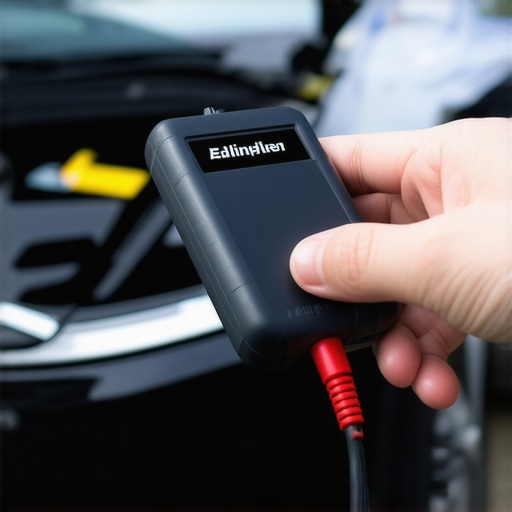 >
>
The Hardest Lesson I Learned About Shock Inspection
Initially, I believed that only professional mechanics with lifts could accurately diagnose shock leaks, leading me to overlook simple visual cues. The realization that a careful visual check from the sides, combined with handling tests, could save me money and time was a game-changer. This lesson taught me to trust my observations and not dismiss the value of basic tools like flashlights and mirrors, which made early detection accessible to any car owner.
Crucial Resources That Elevated My Auto Care Skills
- Auto Repair Guides: Publications like Troubleshooting Auto Issues expanded my understanding beyond surface checks and empowered me to interpret subtle signs properly.
- Diagnostic Tools: Devices such as the Autel MaxiScan MS300 helped me confirm suspicions quickly, turning guesswork into certainty. Their reliability reinforced my confidence in DIY diagnostics.
- Community Forums: Engaging with automotive communities provided real-world insights and shared experiences that proved invaluable when tackling complex problems or confirming my findings.
Embrace the Journey: Small Checks Make a Big Difference
Taking a proactive stance on shock health and suspension integrity is not just about immediate safety but also about cultivating a lifelong habit of caring for your vehicle. Every visual inspection or handling test performed regularly is an act of empowerment, enabling you to catch issues early and avoid costly repairs. Remember, your vehicle’s stability affects your safety and driving enjoyment—so make these quick checks part of your routine. Do you have a favorite tool or tip for auto inspections? Share your insights below—your experience might help someone else get back on the road safely and confidently.