

I’ll never forget that tense Saturday morning when I was running late for a family brunch. As I backed out of my driveway, I felt a strange wobble in the steering wheel. Suddenly, the car jerked, and I heard a unsettling clicking sound. My heart sank—what if I was stranded miles from home because of a failing CV axle? That moment taught me a vital lesson: recognizing the warning signs early can save you from a roadside disaster.
Why Detecting a Bad CV Axle Matters More Than You Think
Your CV (constant velocity) axle does the heavy lifting when it comes to transferring power from the transmission to your wheels while allowing for steering and suspension movement. If it fails, it can leave you stranded—sometimes in a dangerous spot. According to automotive experts, a worn or damaged CV axle is one of the most common causes of unexpected breakdowns during daily drives.
Are You Falling for the Fix-it-Now or Fix-it-Later Trap?
Early on, I ignored the slight clicking sounds during cold starts, thinking it was just a minor annoyance. I didn’t realize that those tiny noises were early warnings of a failing CV joint. I had made that mistake—assuming small issues would fix themselves. But neglecting these signs can lead to complete axle failure, which is far more expensive and inconvenient. Recognizing the signs early is essential, and I’ll guide you through how to do just that.
Is Worrying About Your CV Axle Overblown?
Some folks dismiss the signs as normal wear and tear, but in reality, catching problems early can prevent a roadside emergency. Did you know that a damaged CV joint can cause vibrations, clicking noises, or even grease splatters under the car? These are telltale signs that deserve attention—don’t ignore them. To prevent being caught off guard, knowing what to look for is your best defense.
If you’ve ever faced sudden steering jerks or strange noises while turning, you’re not alone. Many drivers overlook these signs, risking a breakdown. The good news? With a little awareness, you can spot trouble early and save hundreds on emergency repairs. Now, let’s dive into the practical steps to identify a bad CV axle before it sneaks up on you when you least expect it.
What You Need to Know Before Your Next Drive
How to Inspect Your CV Axle Methodically
Start by parking your vehicle on a flat surface and engaging the parking brake. For safety, use wheel chocks on the wheels that remain on the ground. Loosen the lug nuts of the wheel you plan to inspect, then lift the vehicle with a jack and secure it with jack stands. Remove the wheel to access the suspension and axle components. This setup resembles a mechanic’s approach when performing a basic inspection, ensuring stability before proceeding.
Check for Visible Damage and Grease Leaks
Carefully examine the outer CV joint boot, which is a rubber or plastic cover protecting the joint. Look for tears, cracks, or missing sections that could be exposing the joint to dirt and moisture. Splatters of grease around the wheel well indicate a compromised boot. Think of it like checking a seal on a leaky pipe; if it’s compromised, water (or in this case, grease) escapes, signaling trouble. If you notice any damage, it’s time to prioritize repair to prevent further damage.
Listen and Feel for Indicators of Wear
With the wheel off the ground, give the axle a gentle shake side to side and up and down. Excessive movement or clicking sounds during this test suggest a worn CV joint. When turning the axle manually, listen for clicking or popping noises—these are classic signs of a failing joint. I once experienced this during a routine inspection; a tiny clicking noise led me to replace the CV axle before it broke, saving a costly roadside emergency.
Drive and Observe Vibrations
Reinstall the wheel, tighten the lug nuts, and lower the vehicle. Road test your car at different speeds, especially during turns. Feel for vibrations or hear clicking noises, particularly when steering. Vibrations during acceleration or turning indicate a compromised CV joint. This step is akin to a pilot taxiing before takeoff—to verify the system’s health under real-world conditions. Addressing issues early here can safeguard against a sudden breakdown.
Utilize Simple Home Tests for Confirmation
For a quick check, park your car in a safe area, engage the parking brake, and turn on the engine. Turn the steering wheel from lock to lock. If you hear a consistent clicking sound, the CV joint is suspect. This straightforward test echoes a method I used during a weekend DIY inspection, which identified a dying CV joint before I even hit the road. Always combine these checks with a professional assessment for certainty.
Know When to Seek Professional Help
If you observe any of the above signs—visible tears, grease splatter, excessive play, or odd noises—schedule a visit with a trusted auto repair shop like here. A professional technician can perform a more thorough inspection using tools you don’t have, such as a pry bar or magna current tester. Regular evaluations, especially if your vehicle has high mileage, can prevent roadside failures and costly repairs later. Remember, early detection is your best defense against unexpected breakdowns caused by a failing CV axle.
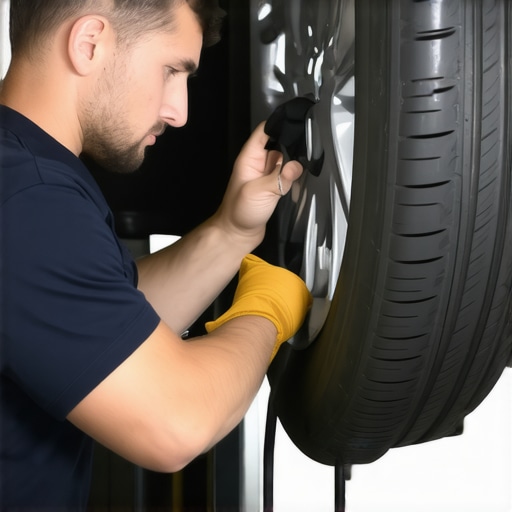
Many vehicle owners approach maintenance tasks like a checklist—change the oil, replace the brake pads, and hope for the best. But beneath these routine practices lie nuanced truths that can significantly impact your car’s performance and longevity. One common myth is that a simple tune-up always involves just replacing spark plugs and air filters. In reality, modern tune-ups are much more comprehensive, often including fuel system cleaning, verifying sensor calibrations, and updating computer software for optimal performance, as highlighted by experts at Glass Fix Auto. Overlooking these aspects can lead to short-lived improvements and hidden inefficiencies.
Why Old-Style Brake Service May Do More Harm Than Good
Many believe that changing brake pads alone is sufficient, but the safety of your braking system hinges on more than that. Routine brake services often emphasize pad replacement, yet the master cylinder, brake fluid, and ABS sensors require attention too. Neglecting brake fluid degradation, which can turn black and corrode internal components, might cause costly repairs down the line. Studies from the Brake Service Experts reveal that contaminated brake fluid can diminish braking performance even before pads wear out.
Long-term Benefits of Proper Car Service Over Quick Fixes
Many owners opt for quick fixes to save time and money, assuming that postponing detailed services won’t cause issues. However, this approach often masks underlying problems, leading to escalating repairs that are more expensive and disruptive. For example, delaying a full radiator flush can cause buildup that impairs cooling efficiency, ultimately risking engine overheating. The Ultimate Guide to Car Service advocates for scheduled, comprehensive maintenance rather than reactive fixes. Proper planning not only extends your vehicle’s lifespan but also ensures safety on every trip.
Is Regular Auto Repair Maintenance Just About Fixing Things?
Many see auto repair as a reactive process—only addressing issues when something breaks. But deep down, preventive maintenance can unlock hidden advantages. For instance, routine diagnostics can uncover sensor misalignments or software glitches that subtly impair fuel economy and emissions. An article from Auto Repair Trends explains how predictive diagnostics are shaping a new era where maintenance is optimized proactively. By catching problems early, you circumvent costly repairs and improve overall driving experience.
Remember, understanding the intricacies behind standard procedures keeps you ahead of common pitfalls. Have you ever fallen into this trap of oversimplifying or delaying maintenance? Let me know in the comments, and never forget—knowledge is your best tool behind the wheel.
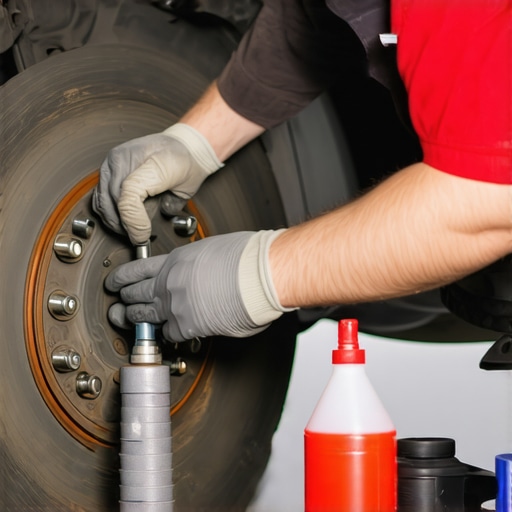
Investing in Reliable Equipment for Auto Maintenance
When it comes to maintaining your vehicle, the right tools can make all the difference. I personally swear by a high-quality digital multimeter like the Fluke 115, which I use to diagnose electrical issues such as battery health and sensor malfunctions. Its accuracy and durability save me time and prevent unnecessary trips to the mechanic. For fluid checks, a professional-grade coolant refractometer helps me quickly determine if the coolant mixture is optimal, ensuring efficient engine cooling and preventing costly overheating. These tools are affordable upgrades that empower you to catch potential problems early, rather than waiting for warning lights—or worse, breakdowns.
The Power of Diagnostic Software
Modern vehicles are equipped with complex electronic systems that communicate through onboard diagnostics. I recommend car-specific scanner apps like OBDLink for smartphones or the BlueDriver professional scan tool. These devices connect via OBD-II ports and provide real-time data, fault codes, and clearance options. I’ve found that regularly running these diagnostics, especially after noticing slight performance dips, helps me identify issues such as misfiring cylinders or sensor failures at an early stage. Staying proactive with diagnostic software actually extends your vehicle’s lifespan by allowing timely interventions before significant damage occurs. For ongoing maintenance, I refer to tools recommended by auto repair trend experts, which predict that integrated diagnostic systems will become even more essential in the future of vehicle care.
Creating a Maintenance Routine You Can Trust
Consistency is key to keeping your car in top shape. I follow a personalized maintenance schedule based on my vehicle’s mileage and driving conditions, using a detailed checklist from this comprehensive guide. Every few months, I perform a thorough visual inspection—checking belts, hoses, and fluid levels—and then supplement this with quick tests such as listening for unusual sounds or feeling for vibrations during a short test drive. Incorporating specialized tools like a cleaning brush kit for your throttle body or a brake fluid tester can drastically improve results. These small but critical steps prevent minor issues from escalating into costly repairs and help maintain optimal safety and efficiency.
Maintaining Critical Components Over Time
Among all maintenance practices, keeping your brake system in perfect condition deserves special attention. Regularly checking the brake fluid’s color and clarity, using tools like a brake fluid test strip, ensures your braking performance isn’t compromised. Remember, contaminated brake fluid can begin to affect stopping power long before brake pads wear out. I also suggest scheduling professional inspections for your shocks and struts every 50,000 miles; these components are vital for ride quality and safety. As brake system specialists advise, proactive maintenance on your brakes can prevent dangerous failures on the road.
Scaling Your Maintenance Efforts for the Future
As your vehicle ages or if you own multiple cars, automation and digital record-keeping tools become invaluable. I use maintenance tracking apps that log each service, alerting me when scheduled tasks are due. Tools like those also help me plan for upcoming repairs based on predictive analytics, a trend I see gaining ground in the industry. The future of car maintenance points toward more integrated systems—vehicle telematics and AI-driven diagnostics will soon help owners like us anticipate issues before they manifest physically. I encourage you to try advanced diagnostics on your next service to experience firsthand how technology is transforming automotive care.
How do I maintain my car’s performance over time?
The best approach involves a combination of quality tools, regular inspections, and staying informed about the latest maintenance techniques. Start by choosing reliable diagnostic gear suited to your vehicle, like a professional OBD-II scanner. Combine this with a disciplined maintenance routine guided by a detailed checklist, and don’t forget to perform specialized tests on critical components such as your brakes and suspension. Remember, preventive care not only extends your car’s life but also keeps you safe on every journey. For an actionable next step, try using a brake fluid tester during your next brake service—it’s an inexpensive way to catch issues before they compromise your safety.
Maintaining a vehicle is an ongoing effort, but with the right tools and knowledge, you can stay ahead of problems. To explore more about how regular upgrades and diagnostics can optimize your car’s longevity, I recommend reading this guide on essential maintenance tips. By investing in quality equipment and adopting a proactive mindset, you’ll keep your vehicle running smoothly for years to come.

3 Hard-Won Insights That Changed How I View Auto Care
- Never dismiss early warning signs like clicking noises or vibrations; they’re often precursors to costly repairs. Recognizing these signs early saved me hundreds and prevented roadside emergencies.
- Relying solely on quick fixes can backfire—comprehensive maintenance routines and proper diagnostics are investments in your vehicle’s longevity and safety.
- Equipping yourself with quality tools, such as a reliable OBD-II scanner or brake fluid tester, transforms your approach from reactive to proactive, empowering you to catch problems before they escalate.
Tools and Resources That Turn You Into Your Car’s Best Advocate
- Bluetooth OBD-II Scanner like BlueDriver: This device provides real-time diagnostics on your smartphone, helping you monitor your vehicle’s health with ease. I trust it because of its accuracy and ease of use, making diagnostics accessible even for beginners.
- Professional Brake Fluid Testing Strips: Simple yet effective, these strips quickly reveal the state of your brake fluid, preventing subtle issues from becoming safety hazards. They’ve saved me costly brake system repairs.
- The Car Service Checklist from Glass Fix Auto: Following a structured schedule ensures thorough maintenance, covering everything from fluid levels to belt checks. Having a reliable plan keeps my car running smoothly and avoids unnecessary surprises.
Now It’s Your Turn to Take Control
Consistent, informed maintenance is the cornerstone of vehicle longevity—and you don’t need to be a mechanic to get it right. With the right mindset and tools, you can prevent surprises and enjoy safer driving for years to come. Remember, understanding your car’s warning signs and acting early can make all the difference. So, what’s the one maintenance habit you’re planning to start today to keep your vehicle in top shape? Share your thoughts below and start this journey of proactive auto care—you’ve got this!