
Have you ever been behind the wheel, only to be met with a stiff, unresponsive steering wheel? Maybe your car suddenly squealed or made strange noises when turning, or perhaps the steering felt unusually heavy during your last drive. I remember the moment I first noticed this—it was like fighting to keep my vehicle on the road, and I realized something was off. That lightbulb moment made me dig deeper into what could be wrong and how to catch the warning signs early before a costly repair was needed.
Protect Your Drive: Recognize the Early Warning Signs
Understanding the subtle cues your car gives can save you money and keep you safe. Today, we’ll explore how to tell if your power steering pump is on its way out—so you won’t get caught off guard during your commute or road trip. From unusual noises to steering difficulty, I’ll share what to look out for, based on personal experience and auto repair insights. By catching these signs early, you can schedule maintenance promptly, avoiding breakdowns and ensuring your car remains reliable. Want to stay ahead of unexpected repairs? Keep reading.
Is the Noise Actually a Sign of Trouble?
One mistake I made early on was dismissing a whining sound when I turned the wheel. I thought it was just some minor fluid issue, but it turned out to be a failing pump bearing. That’s why paying attention to odd noises is crucial. Did you know that according to automotive experts, a whining or groaning sound when turning can indicate that your power steering pump is struggling or nearing failure? Recognizing these sounds early can prevent a complete pump failure, which means more costly repairs later. For more tips on maintaining your vehicle, consider visiting our car service checklist.
Next, we’ll go into the specific signs that you might be experiencing. Trust me, catching these signs early could be the difference between a quick fix and a major overhaul. So—have you noticed any of these warning signals during your drives? If yes, it’s time to act.
,
Start with a Visual Inspection of Fluid Levels
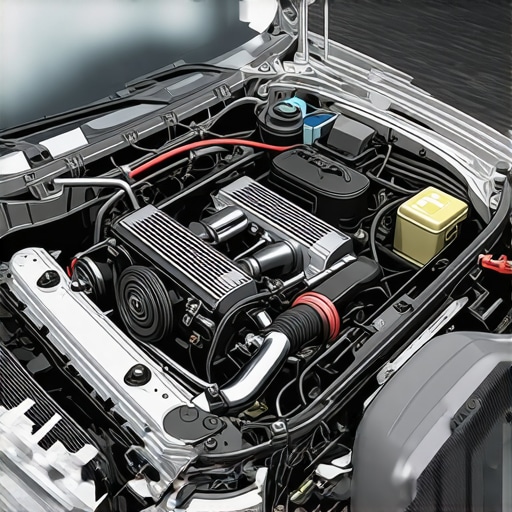
First, locate your vehicle’s power steering fluid reservoir, usually near the engine bay. Pull out the dipstick or check the transwen cap, depending on your car model. If the fluid is low or dirty, it can make turning the wheel stiff or noisy. I once ignored a slight dip in fluid level, and a week later, I found myself struggling to steer after parking. Regularly checking fluid levels keeps your steering smooth and responsive. For detailed guidance, see our car service checklist.
Check for Leaks or Contamination
Examine around the reservoir and hoses for signs of leaks—wet spots, puddles, or grime buildup. Also, inspect the fluid for discoloration or debris—murky, dark fluid indicates contamination needing a fluid change. When I noticed a leak under my car, it was caused by a cracked hose. Replacing it was straightforward, but ignoring it could have led to pump failure. Identifying leaks early prevents further damage. To troubleshoot common issues, visit troubleshooting guides.
Test the Steering Response and Noises
Turn the steering wheel slowly from lock to lock. Notice any whining, squealing, or groaning sounds—these often signal a failing pump or low fluid. During a test drive, I felt resistance when turning—similar to steering a heavy shopping cart—and heard an unsettling whine. Addressing these symptoms early can prevent pump breakdowns. For the nuances of diagnosing noises, refer to noise diagnosis tips.
Feel the Effort During Turns
If your steering feels heavier than usual, especially at low speeds, it might be due to a failing power steering pump or hydraulic fluid issues. I personally experienced this when the wheel became sluggish after a long drive; a quick check revealed reduced fluid levels. Correcting this involved topping up the fluid and replacing a worn-out pump, which I learned about from our tune-up resources. Regularly testing steering ease helps catch problems early, saving money and stress.
Flush and Replace Power Steering Fluid Regularly
Old or contaminated fluid hampers system efficiency. Follow your manufacturer’s guidelines for flushing, typically every 50,000 miles or as recommended. During my last service, I watched as the technician drained murky fluid and refilled with fresh, high-quality fluid—this revitalized smooth steering. Using premium fluid and keeping it clean ensures the pump and hoses don’t wear prematurely. For insights on maintenance, see premium tune-up tips. A simple fluid change can restore responsiveness and extend your system’s lifespan.
Address Issues Before They Escalate
If you notice persistent problems—struggling steering, strange noises, leaks—consult a professional promptly. Delaying repairs risks ruining other components like the pump or hoses, leading to costly replacements. In my experience, a quick visit to the shop with a checklist of symptoms helped me catch a failing pump early, avoiding a breakdown on the highway. Regular inspections and proactive maintenance keep your steering system healthy. For expert assistance, visit our contact page.
While many car owners believe they understand basic maintenance, there’s a common misconception that can lead to costly mistakes. One prevalent myth is that a simple oil change or brake pad replacement suffices for the lifespan of a vehicle. In reality, comprehensive understanding and nuance are essential to truly maintain your car’s health. For instance, many overlook the importance of diagnosing underlying issues that aren’t immediately visible, like subtle uneven tire wear or early signs of fluid contamination. Relying solely on routine replacements without considering system-specific behaviors can backfire, causing premature component failure and costly repairs.
Are We Overlooking Minor Signs That Signal Major Problems?
Absolutely. A frequent trap drivers fall into is dismissing small symptoms—like a slight pulling to one side or an unusual smell—that are actually early indicators of more severe issues. Modern vehicles are equipped with complex systems that require nuanced attention; ignoring these signals might result in significant damage down the line. For example, persistent vibrations during acceleration could point to misaligned or unbalanced wheels, or worse, suspension issues. Consulting expert sources reveals that regular, detailed inspections can uncover these hidden vulnerabilities before they escalate and threaten safety or economic stability. It’s vital to challenge the myth that only major failures warrant attention; in reality, early diagnosis often saves money and extends your vehicle’s lifespan.
Furthermore, many underestimate the importance of advanced diagnostics over routine checks. Modern diagnostic tools can detect subtle anomalies in engine parameters, transmission shifts, or brake performance, which might not be apparent to the untrained eye. Engaging in regular, detailed tune-ups—more than just oil and filter changes—can significantly improve fuel efficiency and safety, as outlined in our comprehensive tune-up guide. Remember, proactive maintenance rooted in nuanced understanding prevents the temptation to delay repairs until a warning light erupts or part fails catastrophically.
Another common misconception is assuming that all repairs are equal—believing, perhaps, that a quick fix is always enough. In contrast, paying attention to the specific causes behind issues like brake squeal or steering vibrations can differentiate between temporary relief and lasting solutions. For example, a squeaking brake might be dismissed as merely needing new pads, but it could indicate warped rotors or a hydraulic problem that, if unaddressed, diminishes braking performance and safety. This is why professional diagnostics and customized repair strategies matter profoundly, reinforcing that nuanced judgment greatly impacts long-term vehicle health.
In addition, embracing emerging auto repair trends—such as the shift towards electric vehicles or hybrid systems—requires staying informed and adaptable. According to industry insights, keeping up with latest trends and technology ensures that your maintenance practices remain effective and forward-looking. Don’t forget, detailed records of repairs and inspections further enhance your ability to spot patterns that signal deeper issues, making your maintenance routines truly nuanced and effective. Have you ever fallen into this trap of neglecting subtle signs? Let me know in the comments and share your experiences.
How do I maintain my vehicle’s performance over time?
Maintaining your car involves more than just routine oil changes; it requires the right tools, a systematic approach, and understanding the nuances of auto care. One essential tool I rely on is a high-quality OBD-II scanner. This device connects to your vehicle’s port and provides real-time diagnostics, highlighting issues before they turn into costly repairs. Personally, I use the Innova 6100p because of its comprehensive codes and user-friendly interface, enabling me to troubleshoot and reset warning lights without always heading to the mechanic.
Alongside diagnostic tools, maintaining a detailed service log is invaluable. Software like Mach1 Auto helps me track mileage, service intervals, and repair histories systematically. This proactive recordkeeping ensures timely tune-ups, fluid changes, and inspections, which can extend your vehicle’s lifespan exponentially. Regularly scheduled maintenance, as outlined in our tune-up guide, supports optimal performance and safety.
What advanced techniques keep your car running smoothly in the long run?
Implementing preventive measures like manually inspecting your brake pads’ wear using simple tools or performing routine fluid tests can catch issues early. For example, I periodically check my brake fluid with a UV color-changing tester, like the Castrol brake fluid tester, ensuring it remains effective and free from moisture contamination. Such minor interventions save me from emergency repairs and costly replacements later on.
Predicting where automotive trends are headed is equally important. The industry is swiftly moving toward integrated diagnostic systems and remote monitoring. Industry insights from auto repair trends to watch in 2025 suggest that investing in these technologies now can give DIY enthusiasts and mechanics alike a significant advantage in maintaining vehicle performance efficiently.
Should I consider professional assistance or DIY maintenance for long-term care?
While DIY tools are powerful, I recommend balancing them with professional check-ups periodically. Skilled technicians use advanced equipment and possess experience that even the best gadgets can’t replicate. For instance, I schedule a comprehensive inspection every 10,000 miles at my trusted shop, ensuring that components like the transmission and suspension are in top shape. Remember, combining DIY maintenance with professional guidance can significantly enhance your car’s longevity and safety. If you’re ready to take your vehicle maintenance to the next level, contact us through our contact page and explore customized maintenance plans tailored to your driving habits.
What I Wish I Knew About Power Steering Early On
One of the most valuable lessons I learned was that paying close attention to even minor warning signs can save you a lot of money. For example, I used to dismiss faint whines or slight stiffness in steering as normal wear, but these often indicate underlying issues that need addressing before they become costly repairs. Recognizing the importance of routine fluid checks and listening to your vehicle’s signals has transformed how I approach auto maintenance. This insight can empower you to catch problems early and extend the life of your steering components.
Tools and Resources That Made a Difference
Over the years, I discovered that having a reliable diagnostic scanner, like the Innova 6100p, helps me identify potential issues before they escalate. Additionally, keeping a detailed service log using apps like Mach1 Auto ensures I stay on top of maintenance schedules and fluid changes. These tools foster proactive care and give me peace of mind—knowing I’m doing everything possible to keep my vehicle responsive and safe, especially when it comes to steering health.
Why Listening to Your Car’s Quietest Moments Matters
One of the most emotionally powerful lessons is realizing that even the smallest, most subtle noises can be signals of something serious. A slight groan when turning can be a sign that your power steering pump is struggling. Ignoring these clues can lead to sudden failures that leave you stranded or facing expensive repairs. Trusting your instincts and addressing these early warning signs has changed me from a reactive car owner into a vigilant guardian of my vehicle’s long-term health. If you’re curious about diagnosing noises or signs to look out for, check our troubleshooting guides.
Next Step: Embark on Your Maintenance Journey
Now that you understand how small signs can make a big difference, it’s time to make proactive maintenance part of your routine. Regular fluid flushes, thorough inspections, and listening closely during drives can extend your vehicle’s performance and safety. Remember, taking care of your power steering isn’t just about smooth turns — it’s a reflection of the respect you give your car. If you’re ready to enhance your auto care practice, consider scheduling a professional check-up or exploring advanced diagnostic tools. Reach out to us through our contact page for personalized advice, because a well-maintained car is the safest and most reliable companion on every journey.