
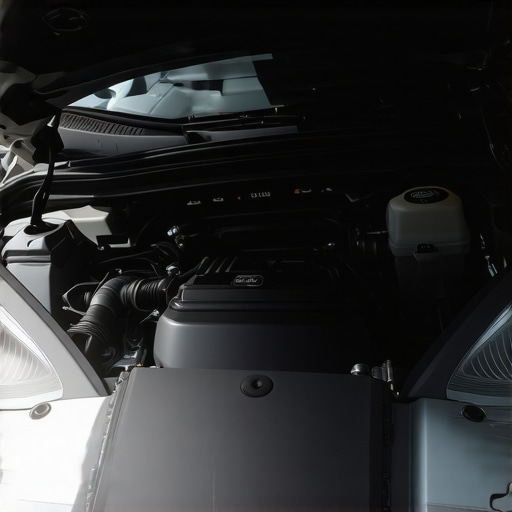
Walking out to my car on a chilly morning and hitting the ignition only to be greeted by an unsettling shudder—sound familiar? That sudden jolt when I turn on the defroster used to frustrate me to no end. I’d think, “Is it about to die? Did I miss something obvious?” Turns out, that peculiar vibration wasn’t a coincidence but a sign pointing to an underlying issue I needed to address.
It’s a situation I hear about often from friends and neighbors—your engine runs smoothly most of the time, but as soon as you activate your defroster, there’s a noticeable shudder. Your first instinct might be to dismiss it as harmless or a minor quirk. But as I learned the hard way, ignoring such signals can lead to more costly repairs down the line.
Today, I want to promise you one thing: we’ll get to the root of why this happens and, more importantly, how to fix it. No more guessing games or panic moments when the engine coughs during winter mornings. By understanding the cause, you can save yourself both stress and money.
How the Defroster Triggers Engine Shutters—And What You Can Do About It
Before we dive into solutions, let’s talk about what causes this odd phenomenon. When the defroster is turned on, it draws additional power from the engine to operate the heating elements and blowers. If your electrical system isn’t in top shape—or if some components are malfunctioning—that extra load can lead to noticeable engine vibrations.
In my early days, I made the mistake of thinking it was just a cold-weather quirk. I used to ignore it until I learned from a trusted mechanic that a failing alternator or loose belt could be culprits. Ignoring such signs can sometimes cause the engine to work harder than necessary, leading to accelerated wear or unexpected breakdowns.
Interestingly, according to recent auto repair trends, electrical system issues are among the top overlooked causes behind engine shudders during climate control use. So, it’s worth paying close attention.
Are you someone who’s faced this exact problem? If so, you’re not alone. And the good news is, pinpointing the issue isn’t as daunting as it might seem. Next, we’ll explore the steps to diagnose and fix the root cause, ensuring your engine runs smoothly regardless of the weather outside.
For more insights on maintaining your vehicle during harsh conditions, consider checking our guide on [car service checklists](https://glassfixauto.com/car-service-checklist-how-to-keep-your-vehicle-in-top-shape). Remember, timely maintenance keeps unexpected surprises at bay and keeps your driving experience hassle-free.
Check the Electrical System First
Begin by inspecting your vehicle’s alternator and battery, as these are common culprits for electrical issues that cause engine vibrations. Use a multimeter to test voltage output—if it drops below 13.5 volts when the defroster activates, your charging system might be weak.
Perform a Visual Inspection of Belts and Connections
Loosen or cracked serpentine belts can slip under load, leading to engine shuddering. Look for signs of wear or glazing, and tighten or replace belts as needed. Ensure all electrical connections related to the alternator and battery terminals are secure and corrosion-free.
Test the Alternator and Battery
Take your car to a mechanic or use a diagnostic tool to evaluate alternator performance and battery health. A failing alternator struggles to supply the extra power when the defroster is turned on, causing engine vibrations. If diagnostics show a weak alternator, consider an upgrade or repair.
Inspect and Replace the Drive Belt
If the belt shows signs of wear, it can slip or wobble when under increased load, amplifying vibrations. Replace the belt with a high-quality, properly sized one. Proper tensioning ensures it doesn’t slip during high-demand moments—this is critical for smooth engine operation.
Test the Power Draw and Load Capacity
Use a clamp meter to measure the electrical current drawn by the defroster. Excessive draw indicates wiring issues or a malfunctioning component. Address overloads by replacing the faulty wiring or installing higher-capacity fuses to prevent engine strain.
Address and Repair the Climate Control System
Sometimes, malfunctioning blower motors or faulty switches cause uneven load on the engine. Test the defroster switch and blower motor for proper operation. Repair or replace defective parts to ensure the system isn’t putting unnecessary stress on your engine—tune-up your car for optimal performance.
Update or Replace the Vehicle’s ECU Software
If electrical and mechanical checks reveal no issues, consider updating your engine control unit (ECU) software. Modern vehicles often have software glitches that cause load mismanagement. Consult your dealer or a qualified mechanic for a firmware update that can optimize load handling during climate system activation.
Monitor After Repairs
After completing the above steps, turn on your vehicle and activate the defroster while noting engine behavior. If vibrations persist, revisit your diagnostics or seek professional inspection. Regular maintenance and a comprehensive approach—like timely tune-ups—are essential for consistent performance.
Many car owners believe that routine maintenance and repairs are straightforward tasks that don’t require in-depth knowledge, but this misconception can lead to costly mistakes. A common myth is that all oils and filters are interchangeable, yet using the wrong type can accelerate engine wear and decrease fuel efficiency. Contrary to popular belief, not every mechanic recommends a full tune-up annually; instead, a tailored approach based on your driving habits and vehicle history yields better results (see our expert tips).
Furthermore, many underestimate the importance of diagnosing the root cause of issues like brake squealing or engine shuddering rather than merely addressing surface symptoms. This oversight often results in repeated repairs and wasted money. For example, assuming brake pads are the culprit without inspecting the rotors and calipers can overlook underlying problems that compromise safety and performance (stay ahead with industry trends).
Have you ever fallen into this trap? Let me know in the comments.
When it comes to brake service, many believe that every brake pad lasts equally, but the truth is that driving style, brake quality, and maintenance frequency heavily influence lifespan. Choosing cheaper parts might save money upfront but often leads to more frequent replacements and potential safety risks. Be cautious of gut feeling favoring quick fixes—proper diagnosis and high-quality replacements are crucial to long-term safety (myth-busting brake maintenance).
Now, let’s tackle a question that confuses many car owners: How do I identify a genuine, qualified mechanic among the plethora of options? The key is not just certifications but also understanding whether they keep up with new industry innovations. A mechanic who continually updates their skills and tools ensures you receive the best possible service, preventing unnecessary repairs and extending your vehicle’s lifespan.
Finally, don’t forget that regular tune-ups go beyond simple oil changes. They encompass comprehensive diagnostics and component checks that preempt failures before they happen. Experts recommend a personalized maintenance plan based on your vehicle’s condition and your driving patterns, rather than a generic schedule (maximize your car’s longevity). This proactive approach saves money and guarantees safety.
In essence, demystifying these misconceptions and paying attention to detail in car maintenance allows you to avoid common pitfalls. Continuous learning and trusting your instinct—especially when something feels off—are vital. Want to learn more? Visit our contact us page for expert advice tailored specifically to your vehicle. Remember, staying informed is your best defense against costly auto repair mistakes.Maintaining your vehicle’s performance requires more than just routine visits to the mechanic; it involves using the right tools and adopting specific maintenance strategies. Personally, I rely on a high-quality digital multimeter, because it allows me to quickly assess the health of my battery and alternator, ensuring my electrical system stays in top shape and prevents engine shake during defrost use. I also swear by a set of precision torque wrenches, which help me tighten components like belts and nuts to exact specifications, avoiding premature wear. For example, consistent belt tension, verified with my torque wrench, extends belt life and prevents slipping that can cause engine vibrations.
Looking ahead, the trend in auto maintenance is moving towards intelligent diagnostic tools that integrate with mobile apps, offering real-time performance data. Devices like Bluetooth-enabled OBD2 scanners are revolutionizing how we monitor vehicle health, allowing for proactive repairs rather than reactive fixes. In fact,industry experts predict that by 2025, more cars will have embedded IoT sensors that alert owners to issues before symptoms manifest, making maintenance more predictive and less disruptive.
How do I keep my car’s performance at its best over time?
One of my favorite methods involves routinely updating my vehicle’s ECU software. This can optimize load handling, especially when auxiliary systems like the defroster are activated, reducing strain on engine components. Regular software updates, combined with scheduled tune-ups, help maintain peak performance and fuel efficiency. To stay on top of these updates, I check with my dealer periodically or utilize reputable online resources recommended by industry leaders, such as those discussed in auto repair trend reports, to ensure my vehicle’s systems are running with the latest enhancements. For example, updating the ECU can resolve issues caused by outdated firmware that mismanages electrical loads, which often causes engine vibrations during climate control use.
In addition, I highly recommend tracking your car’s maintenance schedule meticulously—aligning with our comprehensive car service checklist—to catch minor issues before they escalate. Installing diagnostic tools that connect to your smartphone makes tracking even easier; you can get instant alerts if sensors detect anomalies, saving you from costly repairs.
If you’re serious about keeping your car running smoothly for the long haul, try using a Bluetooth OBD2 scanner combined with a maintenance app. This combo allows real-time diagnostics and helps monitor systems like the alternator and battery health over extended periods, making proactive maintenance manageable. Want some guidance on choosing the right device? Reach out through our contact us page for tailored advice.
By integrating precise tools and staying informed about emerging industry technologies, you’ll be better equipped to troubleshoot issues early and ensure your vehicle remains reliable across seasons and miles.
The Hardest Lesson I Learned About Car Service and Auto Repairs Was listening to that small squeal during my last tune-up. Ignoring early signs of brake wear or engine misfires can lead to costly mishaps. My breakthrough came after a close call with a failing alternator, which taught me the importance of regular diagnostics and trusting my instincts about strange noises or performance dips. These experiences underscore that proactive maintenance isn’t just advice—it’s a safeguard for your vehicle’s lifespan and your safety.
Tools and Resources That Transformed My Approach to Auto Care
- Bluetooth OBD2 Scanners: They provide real-time engine data right on my phone, helping me catch issues early and avoid surprises. I trust them because genuine diagnostics save me money and prevent breakdowns.
- Reputable Car Maintenance Guides: The detailed checklists on this page have been invaluable in maintaining a personal schedule, especially for complex tasks like fluid checks or belt replacements.
- Industry Trend Reports: Keeping an eye on latest auto repair trends keeps me ahead of common pitfalls and emerging tech, making my maintenance more efficient and informed.
- Diagnostic Apps and Tech Blogs: These resources provide insights into emerging issues and solutions, helping me understand when to seek professional help versus manageable DIY fixes.
Trust Your Gut, Embrace Continuous Learning
Maintaining your vehicle isn’t just about fixing problems—it’s about cultivating awareness. The moment you notice that odd vibration or smell, listen and investigate. Remember, a well-tuned car saves you money, enhances safety, and extends its life. Regular tune-ups, combined with using reliable tools and staying informed, empower you to keep your vehicle in top shape. Now, I challenge you: what unusual sign has your car shown that prompted you to act? Share your experience below and join a community that values proactive auto care!
,