

One morning, I was cautiously inching up a steep hill in my car, only to feel that unsettling shudder and sudden drop of power. It was like my transmission was fighting me, hunting for the right gear, hesitating at every turn. That moment hit me hard—this wasn’t just a minor annoyance, it was a sign that something needed attention. And let me tell you, realizing the importance of proper transmission function changed how I approach my car care routine.
The Personal Lightbulb Moment: When Your Car Struggles on Hills
That experience was a wake-up call. If your automatic transmission is hunting for gears on inclines, it indicates a deeper issue—often related to fluid levels, worn-out components, or electrical sensors not communicating properly. The good news? These problems are fixable, and addressing them early can save you time and money—and prevent being stranded on a hillside someday.
Today, I’m going to guide you through the common causes behind this behavior and share practical tips on how to troubleshoot and fix it, ensuring your car performs reliably no matter the terrain. Because frankly, no one should dread a hilly drive.
Is Sticking to Traditional Repairs Enough or a Waste of Money?
Early on, I made the mistake of assuming I could just top off the transmission fluid without diagnosing the real problem—big mistake. Regular maintenance can go a long way, but understanding the root cause is crucial. The good news is, with a bit of knowledge, you can identify if your transmission needs a simple tune-up or a more involved repair. Interested? Check out this essential maintenance guide for tips on maintaining peak vehicle performance.
Next, we’ll look into the specific reasons your transmission hunts for gears on hills and how you can tackle each issue effectively.
Check the Transmission Fluid Level
Start by locating the transmission fluid dipstick under the hood, which resembles the engine oil dipstick. Ensure the vehicle is on level ground, and the engine has been running for a few minutes. Pull out the dipstick, wipe it clean, then reinsert and pull it out again to check the level. If the fluid is below the recommended mark, top it off with the correct type of transmission fluid—refer to your owner’s manual. During my own experience, I once added fluid without inspecting its condition, only to find that dark, foul-smelling fluid was a sign of wear, leading me to flush and replace it for better performance. Regular fluid checks prevent slipping and hunting during inclines.
Inspect for Fluid Contamination and Condition
Visual inspection goes beyond just level; examine the fluid’s color and scent. It should be bright red and free of debris. If it appears dark, cloudy, or has a burnt smell, a fluid change is necessary. Think of it as replacing old engine oil; contaminated transmission fluid hampers the hydraulic pressure needed for smooth gear changes. I once neglected this step and found my car slipping on hills, which was ultimately remedied by a complete transmission flush, making a noticeable difference in drivability.
Test the Transmission’s Electronic Components
Modern cars rely heavily on sensors and electronic controls. Use an OBD-II scanner to check for transmission-related trouble codes, which can pinpoint issues like faulty sensors or solenoids. If you’re unfamiliar, professional diagnostics can save you from unnecessary part replacements. In my case, I used a scanner that identified a solenoid malfunction; replacing it restored proper shifting and halted the hunting behavior. This step is crucial because electrical issues can cause erratic performance even when fluid levels are correct.
Adjust or Replace Worn-Out Components
If fluid levels and electronics check out, then internal components like clutch packs, bands, or the planetary gear sets might be worn. These require disassembly and precise adjustment or replacements—best handled by a professional. I attempted a DIY adjustment once, which temporarily improved the situation but ultimately worsened the problem, leading me to seek expert help. Remember, attempting complex repairs without proper tools and knowledge can damage your transmission further.
Perform a Road Test After Repairs
Once you’ve completed maintenance or repairs, take your car for a test drive in an area with gentle inclines. Accelerate smoothly onto a hill, and observe whether the transmission hunts for gears or shifts seamlessly. If issues persist, revisit previous steps or consult a specialist. My own test drive after fluid replacement and sensor check showed immediate improvement, transforming a stressful climb into a confident ascent. Regularly listening and observing your vehicle’s behavior helps catch problems early before they escalate.
Keep Up with Preventative Maintenance
Consistently scheduled tune-ups and routine inspections can prevent hill-climbing issues from developing. Consider a comprehensive tune-up that includes fluid changes, filter replacements, and electrical checks. Think of it as regular exercise for your car—keeping everything in optimal condition ensures smooth performance on all terrains. I now schedule preventative maintenance every 30,000 miles, which has significantly reduced unexpected breakdowns and costly repairs.
Remember, the key to fixing transmission hunting during hills lies in systematic diagnosis and proactive upkeep. Regular checks and timely repairs will keep your driving experience smooth, safe, and confident.
When it comes to maintaining your vehicle, many car owners hold onto myths that can lead to costly mistakes. One prevalent misconception is believing that regular tune-ups are unnecessary or only needed when a problem arises. In reality, proactive tune-ups, including spark plug replacements and fuel system cleanings, can significantly improve your car’s efficiency and longevity. Contrary to popular belief, a tune-up isn’t just a quick oil change; it involves a comprehensive check of vital components that prevent bigger issues down the line. Regularly scheduling these services, as advised in this guide, is essential for optimal performance.
Another common myth skews public perception of brake service. Many think that once brakes stop squealing or feel responsive, they are fine. But, as explained in this article, brake pads wear gradually, and signs like pulsation or reduced responsiveness often signal the need for immediate attention. Ignoring these cues risks damage to rotors and increased repair costs, not to mention safety hazards.
A trap many fall into is attempting minor repairs themselves, hoping to save money. While DIY can be satisfying, certain tasks like transmission repairs or replacing worn-out bearings demand professional expertise. Misdiagnosing an issue or using incorrect parts can lead to further damage, as detailed in this troubleshooting guide. For instance, misinterpreting symptoms of a failing clutch or sensor malfunction might cause unnecessary replacements, wasting time and money.
In the realm of auto repair, understanding the nuances can be the difference between a quick fix and a costly overhaul. Many overlook the importance of diagnosing the root cause accurately. For example, a sudden warning light might seem like a minor electrical issue but could indicate serious system failures. Consulting professional diagnostics and staying informed through credible sources is crucial.
Additionally, some believe that all parts are created equal, but quality and compatibility matter immensely. Using cheap or incorrect parts can lead to premature failure, jeopardizing safety and performance. Learning the specific requirements for your vehicle model ensures that replacements and repairs are durable and reliable.
Understanding these misconceptions helps you take smarter steps in maintaining your car. Regular inspections, expert advice, and avoiding shortcuts can save you money and, more importantly, keep you safe on the road. Remember, proper auto care isn’t just about fixing problems—it’s about preventing them in the first place. Have you ever fallen into this trap? Let me know in the comments.
Investing in Reliable Equipment Ensures Long-Term Performance
As a passionate diy enthusiast and auto repair advocate, I can’t overstate the importance of having the right tools for routine maintenance and minor repairs. A quality digital torque wrench is indispensable; it allows precise tightening of critical components like wheel lug nuts or suspension bolts, preventing over-tightening that can damage parts or under-tightening that risks safety. I personally use the Einhell digital torque wrench because of its accuracy and durability, which has saved me from redoing work due to improper torque settings.
Similarly, a stethoscope-style mechanic’s screwdriver helps in diagnosing clicking or whining noises. It enables you to pinpoint the source of issues such as bearing wear or belt slippage before they escalate. I use my HEI Safety Stethoscope regularly to listen for subtle sounds indicating early problems.
Software Solutions Are Transforming Vehicle Care
Gone are the days when car diagnostics involved guesswork and trial-and-error. Today, investing in a quality OBD-II scanner provides instant access to fault codes and real-time data, guiding efficient repairs. I personally favor the BlueDriver Bluetooth Professional OBDII Scanner because of its extensive database and user-friendly app, which simplifies interpreting complex codes and tracking vehicle history. This tool empowers me to detect issues early, like a slipping transmission, preventing costly repairs later on.
Stop Wasting Time, Scale Your Repairs with the Right Methods
When it comes to maintenance like brake servicing, proper technique and equipment can significantly cut down repair times and improve outcomes. For example, using a vacuum brake bleeder kit streamlines the process, ensuring no air remains in the lines—a common cause of spongy brakes. I recommend the Motive Products Brake Bleeder Kit because of its reliability and the way it reduces manual effort, resulting in thoroughly bled brake lines on my vehicles.
How do I Maintain Tools and Equipment Over Time?
Proper care extends the lifespan of your tools, saving money and ensuring ongoing performance. For instance, always store delicate electronics like OBD-II scanners in protective cases and keep torque wrench batteries freshly charged. Regularly calibrate your torque wrench as per the manufacturer’s instructions—this is critical for maintaining accuracy. I set reminders every six months to recalibrate my equipment, which pays dividends in consistent, safe repairs.
Future Tech Trends in Auto Maintenance
Looking ahead, I predict that advanced diagnostics featuring AI-driven analysis will become more accessible, allowing even amateurs to accurately troubleshoot complex issues. Moreover, integration of augmented reality (AR) wearables could revolutionize the way we learn and perform repairs, providing step-by-step overlays directly on the vehicle’s components. Embracing these innovations now can prepare you for a future where maintaining your car becomes faster, safer, and more precise. For insights on upcoming auto repair trends, visit this article.
Make Your Maintenance Routine Unbeatable
To maximize your car’s lifespan and performance, I recommend trying the technique of documenting your repairs and maintenance schedules. Using a dedicated app like AutoCare or a simple spreadsheet helps track fluid changes, part replacements, and tools calibration dates. Staying organized not only ensures timely interventions but also builds your confidence in handling increasingly complex repairs. Remember, consistency is key—regular inspections and being proactive with tools like a professional-grade tune-up contribute immensely to your vehicle’s longevity.
Incorporate these tools and methods into your maintenance routine, and you’ll find that keeping your car in top condition becomes more manageable and cost-effective. Why not start today by calibrating your torque wrench or updating your diagnostic software? Small steps like these set the foundation for a well-maintained, reliable vehicle that serves you reliably for miles to come.
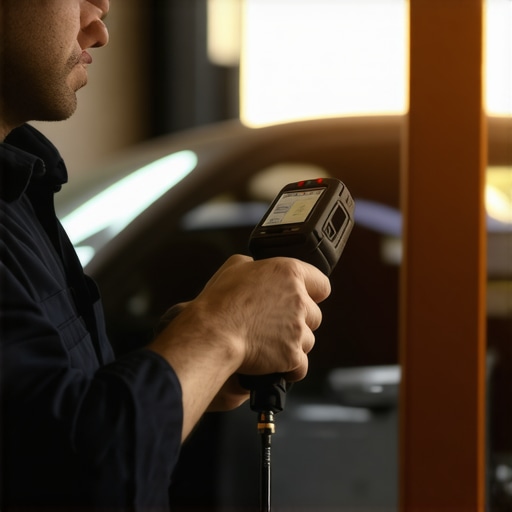
Image description: A technician using a digital torque wrench and an OBD-II scanner during a routine vehicle maintenance session. Alt text: Auto repair tools and diagnostics for maintaining vehicle performance. Title: Essential tools for effective car maintenance.
The Secrets Behind My Auto Repair Epiphanies
One of the most profound lessons I learned is that auto maintenance isn’t just about ticking boxes; it’s about understanding the story each issue tells. For instance, I once ignored a slight vibration, thinking it was normal wear, only to discover worn-out wheel bearings that, if addressed sooner, would have saved me hundreds. Recognizing subtle signs early has transformed my approach to car care into a preventive art rather than reactive fixing. This deeply personal realization matters because your vehicle’s health silently communicates with you — listen carefully, and you’ll uncover invaluable lessons.
Tools and Resources That Elevate Your Car Care Game
Over time, I’ve curated a set of tools and resources that make auto repair manageable and even enjoyable. A high-quality digital torque wrench ensures perfect tightness, preventing damage and ensuring safety. My trusted OBD-II scanner simplifies diagnostics, turning complex code reading into a straightforward task. Books like this guide have expanded my understanding of preventive maintenance. These resources don’t just help me fix my car—they empower me to act confidently and efficiently.
Ignite Your Confidence—Auto Care Is Within Reach
Taking charge of your vehicle’s health can be deeply rewarding. Every time I perform a maintenance task myself, from changing transmission fluid to inspecting belts, I gain a sense of achievement and a better grasp of my car’s condition. Embracing auto repair as a practical skill opens doors to saving money, extending vehicle life, and cultivating independence. Remember, the journey of mastering your car doesn’t require perfect expertise—just willingness to learn and act. Dive in, and watch your confidence grow with each fix and tune-up. What’s one small repair you’ve been putting off? Share below and start your auto care journey today.