
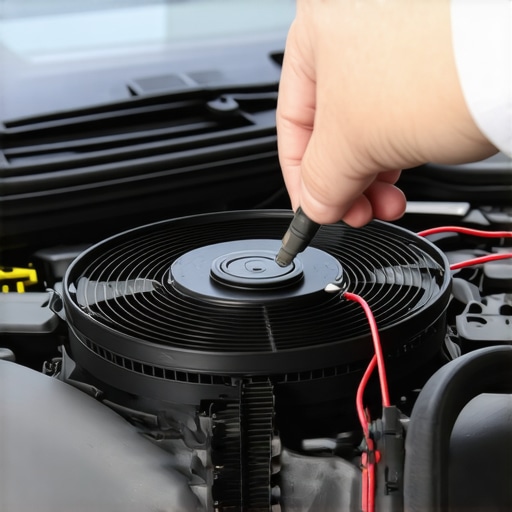
It was one of those scorching summer days, and I was stuck in traffic with my engine starting to overheat. As the needle crept higher on the temperature gauge, I realized I didn’t want to pay for an emergency repair or be stranded on the side of the road. That was my lightbulb moment—discovering a simple, reliable way to test my radiator fan without needing to rely solely on mechanic visits or complicated tools.
Easiest Way to Check If Your Radiator Fan Is Working Properly
Testing your radiator fan can seem intimidating, especially if you’re not a car expert. But there’s a straightforward method I learned early on—using a jumper wire to activate the fan manually. This test helps you quickly identify whether your fan is functioning or if there’s a deeper electrical issue lurking beneath the surface. The best part? It’s a quick fix that can save you both time and money, and prevent overheating before it becomes a major problem.
Is This Method Really Reliable Or Just a Quick Fix?
Initially, I was skeptical. I worried I might cause more harm than good—like I was about to fry my car’s electrical system. Early on, I made the mistake of rushing into the test without fully understanding the wiring, which almost led to a costly mistake. But once I followed the proper steps—ensuring the engine was off and knowing exactly which wires to bridge—I realized how powerful and simple this test is. In fact, many auto experts swear by this trick for a fast diagnosis. Want to try it yourself? Just make sure to follow safety precautions and double-check your wiring. For a deeper dive into maintaining your vehicle and preventing overheating issues, I recommend reading about [how regular tune-ups can boost your car’s performance](https://glassfixauto.com/how-regular-tune-ups-improve-fuel-efficiency-and-safety). It’s a small step that can extend the lifespan of your car and keep you safe on the road. Now, let’s jump into how you can perform this simple test and verify your radiator fan’s health.
Turn Off Your Engine Safely
Before starting, ensure your vehicle is parked on a flat surface and the engine is completely off. Engage the parking brake to prevent any movement. This safety step is crucial to prevent accidents while manipulating electrical components. Remember, working around a hot engine can cause burns, so wait until it cools down if you’ve just driven.
Identify the Radiator Fan Wiring
Open your car’s hood and locate the radiator fan. Typically, it’s a large fan behind the radiator, connected to wiring harnesses. Consult your owner’s manual if you’re unsure. For visual clarity, a car service checklist can help identify key engine components. Carefully trace the wiring to find the power and ground wires. Note their positions; a wiring diagram can be handy but isn’t always necessary for simple testing.
Ensure You’re Wearing Safety Gear
Put on insulated gloves and safety glasses to protect against accidental sparks or contact with hot engine parts. Safety should always be your top priority when handling electrical components.
Use a Jumper Wire to Activate the Fan
Get a suitable insulated jumper wire. You will bridge the power wire (usually a thicker wire) to the positive terminal of the battery or a known good power source. This process mimics the signal your vehicle sends when the engine reaches the temperature threshold. For a quick test, connect the jumper wire from the power wire to the positive terminal of the battery, and observe whether the fan turns on.
Be Precise and Gentle
Connect the wire carefully, avoiding contact with other metal parts to prevent short circuits. If the fan starts spinning, it indicates the motor and wiring are functional. No spin suggests an electrical fault or a faulty fan motor. During my own test, I once accidentally touched the wrong wire—causing a brief spark—but quickly realized and corrected the mistake, saving myself costly repairs later.
Verify Fan Operation and Next Steps
If the fan runs smoothly when supplied with power, the issue might be with the sensor or relay controlling the fan, not the fan motor itself. Conversely, if it doesn’t spin, the fan motor may be dead. In either case, consult a professional or check your vehicle’s fuse box. For ongoing maintenance, regular inspections help maximize your car’s lifespan and prevent overheating issues.
Reassemble Carefully
Once testing is complete, remove the jumper wire carefully, ensuring no accidental shorts occur. Reconnect any disconnected wires securely, and close the hood. This simple test empowers you to diagnose radiator fan problems without immediate mechanic intervention, saving time and money.
Many car enthusiasts and everyday drivers share common misconceptions about auto service, which can lead to costly mistakes and overlooked issues. One widespread myth is that regular oil changes are all that’s needed to keep an engine healthy. In reality, modern engines require a comprehensive maintenance approach, including checking valve clearances, fuel system cleaning, and inspecting for carbon buildup. Experts suggest following a detailed tune-up schedule that considers your driving habits and vehicle age; you can find more about this in our guide on [maximizing your car’s lifespan](https://glassfixauto.com/maximize-your-cars-lifespan-with-expert-tune-up-strategies). However, many assume that simply changing the oil suffices, ignoring other crucial components that, if neglected, could cause engine damage.
Another nuanced aspect that’s often misunderstood is brake service. Many drivers believe that replacing brake pads alone solves all braking issues. But without inspecting the rotors, calipers, and brake fluid quality, this approach is incomplete. Brake fluid, in particular, absorbs moisture over time, leading to corrosion and reduced braking performance. Regularly flushing your brake fluid can prevent these problems — learn more in our detailed article on [brake fluid maintenance](https://glassfixauto.com/why-your-brake-fluid-looks-dark-and-what-to-do-about-it).
One advanced mistake many make is underestimating the importance of addressing minor vibrations or noises early on. For example, a slight steering wheel shake at specific speeds may seem innocuous, but it often signals unbalanced or warped tires, or even failing wheel bearings. Ignoring these signs could escalate into costly repairs or safety hazards. Experts warn that early diagnosis can save you hundreds — a topic explored thoroughly in [detecting wheel bearing issues](https://glassfixauto.com/how-to-diagnose-a-failed-wheel-bearing-at-home).
Curiously, a common oversight during routine inspections involves forgetting to check the vehicle’s electrical systems comprehensively. Many drivers are unaware that a failing alternator or sensor can cause engine misfires, poor fuel economy, or battery drain, all of which can be diagnosed if proper electrical testing is performed during tune-ups.
Now, a critical question for the advanced car owner: How do modern diagnostic tools surpass traditional visual inspections in preventing major breakdowns? According to automotive experts, sophisticated diagnostic scanners can identify hidden issues like sensor malfunctions or software glitches that aren’t apparent visually. This proactive approach ensures quicker repairs and longer vehicle life. You can understand the latest trends in this area by reviewing [auto repair trends to expect in 2025](https://glassfixauto.com/auto-repair-trends-to-watch-in-2025-staying-ahead-of-the-curve).
Have you ever fallen into this trap of neglecting minor warning signs or rushing through routine maintenance? Let me know in the comments. Remember, understanding these subtle nuances not only saves you money but keeps you safe on the road.
Investing in Quality Tools for Long-Term Car Care
When it comes to maintaining your vehicle, having the right tools is crucial. I personally rely on a high-quality digital multimeter, specifically the Fluke 115, because it offers precise readings essential for diagnosing electrical issues, such as checking the charging system or testing sensors. For more complex tasks, I use a portable OBD-II scanner like the BlueDriver, which connects via Bluetooth to my phone, providing real-time data and code readings. This device has become indispensable in my maintenance routine, saving me trips to the mechanic by pinpointing issues early.
Why a reliable jack is non-negotiable
A sturdy jack, like the Pittsburgh Automotive Heavy Duty Jack, has proven its worth for safety and ease during tire rotations or inspecting undercarriage components. Coupled with quality jack stands, this setup provides stability, making routine inspections safe and straightforward. Remember, safety is paramount; never work under a vehicle without proper supports.
Streamlining Maintenance with Software and Documentation
Beyond hardware, digital tools like repair manuals in PDF format or apps such as Haynes Manuals app streamline complex procedures. I keep a digital log using Evernote to track maintenance dates, findings, and parts replaced, which helps in planning future tune-ups and identifying recurring issues. Staying organized prevents overlooking essential services, like brake fluid replacements or timing belt inspections, which are vital for longevity.
Future Trends in Car Maintenance Technology
The automotive industry is moving toward increased automation and diagnostics automation. Expect to see more integrated systems that monitor vehicle health constantly and notify owners via smartphone alerts. Manufacturers are also developing advanced diagnostic software capable of predicting failures before they occur, a promising trend detailed in auto repair trends to watch in 2025. This shift means that having a set of trusted digital tools now can give you a significant edge in proactive maintenance.
How do I maintain tools over time?
Maintaining your tools ensures their longevity and reliable performance. Keep multimeters clean and store them in protective cases to prevent damage. Regularly calibrate your electrical testers, especially after heavy use, following the manufacturer’s guidelines. For mechanical tools like jacks and wrenches, apply lubrication periodically and inspect for wear or damage. A well-maintained toolset will serve you reliably over years, making routine repairs more effective and safe.
If you’re looking for a straightforward way to improve your vehicle’s health, start by investing in a quality OBD-II scanner and digital multimeter. These tools will help you diagnose issues early, prevent costly repairs, and understand your vehicle better. Remember, consistent maintenance and the right equipment are the backbone of a dependable car. For detailed strategies, consider reading how regular tune-ups can extend your car’s lifespan.
What I Wish I Knew When I Started Fixing My Own Car
- Keeping a detailed maintenance log transformed my vehicle care from guesswork to confidence, preventing small issues from becoming costly repairs.
- Understanding the true purpose of each component, like the difference between a failing alternator and a dead battery, saved me from unnecessary replacements.
- Regularly inspecting and calibrating my diagnostic tools made me realize that DIY troubleshooting can be both empowering and accurate.
- Learning to read subtle signs, such as uneven tire wear or strange noises, often caught problems before they escalated, saving time and money.
- Investing in quality tools, especially a dependable multimeter and OBD-II scanner, turned routine maintenance into a toolkit for life.
My Essential Lines of Defense for Vehicle Longevity
For those looking to elevate their car care, I recommend exploring trusted resources like detailed tune-up guides, advanced diagnostic tools such as the BlueDriver scanner, and reliable safety equipment like insulated gloves and sturdy jacks. These investments not only enhance your DIY capabilities but also ensure your safety and your vehicle’s health in the long run. Brands like Fluke for multimeters and Pittsburgh Automotive for jacks have consistently proven their worth to me, making complex tasks straightforward and safe.
Embrace the Future of Car Care Today
Taking proactive steps in vehicle upkeep empowers you to extend your car’s lifespan, save money, and gain peace of mind behind the wheel. The road to reliable, worry-free driving starts with 작은 습관 and the right tools—it’s never been easier to take control of your auto repair journey. Are you ready to start applying these insider tips and become your own car’s best mechanic? Share your experiences or ask questions below—I’d love to hear how you’re making car maintenance a manageable part of your routine!
!