
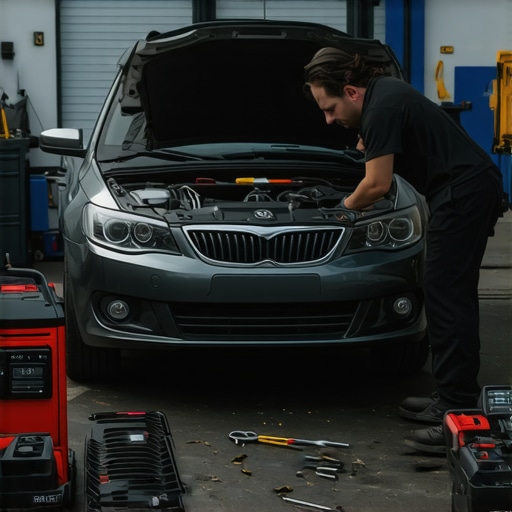
Ever had your car refuse to start after a long drive on a scorching summer day? I remember one sweltering afternoon, pulling into my driveway after a solid 20-minute freeway trip, only to be greeted by silence when I turned the key. Talk about frustration! It’s a problem many car owners face—and it can be downright baffling.
If you’ve ever experienced or fear this issue, you’re not alone. This specific problem, where a vehicle refuses to start only when the engine is hot, can catch you off guard. It’s tempting to think you might be dealing with a dead battery or a faulty starter, but often, the culprit lies deeper—hidden in the complexities of your engine’s components.
Today, I want to share my personal experience and the knowledge I’ve gained to help you troubleshoot this pesky issue. We’ll explore the common causes, how to identify them, and where to turn for reliable repairs. Trust me, understanding what’s happening under the hood can save you time, money, and a lot of stress.
Why Your Car Acts Up Only When It’s Hot
It’s fascinating—and frustrating—how some problems only pop up after your engine warms up. According to auto experts, specific parts like fuel injectors, ignition coils, or sensors can behave differently when heated, leading to starting issues. For instance, issues like a failing ignition coil may work fine when cold but falter when hot, causing the engine to stumble or refuse to start.
In my case, I initially dismissed it as a simple inconvenience. I was quick to replace the battery or check the starter, but those weren’t the problem. A critical mistake I made early on was ignoring the importance of testing components after they heat up. That led me down the wrong path and wasted valuable time.
The truth is, diagnosing a hot-start problem requires a bit more patience and knowledge. It’s a common misunderstanding that if the car starts fine when cold, everything is perfect. But the real test is how your vehicle behaves once it’s been running and the engine is at operating temperature.
If your vehicle has started exhibiting this challenge, don’t worry. There are clear signs to look for, and solutions to try. Next, I’ll guide you through step-by-step methods to identify the root cause. Before we dive into the fix, I want to ask: Have you ever experienced your car refusing to start only after a long drive? If yes, stick around—help is on the way, and it might just save you a trip to the shop.
.jsp
Check the Fuel System for Heat-Related Issues
In my experience, the first step was inspecting the fuel system, especially the fuel pump and injectors. When my car struggled to start after driving on hot days, I listened for the fuel pump priming when turning the key. If you don’t hear it, the pump might be overheating or failing. To test this, turn the ignition on and listen closely for the faint hum of the pump. If absent, consider replacing or repairing it. Remember, a failing fuel pump can act normal when cold but falter when hot. You can also check for clogged fuel filters, which can cause pressure issues under heat stress—similar to how a clogged artery impacts blood flow. For detailed guidance, visit the post on troubleshooting auto repair issues.
Test the Ignition Coils and Spark Plugs
Next, I focused on ignition components. Ignition coils can become resistant when heated, leading to misfires or no-start conditions. To test them, I used a spark tester tool, attaching it between the coil and the spark plug during a hot start attempt. No spark or weak spark indicated coil failure. Swapping out a coil for a known good one temporarily helped me identify the culprit. Similarly, spark plugs can foul or crack with heat, causing starting issues. Ensuring they are clean, properly gapped, and in good condition is vital. For comprehensive tips, check the article on auto repair trends.
Inspect Temperature Sensors and Electronic Components
Electronic sensors, especially the coolant temperature sensor, can provide false readings when hot, causing the ECU to misfire or withhold fuel. I used a multimeter to test sensor resistance at various temperatures, ensuring it matched manufacturer specifications. A faulty sensor might trick the ECU into thinking the engine is cold, but ironically, caused complications when hot. Also, inspect wiring harnesses and connectors for heat-induced damage or corrosion. These damages are like electrical ‘roadblocks’ that disrupt the signals necessary for engine start. For more on electronics troubleshooting, see brake repair and electronics.
Check the Starter System When Hot
The starter itself can be a sneaky culprit. Heat can cause the solenoid or brushes to expand or stick, leading to failure. I attempted a hot start test by turning the key after the engine was already warm. If the starter clicks but doesn’t turn over or is slow to engage, it might be overheating. In some cases, a heat shield can be installed around the starter to prevent this; if the starter tests bad, replacing it is recommended. Think of the starter like a relay race runner; when overheated, they stumble just when you need them most. For detailed troubleshooting, see auto repair troubleshooting.
Use Proper Diagnostic Tools to pinpoint the problem
Finally, I invested in a scan tool to read error codes from the ECU, which can guide you toward specific failures like a malfunctioning sensor or electrical issue. Modern cars store codes related to heat-sensitive components, making diagnostics more straightforward. Remember, a systematic approach saves time and prevents unnecessary parts replacement. If after all checks the issue persists, consulting a professional with experience in hot start glitches is wise. Sometimes, the problem is subtle—like a hairline crack in an ignition coil—requiring expert diagnosis. For more troubleshooting strategies, visit auto repair troubleshooting.
When it comes to car care, many assume that following standard procedures guarantees optimal performance. However, there’s a wealth of nuance and common misconceptions that can trip up even seasoned enthusiasts. One prevailing myth is that a simple tune-up or basic brake service suffices for long-term reliability. In reality, the devil is in the details—neglecting the subtle nuances can lead to costly failures down the line. For instance, many believe that inexpensive brake pads are just as good as premium ones, but overlooking factors like material composition and wear characteristics can compromise safety and longevity. Advanced engine diagnostics reveal that issues like marginal sensor calibration or overlooked electronic anomalies often originate from more complex causes than visible wear, emphasizing the importance of specialized testing techniques.
Why do some repairs seem to fix the problem temporarily but fail to provide a lasting solution?
This often stems from addressing symptoms rather than root causes. Addressing only the superficial symptoms—like replacing a noisy brake pad without inspecting the caliper or rotor—can result in recurrent issues. Studies from automotive research institutions highlight that neglecting underlying systemic problems significantly reduces repair durability. Moreover, a common trap many fall into is using generic parts instead of OEM or high-quality equivalents. This cost-saving approach might seem beneficial initially but can lead to faster wear and more frequent service needs. Always consider that proper brake system repairs involve more than just parts replacement; they require a comprehensive assessment. Additionally, skipping scheduled maintenance or delaying essential services can cause cascading failures. For example, ignoring minor coolant leaks could result in engine overheating and severe damage. According to industry experts, proactive maintenance based on manufacturer recommendations often prevents expensive repairs in the future. Jumping straight into repairs without proper diagnostics is another common mistake. Modern vehicles are equipped with a network of sensors and electronics that require specialized tools to interpret correctly. Relying solely on visual inspection or generic advice may lead you down the wrong path. Consider investing in a professional diagnostic scan to uncover hidden issues before they escalate. Have you ever fallen into this trap? Let me know in the comments. Remember, understanding the underlying nuances of auto repair can dramatically improve your vehicle’s performance and lifespan. For advanced strategies on maximizing your car’s longevity, check out expert tune-up strategies. Keep learning and stay ahead of the curve—your car will thank you.Maintaining your vehicle’s health over time requires the right tools and a strategic approach. From diagnostic scanners to specialized lubricants, investing in quality equipment can save you money and prevent unexpected breakdowns. I personally rely on a few key items, such as a high-quality OBD-II scanner like the BlueDriver, which provides comprehensive error code reports and live data. This device allows me to identify issues before they escalate, especially in complex systems like the ABS or transmission.
Another essential tool is a digital multimeter with automotive-grade probes. It enables precise testing of sensors and electrical components, ensuring their resistance and voltage levels are within manufacturer specifications. For example, regularly checking the coolant temperature sensor with a multimeter can reveal subtle faults that might cause overheating or poor fuel economy.
When it comes to fluid maintenance, I swear by a good-quality brake fluid tester. Brake fluid absorbs moisture over time, compromising braking efficiency. Using a refractometer helps me determine when to flush and replace brake fluid, thereby maintaining optimal brake performance. For long-term results, adhering to scheduled replacements based on your vehicle’s service manual is crucial.
In addition to physical tools, software plays a vital role. I use repair manuals like ALLDATA or Mitchell1, which offer detailed wiring diagrams, troubleshooting guides, and service bulletins. These resources are invaluable for diagnosing hard-to-pinpoint issues and understanding the intricate systems in modern vehicles.
Looking ahead, the trend towards digital diagnostics and autonomous testing will grow. Future tools may incorporate AI-driven analysis, predicting failures before symptoms manifest. Staying updated with the latest technology ensures you’re equipped to handle evolving auto systems.
How do I maintain my vehicle’s health over time? Consistent inspections, proactive fluid changes, and using precise diagnostic tools are key. I recommend scheduling regular auto repair trend checks to stay ahead of potential issues.
Want to boost your car’s longevity? Start with a thorough check of your brake system using a brake fluid refractometer. This simple step can prevent costly brake failures and enhance safety—try it today! Regularly invest in quality tools, keep up with manufacturer guidelines, and leverage advanced diagnostics to keep your vehicle in top shape for years to come.
What I Wish I Knew About Heat-Related Engine Failures
One of the biggest lightbulb moments in my auto repair journey was realizing that not all malfunction signs point to the obvious. A car refusing to start only after a long drive was initially thought to be a simple battery or starter issue, but deeper inspection revealed heat-sensitive components at fault. Recognizing that ignition coils and sensors can behave differently when hot changed everything for me. It emphasized the importance of testing parts at operating temperature to catch elusive problems.
My Unexpected Lesson in Proactive Diagnostics
Previously, I’d only rely on visual checks or basic tests, assuming problems would be apparent. However, I learned that investing in a quality diagnostic scanner and conducting temperature-specific tests can unveil hidden issues before they turn into breakdowns. This proactive approach has saved me time and money, and it can do the same for you—so don’t overlook the value of the right tools and thorough checks when diagnosing heat-related start-up problems.
Realizing the Power of Systematic Troubleshooting
During my troubleshooting, I discovered that focusing on one component often led me astray. By adopting a systematic method—checking fuel, ignition, sensors, and starter systems in a logical sequence—I uncovered root causes more efficiently. This structured approach to auto repair not only improves accuracy but also builds confidence in diagnosing complex issues like heat-induced failures.
The Hidden Significance of Understanding Your Car’s Electronics
It surprised me how electronic sensors, especially coolant temperature sensors, could cause start issues when hot. Testing and understanding these sensors’ resistance changes at different temperatures was a game-changer. It made me realize that mastering electronics troubleshooting and staying updated on wiring and ECU behaviors are vital skills for modern car care.
Embracing Continuous Learning for Better Auto Care
Every problem uncovered turned into a learning experience. From replacing faulty ignition coils to understanding ECU signals, each step deepened my knowledge. Sharing this journey encourages you to see auto repair as an ongoing education—embrace new tools, resources, and insights. Remember, every challenge you face is an opportunity to become more proficient and confident in maintaining your vehicle’s health.
My Essential Toolbox That Elevated My Repairs
Over time, I trusted specific tools that proved invaluable: a reliable OBD-II scanner like BlueDriver helped me decode complex error codes; a digital multimeter guided me through electrical tests; and a brake fluid refractometer ensured my brake system stayed in top shape. These tools, along with comprehensive repair guides from trusted sources, are the foundation of effective auto troubleshooting. Investing in quality equipment means fewer surprises and more peace of mind on the road.
Keep Learning, Keep Driving Smarter
The automotive world is evolving rapidly, with new electronic systems and diagnostics tools emerging constantly. Staying curious, updating your knowledge, and investing in the right resources will empower you to tackle heat-related start issues confidently. Your vehicle’s reliability and your peace of mind depend on it. To stay ahead, explore resources like auto repair trends and integrate new strategies into your routine.
The Next Step Is Yours
Are you ready to turn your auto repair frustrations into confidence? Whether you’re troubleshooting a stubborn hot-start problem or maintaining your vehicle proactively, the right knowledge and tools make all the difference. Remember, your car is a complex system—approach it with patience, curiosity, and the willingness to learn. Don’t wait for a breakdown—start today and keep your vehicle running smoothly for miles to come.