

One summer afternoon, I was cruising down the highway, feeling like I had it all together. Suddenly, my dashboard lit up with that ominous check engine light. My heart sank. How could my car be fine during city drives but throw a warning when I hit the open road? That light haunted me for weeks, turning a simple drive into a source of anxiety. If you’ve experienced something similar—driving on the highway and suddenly seeing that warning—you’re not alone. It’s a perplexing frustration that many car owners face, and here’s the thing: understanding why this happens can save you a lot of stress and money.
Decoding the Highway Check Engine Mystery
In my own journey to solve this puzzle, I discovered that the check engine light isn’t just a vague warning—it’s your car’s way of communicating specific issues. When it appears only on the highway, it often points to conditions that change with driving speed and engine load. For instance, certain sensors or components might only be stressed or reach their limits at higher speeds, triggering the light. Think of it like a warning sign popping up when the problem becomes more pronounced under certain conditions. By paying attention to when and how your light comes on, you can narrow down the root cause before heading to the shop.
Is It Really a Big Deal or Just Overthinking?
Early on, I made the mistake of ignoring the warning, believing it was a minor glitch. Turns out, that was a rookie error. A fellow mechanic friend once told me that ignoring the check engine light can lead to costly repairs down the line. Studies show that routine diagnostic checks and timely maintenance can prevent expensive fixes and improve your vehicle’s safety and efficiency. For example, regular tune-ups not only keep your car running smoothly but can also reveal underlying issues that only manifest under specific driving conditions, like highway speeds. Curious about keeping your ride in top shape? I recommend checking out this guide on tune-ups to learn how proper maintenance can help.
In the sections ahead, I’ll walk you through practical steps to diagnose and fix the common reasons your check engine light plays hide-and-seek during highway drives. Ready to demystify this problem and get your car back to reliable, safe performance? Let’s dig in!
Start With a Clear Diagnostic Mindset
When the check engine light activates only on the highway, it indicates a sensor or system reacting to higher speeds or engine stress. My first move was to grab a basic OBD-II scanner, similar to a mechanic’s toolkit, to read the trouble codes. I connected it directly to my car’s diagnostic port under the dash, just like plugging a USB into a computer. The screen flashed a code, such as P0138, signaling a specific problem. Doing this first saves time and money by pinpointing issues rather than guessing.
Identify and Inspect Key Components
Check the Mass Air Flow Sensor
This sensor measures air entering the engine, affecting fuel mix and performance. High speeds increase air flow demand, so a dirty or faulty MAF sensor might trigger warnings only on the highway. I gently removed mine and cleaned it with sensor cleaner, avoiding damaging the delicate element. If cleaning doesn’t help, testing with a multimeter can confirm if replacement is necessary, like replacing a faulty pressure gauge in a bicycle tire. Properly functioning MAF sensors maintain optimal fuel efficiency.
Evaluate Spark Plugs and Ignition Coils
Engine misfires at high RPM often cause check engine lights. I removed the spark plugs, inspecting for fouling or wear that can cause misfiring under load. Replacing worn plugs or coils restored smooth acceleration. Think of spark components as the ignition’s spark in a campfire—if they’re weak or inconsistent, the fire sputters. Regular replacement based on manufacturer intervals prevents surprises during highway drives. For a comprehensive maintenance plan, check out this expert tune-up strategy.
Assess the Exhaust and Catalytic Converter
The catalytic converter controls emissions and can clog over time, especially after city stop-and-go traffic. But at higher speeds, restrictions become more apparent. I listened for unusual exhaust noises and checked for excessive heat. If the converter is clogged, performance drops, and the sensor detects unburned gases. Clearing or replacing it restores efficiency. Remember, a clogged converter isn’t just a performance hit but also an emissions concern—prolonged neglect risks failing emission tests and incurring fines. For detailed inspection techniques, see this auto repair trend report.
Test Suspension and Wheel Alignment
Though seemingly unrelated, wheel misalignment can cause uneven tire wear that affects vehicle dynamics at highway speeds. I jacked up the car and spun the wheels to check for wobble or resistance. Slight misalignments can increase strain on engine components and trigger the check engine light. Proper alignment and balance improve handling and reduce stress on parts, preventing false warnings. Nearby potholes or hitting curbs can throw off your alignment—an easy fix to reduce highway issues. For detailed tips on maintaining your suspension, visit this brake system repair guide.
Maintain Regular Tune-Ups for Highway Confidence
After applying these diagnostic steps, I scheduled a comprehensive tune-up, which included replacing filters, timing adjustments, and fluid changes. Regular maintenance acts like a health check, preventing unexpected warning lights. Think of a tune-up as a wellness exam—catching small issues before they become expensive repairs. Routine tune-ups boost fuel efficiency, engine longevity, and your peace of mind on long drives. To learn how to optimize your car’s performance, explore this detailed guide on tune-up benefits.
In the world of auto maintenance, there’s a lot of misinformation circulating, leading many car owners to underestimate or overlook critical aspects of proper care. While common advice focuses on routine checks, the real nuances often go unnoticed, especially when it comes to tuning up your vehicle or understanding brake service and general auto repairs. Let’s dig deeper into these misconceptions and uncover the truths that can save you money and keep your car running smoothly.
Why the Popularity of “Change Your Oil Regularly” Might Be Misleading
Many believe that simply sticking to the manufacturer-recommended oil change intervals is enough for a long-lasting engine. However, expert mechanics know that the quality of driving conditions plays a significant role. For instance, city stop-and-go traffic can cause more engine wear than highway cruising, even if oil changes are scheduled on time. Using high-mileage oil or synthetic blends can offer better protection, especially for vehicles with high mileage, but only if paired with regular inspections. Relying solely on the odometer or time interval may lead you to miss early signs of engine stress, making routine diagnostics essential. For deeper insights, see this guide on tune-up benefits.
Brake Service Myths That Could Cost You
A common misconception is that brake pads need replacement only when they are completely worn down to the metal. In reality, irregular brake pad wear, contaminated brake fluid, or warped rotors can cause reduced braking performance long before pads are visibly thin. Some think that brake noises always signal the need for new pads, but in fact, squealing could simply mean the wear indicator is contacting the rotor or that the brake system needs lubrication. Ignoring these signs might result in rotor warping or even brake failure under heavy use, especially during long downhill drives. Make sure to get a professional assessment that goes beyond the surface by reading this article on brake service myths.
Common Pitfalls in Car Service Don’t Fall Into
Many car owners fall into the trap of prioritizing quick fixes over comprehensive maintenance. For example, replacing a worn belt or hose without inspecting related components, or neglecting fluid replacements like transmission or coolant fluid, can lead to bigger issues down the line. It’s tempting to opt for the cheapest oil change or service package, but that often excludes necessary diagnostics like checking for leaks, sensor performance, or computer system updates. Regular, holistic vehicle maintenance has been shown to extend the lifespan of your car significantly, according to studies like the one found at this comprehensive auto service guide. Don’t underestimate the value of a detailed inspection.
What Advanced Car Owners Should Watch For When Scheduling Repairs
For the seasoned car enthusiast or those who rely heavily on their vehicle, understanding the subtle signs of emerging issues is crucial. For instance, slight changes in engine response during highway acceleration or unusual vibrations may indicate suspension problems or drivetrain imbalances. Regularly updating your knowledge about the latest auto repair trends can give you an edge; for example, newer vehicles depend heavily on electronic sensors that can cause issues if neglected. According to this trend analysis, embracing a proactive attitude toward diagnostics and maintenance can save hundreds on repairs and improve safety.
Understanding these nuanced aspects of auto care helps you make smarter decisions, avoid unnecessary expenses, and prolong your vehicle’s life. Have you ever fallen into this trap of oversimplifying or ignoring key maintenance needs? Let me know in the comments!
Maintaining your vehicle’s performance over time requires more than just routine oil changes; it demands the right tools, meticulous methods, and a proactive approach to auto repair and service. One of my favorite investments is a high-quality OBD-II scanner. Unlike generic code readers, I recommend a professional-grade device like the BlueDriver Bluetooth Scanner. It connects via Bluetooth and provides detailed diagnostics, including real-time data and custom troubleshooting guides. I personally use it to monitor sensor readings before they trigger warning lights, saving time and preventing minor issues from becoming costly repairs. Regular use of such tools helps me catch anomalies early, especially those that manifest only under highway driving conditions.
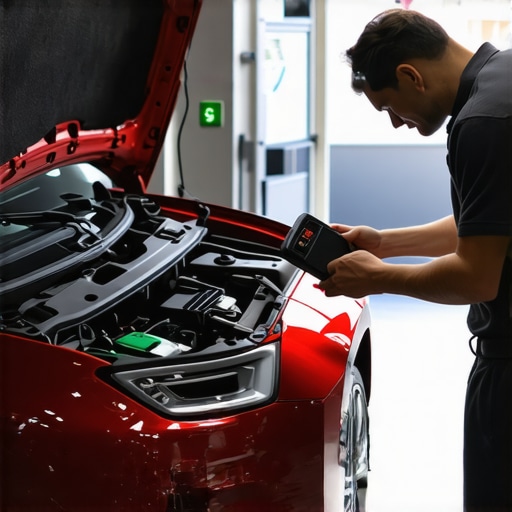
This scanner’s ability to communicate with your vehicle’s onboard computer allows for precise diagnosis, which I find invaluable given the complex interplay of modern electronic systems. Paired with diagnostic software like OBDeleven, it gives me insights into my car’s health, informing maintenance schedules and ensuring that parts like the fuel system, ignition, and sensors are in top shape. Looking ahead, the trend is shifting toward more integrated diagnostic tools that connect directly to smartphones, offering even more streamlined maintenance tracking.
How do I maintain auto repair tools over time?
Keeping your diagnostic equipment and basic repair tools in pristine condition involves regular calibration and cleaning. For electronic devices like scanners, I keep firmware updated and store the devices in anti-static cases. Hand tools such as socket sets and screwdrivers should be cleaned and lubricated periodically to prevent rust and ensure precision. I also invest in a tire pressure gauge next to my compressor, which I use weekly. Proper tire pressure not only prolongs tire life but also improves fuel efficiency and safety during highway drives. Consistent maintenance of your toolkit is an investment in your vehicle’s longevity and your own safety on the road.
For more comprehensive guidance on regular maintenance and auto repair strategies, I highly recommend checking out this detailed article. It offers expert advice on forming a maintenance routine that detects potential issues early, saving you money and stress.
If you haven’t already, try calibrating your OBD-II scanner to ensure accurate diagnostics the next time your check engine light flickers during highway speeds. This simple step can dramatically improve your ability to identify and address problems before they escalate—think of it as giving your car a health check-up before a long journey. Remember, proactive maintenance isn’t just about fixing problems; it’s about maintaining the confidence that your vehicle will perform reliably when you need it most.
Lessons That Changed My Approach to Auto Maintenance
One of the biggest insights I gained was understanding that not all warning lights are created equal. When I first started diagnosing my car’s highway check engine light, I assumed it was the same as city driving issues—but it wasn’t. Realizing that specific conditions trigger separate problems, like sensor sensitivity at higher speeds, helped me tailor my repairs better. Another lightbulb moment was discovering the importance of proactive diagnostics. Waiting until the light was blinking or the car was struggling could cost a fortune; catching issues early has kept my vehicle running smoothly. Finally, I learned that investing in quality tools, like a professional-grade OBD-II scanner, transforms troubleshooting from guesswork into precision work, saving both time and money.