

Ever been cruising down the highway, only to hear a strange squeal or feel a strange vibration in your brakes? I sure have, and I remember the sudden jolt of realization that something wasn’t right. It was a typical Saturday, and I was just about to meet up with friends when my car started making this unsettling noise. That moment, right then, was like a lightbulb turning on in my head. I knew I was neglecting an important detail about my vehicle’s safety.
Why Ignoring a Cracked Brake Rotor Is a Risk You Can’t Take Lightly
As a car enthusiast and someone who’s had their fair share of auto mishaps, I’ve learned that minor issues often snowball into big problems—especially when it comes to brake systems. A cracked brake rotor might seem like a small defect at first glance, but it can escalate quickly. Driving with one isn’t just dangerous; it can lead to catastrophic failure. Just imagine the frustration—and danger—of getting caught mid-slowdown because your brake rotor crumbled right then and there.
Research shows that brake failure accounts for a significant portion of vehicle accidents, and many of these could be prevented with proper maintenance. A cracked rotor causes uneven brake pad contact, which accelerates wear and can even lead to a complete brake loss. Trust me, I made the mistake early on of dismissing that little squeak as a minor issue. But neglect only made it worse—leading me to pay much more later.
Here’s the thing: It’s easy to ignore small warning signs, especially if your vehicle still stops when you press the pedal. But that stubborn squeal or pulsing brake pedal is your vehicle’s way of telling you something’s wrong. Don’t wait for a complete failure. Regular inspection and maintenance of your brake system—like the ones detailed in our comprehensive car service checklist—are essential for safety.
So, have you ever experienced that unsettling feeling or unusual noise while braking? If so, you’re not alone, and it’s better to catch these issues early than deal with the consequences later. Next, let’s explore what actually happens inside your brake system when the rotor cracks—so you can understand why prompt action is crucial before it’s too late.
Inspect the Damage Thoroughly
Begin by safely lifting your vehicle using a hydraulic jack and securing it with jack stands. Remove the wheel to access the brake rotor. Examine the rotor for visible cracks, grooves, or warping. Use a flashlight to spot any hairline fractures or uneven surfaces. Pro tip: Take a photo of the damage; it helps when discussing repairs with a mechanic or ordering parts.
Remove the Old Brake Rotor
Loosen the nuts securing the caliper and bracket, then carefully slide out the caliper assembly, hanging it safely to avoid stress on the brake hose. Unscrew the mounting bolts holding the rotor in place. If the rotor is stuck due to rust or debris, gently tap it with a rubber mallet. Use a gentle tap to avoid damaging the hub.
Prepare the Surface for a New Rotor
Clean the hub surface with a wire brush to remove rust and debris, ensuring the new rotor seats perfectly. Check the hub for any play; if there’s excessive movement, inspect the wheel bearing. Note: A smooth hub surface is critical for proper brake function and avoiding future issues.
Install the New Rotor Correctly
Slide the new rotor onto the hub, aligning bolt holes. Hand-tighten the mounting bolts, then torque them to manufacturer specifications using a torque wrench. Follow the pattern recommended in your vehicle’s manual to ensure even seating. Proper torque prevents warping and ensures safety.
Reassemble and Test Your Brakes
Reinstall the caliper bracket and brake pads, then reconnect the caliper over the new rotor. Before lowering the vehicle, pump the brake pedal several times to seat the brake pads against the rotor. Make sure there’s firm resistance. Finally, start the engine and test the brakes at low speed in a safe area. Warning: If the pedal feels spongy or sinking, revisit the brake fluid system.
Adjust and Confirm the Repair
Check for abnormal noise or vibration upon braking. If everything feels normal, set the wheel lug nuts to the correct torque. Take a short test drive, paying close attention to stopping power and noise levels. For ongoing safety, consider scheduling a professional brake system checkup.
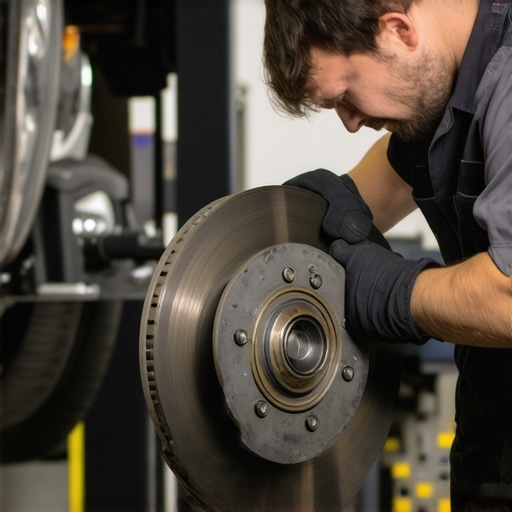 While many car owners believe they understand how their vehicle should be maintained, there’s often a gap between perception and reality, especially regarding auto repair, tune-ups, and brake service.One widespread myth is that all auto repairs are straightforward and can be fixed with a quick DIY approach. In reality, modern vehicles are highly complex, with systems that require specialized knowledge and diagnostic tools. Relying solely on online tutorials or general knowledge can lead to incomplete repairs or overlooked issues, resulting in further damage and higher costs.It’s also common to think that maintenance is only needed when something visibly malfunctions. However, preventative measures like scheduled regular tune-ups are crucial for optimal performance and longevity. Skipping these can cause minor problems to escalate into major repairs, especially with critical components like the brake system.
Are routine inspections enough to prevent costly brake failures?
Many believe that if their brakes still stop the car, everything is fine. But this overlooks the importance of nuanced diagnostics, such as measuring rotor thickness or detecting early pad wear, which are vital for safety. Experts emphasize that subtle signs, like a slight pulsing or increased stopping distance, can indicate underlying issues that aren’t immediately apparent. According to a study by the National Highway Traffic Safety Administration, neglecting early signs of brake deterioration significantly increases accident risk.Therefore, understanding these nuances and avoiding the trap of complacency can save you money and, more importantly, lives. Never underestimate the importance of professional inspections and staying informed about your vehicle’s condition. For comprehensive guidance, visit our car service checklist and ensure your vehicle remains in top shape. Have you ever fallen into this trap? Let me know in the comments.Maintaining your vehicle over the long term requires more than just basic knowledge; it demands the right tools and disciplined routines. As a seasoned auto repair enthusiast, I rely on specific equipment that guarantees precision and efficiency. For instance, a digital torque wrench is indispensable for ensuring that bolts—especially those on brake components—are tightened to manufacturer specifications, preventing warping or loosening over time. I personally use the Tekton Digital Torque Wrench because of its accuracy and ease of calibration. Regular diagnosis tools, like an OBD-II scanner such as the BlueDriver app combined with a Bluetooth adapter, allow me to catch trouble codes early—saving me from major headaches later. These tools give me real-time insights into engine health and emissions, making routine performance checks more manageable. When it comes to preventive maintenance, I swear by a quality set of microfiber cloths and a UV-safe cleaner for inspecting brake components. Using these, I regularly examine rotors and pads during routine tune-ups, which you can review in detail at our brake repair guide. Looking ahead, I believe the trend is moving toward integrated diagnostics—where software will predict failures before they happen, offering proactive interventions rather than reactive repairs. To stay ahead, investing in a comprehensive diagnostic scanner and keeping up with software updates will be crucial.
How do I maintain auto systems so they perform reliably over years?
Consistent application of these tools paired with scheduled inspections—like those outlined in our car service checklist—ensures your vehicle remains in top shape. I recommend dedicating just 15 minutes monthly to check critical components with your diagnostic tools. For example, testing brake fluid clarity and pressure with a dedicated tester can prevent costly brake failures. Why not take your maintenance to the next level by incorporating diagnostic scans into your routine? It’s an advanced step that could be the difference between a smooth ride and a roadside emergency.
Through years of hands-on experience and a lot of late-night troubleshooting, I’ve realized that understanding the subtle signs of brake issues can save you heartache and money. The biggest lesson I learned was to never dismiss early warning signs like unusual noises or vibrations—they’re your vehicle’s way of keeping you safe if you listen closely. Regularly inspecting your brake system isn’t just maintenance; it’s a proactive step to keep danger at bay, especially when it comes to cracked rotors which can escalate swiftly from minor inconveniences to serious safety risks. Don’t wait until you’re stranded or involved in a mishap; embrace routine checks and trust your instincts. Plus, leveraging expert tools and resources, like the comprehensive car service checklist, can make all the difference in maintaining peak brake performance. Remember, staying vigilant and informed is your best defense against costly repairs and accidents.
Insider Wisdom: Lessons That Changed My Approach to Brake Maintenance
- Pay Attention to the Little Things: A squeal or pulsing brake pedal often signals something more serious—acting early can prevent expensive repairs down the line.
- Quality Tools Matter: Investing in a good torque wrench and diagnostic scanner has saved me countless trips to the mechanic, helping me catch issues before they escalate.
- Seek Expert Advice: Even the most confident DIYers benefit from occasional professional inspections, especially for critical components like rotors and wheel bearings.
- Don’t Rely Solely on Visual Cues: Sometimes, rotors can crack internally or develop microfractures that aren’t immediately visible. Regular measurement of rotor thickness is essential.
Curated Gear and Knowledge for Your Brake Upkeep
- Tekton Digital Torque Wrench: Precise tightening of brake components ensures longevity and prevents warping—an investment I highly recommend for serious DIY projects.
- BlueDriver OBD-II Scanner: This tool gives me early warnings about brake-related codes, making diagnostics straightforward and reliable.
- Brake System Maintenance guides: Staying on top of scheduled tune-ups helps nip brake issues in the bud before they become costly repairs.
- Educational Resources: Reading up through trusted blogs and auto repair sites keeps me informed about evolving techniques and safety standards—knowledge that directly benefits my vehicle’s health.
Your Responsibility: Own the Road and Your Maintenance
Taking control of your vehicle’s health isn’t just about avoiding breakdowns; it’s about ensuring you’re always ready to respond to the unexpected. Regular inspections, listening to your vehicle’s signals, and using the right tools empower you to be your own mechanic. The road is unpredictable, but with vigilance and the right mindset, you can dramatically extend your vehicle’s lifespan and safeguard your loved ones. So, what small step can you take today that will make a big difference tomorrow? Remember, your proactive approach to brake and car care can turn potential disasters into safe, smooth rides. Keep learning, stay attentive, and take pride in your role as your own best mechanic.
Engage Your Experience—Share Your Insights
Have you ever caught a brake issue early or learned a valuable lesson the hard way? I’d love to hear your stories and tips. Drop a comment below and let’s grow our auto care knowledge together!