

I remember the exact moment I realized I was in trouble with my car—an odd shuddering at startup and a slight squeal that just wouldn’t quit. It hit me like a punch in the gut: my aging engine was sending subtle signs that I had ignored, and I wondered, “Is this the beginning of the end for my timing belt?” That lightbulb moment made me realize how often we’re caught off guard by something as crucial—and as overlooked—as the timing belt.
Why Paying Attention to Your Timing Belt Could Save You Thousands
Understanding when your timing belt might give up is more than just a mechanic’s caution; it’s a personal necessity. The truth is, a snapped timing belt can lead to catastrophic engine damage, often leaving you with a repair bill in the thousands. Early detection isn’t just helpful—it’s essential for avoiding expensive pitfalls. My own mistake was trusting a visual inspection without truly knowing what to look for, which is a common trap for many car owners. According to industry experts, regular checks can prolong your engine’s life and save you from unexpected breakdowns—something I learned the hard way. Curious if your vehicle might be at risk? Keep reading; I’ll walk you through what signs to watch for and how to stay ahead of potential disaster.
Inspect Your Timing Belt Regularly
Start by visually inspecting your timing belt for cracks, fraying, or missing teeth—think of it like checking the tread on your tires. I once caught a small crack during a routine inspection, which saved me from a costly engine repair. Use a flashlight and a mirror if needed, and look for signs of wear on the belt’s surface.
Follow the Manufacturer’s Replacement Interval
Next, adhere to the replacement schedule provided in your vehicle’s manual, typically between 60,000 and 100,000 miles. Setting a reminder on your calendar ensures you don’t forget, much like scheduling a regular tune-up to maintain peak performance. When I reached my mileage limit, I booked an appointment immediately, preventing potential engine damage.
Replace Other Components During Belt Service
While the mechanic works on your timing belt, make sure they replace related parts like the tensioner and pulleys—they’re like the supporting cast in a play, crucial for smooth operation. Skipping this step can lead to belt slippage or failure shortly after. I learned this the hard way when only replacing the belt led to a quick failure due to worn pulleys.
Use Genuine Parts for Replacement
Opt for genuine or high-quality aftermarket parts to ensure durability. It’s similar to choosing premium oil for your engine—investing now saves money later. During my last replacement, I insisted on OEM parts, which gave me peace of mind and extended the life of my components.
Schedule a Professional Inspection Post-Replacement
After replacing your timing belt, have a professional perform a comprehensive inspection to confirm everything aligns perfectly. Think of it as getting a second opinion; I always request a thorough check to catch issues I might have missed. This step can prevent unexpected breakdowns and keep your engine running smoothly.
Keep Track of Your Maintenance Records
Maintain detailed records of all replacements and inspections. It’s like having a health journal for your vehicle, helping future mechanics diagnose issues faster. When I showed my records to a new mechanic, they appreciated the detailed history, making the process quicker and more efficient.
Stay Informed About Your Vehicle’s Needs
Finally, regularly consult trusted resources or your mechanic about your car’s specific maintenance needs. Staying proactive is like tending a garden—you’ll notice problems early and can address them before they become serious. Remember, routine checks and timely replacements are the keys to extending your car’s lifespan and avoiding costly repairs.When it comes to auto repair, many car owners operate under common misconceptions that can lead to costly mistakes. One widespread myth is that all brake pads are created equal; in reality, cheap brake pads often wear out faster and can damage your rotors, costing you more in the long run. Many believe that routine oil changes suffice for overall engine health, but neglecting critical services like spark plug replacements or fuel system cleanings can diminish performance and efficiency. Let’s explore some nuanced pitfalls that even seasoned drivers often overlook. For example, it’s a common mistake to assume that visual inspections are enough to gauge the health of internal components. Modern diagnostics reveal that many failures are hidden beneath the surface, requiring professional testing to prevent surprises.
Why aren’t my diagnostic codes always reliable indicators of issues?
Studies indicate that relying solely on error codes can sometimes mislead you, especially for complex systems where multiple sensors can give false positives or negatives. According to automotive experts, integrating diagnostic scans with a thorough physical examination and understanding common failure patterns enhances troubleshooting accuracy. So, next time you visit your mechanic, ask whether they employ comprehensive diagnostic tools rather than just clearing error codes. Moreover, a less obvious mistake involves neglecting regular system calibrations after repairs. For example, replacing a sensor without proper calibration can lead to inaccurate readings, affecting everything from fuel efficiency to safety features. As highlighted by industry research, precise calibration must follow component replacements to ensure optimal function. Don’t forget that the quality of parts used during repairs also influences longevity. Opting for aftermarket over OEM parts might seem cost-effective initially but can compromise durability and lead to premature failures. For those keen on optimizing their vehicle’s lifespan, understanding these hidden nuances is essential. This brings us to the significance of staying informed through trusted resources and expert consultations. For instance, keeping pinpointed maintenance schedules aligned with your vehicle’s specific needs prevents avoidable breakdowns. Want to know how to identify the right maintenance intervals? Check out our comprehensive [car service checklist](https://glassfixauto.com/car-service-checklist-how-to-keep-your-vehicle-in-top-shape). Remember, being proactive about these advanced nuances and myth-busters can save you from unexpected expenses and extend your vehicle’s life. Have you ever fallen into this trap? Let me know in the comments.Maintaining your vehicle’s peak performance requires more than just occasional visits to the mechanic; it involves investing in reliable tools and adopting effective methods that simplify ongoing maintenance. Personally, I’ve found that having a dedicated set of diagnostic and repair equipment not only saves me money but also enhances my understanding of my car’s needs.
Precision Tools Make All the Difference
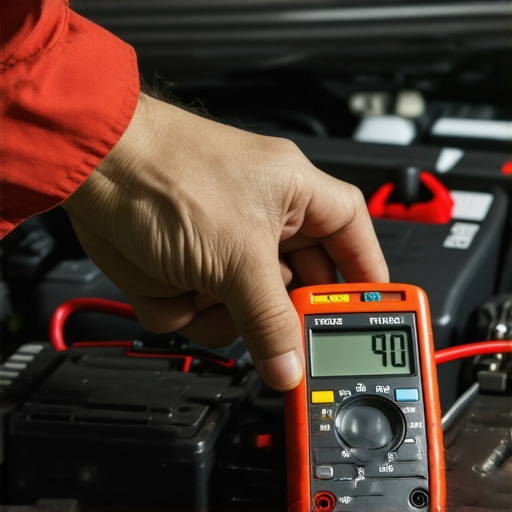
One of my go-to investments has been a high-quality digital multimeter. This device allows me to accurately test battery voltage, alternator output, and sensor voltages without relying solely on diagnostic codes. I personally prefer the Fluke 115 because of its durability and accuracy—it’s a tool I trust during routine checks.
Embracing Diagnostic Software for Better Troubleshooting
In addition to physical tools, I recommend using software like OBDLink MX+ combined with comprehensive diagnostic apps. These tools provide real-time data and allow me to clear error codes, perform system resets, and even monitor live sensor data. This approach has been invaluable when pinpointing issues that aren’t immediately obvious, saving me trips to the mechanic and ensuring problems are genuinely resolved.
Routine Checks with Quality Supplies
Keeping essential supplies like a good flashlight, pry tools, and microfiber cloths helps me perform minor inspections and cleanings. For example, regularly checking and cleaning the air filter and spark plugs extends their lifespan and maintains optimal engine performance. I use a telescoping mirror to inspect hard-to-reach areas, a simple addition that makes a big difference in diagnostics.
Planning for Scalability and Future Tech
Looking ahead, I believe vehicle maintenance will increasingly lean on integrated systems and IoT devices. Future trends suggest that cars will regularly communicate data directly to service providers, making proactive maintenance even easier. Staying ahead means investing in compatible diagnostic tools now, like Bluetooth-enabled scanners, so your garage can adapt to evolving technology. For instance, advanced scanner models can connect directly to your smartphone, giving you detailed reports and maintenance alerts—features I anticipate becoming standard soon.
How do I maintain long-term reliability through tools? First, I schedule quarterly diagnostics using my trusted scanner to catch any subtle issues early. Second, I keep a detailed log of readings and repairs, much like maintaining a health record, which aids in spotting patterns over time. Lastly, I stay informed about emerging repair trends by reading industry updates and attending local workshops. To optimize your vehicle’s lifespan, consider reading more on expert tune-up strategies that complement your toolset.
Lessons Only the Wise Auto Enthusiast Learns Along the Road
One of the most profound lessons I learned is that preventive maintenance isn’t just about fixing problems—it’s about understanding your vehicle’s unique heartbeat. Recognizing early signs of wear, like subtle vibrations or slight changes in engine sound, can be the difference between a minor tweak and a costly overhaul. I also discovered that quality parts and tools aren’t optional—they’re investments in your car’s future, preventing premature failures. Lastly, staying curious and informed, whether through trusted resources or expert advice, empowers you to catch issues before they escalate, turning everyday car care into a personal mastery that saves both money and peace of mind.