
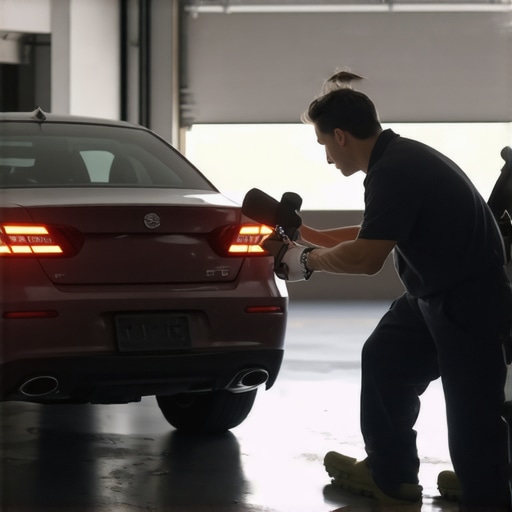
I still remember the chilly morning when I rolled up to the testing station, heart pounding, nervous sweat creeping down my brow. Just a few months earlier, I’d failed my emissions test—again. It felt like my car was mocking me, refusing to cooperate. That moment ignited my determination to crack the code on passing first time, every time. If you’ve ever been in my shoes, you know the frustration of last-minute scrambles and costly re-tests. But here’s the good news: passing your emissions test isn’t about luck; it’s about understanding your vehicle and doing a little prep work. Today, I’m revealing the proven strategies I’ve learned, tested, and fine-tuned. Stick around, because your next test can be a breeze, not a nightmare.
Why Most People Struggle with Emissions Testing
Many drivers, including myself at one point, underestimate how much their car’s health impacts emissions results. Small issues—like a dirty air filter or worn spark plugs—can cause your vehicle to emit more pollutants than permitted, leading to failure. A study by the Environmental Protection Agency highlights that many vehicles fail tests due to preventable problems, which means a little attention beforehand can save you time and money. I used to think I could just ‘hope’ the car was fine, but that’s a risky gamble. The real secret lies in proactive maintenance and tuning your vehicle for optimal performance. Have you faced that sinking feeling of waiting anxiously at the station, only to hear that dreaded failure beep? If so, trust me, you’re not alone—and there’s a way to flip the script.
Is Your Car Ready or Just Lucky?
Early in my auto repair journey, I made the mistake of assuming everything was in order because the car seemed okay. Turns out, a quick check of the exhaust system could have saved me from multiple failures. It’s tempting to ignore small signs of trouble—like dimming dashboard lights or sluggish acceleration—but these are often warning signals that your vehicle isn’t running clean. Taking the time to properly diagnose and fix these issues before testing is crucial. For deeper insights on maintaining vehicle health, check out auto-repair trends that emphasize proactive care. Now, armed with this understanding, let’s look into the key steps to prepare your car for that all-important test day.
Conduct a Visual Inspection of Critical Components
Start by opening the hood and examining your engine bay for obvious issues. Look for cracked hoses, loosened or frayed wires, and any oil leaks. A quick visual can reveal worn belts or clogged air filters that significantly impact emissions. For example, I once found a cracked vacuum hose during my own inspection, which was causing high emissions and leading to test failure. Replacing or repairing these small issues can often be done at home or by informing your mechanic.
Replace the Air Filter and Spark Plugs
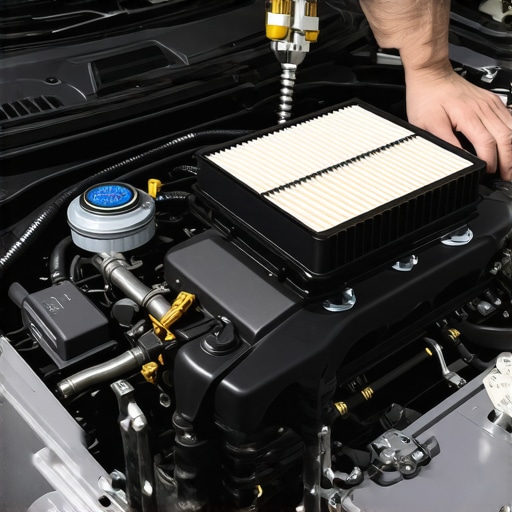
Your air filter acts like your lungs; if it’s clogged, your engine can’t breathe properly, increasing pollutants. Remove the air filter and inspect it; if it’s dirty or clogged, replace it immediately. Similarly, worn spark plugs can cause misfires, leading to incomplete fuel combustion and higher emissions. I once changed my spark plugs on a weekend, following a tutorial, and noticed smoother engine operation — a key factor in passing emissions tests. Regular replacement ensures your engine runs cleanly and efficiently.
Perform an Engine Tune-Up
Adjust your engine’s timing, check oxygen sensors, and ensure your fuel injectors are clean. These steps optimize fuel combustion, directly reducing emissions. Think of tuning as calibrating a musical instrument — precise adjustments make the engine sing and emit fewer pollutants. I used a torque wrench to set the timing accurately, which made a noticeable difference in emissions and overall engine response. For detailed procedures, consult your vehicle’s service manual or a trusted mechanic.
Assess and Replace Fluids as Needed
Old or contaminated fluids can impair engine performance and increase pollutants. Focus on changing your engine oil, transmission fluid, and coolant. Use the correct type specified for your vehicle. Dark, gritty brake fluid, for instance, can cause brake system issues that indirectly affect emissions compliance. Regular fluid changes, like those outlined in tune-up strategies, help maintain optimal engine operation and emissions readiness. Ensure all fluid levels are correct and free of contaminants before testing.
Check and Adjust Emission-Related Sensors
Sensor malfunction can lead to erroneous readings, causing the engine control unit to mismanage fuel mixture. Use an OBD-II scanner to identify any error codes. If sensors like the oxygen sensor or mass airflow sensor are faulty, replace or repair them. This step is vital because faulty sensors can cause the engine to run rich or lean, increasing emissions. I once cleared a code related to my oxygen sensor, which improved my emissions results without needing other repairs.
Test Drive and Monitor for Warning Lights
After repairs and adjustments, take your vehicle for a test drive. Accelerate smoothly and avoid abrupt stops. Keep an eye on your dashboard for warning lights like the check engine light. If new codes appear, address them immediately. Recording conditions during your drive helps in diagnosing lingering issues that might cause test failure. Regularly referencing troubleshooting guides, like auto-repair troubleshooting, can help identify and fix these problems efficiently.
Prepare for the Test Day
Ensure your vehicle is at operating temperature and has a full tank of fuel. Cold engines or low fuel levels can skew emissions readings. Also, check your tire pressure, as uneven or underinflated tires can affect emissions testing equipment. A well-prepared car, tuned and ready, significantly increases your chances of passing on the first try, saving time and money in the process.
 Many car owners assume that routine tune-ups and repairs are straightforward, but there’s a wealth of nuance that many overlook. A common myth is that replacing parts on a fixed schedule guarantees optimal performance. In reality, modern vehicles require diagnostic-driven maintenance—simply swapping parts without data can lead to unnecessary expenses and even damage. For example, changing spark plugs blindly every 30,000 miles without checking their condition might be overkill; some high-quality plugs last up to 100,000 miles. This misconception can cause drivers to spend money on parts their car doesn’t need, diverting funds from more critical repairs.
One of the most overlooked pitfalls is the danger of following generic maintenance advice without considering your specific vehicle model or driving habits. Many believe that all brake pads are created equal and that more aggressive pads are always better. However, selecting incompatible brake components can accelerate wear or compromise safety. For instance, upgrading to high-performance pads without proper matching to rotors can cause uneven wear and vibrations. Reliable sources like auto repair research highlight that tailored maintenance plans are essential for longevity and safety.
Beware of the trap where DIY enthusiasts attempt complex repairs like replacing a water pump or timing belt without proper tools or knowledge. The ‘Oops’ factor is real—misaligning timing marks or breaking fragile components can lead to costly engine damage. For example, misinstalling a timing belt can cause valves and pistons to collide, resulting in engine rebuilds. Always consult step-by-step guides or trusted professionals before undertaking such critical repairs. Remember, a single mistake in timing or calibration can compromise engine performance and safety.
What about those advanced questions, like how to optimize a tune-up for fuel efficiency? Well, tuning isn’t just about replacing parts; it involves fine-tuning engine parameters, sensor calibration, and sometimes reprogramming ECU maps. According to automotive experts, using diagnostic tools to monitor real-time data allows technicians to adjust fuel trims and ignition timing precisely, leading to both better performance and lower emissions. Skipping these steps might seem efficient but often results in subpar outcomes or even increased emissions, defeating the purpose of emissions testing preparation.
Ultimately, understanding the nuances in car maintenance helps you avoid unnecessary expenses, enhances safety, and prolongs vehicle lifespan. Don’t fall prey to myths or superficial fixes—invest in knowledge, diagnostics, and expert advice. For comprehensive strategies on car care, check out how regular tune-ups improve fuel efficiency and brake system repair insights. Have you ever fallen into this trap? Let me know in the comments.
How do I maintain my vehicle’s performance over time?
Keeping your car running smoothly requires more than just occasional oil changes. Investing in reliable tools and adopting systematic methods can extend your vehicle’s lifespan and save you money in the long run. Personally, I rely on a high-quality OBD-II scanner like the BlueDriver to diagnose issues early, preventing small problems from becoming costly repairs. This device connects to your car’s diagnostic port and provides real-time data and error codes, enabling proactive maintenance. I find that checking for stored codes monthly helps me catch emissions-related or sensor faults before they cause failure at the worst possible moment.
Alongside diagnostics, a set of precision hand tools—such as a certified torque wrench and a reliable ratchet set—are indispensable. When performing routine tune-ups or brake servicing, these tools ensure that components are correctly tightened to manufacturer specifications, which is crucial for safety and efficiency. For example, using a torque wrench to properly set your wheel lug nuts reduces uneven wear and potential vibration issues, contributing to smoother driving and better fuel efficiency.
Updating your maintenance approach for better results
Technology is rapidly evolving, and so are our maintenance strategies. Automated systems like auto repair trends suggest integrating diagnostic data with service scheduling to optimize repairs. Looking ahead, tools like AI-driven diagnostic platforms will likely become standard, enabling even amateurs to perform complex repairs confidently. In my opinion, regularly updating your knowledge base and tools not only avoids costly breakdowns but also helps you maintain a more environmentally friendly vehicle by ensuring optimal emissions.
For example, a comprehensive vehicle maintenance checklist can guide you through annual fluids check, brake inspections, and system calibrations. Staying organized and proactive is especially critical when it comes to brake systems, which demand precise adjustments and timely fluid changes. Speaking of brakes, don’t forget to examine your brake fluid regularly—using the dark brake fluid guide as a resource. The future of maintenance hinges on such precise, data-driven decisions to keep your car reliable and safe for many more miles.
The Hardest Lesson I Learned About Tune-Ups and Auto Repair
One of the toughest truths I faced was realizing that automatic reliance on quick fixes can backfire spectacularly. Early on, I believed that changing oil and filters regularly was enough, but neglecting deeper diagnostics cost me dearly in repairs and emissions failures. The lightbulb moment came when I understood that each vehicle has unique needs—what works for one car might not suit another. Embracing a data-driven approach and listening to my car’s subtle cues transformed my maintenance game and significantly boosted my confidence.
Three Common Myths That Held Me Back From Perfecting Emissions Readiness
- Myth: Replacing parts on a fixed schedule guarantees clean emissions tailpipe results.
Reality: Modern cars require diagnostic insights to target actual issues, saving time and money. - Myth: Ignoring small warning signs won’t affect emissions tests.
Reality: Tiny issues like a dirty air filter or misfiring spark plug can cause failures—preventative checks make the difference. - Myth: DIY repairs are always cheaper and better.
Reality: Without precise tools or knowledge, simple repairs can turn costly—layered diagnostics often lead to sustainable fixes.
What Experts Won’t Tell You About Making Your Car Emissions-Ready
Many auto professionals keep quiet about the power of proactive, diagnostic-based maintenance—it’s the secret sauce for ensuring your vehicle emits less pollution and stays in top shape. Investing in tools like an advanced diagnostic scanner can reveal hidden issues before they escalate. Approaching auto repair with this mindset minimizes surprises at the testing station and extends your car’s lifespan, all while supporting a cleaner environment.
My Trusted Arsenal for Emissions Success
Over time, I’ve curated a toolkit that’s become my secret weapon: a reliable OBD-II scanner for early fault detection, high-quality spark plugs and air filters for consistency, and a comprehensive maintenance checklist to keep me on track. These tools empower me to diagnose and fix issues proactively, reducing the risk of failure and making the emission testing process less stressful.
Embrace the Journey: Your Auto Maintenance Evolution Starts Now
Remember, mastering your vehicle’s health isn’t a one-time event—it’s a continuous journey of learning and applying smarter strategies. Every time you make informed adjustments and invest in quality tools, you’re not only making your car emissions-friendly but also creating a safer, more reliable ride for yourself and others. Step into this proactive mindset, and watch your confidence grow alongside your car’s performance.