
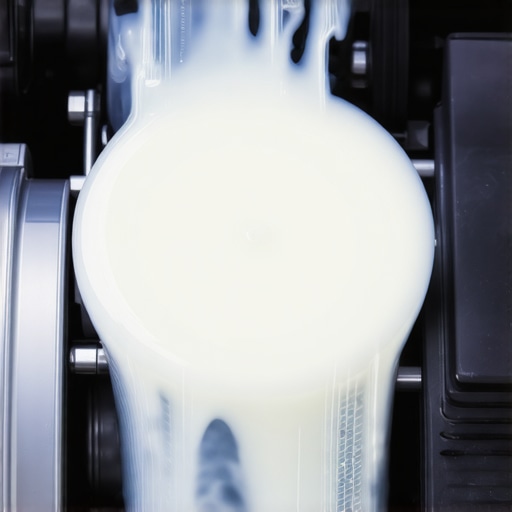
It happened unexpectedly one morning when I popped the hood and peeked at my engine oil. Instead of a clear amber or brown, it looked like a thick, creamy milkshake. Instinctively, I froze for a second—was my engine snapping? Turns out, that bizarre appearance was a sign of a serious issue: coolant mixing with oil. I remember the rush of confusion and worry, realizing I’d ignored some earlier warning signs. Has this ever happened to you?
Decoding the Milkshake Oil Mystery
The first time I encountered this, I thought I was facing a minor problem. But engine oil that resembles a milkshake is far from it. It indicates that coolant is leaking into your engine’s oil system, creating a harmful emulsion. This mixture can lead to severe engine damage if not addressed promptly. Many car owners overlook this sign, thinking it’s just dirt or sludge, but trust me—the stakes are high.
According to automotive experts, this condition can cause increased engine wear, overheating, and even catastrophic failure. Early diagnosis and intervention are crucial. The good news? I learned that a simple inspection can reveal a lot. If you’re noticing this creamy substance on your dipstick or under your oil cap, don’t ignore it.
Troubleshooting common auto repair issues can help you identify whether coolant leaks are to blame.
In my case, the mistake I initially made was trying to ignore the problem until it got worse, which only increased my repair costs. Recognizing this early saved my engine from irreversible damage. So, if your oil looks like a milkshake, I urge you—don’t dismiss it. Recognize the signs, understand the cause, and take action.
In the following sections, I’ll guide you through practical steps to diagnose, address, and prevent this unsettling issue, so you’re not left in the dark like I was. It’s time to give your vehicle the care it deserves with some simple, effective maintenance tips.
Pull Out Your Tools and Prepare for Inspection
Before diving into repairs, gather essential tools: a clean rag, a flashlight, a catch pan, and possibly a flashlight. Think of it as preparing a surgeon’s kit; everything needs to be ready for precise work. I once rushed into the garage with just a wrench, but that led to missed clues and extra trips to the parts store. Setting up your workspace now saves time and prevents errors later.
Inspect the Dipstick and Oil Cap Carefully
Remove the dipstick and wipe it clean with your rag—this is the first step in recognizing emulsion. Look for a creamy, frothy substance that resembles a milkshake. Similarly, open the oil cap and examine the surface of the oil underneath. If you detect a similar milky film, coolant is leaking into your oil system. During my own inspection, I used a flashlight to scrutinize the oil and was relieved to find pinpoint evidence that confirmed my suspicion. This quick check can prevent catastrophic engine damage if caught early.
Check for External Coolant Leaks
Locate the radiator, hoses, and water pump, and look for signs of coolant on these parts or on the ground beneath your vehicle. Use a flashlight to identify small leaks that might not be visible during daylight. During my experience, I found a tiny crack in the radiator that initially escaped notice but was the culprit behind the coolant leak. Addressing external leaks promptly prevents coolant from penetrating your engine’s oil and causing serious damage.
Perform a Pressure Test on the Cooling System
Utilize a cooling system pressure tester, which you can rent or purchase at most auto parts stores. Attach it to the radiator or coolant reservoir as per the instructions. Pump the tool to pressurize the system—just like inflating a tire—and observe if pressure drops rapidly. This indicates a leak somewhere in the system. I once tested my system, and a sudden pressure drop revealed a weakened radiator hose. Doing this test helps pinpoint leak locations without dismantling the entire cooling system.
Assess the Condition of Head Gasket
A blown head gasket is a common cause of coolant mixing with oil. Check for symptoms like overheating, white smoke, or bubbles in the radiator. For a more definitive diagnosis, consider using a chemical test kit that detects exhaust gases in the coolant. In my case, I noticed engine overheating and performed the test, which confirmed a head gasket failure. Replacing a head gasket is more complex, but early detection avoids further engine warping or damage.
Decide on Repair or Professional Service
If you’re comfortable with basic repairs, replacing a leaking radiator hose or tightening clamps might be within scope. For more serious issues like gasket replacement or internal cracks, it’s better to consult a mechanic. Remember, even small leaks can escalate if ignored, so timely action can save you money and prevent engine failure. My experience taught me that understanding these core steps empowers you to maintain your vehicle proactively rather than reactively.
Many car owners believe that regular oil changes and simple inspections are enough to keep their vehicles in top shape, but the truth is more nuanced. A widespread misconception is that all car servicing is basically the same, which can lead to overlooked issues and costly repairs down the line. In reality, quality car service involves understanding specific components, their interactions, and the common pitfalls that even seasoned DIYers can fall into.
One often-missed nuance is the importance of addressing underlying causes rather than just symptoms. For example, a squeaky brake pad might seem like a quick fix—replacing the pad—but ignoring the root cause, such as warped rotors or caliper issues, can result in premature failure. Skilled technicians ensure they’re not just treating the symptoms but performing a comprehensive inspection to prevent recurring problems.
Contrary to popular belief, a scheduled tune-up isn’t just about replacing spark plugs or filters; it’s about optimizing engine performance holistically. Experts advocate for custom tuning based on your driving patterns, vehicle age, and fuel efficiency goals. For instance, tuning a high-mileage engine can address issues like carbon buildup that standard services might overlook. To learn more about how regular tune-ups improve safety and efficiency, check out this guide on essential vehicle maintenance.
Beware of the trap that all brake repairs are equal. Many assume that brake pads, once replaced, are a one-and-done solution. But the hidden nuance here is the importance of inspecting rotors, brake fluid, and calipers together. Cheap pads may wear faster, but using premium parts paired with proper servicing will extend overall brake life. For common myths and how to choose the right brake service, visit this detailed article.
What often surprises even seasoned car owners is the impact of improper maintenance on vehicle longevity. For example, neglecting to replace coolant or ignoring signs of radiator wear can cause engines to overheat unexpectedly. External leaks or blocked cooling fans are common traps—always check the cooling system before it’s too late.
A question that crops up among advanced enthusiasts is whether synthetic oils truly make a difference in high-mileage engines. According to studies by the Society of Automotive Engineers, synthetic oils can significantly reduce engine wear and deposit formation, especially in older engines with higher mileage. This nuanced understanding underscores that not all oils are created equal, and selecting the right oil type plays a role in prolonging your vehicle’s lifespan. Dive deeper into this topic at this expert review.
Finally, be cautious of the ‘quick fix’ mentality that can be costly. Many fall into the trap of opting for cheap, temporary solutions like lifetime brake pads without understanding their limitations. Expert service emphasizes the value of regular, honest inspections and using quality parts to prevent long-term expenses.
Have you ever fallen into this trap? Let me know in the comments. When you understand these hidden nuances, your vehicle becomes less of a mystery and more of a well-maintained machine that serves you reliably for years to come.
Invest in Quality Diagnostic Equipment
One of the most valuable tools I personally use is an OBD-II scanner like the Autel MaxiCOM, which provides real-time data and helps me diagnose issues before they escalate. Unlike generic code readers, this device allows me to see live sensor readings, enabling proactive maintenance. Regularly scanning your vehicle with a reliable tool can reveal hidden problems, such as failing sensors or early engine misfires, saving you time and money. As the automotive industry trends toward more integrated systems, investing in a good diagnostic tool is becoming essential for any car enthusiast or diligent owner.
Keep a Log of Maintenance Activities
Maintaining a detailed record of oil changes, filter replacements, and repairs helps you track vehicle health over time. I use a digital app that logs dates, parts used, and even the technician’s notes. This approach ensures you don’t miss critical service intervals, especially for components like timing belts or coolant flushes. Efficient record-keeping simplifies troubleshooting and can increase your vehicle’s resale value. Check out this comprehensive checklist for ideas on organizing your maintenance schedule.
Utilize High-Quality Fluid Testers and Flush Kits
Menus may vary, but I recommend investing in a good coolant tester such as the Lyzene Test Kit, which accurately measures coolant pH and concentration. Regular testing ensures your cooling system remains effective, preventing overheating and coolant contamination. For transmission fluid and brake fluid, I use diagnostic kits that can identify degradation or moisture content without needing to drain everything. Staying on top of fluid condition is a critical part of long-term vehicle health that often gets overlooked.
Gentle Cleaning and Preventative Checks
Maintaining your vehicle’s exterior and accessible components contributes significantly to longevity. I routinely inspect the radiator cap, hoses, and the underside of the vehicle for leaks or corrosion. Using a simple green brush and degreaser, I clean off grime that could mask leaks or cause blockages. This preventative approach reduces emergency breakdowns and extends the life of parts like brake calipers and suspension components. Remember, small attentions now can prevent costly repairs later — a principle echoed in this guide.
Anticipate Trends to Keep Ahead
Automotive technology is moving toward autonomous systems and smart diagnostics. Future trends suggest integration of AI-driven maintenance alerts, which will prompt you in real-time about issues as they develop. Using software like Toyota’s TechStream or aftermarket solutions compatible with your vehicle can prepare you for these advancements. Staying educated and equipped now puts you ahead in maintaining your vehicle efficiently and cost-effectively.
How do I maintain my vehicle’s long-term performance with tools and strategies?
Start by investing in a solid diagnostic scanner and keep detailed maintenance logs to track your vehicle’s health. Regularly testing fluids and inspecting key components prevent issues from escalating. Embrace preventative cleaning routines for parts that are prone to buildup or corrosion. By integrating these tools and habits into your routine, you’ll not only extend your car’s lifespan but also ensure it performs reliably for years. For more insights on optimizing your vehicle care, explore this article.
Lessons Hidden Beneath the Surface of Routine Maintenance
One profound realization I had was that every minor repair or maintenance step is part of a larger story about your vehicle’s health. Over the years, I’ve learned that tackling the obvious signs isn’t enough; you need to understand subtle cues that whisper warnings. For instance, noticing a gradual increase in brake pedal travel or a slight change in steering feel often signals underlying issues that can be prevented with early intervention.
Another insight was that trusting intuition plays a huge role. If something feels off—an odd noise, a smell, or a vibration—it’s worth investigating further rather than dismissing it as just ‘car stuff.’ Engaging actively in your car’s health, rather than waiting for breakdowns, is what separates a good driver from a savvy one.
A lesson I wish I grasped sooner was the importance of building relationships with trusted mechanics. Their insights can save you time, hassle, and money. They can spot signs that even the most vigilant owner might overlook, especially as vehicles become more complex with each passing year.
Tools and Resources That Shift the Maintenance Game
My top recommendation is investing in a quality OBD-II scanner. This device provides real-time diagnostics, making preventive maintenance smarter and more precise. Brands like Autel MaxiCOM have proved invaluable in catching problems early, often before warning lights even activate. Combining this with an organized maintenance log—whether physical or digital—keeps me ahead of potential issues and ensures timely service.
Complementing equipment, I rely heavily on reputable online resources. Websites offering comprehensive troubleshooting guides or tutorials—such as this troubleshooting resource—are gold mines for DIY owners. They empower you to perform preliminary diagnostics and understand when it’s time to see a professional.
Another invaluable asset is having a well-stocked toolkit. From basic tools for oil changes to specialized equipment for cooling system tests, quality tools make a difference. They reduce frustration and increase safety during repairs or inspections. Remember, investing in good tools upfront saves money in the long run and ensures your work is safe and effective.
You Are the Keeper of Your Car’s Future
Owning a vehicle isn’t just about driving from point A to B—it’s about caring for a complex machine that constantly communicates with you. Embracing this mindset shifts maintenance from being a chore to a form of active partnership. When you learn to listen to your car’s subtle hints and equip yourself with the right tools, you’re not just fixing problems—you’re extending the lifespan of your vehicle and safeguarding your investment.
So, take charge today. Dive into your car’s rhythms, educate yourself about essential diagnostics, and build relationships with trusted professionals. Your vehicle’s future depends on your proactive approach now, and the peace of mind that comes with knowing you’re doing right by it can’t be measured.
What’s Your Next Step to Better Car Care?
Have you ever caught a small issue early and prevented a major repair? Share your story in the comments below. Let’s learn from each other and build a community of informed, confident car owners committed to longevity and safety.