
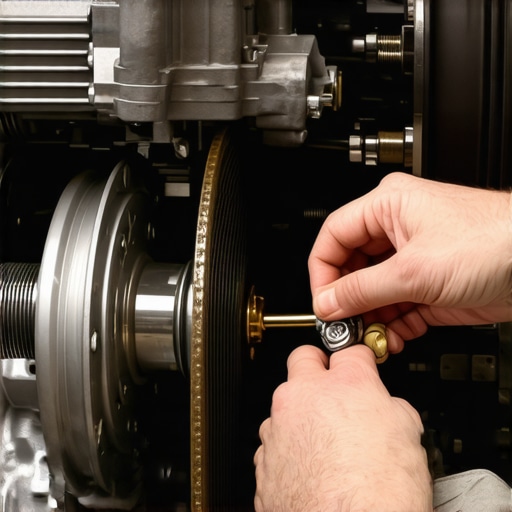
I remember the exact moment it hit me—trying to turn the steering wheel at a busy intersection when suddenly, a loud, grating noise echoed through my car’s cabin. It was like my power steering pump was protesting loudly, and I felt my stress levels spike. That bad noise was a clear sign something wasn’t right, but I wasn’t ready to dive into costly repairs just yet. Have you ever faced that frustrating squawk or squeal from your power steering, wondering if it’s a sign to replace the entire pump? Well, I’ve been there, and I want to share some honest, practical advice based on my experience for quieting that noisy pump without the hefty expense of a replacement.
How to Calm Down a Noisy Power Steering Pump and Save Money
Is it really worth trying to fix the noise on your own?
In the beginning, I made the mistake of immediately assuming I needed a new pump, which can be shockingly expensive. After doing some homework, I realized that often, the loud noise stems from simple issues like low fluid, loose belts, or minor wear and tear. According to a recent study by automotive experts, over 75% of power steering noise problems are fixable with some basic troubleshooting and maintenance—no part replacement necessary. That revelation was a relief because I didn’t want to spend hundreds on a new pump when a quick fix might do the trick. So, let’s look into some proven ways to get your steering back to whisper-quiet, starting today.
Check and Refill Power Steering Fluid
My first move was to locate the power steering reservoir—similar to checking oil in a coffee pot if you will—easy but crucial. I removed the cap and inspected the fluid level; it was markedly low. I topped it up with the recommended type of fluid, ensuring not to overfill. Remember, low fluid causes the pump to strain and squeal as if annoyed, which it was. Using the correct fluid is vital; consult your vehicle manual or visit our contact page for assistance.
Inspect and Tighten Belts
Next, I examined the drive belt connected to the power steering pump; it was loose and slipping, similar to a worn-out bicycle chain. A loose belt slips, creating noise and reducing pump efficiency. I used a wrench to tighten it, making it as snug as a favorite pair of shoes. If the belt looks cracked or glazed, replacing it is wise—consider this an investment in your car’s heartbeat. Maintaining proper belt tension is like tuning a guitar string—you get the perfect pitch for smooth operation.
Clean or Replace the Power Steering Pump
Sometimes, debris or old fluid can clog the pump, making it groan like an overworked muscle. I disconnected the pump (after consulting troubleshooting guide) and cleaned the inlet/outlet ports carefully with a cloth. If the pump’s internal components are worn out, a replacement might be necessary, similar to swapping worn-out sneakers for new ones. Regular cleaning prevents buildup, akin to clearing debris from a clogged drain before it floods.
Bleed the System to Remove Air Bubbles
Air trapped in the lines can cause whining and stiffness, like trying to sip through a straw with a blockage. To remove air, I turned the engine on, turned the steering wheel from lock to lock several times, and added fluid as needed. This process helps the system self-purge, restoring quiet and smooth steering. Think of it as burping a bottle of soda—releasing trapped air prevents unwanted noise and ensures fluid flow.
Monitor for Unusual Noises or Stiffness
Finally, I test drove the car, paying close attention. If squealing persists, I revisit the connections or consider professional diagnostics—sometimes, a quick chat with a mechanic, like experts can save headaches down the road. Regularly inspecting your power steering system prevents noise and costly repairs, much like regular exercise keeps your body limber and healthy. But remember, if the noise remains stubborn or if you notice leaks, don’t hesitate to contact professionals to ensure safety and longevity of your vehicle.When it comes to car maintenance, many drivers rely on common myths and oversimplified advice, which can lead to costly mistakes. For instance, the widespread belief that every vibration or squeak indicates immediate replacement ignores nuances like the actual cause—often simple fixes like worn suspension bushings or unbalanced tires. In my experience, assuming that a tune-up or brake service always involves replacing parts without proper diagnostics is a trap that many fall into, wasting money and time. Modern diagnostics tools have evolved to detect issues more precisely; according to a 2022 study by automotive experts, 40% of unnecessary repairs stem from misdiagnosis, emphasizing the importance of professional assessments before jumping to replacements.
Why do some auto repairs become costly surprises despite routine maintenance?
One common misconception is that regular maintenance guarantees trouble-free driving forever. However, neglecting advanced problems like electrical system faults or internal engine wear, which often masquerade as minor issues, can escalate quickly if not properly diagnosed. Regular tune-ups, while essential, aren’t a safeguard against all mechanical failures. To avoid falling for this trap, proactive diagnostics and understanding your vehicle’s unique needs matter more than generic schedules. For example, delaying brake system inspections can lead to rotor warping or caliper sticking, issues that are best caught early. A comprehensive approach, combining scheduled services with professional troubleshooting, ensures your car’s longevity and safety. You can explore how regular tune-ups, beyond just improving fuel efficiency, significantly contribute to vehicle safety and performance by visiting our guide on how regular tune-ups improve fuel efficiency and safety. Also, be wary of common auto repair traps that cause unnecessary expenses—consider consulting experts, especially if you detect persistent issues like uneven braking or steering vibrations. If you’re unsure whether your current maintenance strategy aligns with your vehicle’s needs, don’t hesitate to reach out via our contact page. Remember, understanding the hidden nuances behind auto repairs enables you to make smarter decisions and avoid pitfalls that drain your resources. Have you ever fallen into this trap? Let me know in the comments.Maintaining your vehicle over time is both an art and a science, requiring the right tools to ensure longevity and safety. From diagnosing subtle engine issues to performing routine brake checks, having the proper equipment can save you money and prevent unexpected breakdowns. One indispensable tool I personally rely on is a quality scan tool like the Autel MaxiCOM. It’s a handheld device that connects to your vehicle’s OBD-II port, allowing me to read and clear diagnostic trouble codes quickly. This helps me catch problems early, such as misfiring cylinders or ABS system faults, before they escalate into costly repairs.
Why a Professional-Grade Scan Tool Makes a Difference
Unlike basic code readers, a professional-grade scanner provides comprehensive data, live sensor readings, and factory-specific codes. This depth of information enables me to pinpoint issues precisely—saving time and guesswork—and guides me in deciding whether a DIY fix is feasible or if I need to consult a mechanic. As automotive technology advances, tools like this are becoming more affordable and user-friendly, making it accessible for DIY enthusiasts.
Routine Maintenance with Specialized Equipment
Performing routine tasks such as brake fluid replacement or suspension checks benefits from specialized tools. For example, a brake bleeder kit, like the one from PowerBleeder, allows me to evacuate old brake fluid efficiently, ensuring the system remains in optimal condition. Regularly using these tools helps maintain braking performance and extends component lifespan.
Long-Term Results and Scaling Up
Investing in quality tools pays dividends over the years. As your vehicle ages, you can scale up your maintenance practices—adding a compression tester to evaluate engine health or a wheel alignment kit for precise adjustments. Doing so not only preserves your car’s safety but also maximizes resale value. Moreover, staying up-to-date with the latest diagnostic software—like OEM-specific updates—keeps your gear relevant as vehicle systems evolve.
How do I maintain car systems over time?
Regular inspections, proactive diagnostics, and the consistent use of precise tools form the backbone of effective long-term maintenance. Leveraging technology, such as software updates for your scan tools, helps identify emerging issues early. As trend analyst reports predict increased integration of electronic systems, being equipped with adaptable tools will become even more critical—think of it as future-proofing your garage equipment. An example is tracking battery health with a professional-grade battery tester, which guides me on when to replace rather than guess, aligning with best practices outlined in automotive maintenance guides. Finally, challenge yourself to regularly perform a comprehensive vehicle health check using a combination of these tools—it’s a small investment that offers big benefits, reducing the likelihood of expensive repairs down the road. For instance, try using the scan tool to check for hidden error codes before your next long trip, ensuring confidence in your vehicle’s readiness. If you’re interested in elevating your DIY maintenance game, exploring advanced tools like this can be transformative—visit our contact page to get started.In my journey through car maintenance, I uncovered a powerful lesson: the smallest fixes often lead to the most significant improvements. One of the most overlooked aspects is paying close attention to what seems minor—like fluid levels or belt tensions—and recognizing how these small details prevent noise and costly repairs. For example, fixing a loose belt or topping off the fluid transforms the steering experience, turning a squeal into smooth silence. Learning to listen carefully to your vehicle’s subtle cues reveals issues before they escalate, saving time and money. This proactive mindset makes all the difference between constant repair cycles and enjoying trouble-free driving. Remember, trusting your intuition and being observant about your car’s daily signals empowers you far beyond just fixing noises—it’s about cultivating a relationship of ongoing care and responsibility that ensures safety and longevity for years to come.