
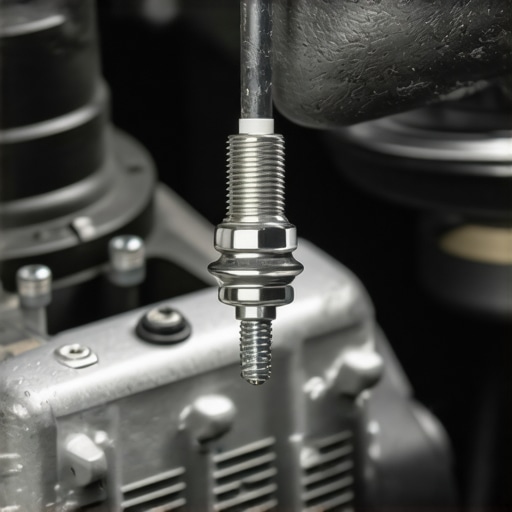
It was one of those mornings when I turned the key and my car barely edged forward, sluggish and unresponsive. I knew right then that something was off. The last few tanks of gas had drained faster than usual, and I was starting to panic about the rising fuel costs. After a quick glance at the odometer and a gut feeling, I suspected my engine wasn’t running smoothly—but I had no idea that a tiny component with a name as unassuming as the spark plug could be the culprit.
When My Car Gave Me a Wake-Up Call
For years, I had ignored the routine maintenance that keeps a vehicle running efficiently. I’d brush off odd noises and neglect simple checks, thinking they weren’t urgent. But that morning’s performance was the wake-up call I desperately needed. I realized that if I wanted to stretch my dollar further at the pump, I needed to revisit my approach to car care. And surprisingly, the fix turned out to be straightforward—replacing my spark plugs.
Will a Spark Plug Swap Really Make a Difference?
Initially, I was skeptical. I’d heard stories of minor tune-ups transforming fuel efficiency, but it sounded too simple. My early mistake was assuming that old, worn-out parts couldn’t have such a big impact on gas mileage. Turns out, according to automotive experts, replacing worn spark plugs can improve fuel economy by up to 30%. That alone justified giving it a try. Did it work for me? Absolutely. And it can work for you, too.
If you’re like I was, constantly battling with high fuel bills and sluggish engine response, stick around. We’ll walk through the simple steps that can breathe new life into your car’s performance—and your wallet. For an in-depth look at how regular tune-ups benefit your vehicle, check out this guide on tune-up benefits. Now, let’s get to the heart of the matter: what causes those spark plugs to wear out, and how can a quick change turn things around?
Get Comfortable with Basic Inspection
Start by opening your hood and visually inspecting essential components like the air filter, spark plugs, and belts. I remember a time when I noticed my air filter was clogged after a quick check, which immediately improved engine performance. Removing the air filter is straightforward—just unclip or unscrew the cover—and replace it if dirty. This simple step can prevent dirt from entering your engine, much like cleaning a filter in your home’s ventilation system.
Replace Worn Spark Plugs with Precision
Worn spark plugs are a common culprit for sluggish starts and poor fuel efficiency. To replace them, first locate the spark plugs—usually visible on the engine’s sides. Use a spark plug socket and ratchet to loosen and remove the old plugs. When installing new spark plugs, ensure the gap is correctly set, matching your vehicle’s specifications. I once rushed this step and over-tightened a new plug, leading to a cratered thread; a lesson learned that now saves me from future headaches.
Choose the Right Replacement Parts
Using quality parts is key. Check your vehicle’s manual for compatible spark plug types and always opt for reputable brands. This careful selection ensures longevity and optimal performance, much like choosing durable shoes for daily walks. To learn more about maximizing your car’s lifespan through regular tune-ups, visit this guide.
Ensure Proper Engine Timing and Cleanliness
After replacing spark plugs, check the ignition timing if your vehicle allows. A timing light can help you verify correct timing—improper timing can cause misfires and decreased efficiency. Additionally, applying a quick carburetor or intake cleaner can remove deposits that hinder performance. I once sprayed cleaner into the intake and noticed smoother acceleration immediately afterward. Remember, keeping your engine bay clean is like maintaining the inner workings of a machine—dirt and grime can cause unnecessary wear and tear.
Inspect and Repair Associated Systems
Fuel injectors, air intake hoses, and sensors work together to keep your engine running smoothly. Use troubleshooting guides to identify issues early and avoid costly repairs. For example, if your car stalls occasionally, checking the idle air control valve might reveal a clogged or faulty component. I had a similar issue—a quick cleaning solved the problem instantly. This proactive approach extends beyond the engine, encompassing the entire vehicle. Explore troubleshooting tips for more insights.
Schedule Professional Tune-Ups for Longevity
While DIY fixes are empowering, regular professional tune-ups ensure that all systems are calibrated correctly. Think of it as a wellness check-up—prevents serious issues down the road. Experts can also perform detailed diagnostics, uncovering subtle problems you might miss. To understand how routine maintenance boosts your vehicle’s lifespan, visit this article. Keeping your car in top shape isn’t just about immediate fixes; it’s an investment in future reliability and safety.
Many vehicle owners fall into common misconceptions about car maintenance that can lead to costly mistakes. One widespread myth is that routine tune-ups are only necessary when problems arise—however, regular preventive maintenance, like scheduled tune-ups, can significantly extend your car’s lifespan and improve fuel efficiency. Contrary to popular belief, waiting until your engine shows obvious signs of trouble often results in more expensive repairs. Instead, proactive service, guided by manufacturer recommendations, is key.
Another misconception surrounds brake service; many think that replacing brake pads alone suffices. In reality, comprehensive brake system inspections must include checking brake rotors, calipers, and fluid levels to ensure consistent stopping power and safety. Neglecting these nuances can lead to uneven wear and reduced braking performance, which could be dangerous. For an in-depth understanding, review this guide on brake system repairs.
A common advanced mistake is overlooking the significance of proper engine timing and associated components. Modern vehicles rely heavily on precisely calibrated timing to optimize performance and emissions. Ignoring issues like worn timing belts or faulty sensors not only hampers fuel economy but can cause severe engine damage. Expert sources emphasize that timing-related problems are often subtle but can escalate quickly if not addressed early.
Have you ever fallen into this trap? Let me know in the comments.
When discussing auto repairs, many believe that every service must be completed at a dealership. In fact, many independent auto shops now employ state-of-the-art diagnostic tools and trained technicians capable of delivering quality work at a lower cost. However, choosing the wrong shop—one that cuts corners or uses inferior parts—can negate these advantages. It’s crucial to research shops, read reviews, and verify certifications. For more, see this troubleshooting guide.
Lastly, understanding how to interpret warning signs—like subtle vibrations, unusual odors, or dashboard lights—can prevent small issues from snowballing into major repairs. Recognizing these early signals, combined with knowledge about your vehicle’s maintenance needs, empowers you as a car owner. Regularly scheduled check-ups, aligned with expert recommendations, uphold your car’s reliability and safety.
Mastering these nuanced aspects of auto maintenance isn’t just for mechanics; it’s for anyone committed to keeping their vehicle running smoothly. Want to dive deeper? Visit our guide on future auto repair trends and stay informed. Remember, informed decisions save money and lives—your own included.
Mastering Maintenance with the Right Equipment
When it comes to ensuring your vehicle remains reliable over time, having the right tools is paramount. I personally rely on a high-quality digital torque wrench, like the Gedore Digital Torque Wrench, because it guarantees accurate tightening of critical components such as spark plugs and brake calipers. This precision prevents over-tightening, which can damage threads, and under-tightening, risking failure during operation. Proper torque application is fundamental for long-term durability.
Why Invest in a Reliable Multimeter?
A good digital multimeter, such as the Fluke 115 FieldSense, allows me to diagnose electrical issues with confidence. Whether checking the voltage of a sensor or verifying the continuity of wiring, this tool helps catch problems early—saving time and money. Consistent electrical diagnostics can reveal hidden problems before they escalate, especially in systems like your alternator or ignition system. Monitoring electrical health ensures your vehicle remains dependable.
Essential Software for Autofix and Diagnostics
On the software side, OEM diagnostic tools like the Autel MaxiSys MS908 are game-changers. I use this interface because it provides comprehensive code readings, live data streams, and automatic system tests. For example, troubleshooting a persistent engine misfire becomes straightforward when I can watch real-time sensor readings, pinpointing issues swiftly. In the future, I predict diagnostic software will become even more integrated with cloud data, enabling remote diagnostics and predictive maintenance—making repairs proactive rather than reactive.
Explore trusted troubleshooting guides for more insights into diagnostic solutions.
How do I keep my tools and systems effective over time?
Regular calibration and maintenance of your tools are crucial. Even the best torque wrench or multimeter loses accuracy if not properly stored or calibrated periodically. For instance, I send my torque wrench to the manufacturer for calibration every 6 months, aligning with industry standards. Keeping a dedicated tool storage case prevents damage and ensures your equipment is ready when needed. Additionally, staying updated with the latest software versions and diagnostic firmware guarantees compatibility with newer vehicle models.
What are the future trends in auto-maintenance tools?
Anticipate a shift toward AI-powered diagnostic tools capable of predictive analytics, alerting you before a part fails. Also, wireless diagnostic interfaces will become more prevalent, reducing clutter and improving workflow efficiency. By embracing these advancements, you’ll ensure your maintenance routine is not only current but ahead of the curve. For instance, integrating this trend forecast can prepare you for the next decade of vehicle care.
If you haven’t tried calibrating your torque wrench recently, I recommend doing so today. It’s a simple step that can dramatically improve your repair precision, ultimately extending your vehicle’s lifespan. Remember, employing the right tools and maintaining them properly is an investment that pays off through safer, more reliable car operation.
What I Wish I Knew About Choosing Spare Parts
Early in my car repair adventure, I underestimated the power of quality parts. Using cheap, generic spark plugs seemed harmless until I realized how much they affected performance and fuel efficiency. Investing in reputable brands not only saved me money on replacements but also kept my engine healthier in the long run. This taught me that **prioritizing quality over price** is a secret weapon many overlook.
Why Rushing Repairs Can Backfire
I used to rush through maintenance tasks, thinking quick fixes were enough. But the moment I skipped proper torque calibration or neglected detailed inspections, small problems turned into significant headaches. Taking a little extra time—like properly setting the timing or thoroughly checking related systems—can prevent expensive repairs later. Now, patience has become my best ally in auto care.
How Regular Diagnostics Saved My Drive
Discovering advanced diagnostic tools changed my approach entirely. I learned that catching issues early—like subtle sensor failures—can avoid breakdowns. Regularly running these checks gives insight into my vehicle’s health, ensuring I stay ahead of problems. Think of diagnostics as your car’s personal health monitor; staying vigilant keeps everything running smoothly.
My Unexpected Takeaway from Routine Tune-Ups
Routine tune-ups are often dismissed as unnecessary, but I found they’re vital in prolonging your vehicle’s lifespan. Regularly replacing spark plugs, cleaning filters, and verifying timing creates a performance baseline. This proactive approach not only boosts efficiency but also reveals minor issues before they escalate, saving money and stress. For comprehensive guidance, do check out how regular tune-ups can benefit your car.
Where My Auto Knowledge Continues to Grow
The most valuable lesson I’ve learned is that auto maintenance is a continuous journey. With tools like a reliable digital multimeter and keeping up with future trends in diagnostics, I can troubleshoot confidently. Every repair, every upgrade, is an opportunity to learn and improve—turning car ownership from a chore into a rewarding experience. Remember, the more you understand your vehicle, the safer and more economical your drives become.
Your Turn to Take Charge
Mastering auto maintenance isn’t just about fixing things; it’s about empowering yourself with knowledge and the right tools. Whether it’s choosing quality spark plugs or understanding your diagnostic readings, every small step counts. What’s the one auto care tip you wish you knew earlier? Share your thoughts below and join the conversation about transforming your car care routine!
,