

I remember the day I first noticed it. I was turning left from a stoplight and felt a surprising stubbing resistance in my hands—like trying to steer a ship through thick fog. Frustration set in quickly, and I couldn’t shake the feeling that something was wrong with my car, but I didn’t quite know what. That lightbulb moment made me realize just how unsettling it can be when your steering wheel isn’t cooperating as it should, especially only in one direction.
Getting to the Root of a Heavy Steering Wheel on One Side
Many car owners might brush this off as a normal part of vehicle wear and tear, but it’s often a sign that something needs attention before it turns into a costly repair. When your steering becomes heavy only in one direction, it could signal issues ranging from power steering fluid problems to worn-out components. Early on, I made the mistake of ignoring the issue, thinking it was just a quirk of my aging car. Don’t make the same mistake—addressing this promptly can save you a lot of trouble down the line.
Is This Issue Actually Worth Worrying About? Find Out.
In my early days of troubleshooting, I thought this was just a minor inconvenience. But I learned that ignoring uneven steering can lead to uneven tire wear, increased fuel consumption, and even dangerous steering failures. According to automotive experts, uneven steering resistance may indicate a failing power steering pump or a problem with your alignment or suspension components—a risk I learned the hard way. The good news? Many of these issues are fixable with a bit of knowledge and the right professional help. If this sounds familiar, don’t hesitate to contact a trusted auto repair shop to get it checked out. Stay tuned; next, we’ll explore how to identify whether your steering problem is a quick fix or a sign of more serious trouble.
Check and Replace Power Steering Fluid
First, locate your power steering fluid reservoir—it’s usually near the engine bay and clearly labeled. Remove the cap and inspect the fluid level. If it’s low, top it off with the recommended type from your vehicle’s manual. A quick cleanup and refill can often restore normal steering feel and prevent further damage.
Flush and Refill System
If the fluid is dirty or burnt-smelling, perform a full system flush. Drain the old fluid using a turkey baster or by removing the drain plug if accessible. Then, refill with fresh fluid and turn the steering wheel from lock to lock multiple times to circulate the new fluid. This simple action can prevent corrosion and ensure smooth operation.
Inspect and Replace Worn Suspension and Steering Components
Next, safely lift your vehicle using a jack and inspect key parts like tie rods, ball joints, and steering rack bushings. Look for signs of wear, cracks, or excessive play. For example, I once found a worn tie rod end during an inspection, and replacing it instantly improved steering responsiveness. Use a torque wrench to tighten new parts to manufacturer specs to avoid future issues.
Perform a Test Drive
After replacement, test drive your vehicle in a safe environment. Pay attention to steering weight and responsiveness in both directions. If resistance persists in one direction, double-check connections and consider measuring alignment angles. Keep in mind that poor alignment can also cause steering heaviness on one side, so it’s wise to schedule an alignment if you notice drifting or uneven tire wear.
Address Alignment and Tire Conditions
Uneven tire wear or misalignment may be the root cause of heavy steering in one direction. Use a tire tread depth gauge to examine your tires; irregular tread patterns suggest replacement or rotation. To check alignment, you can visually inspect the steering wheel’s centered position when driving straight. If it’s off-center, take your vehicle to a professional for a precise alignment—this often fixes persistent steering issues and extends tire life.
Monitor and Maintain Regularly
After resolving these issues, establish a regular maintenance schedule. Check power steering fluid levels monthly and look for leaks under the vehicle. Periodic inspections of suspension components prevent wear from escalating into serious problems. Remember, like I did when my steering suddenly felt heavy, addressing small signs early can save you from costly repairs later.
Applying these steps diligently ensures your steering remains responsive and safe. For more detailed guidance on related systems, consider reviewing how maintenance enhances vehicle safety or consulting a professional for complex diagnostics.

While many drivers believe that routine maintenance is just about changing oil or checking brakes, the reality is far more nuanced. One common misconception is the idea that following the manufacturer’s checklist guarantees optimal vehicle performance. However, experienced mechanics know that understanding the underlying specifics—like the impact of driving habits on component wear—can make a significant difference. For example, aggressive driving accelerates brake and tire deterioration, which many overlook until a sudden failure occurs.
Another frequently misunderstood aspect involves auto diagnostics. Some assume that straightforward error codes tell the whole story. In reality, a code might point to multiple potential issues, and relying solely on scanner readings can lead you down an unnecessary or even damaging repair path. As experts suggest, comprehensive diagnostics often require testing beyond the initial scan, including visual inspections and road tests, to avoid what I call the ‘oops factor’: replacing parts unnecessarily or missing the real culprit.
Many believe that a quick tune-up or fluid change can solve most problems. While these are essential, ignoring critical symptoms like unusual noises or vibrations can leave you vulnerable to catastrophic failures. For instance, a worn-out suspension component might manifest as steering irregularities, but unless you examine the entire front-end setup, you might mistakenly focus on the brakes, leading to inefficiency and added costs.
What’s the mistake most mechanics won’t tell you about long-term brake maintenance?
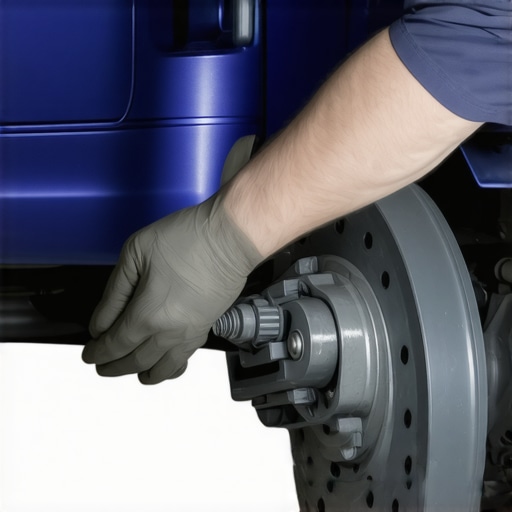
Many think that brake pads are the only component needing replacement, but the real truth is that brake rotors and calipers play crucial roles in overall safety and performance. Improperly resurfacing rotors or neglecting caliper inspections can cause premature wear or even dangerous failure. An expert approach involves assessing the entire brake system, including the hydraulic lines and sensors, to prevent future issues—something I learned from years of troubleshooting complex brake problems. For more insights, see this comprehensive brake repair guide.
Furthermore, a major trap many fall into pertains to the misconception around auto tune-ups. Some perceive tune-ups as outdated or unnecessary, but in reality, they can prevent small problems from escalating. Regularly replacing spark plugs, inspecting ignition systems, and optimizing fuel systems can boost fuel economy and prolong the life of engine components—details often missed by casual owners. Review this expert-driven tuning strategy to understand the full benefits.
Finally, the advanced mistake involves overlooking the role of driving style and environmental factors in vehicle health. Cold weather, stop-and-go traffic, and aggressive acceleration can accelerate wear cycles dramatically. Many rely solely on mileage intervals for maintenance, but tailoring service schedules based on real-world conditions saves money and enhances safety. As a tip, regular inspections of suspension, drivetrain, and cooling systems tailored to environmental impacts can be invaluable, as outlined in this maintenance resource.
In summary, understanding these hidden nuances can significantly extend your vehicle’s lifespan and safety. Do you think you’ve fallen into any of these traps? Share your experiences in the comments, and if you’re unsure about your current vehicle condition, reach out to a trusted professional—it’s better to be safe than sorry.
The Gear That Keeps My Car in Peak Condition
Over the years, I’ve learned that having the right tools isn’t just about convenience—it’s about maintaining safety, efficiency, and saving money. One of my personal favorites is the OBD-II scanner. I rely on the Innova 3160e because it provides comprehensive diagnostic trouble codes instantly, allowing me to identify issues before they escalate. This prevents surprise breakdowns and keeps the repair costs predictable.
For those who prefer a hands-on approach with mechanical parts, a high-quality torque wrench is indispensable. I use the Hanson Torque Wrench because it maintains calibration over time and ensures I tighten components exactly to manufacturer specs, which is critical for safety and longevity.
Software That Keeps My Maintenance on Schedule
Beyond physical tools, I swear by maintenance tracking apps like MyCarfax. This free app reminds me of upcoming service intervals—oil changes, brake inspections, and tire rotations—based on my driving habits. Using it helps me stay proactive rather than reactive, extending my vehicle’s lifespan and optimizing performance.
Furthermore, I consult professional guides for the specifics of each routine. For example, I schedule a full tune-up at least once a year, aligning with these recommendations to replace spark plugs, clean fuel injectors, and check timing belts—all things that significantly improve efficiency and prevent long-term damage.
Methods That Make a Difference
Adopting a systematic approach to maintenance means using an inspection checklist before every long trip. I check tire tread depth, brake pad wear, and fluid levels. This routine has saved me from potential hazards on the road and reduced emergency repairs.
In addition, I prefer performing certain repairs myself, like flushing the cooling system or replacing the air filters, because it’s cost-effective and educational. For complex issues, I trust www.glassfixauto.com to provide detailed troubleshooting strategies, such as diagnosing strange engine vibrations or steering concerns.
Where Is Auto Maintenance Heading?
Looking forward, the trend is clear: vehicles will become increasingly connected, leveraging telematics and AI diagnostics. Tomorrow’s cars may alert you to issues well before symptoms appear, and remote diagnostics could be the norm. To stay ahead, investing in diagnostic tools now ensures you’re prepared for this evolution. Consider exploring these upcoming trends to future-proof your maintenance routine.
How do I maintain my vehicle’s health over the long haul?
The key lies in consistent, proactive care—regular inspections, systematic use of reliable tools, and staying informed about technological advancements. One advanced tip I recommend: perform a full cooling system flush at least once every five years. This prevents corrosion and overheating issues that can seriously damage your engine. Give it a try by following detailed guides available online or consulting a professional. Remember, maintenance is more than just fixing problems—it’s about preventing them.
If you haven’t yet, check out this comprehensive guide to scheduling consistent maintenance that keeps your vehicle running smoothly for years to come.

Having the right tools and a strategic approach makes all the difference—so equip yourself wisely and stay committed to your vehicle’s health.
Lessons the Road Taught Me About Vehicle Care
- One of the most profound realizations was that small, consistent actions often prevent big, costly problems. I used to wait until warning lights appeared, but now I prioritize regular inspections, knowing that proactive care keeps my car running smoothly for years.
- Understanding your vehicle’s unique needs is crucial. What works for one car might not suit another. This tailored approach, gleaned from personal experience and trusted resources, ensures I don’t fall into generic maintenance traps.
- Patience is a virtue in auto repair. Rushing through repairs or ignoring strange noises only worsens the situation. Taking the time to diagnose correctly and choose quality parts makes all the difference in long-term reliability.
- Never underestimate the power of education. Reading expert guides and consulting trusted sources has empowered me to make informed decisions, saving money and avoiding unnecessary repairs.
- Building a relationship with a reliable mechanic creates a safety net. Knowing who to trust makes routine upkeep less stressful and ensures I get honest advice when unique issues arise.
Tools and Knowledge That Elevate My Car Care Game
- The Innova 3160e OBD-II scanner is invaluable in catching potential problems early. Its comprehensive diagnostics have saved me from surprise breakdowns and costly repairs.
- A sturdy torque wrench ensures my repairs meet exact specifications, prolonging component life and maintaining safety standards. This simple tool has transformed my DIY repairs from guesswork to precision.
- Using maintenance apps like MyCarfax keeps me on schedule. These digital reminders prevent me from overlooking vital services, boosting my vehicle’s lifespan.
- Regular reading of trusted guides, such as this resource, deepens my understanding of maintenance nuances, making my car healthier and my wallet happier.
Fueling Motivation for Better Vehicle Care
Taking ownership of my car’s health has been transformative, both financially and emotionally. Each successful repair and maintenance milestone fuels my confidence and deepens my appreciation for the intricate machines we rely on daily. Remember, the journey to a reliable car is ongoing, and every step forward is a step toward peace of mind. If you’re ready to elevate your auto care, start today—your vehicle and your wallet will thank you.
What’s one maintenance habit you wish you’d started earlier? Share your story below, and let’s learn from each other’s experiences in keeping our cars at their best.