
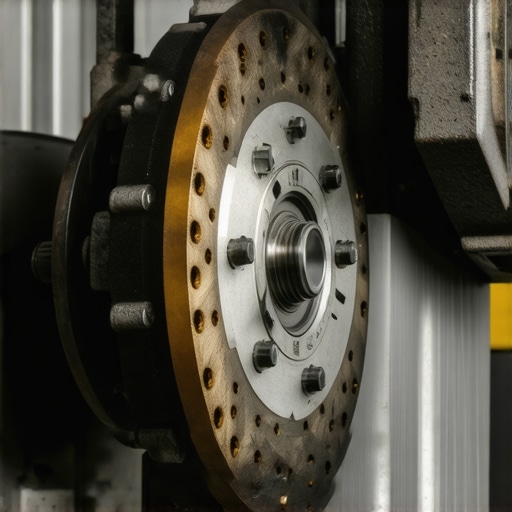
Have you ever stepped on your brake pedal, only to be greeted by a squeal or grind that sends a shiver down your spine? I remember the first time I experienced that unsettling noise—it caught me off guard and made me question whether I was about to spend a fortune on repairs. That moment was a lightbulb for me: not all brake pads are created equal, and aftermarket options can be a minefield of surprises. If you’ve faced similar frustrations or are just tired of second-guessing your brake choices, you’re not alone.
Why Brake Noise Can Be a Sign of Something More Than Just Cheap Parts
When it comes to vehicle safety, brakes are non-negotiable. Yet, many drivers assume that squeaks or vibrations are minor annoyances rather than red flags. The reality is, brake noise can be a symptom of underlying issues—especially when aftermarket brake pads are involved. I learned this the hard way early in my auto repair journey, making a mistake that cost me extra time and money. I trusted a popular brand without doing my homework and ended up with uneven wear and persistent noise. That experience prompted me to do my own research and discover that not all aftermarket parts live up to OEM standards.
Is the Hype About Aftermarket Brake Pads Justified?
It’s natural to wonder if all aftermarket brake pads are worth the risk. Companies often tout lower prices and comparable performance, but the truth is, quality varies widely. A significant factor is the material composition—some cheaper pads can wear faster, create more noise, and even compromise safety. According to experts, opting for well-reviewed aftermarket pads from reputable manufacturers can mitigate these risks, but the key is thorough research. For a comprehensive guide on selecting the right brake components, check out this resource.
To ensure your brakes deliver safe and quiet performance, understanding the common pitfalls and how to avoid them is essential. Up next, I’ll share practical tips that help you make smarter choices—saving you money and frustration—so you can confidently hit the road without fear of unexpected noise or breakdowns. If you’ve experienced brake squeal or shuddering, stay tuned for the next steps that could very well save your next trip.
,
Start With a Complete Visual Inspection
Begin by elevating your vehicle using jack stands, ensuring a stable position. Remove the wheels to access the brake components. Look for signs of uneven wear, cracks, or glazing on the brake pads, and check the rotors for scoring or warping. I once failed to notice a thin crack on my old rotor during a quick visual check, which later led to a dangerous brake failure. Regular inspections prevent surprises and help you identify issues early.
Assess the Brake Pads Properly
Remove the brake pads carefully and measure their thickness with a caliper. If they are below 3mm, it’s time to replace them. During my last roadside brake check, I used a simple ruler to gauge pad thickness, discovering one side was dangerously low. Choosing quality aftermarket pads from reputable brands can save you from future noise and uneven wear. When selecting pads, consider materials like semi-metallic or ceramic for better performance.
Check and Restore the Brake Rotor Surface
Examine the rotors closely. If they have minor scores or uneven surface, a professional turning or machining can restore smoothness. For significant warping or deep grooves, replacing the rotors is essential. I learned that attempting to machine severely warped rotors resulted in persistent vibrations—an unnecessary expense that could have been avoided with a proper assessment. A smooth rotor surface ensures even contact with pads, reducing noise and improving braking efficiency.
How to Resurface Rotors
If machining is prudent, ask your mechanic to ensure the rotors are within the manufacturer’s thickness specifications. This process involves removing a thin layer of metal to smooth out imperfections. It’s akin to sanding a rough piece of wood to make it flat. After resurfacing, reassemble the brake components carefully, ensuring all bolts are torqued to specifications. This step can significantly enhance brake response and reduce squealing.
Replace or Upgrade Brake Components
Install new brake pads, ensuring they are correctly aligned and seated. Use anti-seize compound on the caliper pins to facilitate future maintenance. For the rotors, verify they are the correct size and type for your vehicle. I once installed a cheaper set of pads without proper bedding, leading to uneven wear and noise within weeks. Proper bedding-in of pads, involving gradual braking from higher speeds, helps achieve optimal performance and quieter operation. This step is critical for aftermarket parts to perform at their best.
Perform a System Test
After reassembly, pump the brake pedal several times to seat the pads against the rotors. Start driving gently, applying steady pressure to ensure the brakes feel firm and responsive. Listen for any squeals or vibrations, and test braking from various speeds. During my last brake job, a test drive revealed a slight pulsing, indicating a rotor imbalance. Correcting such issues on the spot prevents dangerous driving conditions and prolongs component life.
Keeping your brakes in top shape demands methodical inspection and maintenance. Regularly reviewing your brake system can prevent noise, extend component lifespan, and most importantly, keep you safe on the road. For more detailed maintenance practices, explore this comprehensive checklist.
Many drivers operate under misconceptions about car service, tune-ups, and auto repairs, often assuming that basic fixes or routine maintenance are straightforward or always necessary at scheduled intervals. This oversimplification can lead to unnecessary expenses or overlooked issues. Let me share some nuanced insights that challenge common beliefs and help you approach vehicle maintenance more intelligently.
Debunking the Myth of One-Size-Fits-All Maintenance
It’s a widespread belief that you must follow manufacturer-specified service intervals rigidly. However, modern vehicles equipped with advanced sensors and onboard diagnostics often provide real-time data, making strict adherence unnecessary. Over-maintaining can be as costly as neglecting essential repairs. For example, replacing a perfectly healthy spark plug years ahead of its actual lifespan adds unnecessary expense and waste. The key is to leverage comprehensive vehicle checklists and diagnostics to customize care for your car’s specific needs.
Another common mistake is misjudging the significance of noise or vibration signals. Many drivers dismiss these symptoms as minor or ignore them altogether, risking more severe damage. Sometimes, a squeak or shudder indicates a critical issue—like worn-out brake components or failing suspension parts—that warrants immediate attention. Recognizing these signs early can save considerable money and ensure safety, especially when it comes to critical systems like brakes, which can be deceptively noisy yet vital to inspect regularly.
Advanced Mistake: Ignoring the Role of Proper Lubrication and Fluid Management
One often overlooked nuance is the importance of appropriate lubrication and fluid levels in prolonging component life. For instance, using the wrong type of motor oil or neglecting to replace transmission fluid at optimal intervals can cause premature wear. Works like regular tune-ups include critical fluid checks that many skip, leading to inefficient operation or breakdowns. Modern vehicles’ precision engineering means that proper lubrication is essential for performance and safety, yet many drivers underestimate its impact.
Moreover, there’s a pervasive misconception that auto repairs are always expensive or require specialized diagnostic tools. While complex repairs do need professionals, understanding fundamental concepts—like the difference between a failing alternator and a dead battery—empowers you to make smarter decisions. For example, learning auto repair trends can help you identify emerging issues early and even perform some minor diagnostics yourself, saving money and preventing breakdowns.
Are You Falling for this Common Pitfall?
One trap many fall into is delaying repairs until symptoms become severe, hoping they fix themselves or fearing costly bills. This reactive approach often leads to more extensive damage and higher costs. Proactive maintenance, guided by an understanding of your vehicle’s unique needs, is the smarter route. A consistent maintenance schedule tailored to your driving habits and environment can uncover issues early, preventing accidents or expensive fixes.
Remember, your car’s health isn’t just about ticking off service boxes—it’s about interpreting its signals accurately and understanding the nuances that keep it running smoothly for years to come. Don’t fall into the trap of misconceptions—take charge of your vehicle’s care today. Have you ever fallen into this trap? Let me know in the comments!
,
Maintaining Your Vehicle with Precision and Confidence
Ensuring your car remains reliable and performs optimally over the years requires more than just periodic visits to the mechanic. Investing in the right tools and adopting systematic methods can make maintenance manageable, cost-effective, and even enjoyable. I personally rely on a curated set of equipment and software that has helped me diagnose issues early and perform some minor repairs myself, saving both time and money.
Diagnostics: The Heart of Preventive Maintenance
One tool I consider indispensable is a high-quality OBD-II scanner, like the BlueDriver Bluetooth Pro. This device pairs with your smartphone and provides real-time data, trouble codes, and even suggested fixes. I use it consistently to monitor my engine’s health, especially before long trips. It helps me catch issues like misfires or sensor abnormalities before they escalate into costly repairs. Modern diagnostics software, such as Autel’s MaxiCheck, further enhances my ability to interpret data and understand complex vehicle systems.
Specialized Hand Tools for Precision
Quality tools like a torque wrench, brake piston tool, and a set of high-grade screwdrivers are non-negotiable. For instance, I exclusively use the TEKTON ½ Inch Drive Click Torque Wrench because its calibration maintains accuracy over time, ensuring I tighten components to manufacturer specifications. This attention to detail prevents over-tightening or under-tightening that can lead to component failure. When working on brake systems, a dedicated brake caliper piston tool makes the job cleaner and safer, avoiding damage to delicate components.
Maintenance Software: Staying Ahead of Issues
Keeping track of maintenance schedules is crucial. I recommend using apps like Carfax Service History or AutoCare that sync with your vehicle’s data to remind you of oil changes, tire rotations, and other essential services. These platforms help you avoid neglecting minor repairs that can turn into major problems down the line.
Future Trends: Smarter Maintenance Through Technology
As vehicles become increasingly integrated with IoT and AI, the trend points toward more predictive maintenance. Imagine a future where your car’s onboard systems alert you exactly when a component is nearing failure—even before symptoms appear. For example, research predicts that by 2025, advanced sensors will streamline maintenance tasks, reducing downtime and costs significantly. Staying informed about these developments allows you to leverage cutting-edge tools, keeping your vehicle running smoothly longer.
How do I maintain my car’s health over time?
Consistent use of diagnostic tools, quality specialized hand tools, and reliable maintenance software form the backbone of effective vehicle upkeep. I encourage you to try out a diagnostic scanner like BlueDriver to identify potential issues early. This proactive approach, combined with regular inspections and updates facilitated by maintenance apps, ensures you’re not caught off guard by unexpected breakdowns. Embracing these technologies has transformed my approach to auto care from reactive to preventive, saving me hundreds annually. To deepen your maintenance practices, explore this comprehensive checklist and start implementing one tip today!
What I Wish I Knew Before Ignoring Brake Signs
- Thinking squeals are just cheap pads can lead to costly rotors—listen to your car’s warnings and address them early.
- Ignoring uneven brake wear often results in warped rotors and compromised safety—regular inspections are your best defense.
- Believe me, proper bedding-in of aftermarket pads is not a step to skip; it ensures quiet, even braking and longer pad life.
- Jumping to replace parts without diagnosing the actual issue has, myself included, cost more in the long run—use diagnostics tools to stay ahead.
- Remember, a systematic approach to brake maintenance saves money and keeps you safer on every trip.
Tools and Resources That Transformed My Brake Care Routine
- OBD-II Scanner like BlueDriver: Enhanced my ability to detect issues early; I trust its real-time diagnostics every time.
- High-quality torque wrench: Allowed me to tighten components correctly, preventing future problems and ensuring safety.
- Brake caliper piston tool: Made caliper servicing cleaner and more precise, reducing potential damage.
- Maintenance tracking apps such as AutoCare: Helped me stay consistent and not overlook critical service intervals—highly recommend.
- Deep dives into auto repair trends through latest articles kept me informed about advancements like predictive maintenance, which I now leverage for better vehicle health.
Take Charge and Keep Your Brakes Sound and Safe
Remember, every brake squeal or vibration is a clue—don’t dismiss it. Regular inspection, maintenance, and the right tools transform a daunting task into confidence behind the wheel. Start implementing these lessons today, and you’ll be surprised at how much safer and more economical your driving experience becomes. Are you ready to take your brake maintenance to the next level? Tell me your biggest challenge below, and let’s conquer it together!
,