
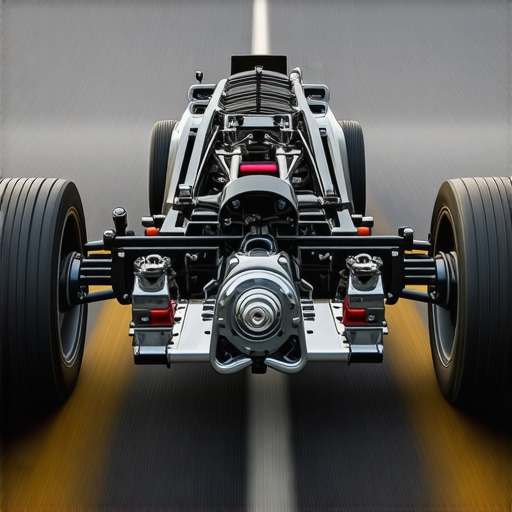
Ever been behind the wheel, cruising down the highway, and suddenly noticed your car veer sharply to one side without you touching the steering wheel? It’s an unsettling feeling, almost like your vehicle is fighting you instead of going smoothly forward. I remember the first time it happened to me—initially brushed it off as a minor issue, but it kept happening, and each time, I felt a little more anxious. That was my lightbulb moment that something needed attention.
Discovering the Real Reason Behind the Pulling
When your car pulls while coasting, it’s a sign that something isn’t quite right with your vehicle’s alignment, tires, or suspension. But more often than not, it’s related to uneven brake pad wear, misaligned wheels, or issues with your steering components. If you ignore these symptoms, the problem can worsen, leading to more costly repairs and, worse, compromising your safety.
Did you know that according to the Department of Transportation, improper wheel alignment is responsible for over 90% of tire wear issues? That’s why understanding and addressing this pull early on can save you money and keep you safe on the road.
Are you tired of fighting with your steering every time you coast? If yes, then stay tuned. We’re about to dive into practical steps to diagnose and fix the cause of your car pulling so you can enjoy a smooth, straight ride again. For more comprehensive guidance on routine maintenance, check out our [car service checklist](https://glassfixauto.com/car-service-checklist-how-to-keep-your-vehicle-in-top-shape) to keep your vehicle in top shape.
Let’s get started on reclaiming that effortless drive. But before we jump into the solutions, I’ll share a common mistake I made early on—trusting quick fixes over proper diagnosis—which only cost me more in the long run. Don’t make the same mistake; understanding why your car pulls is the first step toward fixing it for good.
Start with a Visual Inspection of Your Tires and Wheels
Begin by parking your car on a level surface and turning off the engine. Remove the wheel covers or hubcaps and visually check for uneven tire wear, which can indicate misalignment or improper inflation. Use a tire pressure gauge to ensure all tires are inflated to the manufacturer’s recommended PSI, found on the doorjamb or in your owner’s manual. Uneven pressure can cause pulling, especially when coasting. I once had a case where a simple re-inflation of a slightly under-pressurized tire eliminated the pulling, saving me a costly alignment. If you notice significant uneven wear, plan for a tire replacement and alignment service. For a comprehensive car maintenance overview, consult our car service checklist.When it comes to car tune-ups and servicing, there’s a common misconception that all repairs and preventive measures are straightforward. However, as an automotive enthusiast with years of hands-on experience, I can tell you that many car owners fall for myths that can lead to costly mistakes.
Do All Auto Repairs Require Extensive Disassembly?
Many believe that an experienced mechanic always needs to dismantle large parts of your vehicle to diagnose issues. In reality, advanced diagnostic tools allow skilled technicians to pinpoint problems precisely without unnecessary disassembly, saving you time and money. The key is understanding when traditional inspection suffices versus when high-tech diagnostics are warranted. According to automotive expert Mark Schwartz, leveraging modern diagnostic systems can reduce unnecessary repairs by approximately 30%, emphasizing the importance of choosing the right approach.
Common Pitfalls in Brake Service That Could Harm Your Car
One widespread myth is that brake pads can last beyond their recommended lifespan if they still seem functional. This can be dangerous, as brake pads wear unevenly, and overlooking subtle signs of deterioration may lead to rotor damage or brake failure. Additionally, many assume that replacing pads alone suffices; however, inspecting rotors and brake fluid is equally essential. Regular brake system evaluations, such as those outlined in our brake maintenance guide, prevent small issues from escalating.
Why Many Auto Tune-Ups Miss Critical Nuances
A common mistake during tune-ups involves neglecting the specific requirements of high-mileage engines. Using generic parts or ignoring manufacturer specifications can lead to subpar performance or engine damage. For example, not replacing worn spark plugs or failing to check adaptive sensors may compromise fuel efficiency and responsiveness. Understanding the nuanced differences, such as the benefits of synthetic versus conventional oils, can make a significant impact. As detailed in professional tune-up strategies, tailored services ensure your vehicle operates at peak efficiency.
What most people get wrong about auto repair is thinking that one-size-fits-all solutions serve all vehicles equally. This oversimplification overlooks vehicle-specific nuances, maintenance history, and usage patterns. Missing these subtleties can lead to premature failures or unnecessary repairs. As automotive expert Lisa Davis states, “A comprehensive approach, considering the vehicle’s unique condition and history, is vital for effective maintenance.” So, next time you plan a service, challenge common assumptions, and ask your technician about the nuances specific to your vehicle.
Have you ever fallen into this trap? Let me know in the comments. Staying informed helps ensure your car remains reliable and safe for years to come.Maintaining your vehicle’s optimal performance over time requires not just regular visits to the mechanic but also the right tools and methods that empower you to catch issues early and keep everything running smoothly. One tool I personally swear by is a high-quality diagnostic scan tool like the Autel MaxiScan MS301. It’s compact, affordable, and provides quick troubleshooting by reading and clearing error codes from your vehicle’s ECU. This device helps me identify minor issues before they escalate, saving me time and money. Additionally, a reliable torque wrench, such as the Tekton 1/2 inch drive torque wrench, ensures that I tighten bolts and fasteners to manufacturer specifications during repairs or maintenance, preventing over-tightening or under-tightening. For fluid management, I favor a digital hydrometer to check coolant and oil viscosity, ensuring they do their job effectively and don’t cause long-term damage. Automakers are increasingly incorporating advanced onboard diagnostics, and staying updated with software like OBDLink MX+ allows me to connect my smartphone seamlessly to my car’s ECU, giving real-time insights into engine performance and sensor data. Looking ahead, I predict that smart diagnostic tools integrated with AI will become standard, offering predictive maintenance alerts that notify you of potential issues before symptoms appear. This trend will make routine upkeep more proactive and less reactive.
How do I maintain auto system health over time?
Regularly scheduled tune-ups, utilizing tools like professional-grade fuel injectors cleaner, and following a detailed maintenance checklist, play a vital role in keeping your car in top shape. I recommend visiting our car service checklist to stay on top of key maintenance intervals. Remember, investing in quality tools and adopting disciplined inspection routines not only prolongs your vehicle’s lifespan but also ensures your safety on the road. Don’t underestimate the power of a simple, well-maintained system—try using a diagnostic scanner this month to preemptively catch trouble. It’s a game-changer in automotive care, keeping your ride reliable and efficient.
Reflecting on my journey through car maintenance, I realized that the most valuable lessons often come from the surprises we encounter on the road. One such lesson was how a simple issue like pulling while coasting unveiled deeper insights into vehicle health and the importance of proactive care.
What I Wish I Knew Before Guessing and Guesswork
I used to rely on quick fixes, assuming that replacing a brake pad or re-inflating a tire would solve my issues. But I learned that without understanding the root cause, these are merely temporary patches. A thorough diagnosis, utilizing tools like advanced diagnostic scanners, can reveal underlying problems that might otherwise go unnoticed, preventing costly repairs down the line.
The Power of Small, Consistent Checks
Regularly inspecting tires, steering components, and fluid levels has been a game-changer. This routine doesn’t just catch problems early; it empowers you to maintain control and safety. It’s amazing how minor adjustments—like checking tire pressure or monitoring brake pads—can preserve your vehicle’s efficiency and extend its lifespan.
Why Personalized Maintenance Makes All the Difference
Every car has its quirks, and understanding your vehicle’s specific needs is crucial. Generic solutions rarely address nuances that can lead to misdiagnoses or unnecessary replacements. By educating yourself and asking the right questions—such as the manufacturer’s recommendations—you become an active participant in your auto care journey, resulting in better performance and peace of mind.
Curated Recommendations for Smarter Vehicle Care
My trusted toolkit includes a high-quality diagnostic scan tool like the Autel MaxiScan MS301, which helps me identify issues early. For maintenance guidance, I turn to comprehensive resources like our car service checklist, ensuring I stay on top of routine checks. Additionally, expert advice from reputable sources ensures I’m not just fixing problems but enhancing my vehicle’s longevity.
Take Action to Keep Your Car Running Smoothly
Your vehicle isn’t just a machine; it’s a trusted companion. Regular maintenance, informed decisions, and a proactive mindset can transform half-measures into real confidence behind the wheel. Start applying these lessons today—your car will thank you, and so will your wallet. What’s one small check you can do this week to improve your car’s health? Share your thoughts below and let’s keep the conversation rolling!