
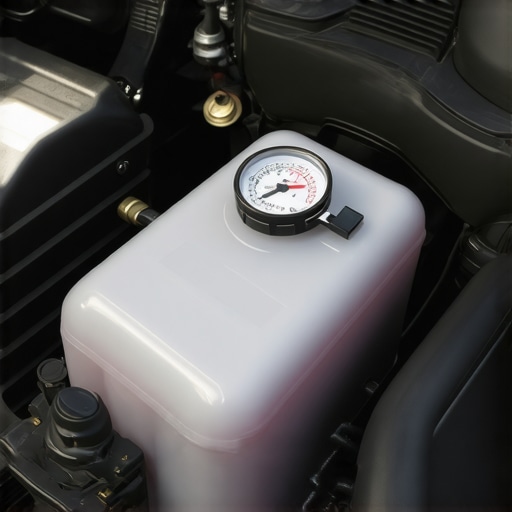
It happened to me during a routine brake fluid check—an unexpected crunch, and suddenly, I was scrambling to figure out what I’d done wrong. I had assumed adding a little extra brake fluid was harmless—a quick fix before heading out for errands. But that lightbulb moment revealed a dangerous misconception: topping off your brake fluid isn’t always a good idea. Trust me, I learned the hard way, and it almost cost me more than just a quick visit to the auto parts store.
The Hidden Danger of Overfilling Your Brake Fluid Reservoir
Many car owners believe that topping off the brake fluid is a simple way to keep their brakes in good shape. After all, if the fluid appears low, just pour in some extra, right? Not quite. What I didn’t realize early on was that when you add fluid beyond the recommended level, you can create a cascade of issues—air bubbles getting trapped, fluid contamination, or even damaging the master cylinder. These problems often manifest as spongy brakes, weird pedal behavior, or, in the worst case, complete brake failure. A preventive tune-up, such as a professional brake service, can prevent these hazards and prolong the lifespan of your braking system. Curious about how to spot signs of brake trouble? You might want to read about understanding brake system repairs.One common mistake I made was assuming that all brake fluids are the same and that topping off with any type of brake fluid would do. Wrong. The type of brake fluid matters, and mixing different kinds can cause chemical reactions that damage internal seals and compromise braking efficiency. Studies show that improper brake fluid maintenance can lead to costly repairs down the line. So, before you reach for that bottle, ask yourself: Are you adding the right fluid, to the right level? If not, you might end up spending more time and money fixing preventable damage than you saved by a quick top-off. If this sounds familiar or if you’ve recently done it, don’t worry—you’re not alone. I’ll walk you through the best practices to maintain your brake system without risking your safety or your wallet.
Prepare Your Workspace and Gather Supplies
Start by parking your vehicle on a level surface, engaging the parking brake, and turning off the engine. Remove the cap of the brake fluid reservoir using a clean cloth or rag to prevent dirt from entering. Gather the correct type of brake fluid specified in your owner’s manual—mixing different types can cause internal damage—then have a clean funnel and rags ready to avoid spills. Remember, always work in a contamination-free environment to ensure brake system longevity.
Inspect and Assess Your Brake Fluid Level and Condition
Check the fluid level against the “MIN” and “MAX” marks visible on the reservoir. If the fluid appears dark or has debris, consider a full brake fluid flush rather than just topping off. A simple way to gauge fluid condition is using a brake fluid tester, which can indicate whether the fluid has absorbed too much moisture—leading to spongy brakes and reduced stopping power. Regular inspections like this prevent costly repairs down the line.
Correctly Add Brake Fluid Without Introducing Air or Contaminants
Use a clean funnel to pour the recommended brake fluid slowly into the reservoir, filling it just below the “MAX” line. Pouring too quickly or overfilling can cause spillage or create air pockets, which compromise braking efficiency. If you’re uncertain about the exact amount needed, measure it with a syringe or small measuring cup. Once filled, wipe off any spills immediately with a clean rag to avoid damage to paint or surrounding components.
Eliminate Air Bubbles to Ensure Firm Pedal Feel
Air trapped in the brake lines can cause a spongy pedal. To remove it, perform a brake bleeding procedure—particularly if you’ve noticed pedal softness after topping off. For single-person maintenance, the Easiest method is the gravity bleed, which involves opening the bleeder valve on each wheel and letting gravity assist fluid flow, or utilizing a one-person brake bleeder kit. As I experienced during my first attempt, improperly bleeding brakes can leave residual air, leading to poor braking response. For detailed steps, visit this guide.
Test Brake Functionality Safely
After completing the top-up and bleeding process, gently press the brake pedal multiple times to ensure firmness. If the pedal feels spongy or responds slowly, another bleed might be necessary. Always test the brakes at low speed in a safe area before driving on the road to confirm proper operation. Remember, maintaining your brake fluid correctly is vital for responsive, safe braking—the cornerstone of vehicle safety systems.
Schedule Professional Maintenance for Peace of Mind
While topping off brake fluid can be straightforward, comprehensive brake system checks are best left to professionals. Regular tune-ups, which include inspecting brake pads, rotors, and fluid condition, can prevent surprises on the road. For more insights on maximizing your vehicle’s lifespan, check this article.
Many car owners operate under the myth that performing any basic maintenance, like topping off fluids or replacing parts, is straightforward and universally applicable. However, in my experience, there are nuanced pitfalls that even seasoned DIY enthusiasts often overlook, leading to costly repairs or compromised safety. For instance, one widespread mistake is assuming that all brake fluids are interchangeable; in reality, mixing different types can cause chemical reactions that damage internal seals—a point emphasized in expert guides like brake service myths. Another misconception is that a quick tune-up always guarantees optimal performance. While regular maintenance is vital, neglecting the importance of diagnosing underlying issues—such as uneven brake pad wear or subtle suspension misalignments—can lead to uneven tire wear or steering vibrations that worsen over time. An advanced mistake many overlook involves improper diagnostics using generic scanners; relying solely on check engine lights without thorough testing can mask critical issues, like faulty wheel bearings or failing sensors, which require specialized attention. According to automotive diagnostics expert industry standards, comprehensive testing is essential to accurately identify the root cause of performance issues.
Does Regular Tune-Up Prevent More Than Just Breakdowns?
Absolutely. Routine tune-ups are not just about replacing spark plugs or oil; they enhance fuel efficiency, prolong component lifespan, and improve overall safety. For example, neglecting to calibrate your vehicle’s timing or inspect the ABS sensors during an oil change can diminish braking responsiveness and increase the risk of accidents. Expert advice, such as from this resource, highlights that a well-executed tune-up can significantly extend your vehicle’s life while saving money in the long run. Remember, awareness of these nuanced differences and avoiding common traps can make your maintenance routine more effective and less intimidating. Have you ever fallen into this trap? Let me know in the comments and share your experiences!Maintaining your vehicle’s performance over time requires not just routine service but also the right equipment and a strategic approach. I’ve found that investing in quality diagnostic tools, such as an OBD-II scanner, is essential for early detection of issues. Personal experience taught me that a reliable scanner, like the BlueDriver Bluetooth Pro, can quickly identify engine problems, saving time and money by addressing faults before they escalate. Using software like Torque Pro on Android devices allows for real-time data monitoring, making it easier to spot irregularities during regular drives. For more detailed insights on maximizing your car’s lifespan, visit this article. When it comes to routine maintenance, keep a dedicated log to track service intervals and component replacements. This habit helps in scheduling proactive checks for items like brake pads, fluids, and belts, which can prevent breakdowns.
Long-term results hinge on consistent care. I recommend setting up a regular inspection routine with a trusted mechanic who uses advanced diagnostic tools, such as the Autel MaxiCOM system, to uncover hidden issues. These tools can measure brake efficiency, sensor health, and fluid quality more precisely than basic visual checks. As vehicle technology advances, integrating these tools into your maintenance routine will become even more critical as cars incorporate more electronic systems.
Looking ahead, I predict that diagnostic software will become increasingly sophisticated, possibly utilizing AI to predict failures before they happen. Staying ahead of these trends means investing in up-to-date equipment and learning how to interpret the data effectively.
For car enthusiasts and DIYers, I recommend trying out a professional-grade code reader combined with mobile apps like OBDLink. These tools enable you to perform advanced diagnostics and monitor your vehicle’s health from your driveway. To start, pick a reputable device like the Foxwell NT510 Elite, renowned for its comprehensive vehicle coverage and user-friendly interface. Regularly using such tools will empower you to catch potential issues early and keep your car performing at its best. For guidance on routine checklists and maintenance schedules, browse this checklist.
Clear, consistent maintenance combined with the right tools ensures your vehicle remains reliable and safe over the years. Make a habit of performing quick diagnostics monthly, especially before long trips, to prevent surprises down the road. Remember, staying proactive is the key to long-term auto health.
The Hardest Lesson I Learned About brake service,car service,auto repair,tune up
One of the most valuable lessons I encountered was realizing that even small maintenance steps, like topping off brake fluid, can have big consequences if done without proper knowledge. I learned that rushing through these routines without understanding the specific types of brake fluids or correct levels can lead to costly repairs and safety risks. Patience and education are key to becoming confident in your vehicle’s upkeep.
My Eye-Opening Discovery About Professional Maintenance
Initially, I believed that regular DIY upkeep could replace professional inspections. However, I found that some issues, particularly related to brake system intricacies and fluid compatibility, are best handled by experts equipped with advanced diagnostic tools. Trusting professionals ensures your vehicle remains in peak condition and prevents minor mistakes from turning into major repair bills.
How Personal Experience Redefined My Car Care Approach
After experiencing brake pedal issues after an improper fluid top-off, I committed to learning more about the nuances of auto maintenance. This journey taught me that understanding when to seek professional help, and which maintenance tasks I can safely perform myself, makes a significant difference in vehicle longevity and safety. Sharing these lessons inspires others to approach car care with care and curiosity.
Curated Tools That Changed How I Maintain My Vehicle
Investing in quality diagnostic tools like the BlueDriver Bluetooth Pro or the Autel MaxiCOM system transformed my maintenance routine. These devices help identify hidden issues early, saving time and money. I also rely on trusted guides and resources, such as this article, to deepen my understanding of optimal tune-up practices. These tools and information sources are essentials for anyone looking to keep their car at its best.
Ignite Your Drive: Take Control of Your Car’s Future
Remember, maintaining your vehicle is a journey of continuous learning and proactive care. Whether you’re checking brake fluid levels or scheduling a professional inspection, each step strengthens your confidence and safety on the road. Embrace the process, stay curious, and keep your car running smoothly for miles to come. Your best driving days are ahead—gear up and take charge today!