
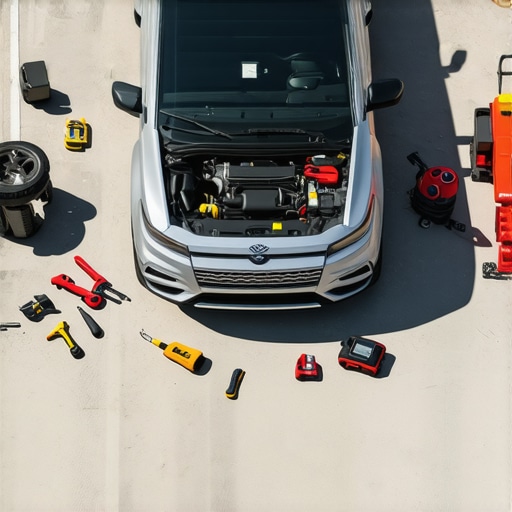
It was a chilly Sunday morning when my trusty old car sputtered and groaned in protest, refusing to start just as I was rushing out the door. That moment hit me like a punch in the gut. Here I was, trying to squeeze in one last road trip, and my vehicle—my reliable partner—was giving me signs it was tired. I realized then that maintaining a high-mileage car isn’t just about routine checks; it’s about understanding the true secrets to its longevity.
Why Your Car Deserves More Than Just Average Care
Sometimes, I think back to that frustrating morning and wonder how many avoidable breakdowns could be prevented with just a little extra attention. High-mileage vehicles, especially those that have crossed the 200,000-mile mark, require more than just regular oil changes. They need a strategic approach to maintenance that ensures they keep running smoothly for hundreds of thousands of miles.
But what if I told you that many car owners overlook critical steps that could add years to their vehicle’s life? From neglected tune-ups to ignoring early signs of wear, these small oversights can turn into costly repairs down the line. My goal here is to share the insights I’ve gathered through personal experience and professional advice, helping you avoid the pitfalls I’ve encountered along the way.
Knowing how to properly care for a high-mileage car not only saves money but can also keep you safe on the road. Regular check-ups and timely repairs can prevent catastrophic breakdowns, ensuring your vehicle remains dependable for years to come. To get started, let’s explore one of the most overlooked aspects of car maintenance—tune-ups—that can dramatically improve your car’s performance and longevity.
Is Skipping Routine Tune-Ups Actually Worth the Risk?
Early in my journey, I made the mistake of assuming that a car running smoothly meant it was fine. Turns out, neglecting routine tune-ups was a costly oversight. This lesson emphasized that regular inspections could catch small issues before they balloon into major repairs.
Research from the automotive experts at Consumer Reports highlights that timely tune-ups can improve fuel efficiency and reduce emissions, saving hundreds annually. It’s a small step that pays huge dividends. Does skipping maintenance sound tempting? I’ve been there, and I know the temptation to cut corners.
Now that I’ve laid the groundwork, let’s dive into the practical steps that have helped me extend my vehicle’s lifespan—tips that you can start implementing today to keep your car on the road for another 100,000 miles or more.
Perform Regular Tune-Ups for Peak Performance
Every high-mileage vehicle benefits from scheduled tune-ups, which involve replacing spark plugs, fuel filters, and inspecting the ignition system. I learned this firsthand when my car started misfiring after neglecting a tune-up for 10,000 miles. After scheduling a professional tune-up at https://glassfixauto.com/tune-up-your-car-for-peak-performance-essential-maintenance-tips, I noticed improved acceleration and fuel efficiency. To execute this, consult your owner’s manual and create a maintenance schedule, then follow through with either DIY checks or professional services. Use a quality spark plug socket, ensure proper torque, and verify fuel line connections. Regular tune-ups prevent engine hesitation and help avoid costly repairs, extending your vehicle’s lifespan significantly.
Inspect and Repair Your Brakes Promptly
Brakes are the critical safety component that you can’t afford to overlook. I once delayed brake inspection when I heard a faint squeal; that small noise was a warning sign. After inspecting https://glassfixauto.com/understanding-brake-system-repairs-a-guide-for-vehicle-owners, I realized the rotors had warped, which could have led to total brake failure. To perform a brake inspection, check the brake pads for thickness—if they are less than 1/4 inch, replace them. Examine the rotors for grooves or warping by feeling for uneven surfaces or vibrations during braking. Always bleed the brake fluid when replacing pads to prevent spongy pedals—use the AAA method detailed in https://glassfixauto.com/the-ultimate-car-service-guide-when-and-why-to-schedule-maintenance. Regular brake maintenance ensures stopping power and avoids costly replacements.
Monitor Fluid Levels and Condition Religiously
Fluids are the lifeblood of your car’s systems. I learned this when my engine started overheating unexpectedly. After checking https://glassfixauto.com/why-your-engine-overheats-in-heavy-traffic, I found the coolant was low and discolored. Regularly inspect engine oil, transmission fluid, brake fluid, and coolant—look for color changes, contaminants, or low levels. Use a clean dipstick to gauge oil levels; change oil every 3,000 to 5,000 miles or per manufacturer recommendations. Fluids deteriorate over time, losing their lubricating or cooling properties, leading to increased wear. Keep a checklist and set calendar reminders to check fluids monthly, ensuring each is topped up with the correct type and refilled promptly when low.
Replace Worn Belts and Seals Before Breakdowns
Belts like the timing belt and serpentine belt must be replaced at specific intervals to prevent catastrophic engine damage. I experienced a near-disaster when my serpentine belt snapped unexpectedly. Based on https://glassfixauto.com/the-simple-trick-to-stopping-a-squeaky-serpentine-belt-for-good, I now inspect belts for cracks and fraying every oil change. To do this, lift the hood, examine belt edges and listen for squeals on start-up. If cracks or glazing are evident, it’s time for replacement—usually every 60,000 to 100,000 miles. Use a belt tension gauge to ensure proper tension during replacement. Timely belt replacement keeps accessories like the alternator and power steering functioning, avoiding breakdowns and costly engine repairs.
Optimize Tire Maintenance and Alignment
Worn or misaligned tires compromise safety and efficiency. I once ignored uneven tire wear until my car started pulling to one side. After reviewing https://glassfixauto.com/why-your-manual-transmission-grinds-going-into-third-gear, I learned that improper alignment causes uneven tread wear and affects steering. Regularly check tire pressure—maintain it at the manufacturer-specified PSI—and inspect tread depth; replace tires when they reach 2/32 inch. Rotate tires every 5,000 to 7,500 miles to promote even wear. For alignment issues, schedule a professional service—it’s a quick fix that extends tire life and improves handling. Proper tire care reduces rolling resistance and gas consumption, essential for high-mileage cars.
Keep Exhaust and Emission Systems Clean
Clogged or malfunctioning emission components can reduce fuel efficiency and cause harmful emissions. I faced this when my fuel economy suddenly dropped. After consulting https://glassfixauto.com/why-your-engine-looks-like-a-milkshake, I realized clogged catalytic converters or failing oxygen sensors might be the culprit. Use a professional diagnostic tool to read trouble codes and conduct visual checks for leaks or soot buildup. Replacing an oxygen sensor is cost-effective and restores proper air-fuel ratio. Regularly inspecting exhaust components prevents issues that can lead to engine damage or failed emissions tests, especially crucial for high-mileage vehicles eager to stay on the road longer.While most car owners are aware of basic maintenance like oil changes and brake checks, there’s a common misconception that these routine tasks are all that’s needed to keep a vehicle running smoothly. In reality, many people overlook nuanced but critical aspects that can significantly impact longevity and performance. For example, the industry often emphasizes replacing worn brake pads after they’ve gone below a certain thickness, but what about the condition of the calipers and brake fluid? Neglecting these can lead to uneven wear and even complete brake failure, despite recently replacing pads. It’s a trap that recognizes the surface but ignores the underlying system’s health. Furthermore, there’s a widespread myth that performing a tune-up every 10,000 miles is overly cautious; however, advanced diagnostics reveal that modern engines benefit from more precise, condition-based scheduling. This approach avoids unnecessary replacements and identifies issues before they become costly repairs.
Are You Overlooking the Subtle Signs of Auto System Wear?
Many experienced professionals warn against relying solely on visual cues or waiting for warning lights. Instead, proactive diagnostics—such as inspecting engine timing, sensor calibrations, and fluid integrity—can uncover hidden problems early. Studies from automotive experts suggest that up to 70% of serious breakdowns could be prevented if owners understood these less obvious indicators and engaged in preventive maintenance. It’s a reminder: genuine auto care isn’t just about reacting to problems, but about understanding the complex interplay of vehicle systems. For those eager to learn more about staying ahead with your car’s needs, comprehensive checklists and expert advice are available through trusted sources like https://glassfixauto.com/car-service-checklist-how-to-keep-your-vehicle-in-top-shape. Remember, good maintenance is as much about nuance as it is about routine—don’t let overlooked details surprise you on the road. Have you ever fallen into this trap? Let me know in the comments.
The Right Equipment Keeps Your Car in Prime Condition
Investing in quality tools is essential for effective maintenance and diagnostics. I personally swear by a high-quality digital multimeter, like the Fluke 115, which ensures accurate readings for battery voltage, sensor outputs, and wiring integrity. It’s a versatile tool that I use regularly to troubleshoot electrical issues without unnecessary trips to the shop. Having a reliable scan tool, such as the Autel MaxiCOM series, allows me to read and clear diagnostic trouble codes, saving time and helping me understand underlying problems early. These tools give me the confidence to perform tasks like sensor replacements or looking into emissions problems, preventing small issues from escalating.
Software Solutions Streamline Maintenance Tracking
Managing a maintenance schedule is critical, especially for high-mileage or complex vehicles. I utilize dedicated apps like Car Minder Plus or AUTOsist, which help me keep track of oil changes, fluid replacements, and part replacements with reminders tailored to my driving habits. These platforms sync across devices, ensuring I never miss a service appointment. They also store vehicle histories, which proves invaluable when diagnosing recurring issues or planning long-term repairs. As vehicle technologies evolve, staying organized with digital tools ensures I stay ahead of potential problems.
Diagnostic Procedures That Catch Issues Early
Advanced diagnostics involve more than just reading error codes. I regularly perform visual inspections of belts, hoses, and electrical connections, looking for signs of aging like cracks or corrosion. For example, I check the serpentine belt tension and condition every 10,000 miles; using a belt tension gauge helps me ensure proper tension and prevent sudden failures. Additionally, I utilize infrared thermometers to check for overheating components — a small investment that can reveal problems like failing alternators or clogged radiators before they cause damage. Combining visual checks with diagnostic scans offers a comprehensive view of your car’s health.
Embracing Modern Maintenance Trends for the Future
Looking ahead, vehicle diagnostics will become increasingly integrated with AI-driven software, capable of predicting failures before symptoms even appear. According to https://glassfixauto.com/auto-repair-trends-to-watch-in-2025-staying-ahead-of-the-curve, the future lies in predictive maintenance powered by IoT and machine learning. For now, I recommend adopting smart diagnostic tools and staying current with software updates for your scan devices. This proactive approach means fewer unexpected breakdowns and extends your vehicle’s lifespan—crucial for high-mileage owners like myself.
How do I maintain my tools and keep diagnostics effective over time?
Regular calibration and updating of your diagnostic software and calibration of measurement tools, like multimeters and tension gauges, are key. I dedicate a weekend each year to updating my software licenses and recalibrating my testers, which keeps my diagnostic readings accurate and reliable. Additionally, cleaning and storing tools properly prevent damage and ensure longevity. For expert assistance in maintaining your diagnostic setup, consider reaching out via their contact page. Testing and calibrating your gear regularly will help you catch issues early, saving you time and money in the long run. Try implementing this routine this month — you’ll be amazed at how much earlier you detect problems, and it keeps your tools ready when you need them.
Lessons from the Road: My Most Surprising Auto Maintenance Revelations
Over the years, I’ve learned that caring for a high-mileage vehicle reveals truths that often go unnoticed, like the importance of addressing minor issues before they become costly repairs. One lightbulb moment was realizing that a simple coolant flush can prevent engine overheating during summer drives, saving me from unexpected breakdowns. Another lesson was understanding that inconsistent tire pressure doesn’t just affect fuel economy but can also lead to uneven tread wear, shortening tire lifespan. These insights came from hands-on experience and a willingness to dig deeper than routine maintenance checklists.
My Toolbox of Trusted Resources for Car Longevity
To keep my vehicle running smoothly, I rely on quality diagnostic tools like the Autel MaxiCOM scan tool, which helps identify lurking issues early. I also recommend books such as “Automotive Repair and Maintenance” by Charles Greaves, which offers practical advice grounded in real-world applications. For ongoing learning, following updates on auto repair trends for 2025 keeps me ahead of technological shifts. Lastly, maintaining a good relationship with a trusted mechanic, like those at GlassFix Auto, ensures professional guidance when needed.
Keep Your Drive Alive: Why Making Small Changes Matters
The key to a vehicle that stands the test of time isn’t just adhering to a schedule—it’s about proactive care rooted in curiosity and education. I challenge you to examine your car dashboard for subtle warning signs monthly and to address them before they escalate. Investing in quality tools, staying informed through trusted resources, and fostering relationships with skilled technicians make all the difference. Your high-mileage car can become more than just transportation; it can be a testament to your commitment to longevity. So, why not start today? Share your experiences below, or ask me about specific maintenance tips for your vehicle. Your journey to a more resilient ride begins with small, deliberate steps—are you ready to take them?