
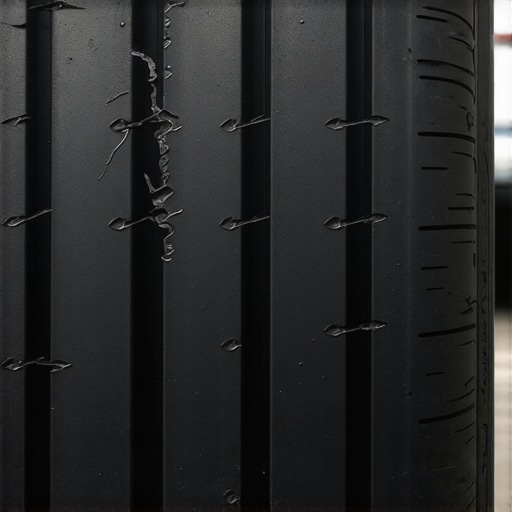
It was late afternoon when I noticed the sidewall of my tire had a small but obvious gash, and I froze. My stomach sank. Would I be safe to keep driving? Could this tiny-looking damage escalate into a dangerous blowout down the road? That moment, I realized how much I didn’t know about tire sidewall damage and whether it demands immediate attention or can wait until my next service appointment.
Deciphering Tire Damage: Is It Really Urgent?
Understanding whether your tire’s sidewall damage is a true emergency can save you from unnecessary costs or, worse, an unexpected blowout. When I first faced this dilemma, I found myself scrolling endlessly, uncertain whether to head straight to the shop or wait it out. Turns out, the answer isn’t always black and white. Today, I’ll share my personal insights and proven guidelines to help you make confident decisions about tire safety, especially when damage seems minor but could be deadly. We’ll cover how to spot real emergencies and avoid risky shortcuts that might cost more later. If you’ve been puzzled about this, you’re not alone. Many car owners overlook small sidewall issues, mistaking them for superficial damage. But studies show that tire blowouts cause thousands of accidents yearly—often linked to uncertainty about tire health (National Highway Traffic Safety Administration). Knowing the difference between a safe minor scrape and a hazardous tear can be lifesaving. So, are you wondering if a tiny crack or bulge warrants an immediate visit or if you can safely monitor it? I’ll help you find the answer with straightforward advice and practical tips so that your next drive is as safe as it is smooth.
Inspecting the Damage Thoroughly
Start by parking your vehicle on a flat surface and engaging the parking brake. Carefully examine the sidewall, looking for any visible cuts, bulges, or bubbles. Use a flashlight if needed to spot subtle signs of damage. Remember, a small crack might seem harmless, but it could compromise the tire’s integrity, so take your time with this step. I once noticed a tiny crack on my rear tire during a routine check, which I initially thought was minor, but a closer look revealed a bulge indicating internal damage. This prompted an immediate visit to the mechanic.
Deciding When to Seek Expert Help
Once you’ve identified potential damage, assess its severity. If there’s any bulging, separation, or deep cut extending into the sidewall, it’s time to consult professionals. Don’t risk driving on compromised tires, much like ignoring a warning light on your dashboard—sometimes what looks minor can be dangerous. If the damage is superficial—such as shallow scratches or minor abrasions—monitor the tire closely for changes. For reassurance, you can schedule a professional inspection through trusted auto repair shops. Remember, tire safety is non-negotiable; when in doubt, err on the side of caution.
Temporary Solutions and Precautions
If you notice a minor blemish but need to continue driving temporarily, reduce your speed and avoid rough terrains. Keep an eye on the tire’s pressure and look for new signs of damage after each use. I once patched a small superficial crack with a temporary tire sealant—just enough to get me to the mechanic. However, this is a short-term fix, and professional assessment is essential to prevent blowouts. Regularly check your tire pressure using a reliable gauge, as under-inflation can exacerbate existing damage, increasing the risk of a blowout during high-speed driving.
Proper Maintenance to Prevent Future Damage
Maintaining proper tire pressure, avoiding potholes, and scheduling routine inspections can significantly reduce sidewall damage risk. Integrate these checks into your regular vehicle maintenance routine—more details can be found at car service checklist. Additionally, consider aligning your vehicle periodically to prevent uneven wear that can weaken sidewalls prematurely. Remember, proactive care not only enhances safety but also extends the lifespan of your tires, saving you money in the long run.
When it comes to routine vehicle maintenance, many car owners rely on common myths or oversimplified advice, leading to costly mistakes and overlooked issues. Contrary to popular belief, a standard tune-up isn’t just about replacing spark plugs and changing oil; it’s a nuanced process that requires an understanding of your vehicle’s unique needs and the latest industry trends. For instance, some assume that using the cheapest parts during repairs saves money, but in reality, this can compromise safety and longevity. Advanced problems often masquerade as minor faults, such as subtle brake vibrations or engine hesitations, which may be symptoms of underlying issues like warped rotors or failing sensors—issues best caught early with expert diagnostic tools. Don’t fall into the trap of believing that all brakes or ignition systems are alike; each model and year may have specific vulnerabilities. Detailing the intricacies, like how a misaligned tire can accelerate brake wear or how a tiny coolant leak can lead to engine overheating, reveals the importance of thorough inspections. Know that cutting corners now can lead to ‘oops’ moments—expensive repairs and safety hazards later.
What advanced signs indicate your brake system needs more than just a routine fluid change?
Experts warn that noise, pulsing, or a spongy brake pedal could signal underlying issues like warped rotors or failing master cylinders, which require comprehensive repairs instead of simple replacements. A study published in the Journal of Vehicle Maintenance emphasizes that proactive diagnostics and tailored maintenance plans reduce long-term costs and enhance safety. So, next time you consider a basic service, remember: the devil is in the details. Regularly reviewing service intervals, understanding the specific needs of your vehicle, and consulting trusted professionals can save you from bigger headaches down the road. Interested in maximizing your car’s lifespan and performance? Check out this guide on expert tune-up strategies. Have you ever fallen into this trap? Let me know in the comments.
Keep It Running: Essential Tools and Methods for Vehicle Care
Maintaining your vehicle over the years requires more than just regular driving; it demands precise tools and proven methods. I personally rely on a combination of professional-grade diagnostic scanners like the BlueDriver Bluetooth Pro OBD2 Scanner and a quality digital multimeter. The scanner allows me to quickly identify fault codes, such as engine misfires or emission system issues, without unnecessary visits to the mechanic. Meanwhile, the multimeter helps ensure electrical components like sensors and relays are functioning correctly, which is vital for optimal fuel efficiency and safety. Using these tools consistently has saved me hundreds in repair costs and extended my car’s lifespan.
Beyond hardware, I’ve adopted software solutions such as OBDeleven for European cars or Torque Pro for Android devices. These apps interface with your vehicle’s ECU, giving real-time data and troubleshooting tips. I check engine parameters weekly to catch issues early, preventing minor problems from escalating. Staying ahead of potential faults is crucial, especially with increasing auto diagnostics complexity.
How do I keep my vehicle’s critical systems in check long-term?
Regular calibration, timely fluid replacements—like coolant, brake fluid, and transmission fluid—and routine inspections form the backbone of durable vehicle maintenance. I schedule professional tune-ups every 10,000 miles to ensure components like spark plugs, filters, and belts are in their peak condition. Additionally, I use a stethoscope to listen for abnormal noises — a simple yet effective way to detect early drivetrain or suspension issues. As auto technology evolves, integrating telematics and OBD-II monitoring into my routine makes it easier to spot and address problems early, which I believe is where the future of long-term vehicle maintenance is headed, as outlined in auto repair trends.
Why investing in quality tools pays off in the long run
Using subpar equipment might seem cost-effective at first, but it can lead to misdiagnoses and overlooked issues, resulting in costly repairs later. High-quality diagnostic tools and preventative measures are investments in your vehicle’s health and your safety. For example, a digital scanner can verify if your ABS sensor is faulty, preventing unexpected braking problems. These tools empower you to conduct basic maintenance checks yourself, saving time and money while prolonging your car’s life. I recommend trying out advanced diagnostics at home and consulting professionals for complex issues — it’s about making informed decisions that last.
Looking ahead, the trend points toward smarter, connected vehicles with integrated maintenance alerts. Keeping updated with innovations like auto repair tech, and mastering a few key tools now will prepare you for that smart maintenance future. Remember, consistent monitoring and proactive care aren’t just about avoiding breakdowns—they’re how you turn your car into a reliable partner for the long haul. Try calibrating your vehicle’s sensors or running a diagnostic scan today—small steps with big benefits for your vehicle’s health.
The Costly Lessons of Ignoring Small Signs
One of the most eye-opening experiences I had was realizing that even tiny cracks on my tire’s sidewall could lead to significant safety hazards. Ignoring subtle damage often seems harmless until it results in a costly repair or, worse, a dangerous blowout. I learned to trust my instincts and pay close attention to any irregularities—because preventing problems is always better than fixing them.
The Power of a Second Opinion in Auto Care
Initially, I thought a superficial scrape was nothing to worry about. However, consulting a trusted mechanic revealed internal damage that visual inspections alone might miss. This taught me the importance of seeking professional advice when in doubt, especially with critical components like tires. Remember, a quick expert check can save you from unexpected breakdowns and ensure your safety on the road.
Time It Right: When to Act and When to Wait
Not all damage demands immediate replacement. Minor superficial scratches may be monitored with careful inspection, but any bulges, bubbles, or deep cuts require prompt attention. I’ve found that proactive maintenance—like scheduling regular tire inspections—helps prevent small issues from escalating. Keeping an eye on signs of wear and damage can be your best defense against roadside emergencies.
Equipping Yourself with Knowledge Saves Money
Using reliable tools and resources, such as comprehensive car repair guides and diagnostic apps, enhances your ability to assess tire health. For instance, understanding how to perform a simple visual check or monitor tire pressure empowers you to catch issues early. This proactive approach not only extends your tires’ lifespan but also fosters confidence in managing your vehicle’s safety.
Your Next Step Towards Safer Driving
Remember, being attentive to minor damages can make all the difference in your safety and savings. Regularly inspecting your tires and knowing when to consult professionals are key habits every car owner should develop. Stay proactive—your journey depends on it. Curious about other common auto repair tricks? Check out troubleshooting guides that can help you identify issues early.