
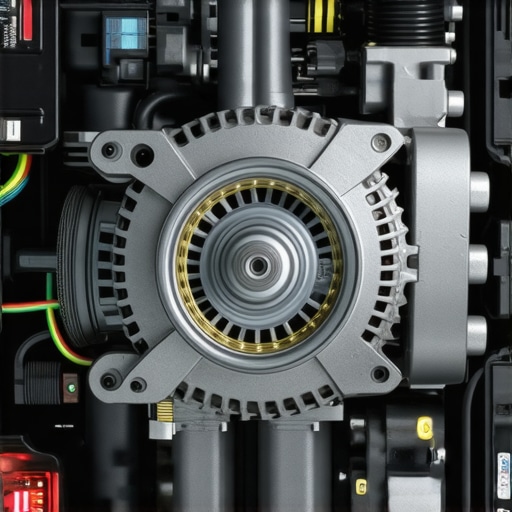
It happened on a chilly Tuesday morning—my car refused to start just as I was rushing to an important meeting. Frustration mixed with anxiety. That light bulb moment hit me hard: I should have paid closer attention to the signs of an impending alternator failure. Instead, I was left stranded, cursing my luck—and my oversight. Have you ever experienced that sudden, helpless feeling when your car suddenly stalls without warning?
In this post, I want to share what I’ve learned about spotting a failing alternator before it stranding you. These clues are often subtle but crucial. Recognizing them early can save you from annoying breakdowns and expensive repairs. Plus, understanding how your vehicle’s charging system works helps you stay ahead of trouble.
Why Knowing Your Alternator’s Warning Signs Matters
Your alternator might not be the most glamorous part of your engine, but it’s the lifeline that keeps your battery charged and your vehicle running smoothly. When it begins to fail, your car’s electrical components suffer. From the dashboard lights flickering to strange noises, the symptoms can be confusing or easy to ignore—until it’s too late.
Early detection can mean the difference between a quick fix and a costly tow. Making mistakes early on, like ignoring persistent dimming headlights or ignoring a warning warning, might seem harmless at first. But I learned the hard way that **initial signs can progress rapidly if ignored.** For example, I once believed a flickering interior light was just a bulb issue, only to find out later that my alternator was on its last legs, which could have been caught early with proper troubleshooting.
By paying attention to these early indicators, you protect yourself from being stranded unexpectedly. Plus, regular checks of your vehicle’s electrical health can reduce the risk of breakdowns. I recommend consulting guides like [this one](https://glassfixauto.com/troubleshooting-common-auto-repair-issues-before-visiting-the-shop) to understand common auto repair issues, including alternator problems.
Are you familiar with the warning signs of a failing alternator? Have you ever been caught off guard by a sudden breakdown due to electrical issues? Understanding these signs today can keep your vehicle reliable tomorrow. Now, let’s dive into the telltale signals that your alternator might be on its last legs, so you can handle it before it becomes a roadside emergency.
Test Your Vehicle’s Electrical System Regularly
Start by conducting simple inspections every few months. Use a multimeter to measure the voltage across your battery terminals with the engine running. A healthy alternator should produce around 13.8 to 14.4 volts. If it’s lower, that’s a red flag. I remember one time, I kept ignoring my dimming dash lights until one day, the multimeter reading was less than 13 volts, signaling declining alternator performance. Catching this early saved me a roadside breakdown.
Perform a Visual Inspection for Wear and Tear
Pop the hood and examine the alternator belt for cracks or fraying. Also, check the serpentine belt tension; a loose belt can mimic alternator failure. When I noticed my belt had tiny cracks, I replaced it before it slipped off, preventing potential alternator damage. Remember, the belt is the power link; if it’s compromised, the alternator can’t charge effectively.
Listen for Unusual Noises
Turn on your engine and listen closely. A whining or squealing sound often indicates bearing issues within the alternator. During my last car check, I heard a faint squeal, prompting an immediate inspection. Replacing faulty bearings prevented a complete alternator failure on a busy workday.
Check Dashboard Warning Lights
Pay attention to warning indicators like the battery light, which may glow intermittently or stay on. When I noticed my battery warning light flickering, I thought it was a simple bulb, but it was early signs of alternator trouble. Prompt attention prevented me from being stranded.
Use a Battery Tester or Seek Professional Diagnosis
If you suspect issues, use a portable battery tester or visit an auto repair shop for a professional assessment. Skilled technicians like those at this service can perform comprehensive diagnostics and confirm whether your alternator needs repair or replacement. Regular diagnostics can catch problems early, much like how I caught my alternator weakness through routine checks.
Know When to Replace Your Alternator
If multiple warning signs align—dim headlights, frequent stalling, or low voltages—it’s time to replace the alternator. Don’t wait for total failure, which can leave you dead on the roadside. Replacing a failing alternator is akin to changing a worn-out battery; it restores your vehicle’s electrical health and saves moneylong-term. Preventative action can keep your engine humming smoothly and avoid costly repairs.
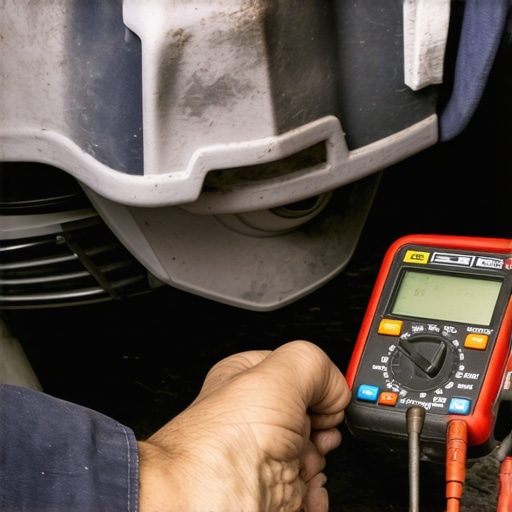 While many vehicle owners understand the basics of car maintenance, there’s a lot of misinformation and overlooked details that can lead to costly mistakes. One widespread misconception is that following the manufacturer’s recommended service intervals rigidly is always necessary. In reality, these intervals are often conservative estimates, and knowing your driving conditions helps tailor maintenance more effectively. For example, frequent short trips can accelerate wear, meaning you might need more frequent brake inspections or tune-ups. Relying solely on mileage without considering driving habits could lead to neglected issues. Another common myth is that all auto repairs are straightforward and can be DIYed without risking further damage. But complex systems like transmissions or advanced brake components require professional diagnostics to avoid costly misdiagnoses. A subtle nuance many overlook is the importance of using quality parts—even in smaller repairs. Cheap replacements can wear out prematurely, leading to repeat repairs that cost more in the long run. This is especially true for critical components like brake pads, where poor-quality materials might have a shorter lifespan or cause noise and vibration. Many assume that brake service is just about replacing pads, but thorough inspection of rotors, calipers, and hydraulic fluid is essential to ensure safety and longevity. Skipping these checks can result in uneven brake wear or failure. One advanced mistake drivers make is neglecting to consider the role of the vehicle’s overall health instead of isolating issues. For instance, uneven tire wear might be diagnosed as just a tire problem, but it could stem from suspension or alignment issues that, if unaddressed, will damage new tires quickly. Regular comprehensive diagnostics can catch these hidden problems early. Have you ever fallen into this trap? Let me know in the comments. Understanding these nuances and debunking myths can save you money and keep your vehicle running smoothly. For deeper insights on maintaining your car’s performance, visit our [car service checklist](https://glassfixauto.com/car-service-checklist-how-to-keep-your-vehicle-in-top-shape) and become proactive with your maintenance routines.Maintaining your vehicle’s performance requires more than just basic checks; having the right tools can make a significant difference. Personally, I rely on a high-quality digital multimeter to regularly monitor electrical systems like the alternator and battery voltage. I prefer models with auto-ranging capabilities, such as the Fluke 115, because they provide quick, accurate readings without fuss—saving me time and avoiding costly misdiagnoses. For diagnosing complex issues, an OBD-II scanner like the BlueDriver Bluetooth Scan Tool is indispensable. It not only reads error codes but also offers detailed explanations, guiding me to address problems efficiently. I use a bore scope camera—like the Autel MS300—to inspect engine components that are otherwise hidden, such as the inside of cylinders or behind the engine bay, allowing early detection of wear or damage. For brake system diagnostics, a brake fluid tester like the Mastercool 54175 helps verify fluid quality and moisture content, essential for safe braking. These tools collectively ensure I catch issues early, perform DIY maintenance confidently, and extend my vehicle’s lifespan. As auto repair technologies advance, I predict a growing emphasis on integrated diagnostic software that combines data from various tools, making maintenance more precise. To keep your car running smoothly over the long haul, I recommend establishing a routine use of a reliable multimeter and an OBD-II scanner—these empower you to take quick action before small problems turn into costly repairs. How do I maintain my vehicle’s electrical health over time? Consistently use your multimeter to check your battery and alternator, especially before long trips or seasonal changes. Regular diagnostics with an OBD-II scanner can also detect emerging issues early. For detailed guidance on routine maintenance, explore our [car service checklist](https://glassfixauto.com/car-service-checklist-how-to-keep-your-vehicle-in-top-shape), which walks you through key checks you can perform yourself. Remember, proactive use of these tools not only saves money but also keeps you safe on the road.
Over the years, I’ve come to realize that understanding the nuances of auto maintenance isn’t just about fixing problems—it’s about preventing them. The secret lies in paying attention to your vehicle’s subtle signals, especially when it comes to the alternator, the unsung hero of your car’s electrical system. Recognizing early warning signs has transformed the way I approach car care, saving me countless headaches and expenses.
The Slow Burn of the Alternator’s Warning Secrets
One lesson I learned painfully was that not all warning signs shout for immediate attention. Dimming headlights, flickering dashboard lights, or a weak battery warning might seem minor, but they’re often the earliest clues of an impending alternator failure. Ignoring these cues is like dismissing the first symptoms of a cold—until suddenly, you’re down for the count. My breakthrough came when I started performing routine electrical checks, and that proactive approach has kept me on the road far longer than I expected.
Why Trusting Your Instincts Pays Off
Early in my car ownership journey, I dismissed odd noises and unusual dashboard alerts as trivial. It wasn’t until I faced a roadside breakdown that I realized how vital it is to heed my instincts. Now, I routinely use simple tools like a multimeter to monitor voltage levels and inspect belts for wear. This habit of listening and acting on early signals has become a personal safeguard, turning me from reactive to preventive in my auto maintenance routine.
Lifting the Veil on Auto Maintenance Myths
Throughout my experience, I’ve uncovered misconceptions that can sabotage vehicle health. For instance, many believe that dashboard lights are just a nuisance or tied solely to minor issues. However, these lights often conceal significant problems lurking beneath. Debunking myths about maintenance intervals and DIY fixes has empowered me to seek professional help when needed, ensuring my car’s reliability and longevity.
The Power of the Right Diagnostic Tools
Having the proper tools has been an eye-opener. A quality OBD-II scanner doesn’t just read error codes; it provides insights that can prevent major failures. Combining this with a trustworthy multimeter allows me to keep tabs on my charging system regularly, much like a health monitor. These tools have become my allies, providing peace of mind and a clear action plan before minor issues escalate.
Lessons That Last a Lifetime
Ultimately, my journey has taught me that early detection and routine checks are invaluable. They empower you to make informed decisions, avoid roadside emergencies, and extend your vehicle’s lifespan. Never underestimate the small signs—your car’s way of speaking to you. When in doubt, consult resources like troubleshooting guides to deepen your understanding and stay ahead of potential failures.
Ready to Take Charge of Your Car Care?
Trusting your instincts and early signs is the best investment you can make in your vehicle’s health. Developing a routine for electrical system checks and understanding what warning lights mean can turn frustrating breakdowns into manageable maintenance tasks. Your car is more than just a machine—it’s a partner in your adventures. Keeping it in top shape starts with staying attentive and proactive.