
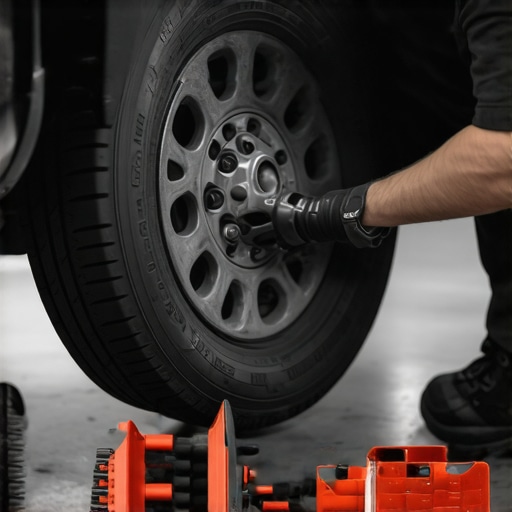
It was one of those mornings where everything seemed off. I was just pulling out of my driveway when I heard it—a faint but persistent hum that didn’t sound quite right. At first, I thought it was just road noise or perhaps a loose hubcap. But as I rolled down the street, the sound grew more pronounced, and I started to feel a slight vibration through the steering wheel. That’s when the lightbulb went off—could it be my wheel bearing?
Why Hearing That Pitch Might Save Your Car and Wallet
Many car owners overlook subtle noises until they turn into costly repairs. Recognizing the early signs of a bad wheel bearing by its pitch isn’t just about avoiding an inconvenient breakdown; it’s about safety and saving money. A faulty wheel bearing can cause uneven tire wear, steering issues, or even wheel separation in severe cases. The good news? You can often catch these problems early if you’re attentive to the telltale sounds.
Is Listening to the Pitch Really That Important?
Absolutely. I remember dismissing that initial hum, thinking it was just normal road noise. Later, I learned that a changing pitch often indicates the deterioration of the bearing’s integrity. Early on, I made the mistake of relying solely on visual cues—and missed the importance of listening carefully. Experts emphasize that abnormal noises are often the first warning sign, which makes understanding how a bad wheel bearing sounds crucial for any car owner. Early detection could mean the difference between a simple fix and a catastrophic failure.
If you’ve ever experienced a similar suspicion, or if your vehicle has started making noises you can’t identify, you’re not alone. Recognizing the pitch involved in a failing wheel bearing can empower you to act before a small issue turns into a major repair. And trust me, I wish someone had explained this to me years ago. For more insights, check out this [guide on identifying failing wheel bearings](https://glassfixauto.com/how-to-identify-which-wheel-bearing-is-actually-bad). Now, let’s dive into how you can precisely diagnose the pitch of a bad wheel bearing and keep your car rolling smoothly.
Get Ready to Listen Carefully
First, park your vehicle on a flat surface, turn off the engine, and engage the parking brake. Wear hearing protection if necessary, as some noises can be loud. Sit inside the car and start the engine, then gently accelerate to a speed around 25-30 mph, listening intently for changes in the noise or vibrations. This step helps you identify if the pitch varies with speed, a key indicator of a failing wheel bearing.
Isolate the Problem Side
Next, perform a quick test to pinpoint which wheel might be at fault. With the engine running and at the same speed, have a helper gently turn the steering wheel left and right while you listen. If the noise intensifies or changes when turning in a particular direction, it suggests that the bad bearing is on the opposite side. Alternatively, you can jack up one corner of the vehicle at a time, securely support it with jack stands, and gently rotate the wheel by hand, feeling for roughness or play. This hands-on check gives direct insight into each bearing’s condition.
Use a Stethoscope or DIY Listening Aid
For more precise detection, use a mechanic’s stethoscope or a long screwdriver. Place the tip gently against the wheel hub or bearing area, making sure the vehicle is off and wheels are secured. Carefully listen for a grinding or growling sound. A high-pitched, cyclic hum that varies with wheel rotation indicates bearing wear. This targeted approach helps confirm your suspicions before moving to test alternatives.
Perform a Road Test to Confirm
Drive the vehicle at different speeds on a quiet, smooth road. Pay attention to any vibrations or noises that occur only during driving. Note if the pitch worsens with increased speed or when braking. If the noise ceases or diminishes when turning the steering wheel toward a specific side, it confirms that the bearing on that side is likely failing. This dynamic testing step ties together your earlier findings and provides stronger evidence.
Leverage Visual and Physical Inspection
Finally, if you’re comfortable, do a visual check. Remove the wheel and brake components to access the bearing assembly. Look for signs of damage, rust, or excessive play in the bearing. Gently wiggle the hub; if you feel looseness or hear grinding, it confirms that your diagnosis is correct. Always remember to follow safety procedures when jacking up and working under your vehicle. For a comprehensive list of vehicle maintenance routines, review this car service checklist. This meticulous approach ensures you accurately identify the source of the pitch before investing in repairs.
Many car owners operate under misconceptions that can lead to expensive mistakes. One common myth is that all brake services require complete rotor replacements every time, but in reality, many issues can be resolved with resurfacing or minor repairs if caught early, saving you money. Another widespread misconception is that tuning up a car always involves replacing all spark plugs and filters, yet sometimes only targeted components need attention based on specific diagnostics, as highlighted in expert guides on tune-up practices. A crucial nuance often overlooked is that routine auto repairs aren’t just about immediate fixes; they also influence your vehicle’s overall longevity and safety, especially when subtle signs are ignored. An advanced mistake many make is neglecting the importance of diagnosing the root cause of persistent issues, which can mask underlying problems. For example, assuming a noisy brake pad is normal can lead to uneven wear and brake failure, a trap documented in auto repair trend analyses. Expert mechanics warn against relying solely on visual cues; understanding the nuances of how components behave under specific conditions is vital for effective maintenance. This is particularly relevant when considering brake squeal myths, where noise might persist despite pad replacement, indicating deeper issues. One question advanced car owners often ask is: How can I differentiate between a minor annoyance and a critical failure? The answer lies in recognizing patterns of behavior and understanding technical signs that point to serious problems. For instance, a subtle vibration while braking may seem trivial but can signal warped rotors needing precise intervention. The key is to combine observational skills with expert knowledge, avoiding simplistic assumptions. As studies suggest, maintaining a proactive diagnostic approach minimizes the risk of costly repairs down the line, ensuring safety and efficiency. Stay informed and don’t fall for oversimplified solutions—your vehicle’s health depends on keen awareness of these hidden nuances. Remember, regular consultations with trusted professionals and thorough understanding of your car’s signals can prevent small issues from escalating. If you’re interested in deeper insights, explore our comprehensive car service guide. Have you ever fallen into this trap? Let me know in the comments.
Keeping your vehicle in top shape over the years requires the right tools and a systematic approach. As someone who has worked extensively in auto repair, I can attest that investing in quality equipment not only saves you money but also enhances safety and reliability.
Durable Digital Multimeter for Precise Diagnostics
I personally rely on a Fluke 115 multimeter because of its accuracy and durability. It allows me to troubleshoot electrical issues efficiently, which is crucial when diagnosing problems like faulty sensors or bad wiring, especially in critical systems like brakes or ignition. Investing in a reliable multimeter pays off by reducing diagnosable guesswork and preventing unnecessary parts replacement.
Sturdy Jack Stands for Safe Lifting
When working under your car, safety is paramount. I recommend heavy-duty steel jack stands with a locking mechanism. My preferred brand is Torin, which provides stability and peace of mind during maintenance tasks such as replacing brake pads or inspecting suspension components. Never rely on hydraulic jacks alone, as they can fail unexpectedly.
Specialized Brake Caliper and Rotor Tools
For brake service, a caliper piston compressor tool streamlines the process. I use a digital caliper to measure rotor thickness precisely, ensuring it’s within manufacturer specifications. Accurate measurement and proper tool usage extend the lifespan of your braking system and ensure effective stopping power. The importance of maintaining your brake components cannot be overstated—see how routine inspections can prevent failures in this comprehensive guide.
High-Quality Tune-Up Equipment for Long-Term Performance
A professional-grade spark plug socket and torque wrench are essential for doing tunes properly. I always torque spark plugs to manufacturer specs to prevent damage, which is critical for engine longevity. Regular tune-ups using proper tools improve fuel economy and reduce emissions, aligning with the trend toward eco-friendly maintenance practices expected to grow in 2025, as detailed in auto repair trends.
How do I keep my auto maintenance routine consistent?
One strategy is to create a personalized maintenance schedule based on your vehicle’s usage and condition. Using a dedicated notebook or digital app helps track service intervals and tool calibration dates. This proactive approach minimizes unexpected breakdowns and extends your car’s lifespan, especially when combined with expert-guided routines like those found in comprehensive checklists.
Looking ahead, advances in diagnostic software are making auto maintenance more precise and accessible. For example, integrating OBD-II scanners with smartphone apps enables real-time health monitoring of your vehicle’s systems. Embracing these tools now prepares you for upcoming innovations in auto care, ensuring your car remains reliable for miles to come.
If you haven’t yet, try calibrating your multimeter with a known voltage source—it’s a simple but powerful step toward accurate diagnostics. Proper tools and consistent routines form the backbone of effective long-term maintenance, helping you avoid costly repairs and keeping your vehicle performing at its best.
Over the years, I’ve learned that paying close attention to the subtle sounds our vehicles make can save you a lot of money and trouble. One of the most overlooked signals is the pitch of noises emanating from your wheels—an early warning sign of wheel bearing problems. Recognizing these sounds isn’t just an automotive tip; it’s a mindset that can protect your safety and your wallet.
The Hidden Power of Listening Before Repair
Early detection of a bad wheel bearing through its pitch allows you to address issues before they escalate into costly repairs or dangerous situations. The moment you notice a cyclical, high-pitched hum that changes with speed, it’s time to investigate. Trust me, I’ve seen how neglecting these clues can lead to wheel separation or loss of control. Developing an ear for these sounds is a game-changer in proactive vehicle maintenance.
Deepening Your Diagnostic Intuition
The next step is honing your ability to correlate pitch with specific wheel locations. Turning the steering wheel while listening can reveal which side is affected, especially if the noise intensifies when turning toward that side. Using a simple DIY method like a mechanic’s stethoscope or even a long screwdriver can help isolate problem areas with surprising accuracy. This approach transforms a vague suspicion into confident diagnostic action.
My Personal Breakthrough Moments
What shifted my perspective was realizing that not all noises are created equal. A persistent hum isn’t just an annoyance—it’s often a symptom of impending failure. I once ignored a faint growl that worsened over a week, only to find myself stranded with a wheel nearly falling off. Now, I prioritize these auditory cues, understanding they hold key insights into my vehicle’s health.
When Hearing Turns Into Knowing
Combining auditory observations with visual inspection and test drives enables a comprehensive understanding of your car’s condition. Recognizing the pitch patterns specific to wheel bearings helps differentiate them from other issues like brake wear or tire imbalance. For fellow enthusiasts and everyday drivers alike, developing this sense is one of the most valuable skills in auto care. For more on accurate diagnostics, consider reading this integrative brake system guide.
Insider Wisdom for Long-Term Vehicle Confidence
- Patience Trumps Speed: Taking time to listen carefully during routine drives can alert you to problems before they become emergencies.
- Prevent Small to Big: Acting early on sound clues keeps repair costs manageable and ensures safety.
- Tools Matter: Investing in a quality mechanic’s stethoscope or a good screwdriver enhances your ability to diagnose by ear.
- Stay Curious: Never dismiss an unusual pitch; it’s your vehicle’s way of telling you to pay attention.
- Continuous Learning: Combining listening skills with knowledge from reputable sources like auto repair trends keeps you ahead of common pitfalls.
My Toolbox for Auto Confidence
Beyond listening, I rely on a few trusted tools: a durable multimeter for electrical issues, sturdy jack stands for safe inspections, and precise measurement tools for brake components. For instance, proper torque application during maintenance can prevent future bearing problems—details I emphasize in guides like tune-up tips. Gathering the right equipment and knowledge transforms routine checks into effective safeguards.
Ride the Wave of Auto Care Awareness
The future belongs to drivers who listen, learn, and act early. Recognizing warning sounds in your car isn’t just a skill—it’s a habit that builds trust with your vehicle, delays repairs, and elevates your confidence behind the wheel. Embrace this auditory awareness, and you’ll find yourself more connected and proactive in your auto care journey. Ready to start sharpening your listening skills? Keep exploring and staying curious—your vehicle will thank you.