
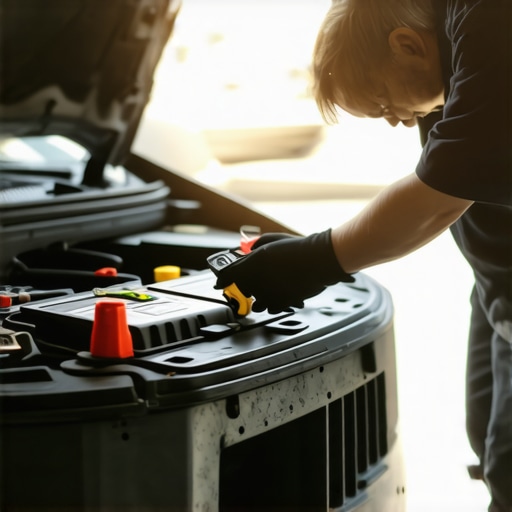
Ever been in a hurry, turned the key, and heard that dreaded silence instead of the engine roaring to life? I remember the first time it happened to me—heart pounding, I was convinced the worst had happened. After a quick panic, I realized it might just be the battery, but was it drained or truly dead? That moment sparked a lot of questions about car batteries that I wish I had known answers for back then.
Why Your Car Battery’s Status Could Save Your Day—and Your Wallet
Understanding whether your battery is drained or dead is more than just a technical detail. It can mean the difference between a quick jump-start and a costly replacement. Early on, I made the mistake of assuming any kind of sluggish start was the battery’s death sentence. Turns out, many batteries are just drained from long periods of inactivity or extreme weather—simple issues that can often be fixed without a full replacement. Recognizing the signs early can save you time, money, and the inconvenience of being stranded.
Is Battery Testing Overhyped or Essential?
Some folks dismiss battery tests as unnecessary, thinking, “It’s probably just a dead cell, right?” That was my initial thought too. But I’ve learned that many problems can be diagnosed and possibly fixed with a proper test. Skipping this step might lead you to replace a perfectly good battery or overlook a more serious issue. Fun fact: batteries can lose up to 50% of their capacity without showing obvious signs, which is why regular checks are so vital. For thorough insights, check out this [comprehensive guide on auto repair troubleshooting](https://glassfixauto.com/troubleshooting-common-auto-repair-issues-before-visiting-the-shop).
So, if you’ve ever faced that nervous moment when your car refuses to start, you’re not alone. But knowing the difference between a drained and dead battery can prevent panic and help plan your next move. Ready to get into the nitty-gritty of diagnosing your battery’s health? Let’s dive into how you can tell if your car battery is just drained or truly dead—and what steps to take next.
Test Your Battery with a Multimeter
Start by turning off your vehicle, then set your multimeter to DC voltage. Connect the red probe to the positive terminal and the black to the negative. A healthy battery should read around 12.6 volts. If your reading is below 12.4 volts, your battery may be drained, similar to a phone with a low charge—ready for a recharge or recharge attempt.
Perform a Load Test for Accurate Diagnosis
If the voltage test indicates potential issues, perform a load test to simulate the engine’s demand. You can use a battery load tester or have it done at a local auto parts store. This test reveals if your battery can sustain a significant load without voltage dropping below 9.6 volts. I once borrowed a load tester from a friend and faced a messy situation when I accidentally left the clamps unscruped, leading to a minor spark, but the test helped me identify a failing battery early.
Check for Corrosion and Tightness
Examine the battery terminals for corrosion—white, ashy deposits that hinder conductivity. Clean them with a mix of baking soda and water, and use a wire brush for stubborn buildup. Ensure the terminals are tightly connected; loose connections cause starting issues, akin to loose wires in a circuit—costly and confusing.
Inspect for Parasitic Drains
Sometimes, a battery drains due to electrical components consuming power when the vehicle is off. Use a multimeter set to DC amperes to measure the current between the negative terminal and the disconnected cable. A normal reading is typically below 50 milliamps. Higher readings suggest parasitic drains, which might stem from faulty relays or overnight lights. I found a faulty trunk light that kept draining my battery, which I fixed by replacing the switch, restoring my battery’s health.
Evaluate the Alternator’s Role
If the battery tests fine, but the car still struggles to start or dies unexpectedly, your alternator could be the culprit. It’s like a water pump that keeps your engine supplied with energy. Test the voltage across the battery with the engine running; it should read approximately 13.8 to 14.4 volts. If not, the alternator may not be charging the battery properly. I once replaced a slipping alternator belt, which immediately restored my car’s reliability—proof that sometimes the fix is simple.
Replace or Recharge Based on Findings
If your tests reveal a weak or dead battery, consider recharging it with a jump start or a dedicated charger. If the battery is old or fails the load test, replacement is the best course of action. Remember, a failing battery is like a weak link in a chain; fixing it prevents breakdowns and costly repairs. Regularly testing your battery ensures you’re not caught unprepared, especially during harsh weather when batteries are under extra stress. For more maintenance tips, check out auto repair trends to stay ahead of potential issues.
When it comes to brake service and routine car tune-ups, many vehicle owners believe that a quick replacement of pads or fluid flushes is sufficient. But in my experience, there’s a hidden nuance that often gets overlooked—especially by DIY enthusiasts or those relying solely on quick-lube shops. This nuance can make the difference between truly safe, reliable stops and unpredictable brake behavior that could escalate into an accident.
Most people assume that once brake pads look fine and fluid appears clear, their braking system is in top shape. However, what’s often missed is the state of the hidden components, such as the brake calipers, master cylinder, and lines. These parts can develop corrosion or internal leaks that aren’t immediately visible, leading to uneven brake application or spongy pedals. Regular checks should include inspecting these components—something many neglect despite the critical safety implications.
Another common myth is that using cheap brake fluid or delaying fluid changes won’t matter. In fact, brake fluid degradation can cause internal corrosion and boiling during heavy braking, dramatically reducing braking efficiency. Skipping or delaying fluid changes, especially in vehicles that regularly haul loads or drive in mountainous areas, invites unnecessary risks.
Why Do Some Brake Repairs Fail Prematurely?
Let’s address one of the most insidious issues—installing cheap or incorrect parts. It might seem cost-effective at the moment, but subpar shoes, rotors, or pads often wear unevenly or generate noise earlier than expected. Additionally, improper bedding-in of new pads can leave behind residues that cause squeals or uneven wear. This is why trusting quality parts and proper installation techniques can save you from repetitive, costly repairs. For an in-depth guide on this subject, check out the myths about brake service.
Moreover, many overlook the importance of correctly diagnosing brake issues. A squealing noise can be caused by dust, rust, or glazing on pads, or by warped rotors—each requiring different approaches. Identifying the root cause rather than just replacing components ensures longer-lasting fixes.
Advanced Mechanics Anxiety: Are You Missing the Bigger Picture?
For the seasoned car enthusiast or experienced mechanic, the question often arises: How do system interactions impact brake performance? For example, a failing ABS control module or a misaligned master cylinder can subtly influence brake feel and safety, even if components look fine. These parts require specialized diagnostics, sometimes involving advanced testing equipment. Ignoring this interconnectedness can leave underlying issues unaddressed, risking sudden failures.
Research from Automotive Engineering Journal confirms that many brake failures trace back to overlooked system interactions rather than visible wear alone.
To avoid falling prey to these common pitfalls, consider comprehensive inspections that include inspecting calipers, lines, and electronic systems, not just pads and rotors. Staying proactive with scheduled vehicle maintenance ensures you’re not just fixing problems after they happen but preventing them altogether.
So, next time you’re due for brake service or a tune-up, remember—there’s often more beneath the surface than meets the eye. Recognizing these nuanced issues can dramatically improve safety and extend your vehicle’s lifespan. Have you ever fallen into this trap? Let me know in the comments.
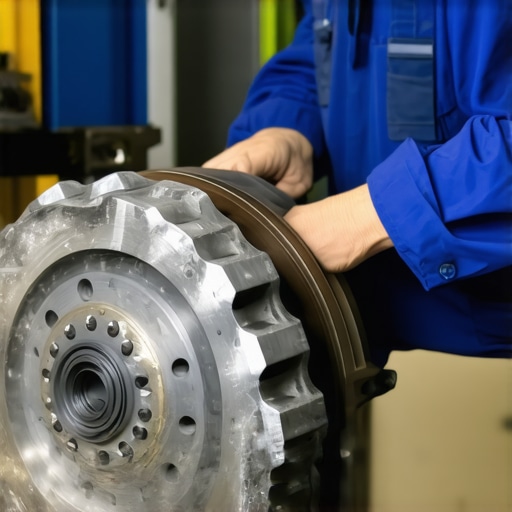
Keeping Vehicles in Top Shape with the Right Tools and Methods
Successfully maintaining your car over the long term hinges on having the right tools and adopting effective routines. I personally rely on a high-quality digital multimeter for accurate diagnostics, especially when checking battery health or testing the alternator’s output. Unlike generic testers, a professional-grade multimeter provides precise voltage, current, and resistance readings, which help me avoid unnecessary part replacements.
Another indispensable tool is a torque wrench. When servicing brakes or tightening essential engine components, applying the correct torque is critical to prevent damage or safety issues. I prefer a digital torque wrench with a preset memory for specific values; it ensures consistency across repairs and helps meet manufacturer specifications, which can be found detailed in auto repair guides like those at auto repair troubleshooting.
How do I maintain my tools over time?
Regular calibration of diagnostic tools like multimeters and torque wrenches guarantees continued accuracy. I set aside time every few months to check their calibration against standards or recalibrate using manufacturer-provided procedures. Proper storage is also vital: keeping tools in moisture-free environments and using protective cases prevents corrosion and wear. These simple practices extend my tools’ lifespan and maintain their reliability, ensuring my repairs remain safe and effective.
Looking ahead, I see a trend toward smarter, connected diagnostic devices that can sync with apps for real-time data analysis. This evolution will make proactive maintenance more accessible and precise, reducing the risk of unexpected breakdowns. For staying ahead, following automotive tech updates through resources like auto repair trends is essential.
Make Your Maintenance Routine Smarter
One practical tip I recommend is using an infrared thermal gun to spot uneven brake pad wear or overheating components during routine inspections. By scanning brake drums or rotors, you can detect hotspots that indicate issues before they escalate, aligning with findings from brake system diagnostics. Give this technique a try before your next tune-up—it’s an invaluable addition to your maintenance toolkit.
What I Wish I Knew When I Started
- I used to think a quick oil change was all my car needed, but overlooked small signs like uneven tire wear or subtle brake squeals—those were clues I missed that could have prevented major repairs later.
- Ignoring the detailed inspection of components beyond the visible—like calipers and lines—almost cost me my safety. Now, I know that a comprehensive approach saves money and keeps my vehicle reliable.
Tools and Resources I Trust for Long-Term Maintenance
- The [auto repair troubleshooting guide](https://glassfixauto.com/troubleshooting-common-auto-repair-issues-before-visiting-the-shop) has been invaluable for understanding the underlying causes of issues, helping me diagnose before visiting a mechanic.
- A high-quality digital multimeter from trusted brands like Fluke ensures accurate readings, preventing unnecessary part replacements based on faulty data.
- Regularly calibrating my torque wrench and storing tools properly prolongs their lifespan, ensuring safety and precision during every repair or tune-up.
- I follow industry trends on [auto repair trends for 2025](https://glassfixauto.com/auto-repair-trends-to-watch-in-2025-staying-ahead-of-the-curve) to stay ahead of evolving technology, which is crucial for diagnosing complex issues like electronic system glitches.
Keep Your Car’s Heart Beating Strong and Smooth
Taking charge of your vehicle’s maintenance isn’t just about fixing problems; it’s about understanding your car’s unique needs and learning to read its signals. The more you educate yourself about troubleshooting and proper tool use, the more confident you’ll become in maintaining your car’s health. Think of it as developing a partnership with your vehicle—every inspection and repair deepens that bond and ensures safe journeys ahead. What small step will you take today to understand your car better? Drop your thoughts below—I’d love to hear your experiences and tips.