
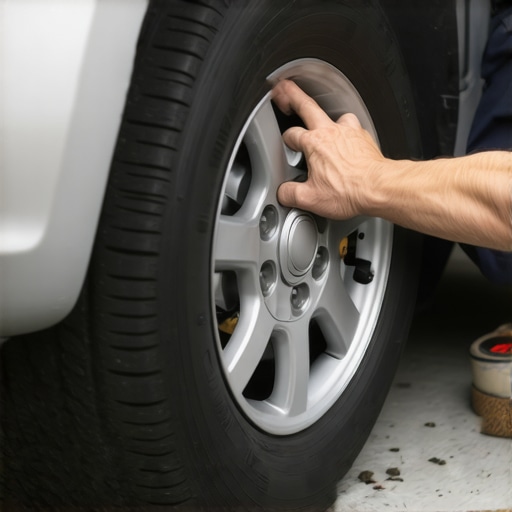
Ever been in that moment at the garage when you grab your trusty lug wrench, only to find it slipping off the stubborn nut? It’s that sinking feeling of trying to loosen a lug nut that just won’t budge, risking stripping or breaking your tools. I’ve been there—my first time turning a simple brake job into a mini nightmare because I didn’t know the trick to handle those stubborn nuts without causing damage. That lightbulb moment hit me when I nearly snapped my favorite wrench trying to force a rusted lock loose. Since then, I’ve learned a few tips that save time, money, and frustration every time similar issues pop up.
Why You Need a Smarter Approach for Removing Stuck Lug Nuts
Whether you’re replacing tires, doing regular maintenance, or troubleshooting a driveway emergency, having a method to free stubborn lug nuts safely is essential. Not only does forcing tools risk stripping the nut or damaging the wheel studs, but it can also lead to costly repairs or even personal injury. The truth is, rust, dirt, and corrosion can make lug nuts almost welded onto the hub, tempting anyone to brute-force them. But applying excessive force often worsens the problem, turning what could be a simple task into a permanent damage. Interestingly, studies show that over-tightening lug nuts or neglecting proper removal techniques can accelerate corrosion, making future removals even more challenging (source: auto repair tips).
So, I’ll share what I’ve discovered through hands-on experience—ways to loosen those stuck lug nuts without breaking your tools or risking damage. If you’ve faced this problem, you’ll know how frustrating it can be, especially when you’re in a hurry or dealing with old, rusted parts. The good news is, with a handful of simple tricks, you can make this ordeal much easier and safer.
Skeptical? Think a breaker bar and penetrating oil are all you need?
Trust me, I used to believe brute force was the best approach, but early on, I made the mistake of relying solely on heavy tools without understanding the actual mechanics. That mistake nearly cost me a new wheel stud. Now, I combine patience with targeted techniques that protect my tools and parts, making the process smooth and reliable.
Ready to learn the most effective methods? Let’s dive into the practical steps that will become your new best friends during stubborn lug nut removal.
.
Apply Penetrating Oil for a Fresh Breakthrough
Start by generously spraying the stubborn lug nut with a penetrating oil like WD-40. Think of it as giving the rusted nut a breath of fresh air, loosening the bonds that have formed over time. I once faced a frozen wheel nut on my old truck; after applying the oil and waiting 10 minutes, I was able to loosen it with a breaker bar without excessive force, preventing any damage to the studs. Remember to let the oil soak in at least five minutes before attempting to turn the nut.
Use the Right Tools with Proper Technique
Equip yourself with a quality breaker bar and a socket that fits snugly onto the nut. Never use a wrench or pliers—they can round off the edges. When attaching the breaker bar, position it so that you push steadily against the nut, not jerk or twist excessively. Visualize it as levering open a stubborn jar lid—steady, firm pressure does the trick. In my experience, applying force slowly reduces the risk of stripping the nut and preserves your tools.
Heat Application Can Free a Stubborn Nut
If the penetrating oil alone doesn’t do the job, carefully applying heat with a propane torch can expand the metal and break the rust’s grip. Be cautious: aim the flame at the nut’s circumference, avoiding the brake rotor or tire. After a few seconds, try loosening the nut again with your breaker bar. I once used this trick on a rusted lug nut that refused to turn after 15 minutes of soaking; the heat gave me just enough expansion to loosen it without breaking anything.
Tap the Tool for Better Engagement
Gently tapping the handle of your breaker bar with a hammer can help shock the rust, making it easier to turn. Think of it as a gentle reminder for the rust to give way. Tapping shouldn’t be aggressive—just enough to jolt the stubborn particles loose. This technique helped me crack a rusted nut that was giving me fits after a day of trying different methods. Remember, always tap in a controlled manner to avoid damaging your tools or the nut.
Leverage Leverage Leverage
When all else fails, increase your leverage by extending the handle with a pipe or a piece of metal pipe—often called a cheater bar. Imagine turning a stubborn bolt as opening a tight jar; lengthening your tool gives you more torque. Just be cautious not to exceed the tool’s capacity to prevent snapping or slipping. I once slid a sturdy pipe over my breaker bar, which allowed me to crack a particularly rusted lug nut on a vintage car without applying excessive physical effort.
Double-Check Before You Force
Always verify the direction of the nut’s rotation—most are left-hand threaded, especially in older vehicles. An incorrect directional force can cause damage or make the problem worse. Firmly turn the nut counter-clockwise to loosen, but if it resists, reconsider your approach rather than forcing against it blindly. I’ve made the mistake of applying force in the wrong direction, which worsened the situation. Familiarize yourself with your vehicle’s specifications or consult resources like the auto repair troubleshooting guide.
Patience Is Your Best Ally
Sometimes, persistence beats brute force. Reapplying penetrating oil, waiting patiently, and gently tapping can turn a defeated attempt into success. I’ve found that bringing a calm, steady approach to stubborn nuts saves tools and time—it’s like solving a puzzle carefully, rather than forcing all the pieces together. Remember, rushing often leads to accidents like broken studs or damaged wheels.
Many vehicle owners believe they can simply follow routine procedures without understanding the nuances that can make or break their car’s longevity and safety. A common misconception is that a standard tune-up involves just replacing spark plugs and changing oil. In reality, the modern engine’s complexity demands a more comprehensive approach, including checking the fuel injectors, sensors, and electronic systems. Neglecting these can lead to decreased fuel efficiency and unexpected breakdowns. But why do so many miss these subtleties? One reason is that widespread advice often oversimplifies maintenance, focusing on easy fixes rather than the intricacies that experts know about. For example, many assume that brakes are just about replacing pads, but as outlined in this detailed guide, the entire system—including rotors, calipers, and fluid—must be inspected for optimal performance. Missing these steps can cause premature wear or safety hazards.
Why does bending the rules sometimes backfire in auto repair?
Applying shortcuts or ignoring manufacturer recommendations might save time initially but can lead to costly damage later. As experts highlight in this comprehensive guide, adhering to proper procedures ensures vehicles operate efficiently and safely. For instance, skipping the precise torque specifications during bolt tightening can cause parts to loosen over time or fracture under stress.
Another trap is relying solely on visual inspections while ignoring diagnostics. Modern cars are equipped with sensors and computer systems that monitor engine health. Running a quick look at the engine bay without scanning for error codes may miss underlying issues, leading to breakdowns that could have been prevented. This approach is addressed in this article that emphasizes the importance of diagnostics as part of a complete tune-up.
Are there advanced mistakes that even seasoned mechanics sometimes overlook?
Yes, especially with emerging technologies like direct injection engines or hybrid systems. One common oversight involves neglecting the cleaning of specific sensors like the Mass Air Flow sensor, which can subtly diminish fuel economy and performance. As highlighted in this guide, proper maintenance of these components requires specialized knowledge. Failing to do so can silently impair your vehicle’s efficiency over time.
In conclusion, understanding these hidden nuances and avoiding common traps can significantly extend your car’s life and safety. Remember, routine maintenance is only part of the equation; awareness of the advanced aspects makes all the difference. If you’re unsure about your current maintenance routine, consider consulting professionals or visiting experts in your area for tailored advice. Have you ever fallen into this trap? Let me know in the comments and share your experiences!
What Makes a Powerhouse Garage Setup?
Over the years, I’ve honed my toolbox to include only the essentials that truly make a difference when it comes to maintenance and repair. Instead of cluttering my workspace with every shiny new tool, I focus on a handful of dependable, high-quality items. For instance, I swear by my Vise-Grip locking pliers, which come in handy for holding rusty parts or extracting stubborn bolts without slipping, saving me from damaging delicate components. Investing in a precision laser torque wrench ensures that I tighten bolts to manufacturer specifications, preventing over-tightening that can warp parts or under-tightening that results in loose components—both leading to long-term issues.
Why I Trust Specific Software for Maintenance Tracking
Manual logs can quickly become a mess, especially when juggling multiple vehicles or complex repairs. That’s why I rely on auto maintenance software like Car Minder. It reminds me of scheduled tune-ups, tracks part replacements, and even manages service histories. Having this digital record helps me identify patterns—like early brake wear that might signal alignment issues—so I can address problems before they become costly.
Tools That Save Time and Prevent Damage
Using the right tools isn’t just about efficiency; it’s about protecting your vehicle in the long run. For example, magnetic pickups are invaluable when a small bolt falls into tight spaces—no more fishing for misplaced hardware in the engine bay. Additionally, a repair mirror lets me see around corners or inside tight compartments without disassembling panels unnecessarily. These tools have saved me hours of work and kept my repairs pristine.
Keeping Equipment in Top Shape
Regular maintenance of your tools is just as crucial as working on the car itself. Drip some oil into ratchets and hinges periodically, and replace worn-out sockets to prevent slipping or rounding off fasteners. For power tools, I follow manufacturer instructions and keep batteries charged and stored properly. This proactive approach ensures your tools perform reliably during critical repairs and tune-ups.
Looking Ahead: Will DIY Car Maintenance Become Smarter?
Automation and smart diagnostic tools are rapidly evolving. In the near future, expect more affordable devices that connect to your smartphone, providing real-time engine diagnostics and maintenance alerts. This trend will empower vehicle owners to catch issues early and perhaps even perform complex repairs with guided assistance from augmented reality apps. Embracing these innovations now can give you a head start in maintaining your vehicle efficiently and affordably.
How Do I Keep Up with Long-Term Maintenance?
Developing a consistent maintenance routine is key. Schedule regular inspections—think of it as a health check for your car—to spot wear and tear before they escalate. Utilize reliable tools and software to record service history, and always adhere to the manufacturer’s recommended service intervals. For more detailed guidance on comprehensive vehicle care, I recommend reviewing this car service checklist. Also, trying out advanced diagnostic tools, like the latest OBD-II scanners, can reveal hidden issues, saving you both time and money. Remember, maintaining your vehicle isn’t a one-time effort—it’s a continuous process that pays off in performance and safety over the years.
Throughout my years of working on cars, I’ve realized that the real skill isn’t just in the repair itself, but in understanding the subtle nuances that prevent damage and ensure longevity. That lightbulb moment when I discovered the importance of patience and proper technique over brute force has transformed how I approach stubborn lug nuts and beyond. It’s a reminder that every repair, no matter how small, is a reflection of deeper knowledge and respect for your vehicle’s engineering.
Missed Lessons That Cost Me Dearly and What I Wish I Knew
- Not all rust is created equal: Some rust requires patience and a combination of techniques; rushing in with excessive force often destroys studs or threads temporarily. I learned this the hard way when a snapped bolt set me back hours. Slow, deliberate efforts save money and frustration.
- The true value of penetrating oil: Applying it generously and waiting patiently unlocks stubborn nuts more reliably than hammering or heating, which can damage nearby components. Trust me, patience with penetrating oil has been my most cost-effective tip.
- Leverage isn’t always your friend: Using extension pipes or cheater bars boosts torque, but overdoing it risks snapping tools or fasteners. Finding that sweet spot is a personal art I’ve developed over countless projects.
- Heat can be your secret weapon: Carefully applied heat expands metal and loosens rust bonds—just remember safety first! I’ve successfully used a propane torch to crack a seemingly immovable nut, avoiding destructive methods.
- Patience outperforms brute force every time: Repeatedly reapplying oil, tapping gently, and waiting can turn a stubborn nut into freed fastener. It’s a disciplined approach that protects your tools and your vehicle’s integrity.
Tools and Knowledge I Rely on for Big and Small Repairs
- High-quality breaker bars and socket sets: Durability and precision matter. I prefer tools that fit snugly and withstand leverage without slipping or rounding off fasteners.
- Auto maintenance software: Keeping track of your service history with platforms like auto maintenance apps saves time and prevents oversight, especially when managing multiple vehicles.
- Diagnostic tools: Modern vehicle technologies can hide issues like rusted nuts or corrosion; a good scanner helps preempt problems before they escalate.
- Personal experience and forums: Learning from fellow enthusiasts or trusted guides like auto repair trends keeps me ahead of DIY pitfalls.
Take Action and Keep Your Vehicle in Living Color
Remember, mastery in auto repairs isn’t just about fixing one stubborn lug nut—it’s about cultivating a mindset: patience, knowledge, and respect for your vehicle. Each successful repair deepens your skills and confidence. So why not start today? Whether it’s loosening rusted lug nuts or performing a full tune-up, you’re shaping a safer, more reliable driving experience. Dive into resources like this comprehensive maintenance guide to keep your car running smoothly, or contact nearby experts to support your journey. Your vehicle deserves the best, and so do you.]