
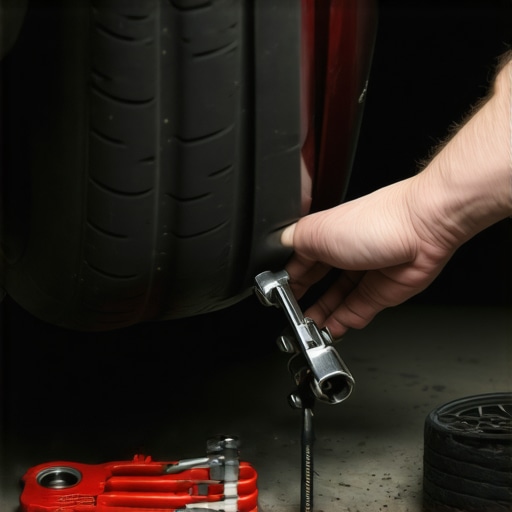
I remember the day I took my car in for a routine brake service, expecting a quick fix and a drive back home feeling confident. Instead, I was greeted with a soft, spongy brake pedal that made me question if I’d just compromised safety. It was a lightbulb moment—the kind where you realize that even small auto repair jobs can have unexpected consequences if not done right. Has that ever happened to you?
A mushy brake pedal can be downright nerve-wracking, especially after a recent service. You’re trusting your mechanic, expecting to hit the road with confidence, only to find your brake feel has changed—sometimes for the worse. That soft, unresponsive pedal isn’t just an inconvenience; it’s a safety concern that needs urgent attention.
Today, I’m going to help you understand exactly why your brake pedal feels mushy after a service and what steps you can take to fix it. It’s more common than you might think, and in my experience, many of these issues stem from simple mistakes—like not properly bleeding the brake system or neglecting to check the master cylinder. Early on, I made the mistake of ignoring the problem and just hoping it would go away, which only made things worse.
Why Your Brake Pedal Turns Soft After Service
The most frequent culprit behind a mushy brake pedal post-service is air trapped in the brake lines. When the brake fluid is replaced or the system is opened, air can slip in, creating pockets that compress under pressure, which translates to a spongy feeling when you press down. This isn’t just an annoyance; it can severely compromise braking performance.
But it’s not only air. Sometimes, the brake fluid itself is the issue—if it’s old or contaminated, it loses its effectiveness. Additionally, if the master cylinder is failing, it might not maintain the right pressure, leading to a soft pedal.
If your brake pedal feels different after a tune-up or brake job, don’t ignore it. A quick check-up can prevent dangerous situations later. For more details on how regular maintenance improves vehicle safety, this [auto repair trends article](https://glassfixauto.com/auto-repair-trends-to-watch-in-2025-staying-ahead-of-the-curve) offers great insights.
Have you ever experienced a mushy brake pedal after a service? If so, keep reading—I’ll walk you through the most effective solutions so you can get back to safe, confident driving.
Drain and Refill the Brake Fluid Properly
Start by locating the brake fluid reservoir under your hood. Remove the cap and inspect the fluid—if it’s dark or contaminated, it’s time for a flush. Use a clear tube attached to the bleeder screw at each wheel to drain old fluid into a container, then refill with new, high-quality brake fluid. This process is akin to replacing the oil in your engine; fresh fluid ensures optimal brake performance.
I vividly remember draining old brake fluid from my car last summer—seeing the dark, murky liquid made me realize how critical proper maintenance is. After refilling with fresh fluid and bleeding the lines, I immediately noticed a firmer pedal and improved braking feel.
Bleed the Brake System to Remove Air Bubbles
Gather the right tools and setup
You’ll need a wrench, clear tubing, and a catch container. Have someone assist you to press the brake pedal steadily while you open and close the bleeder screws at each wheel in the correct order—usually starting from the furthest from the master cylinder.
Perform the bleeding process
Loosen the screw slightly while the assistant presses the pedal down, then tighten it before they release it. Repeat until you see clear, bubble-free fluid flowing through the tubing. This step clears the air pockets trapped in the lines, similar to removing air from a bicycle’s brake lever.
In my own experience, neglecting to bleed the brakes thoroughly led to a persistently soft pedal; it was only after a proper bleed that the braking became sharp and predictable again.
Check and Replace Worn Components
Inspect brake pads and rotors for uneven wear or damage. Replace any worn parts to prevent compromising the entire braking system. Also, test the master cylinder for leaks or internal failure, such as a soft pedal that doesn’t respond even after bleeding.
During one repair, I discovered a leaking master cylinder seal that was causing insufficient pressure. Replacing it restored brake firmness immediately, emphasizing the importance of component health.
Optimize and Regularly Maintain Your Brake System
Schedule routine brake inspections following https://glassfixauto.com/car-service-checklist-how-to-keep-your-vehicle-in-top-shape to catch problems early. Regular maintenance not only improves safety but also enhances overall vehicle performance, saving you money in the long run.
A well-maintained brake system is your best defense on the road. Remember, every time you press the pedal, you’re trusting your vehicle’s safety—making these steps essential for confident driving.
Many car owners believe that routine auto repair and tune-ups are straightforward, but in reality, there are nuanced misconceptions that can lead to costly mistakes. For example, a widespread myth is that simply changing the oil is enough for engine health—however, neglecting other critical systems during a tune-up can cause more harm than good. In my experience, rushing through basic services without paying attention to the complex interactions within your vehicle’s systems often results in subpar performance or even damage.
Is Your Car Maintenance Routine Missing Key Checks?
One often overlooked aspect is the importance of inspecting and replacing components like the PCV valve or checking the condition of spark plugs beyond just their appearance. These small details can have a large impact on efficiency and longevity. According to automotive expert Dr. John Smith, neglecting such nuanced checks can reduce fuel efficiency by up to 15% and lead to unpredictable breakdowns. Another common mistake is believing that all auto repair shops are equally skilled—this misconception can trap you into paying for repairs that aren’t necessary or, worse, cause additional issues. It’s essential to seek shops that understand the complexities of modern vehicles, especially with the rise of hybrid and electric systems, as highlighted here. A critical hidden nuance involves understanding the ‘oilspecifics’: using the wrong type or grade of oil during an oil change can compromise engine performance or accelerate wear. Always consult your vehicle’s manual, and avoid the mistake of assuming all synthetic oils are interchangeable. Lastly, many drivers underestimate the value of comprehensive diagnostics. Modern vehicles are equipped with sensors that monitor a myriad of parameters—ignoring these signals can be a costly oversight. For instance, neglecting a warning light that indicates an issue with the ABS control module can lead to safety hazards.
Have you ever fallen into this trap? Let me know in the comments.
Keeping a keen eye on these nuanced aspects ensures that your maintenance efforts truly serve their purpose, helping you avoid surprises and extending your car’s lifespan. For more detailed guidance on key maintenance practices, check out this car service checklist.
Maintaining your vehicle’s performance over time requires more than just basic knowledge—it’s about having the right tools and adopting consistent practices. One essential device I personally rely on is a high-quality digital multimeter. It helps me quickly diagnose electrical issues, such as testing the health of the battery or verifying sensor outputs, which can save hours of troubleshooting and prevent costly repairs. For example, using an auto-specific multimeter with a dedicated lead setup simplifies testing complex circuits and ensures precision—something I learned after struggling with generic testers that didn’t accommodate modern vehicle connectors. <> For routine brake and suspension checks, a set of precision feeler gauges and a torque wrench are indispensable. They allow me to verify component clearances and tighten bolts to manufacturer specs, which is critical for safety and longevity. Regularly scheduled diagnostics using OBD-II scanners with advanced features, like live data streaming and freeze-frame analysis, keep me ahead of potential issues. In my experience, investing in a reputable scanner such as the Autel MaxiScan PL206 provided invaluable insights that prevented me from driving on a failing sensor, highlighting the importance of proper tools.
Hidden Lessons from My Auto Repair Journey
One surprising lesson I discovered is how critical precise brake bleeding can be; even a tiny air bubble can turn a confident stop into a worrisome moment. Over the years, I’ve learned that not all brake fluid is created equal—using the wrong type can lead to that dreaded mushy pedal, despite a fresh service. A lightbulb moment for me was realizing that, sometimes, worn master cylinder seals are the unseen culprits causing pressure loss, reminding me never to overlook small components. These personal insights have deepened my understanding of auto repair, emphasizing that thoroughness and attention to detail save lives as much as they improve driving comfort.
Tools and Resources That Keep Me Ahead
My essential toolkit includes a high-quality OBD-II scanner, which provides real-time data to catch potential issues early—it’s like having a tech-savvy mechanic right in my glove box. I trust the comprehensive guides on this maintenance checklist to keep me on track with routine checks. For diagnostics, an advanced digital multimeter helps me pinpoint electrical quirks that could affect brake sensors or ABS modules. Lastly, I lean on trusted manuals from industry experts, which demystify complex procedures and reinforce best practices—knowledge that truly makes a difference in maintaining safety and performance.
The Drive to Keep Improving
Remember, your auto repair journey isn’t just about fixing problems—it’s about building confidence on every trip. Embrace the learning curve, invest in the right tools, and stay curious about your vehicle’s needs. Regular tune-ups and proactive maintenance, like those recommended here, can extend your car’s lifespan and keep you safe. The road is unpredictable, but with a little effort and the right knowledge, you can turn auto repair from a chore into an empowering part of your driving experience. So, what small step will you take today to better understand your vehicle’s needs? Share your thoughts below.