
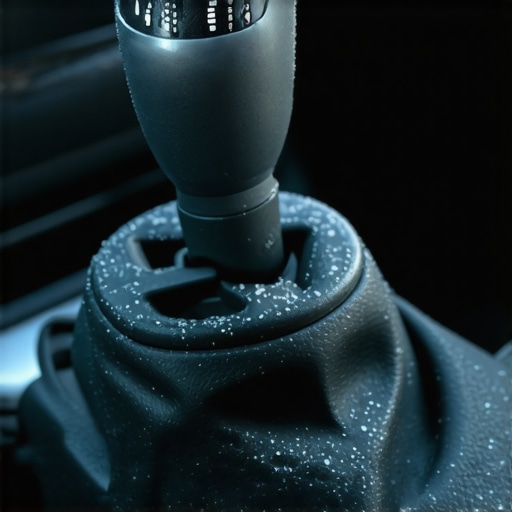
Ever jiggled your gear shift for what felt like five minutes, only to realize it was stuck? I remember my frustration during last year’s winter blast when my car’s gear shift refused to budge. It was freezing outside, and I was late for an appointment. That uncomfortable moment made me dig into why this happens—and more importantly, how to fix it. If you’ve experienced similar troubles, you’re not alone. Cold weather impacts more than just your skin; it can freeze your car’s internal mechanisms too. Today, I’ll share my personal insights and proven solutions to get that stubborn gear shift moving again.
Understanding Why Cold Weather Causes a Stuck Gear Shift
Is Your Gear Shift Overhyped or Truly a Winter Woe?
Many folks dismiss this issue as mere inconvenience, but the reality is that low temperatures can cause real problems within your vehicle’s transmission system. Specifically, the lubricants and hydraulic fluids necessary for smooth gear shifting tend to thicken in cold weather. This increased viscosity makes it harder for components to move freely, leading to a stuck or stiff gear shift. Early on, I made the mistake of assuming it was a minor misalignment—only to realize that neglecting this ice-cold culprit was worsening the problem. Proper maintenance, like regular tune-ups, can prevent such issues. For a comprehensive guide, you might find it helpful to check out our article on how to maximize your car’s lifespan with expert tune-up strategies.
If you want to get ahead of winter-related auto issues, scheduling a tune-up before the cold hits can save you a lot of hassle. Also, ensure your transmission fluid is at the correct level and is the right type for winter conditions, which can be checked during routine inspections. Interested in how to diagnose potential problems early? Troubleshooting common auto repair issues before they escalate is your best bet.
Now that we understand why your gear shift can freeze up during cold weather, let’s move to practical solutions that worked for me and can work for you too. Whether it’s a quick fix or more detailed maintenance, I’ll walk you through the step-by-step process so you’re never caught off guard again.
Apply Gentle Force to the Gear Shift
Start by firmly but gently attempting to move the gear shifter back and forth. I recall a winter morning when my gear stuck, and forcing it could have caused damage. Instead, I pressed down slightly and rocked it—this helped break any ice that was causing resistance. Think of it like thawing frozen ice around a door handle—gentle effort is key. If initial attempts fail, proceed to the next step.
Use Automotive De-icing Spray or Warm Water
Spray a dedicated automotive de-icer around the gear shift area, focusing on the base where ice may have accumulated. Alternatively, you can carefully pour warm water over the console if you’re cautious —not hot water, as it can damage interior components. During a particularly cold day, I carried a small de-icer spray that saved me from leaving my car stranded. Ensuring the shift area is free of ice can restore movement. Remember, avoid aggressive force if the ice isn’t melting; forcing it can damage internal parts.
Consider Applying Heat Carefully
If the problem persists, apply gentle heat around the gear shift housing with a hairdryer set on low. Keep the dryer moving and maintain a safe distance of about 6 inches to prevent damage. I once used this method on a frosty morning, and it loosened the mechanism without any harm. Heat helps melt residual ice and thickened lubricants, restoring smooth movement. Don’t overdo it; excessive heat can damage plastic components.
Lubricate the Mechanism After Defrosting
Once the gear shift moves freely, apply a light lubricant designed for automotive use, such as silicone spray, to the linkage and surrounding parts. This prevents future sticking, especially during cold days. Think of this as giving your car’s internal parts a shot of moisturizer, reducing friction. I learned the hard way—skipping lubrication meant I faced the problem again within days. Regularly lubricating can prolong the life of your transmission components.
Check Transmission Fluid Levels and Type
Cold weather thickens transmission fluids, impacting gear operation. Park your vehicle on a level surface and consult your owner’s manual to ensure the fluid level is correct. If the fluid is dirty or of the wrong type, consider a fluid change. For guidance, the tune-up process includes inspecting and replacing transmission fluid, which can resolve shifting issues caused by cold viscosity. During my last winter fix, replacing the old fluid with a winter-grade type made a noticeable difference.
Perform Routine Maintenance to Prevent Future Problems
Regular maintenance, like checking the transmission fluid and lubricants, is vital. Schedule a professional auto repair to inspect your transmission system periodically. I now include this in my seasonal checklists to avoid surprises during winter. Preventative care ensures smoother gear shifting and reduces the likelihood of components freezing up again.
While many car owners believe that sticking to basic maintenance routines suffices, the reality is that there are crucial nuances that often get overlooked, leading to costly missteps. A common misconception is that all auto repair shops follow the same standards, but in my experience, many shops prioritize quick fixes over comprehensive diagnostics, which can overlook underlying issues. This oversight can cause minor problems to snowball into major repairs, especially with complex systems like brakes and transmissions. For instance, simply replacing brake pads without inspecting rotors and calipers might save money short-term, but it can cause uneven wear and premature failure. Advanced issues, such as early signs of brake fluid contamination, are often missed if your mechanic doesn’t use proper testing procedures. According to automotive expert John Melvin, failing to perform a full system assessment during a tune-up can leave tiny cracks or leaks unnoticed, resulting in catastrophic failures later.
Another myth worth debunking is the belief that higher-priced parts always equal better performance. In reality, many aftermarket parts are engineered to meet OEM specifications; choosing the right component based on your vehicle’s needs and conditions is more important than price alone. Meanwhile, some car owners fall into the trap of delaying essential services, thinking that minor noises or slight vibrations are insignificant—until they lead to complete system breakdowns. Routine checks of systems like the serpentine belt or coolant hoses can prevent unexpected breakdowns, saving time and money.
But what about the deeper technical pitfalls that even seasoned drivers might miss? For example, neglecting to monitor brake fluid color and level can hide early signs of internal corrosion or moisture contamination, which diminishes braking efficiency and increases safety risks. Regularly inspecting these small indicators can greatly improve your vehicle’s safety profile.
Let’s also address a frequently overlooked aspect: the importance of understanding your vehicle’s service history. Many owners don’t realize that not maintaining a detailed record can lead to redundant repairs or missed scheduled services, ultimately reducing vehicle lifespan. Keeping an organized log helps you and your mechanic identify patterns, especially in crucial systems like the transmission and brakes.
To dive deeper into how routine maintenance can extend your car’s life and prevent costly repairs, check out our comprehensive guide on [maximizing your car’s lifespan with expert tune-up strategies](https://glassfixauto.com/maximize-your-cars-lifespan-with-expert-tune-up-strategies). Remember, understanding these nuanced aspects empowers you to make better decisions and avoid common auto repair traps. Have you ever fallen into this trap? Let me know in the comments.Maintaining your vehicle’s performance over the long haul requires more than just basic checks; it demands the right tools and a disciplined approach. Personally, I’ve found that investing in a few specific diagnostic devices and understanding their applications has made a huge difference in preventing costly repairs. For example, a high-quality OBD-II scanner allows me to quickly identify engine codes and transmission issues before they turn into major problems, saving me time and money. I recommend choosing a scanner compatible with your vehicle make and capable of reading comprehensive vehicle data; a popular choice among professionals is the Autel MaxiScan MS300, known for its reliability and ease of use.
Alongside diagnostic tools, good-quality lubricants and maintenance products are crucial. I always keep a silicone-based dielectric grease—not only does it protect electrical connectors from moisture, but it also reduces corrosion, which is vital for maintaining reliable connections over years of driving. When it comes to scheduled maintenance like tune-ups, I follow a personalized checklist that includes inspecting spark plugs, belts, and fluid levels; this proactive approach aligns with advice from expert mechanics and automotive resources.
Embracing digital tools has transformed how I keep track of maintenance schedules. An app like Drivvo or Car Minder helps me log service dates, monitor costs, and set reminders for upcoming tune-ups or brake inspections. This organized approach ensures I don’t overlook seasonal checks or fluid replacements, which are essential for smooth operation.
Predictions for the future point towards even smarter maintenance solutions—vehicles equipped with predictive analytics that alert owners of potential issues before symptoms appear. As this technology advances, it’s expected that standalone diagnostic devices will evolve into integrated vehicle health monitoring systems, making auto care more intuitive and less guesswork-driven.
**How do I keep my car running smoothly over time?** Regularly utilizing a quality OBD-II scanner to monitor real-time engine health and adopting a disciplined maintenance routine are the pillars of my strategy. Remember, catching problems early can prevent minor issues from escalating into expensive repairs. For comprehensive guidance on routine upkeep, check out our article on [how regular tune-ups improve fuel efficiency and safety](https://glassfixauto.com/how-regular-tune-ups-improve-fuel-efficiency-and-safety).
Don’t wait until a warning light flashes—try syncing your diagnostic tools with your maintenance plans today and stay ahead of potential setbacks. For personalized advice or to schedule expert service, visit our [contact page](https://glassfixauto.com/contact-us). Your vehicle’s longevity depends on proactive, informed care—so equip yourself with the right tools and knowledge now.
Lessons I Didn’t Expect to Learn About Keeping My Car in Top Shape During Winter
- One surprising lesson was how overlooking simple fluid checks can lead to frozen gear shifts and costly repairs. Regularly inspecting transmission fluid and lubricants became a game-changer for me.
- I realized that sometimes gentle patience beats brute force—waiting for de-icer or warming methods to work prevents unnecessary damage and saves money in the long run.
- The importance of real tools—like a high-quality OBD-II scanner—became clear when I could spot potential issues early, avoiding nasty surprises during cold snaps.
Tools and Resources That Keep My Engine Running Smoothly in Winter
- The Autel MaxiScan MS300 has been invaluable for quick diagnostics, giving me peace of mind before heading out in freezing weather.
- Trusted maintenance guides, especially those shared by experts on trusted automotive websites, help me stay informed and proactive about my car’s needs.
- Regularly consulting professional tune-up resources ensures I maintain optimal fuel efficiency and safety, especially when temperatures drop.
Embrace the Chill and Keep Moving Forward
“Winter can be tough on your vehicle, but with the right knowledge, tools, and a proactive approach, you can keep your car reliable all season long. Don’t let the cold catch you off guard—get ahead of potential issues and enjoy the winter months with confidence.” Have you ever dealt with a stubborn gear shift during winter? Share your experiences below, and let’s learn together!