
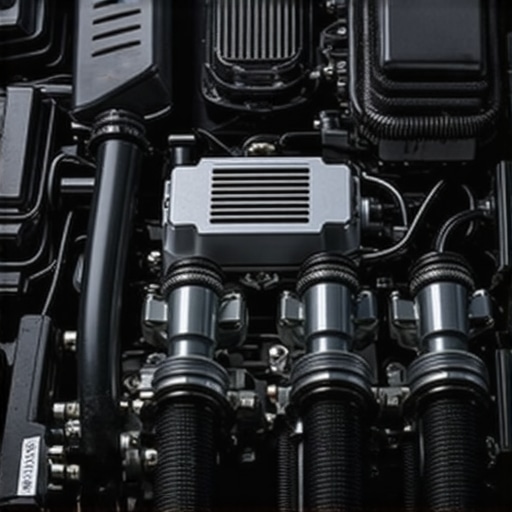
Ever had that sinking feeling when your car stalls unexpectedly at a red light, only to run smoothly again once you step on the gas? I remember the first time it happened to me. I was idling at a stop sign when suddenly, my engine sputtered and nearly died. Frustrating and a little scary. It felt like my car was playing a cruel joke, misfiring just when I needed it to be steady. That moment was a lightbulb that lit up my understanding: diagnosing misfires that only occur at idle is trickier than it sounds, but there’s hope.
Why Is Your Car Acting Up Only When Idling?
This peculiar problem isn’t uncommon, but it’s often misunderstood. Misfires can be caused by a bunch of things—spark plugs, fuel injectors, vacuum leaks, or even the idle control system itself. The tricky part? These issues tend to hide when the engine is under load or when driving at higher speeds. Only at idle does the engine reveal its secret weaknesses. Understanding why requires a bit of detective work, and a good dose of patience.
Early on in my repair journey, I made the mistake of assuming it was a simple spark plug issue and replaced them without much thought. Turns out, that was a waste of time because the real culprit was a dirty idle air control valve. That mistake taught me a vital lesson: diagnosing a misfire that shows up only at idle demands a structured approach. According to industry experts, such misfires can lead to decreased fuel efficiency and increased emissions, impacting your wallet and the environment (see [GlassFixAuto](https://glassfixauto.com/troubleshooting-common-auto-repair-issues-before-visiting-the-shop)).
If this sounds familiar, you’re not alone. Many drivers face the same frustrating scenario, wondering whether it’s time for a repair or if they can fix it themselves. Well, don’t worry. The good news is that with a systematic approach, you can pinpoint and fix the root cause before it causes more damage. That’s exactly what we’ll cover next—step by step, the way I learned it, so you won’t waste time or money. Ready to dive in? Let’s get to the bottom of this mysterious idle misfire.
Start with a Visual Inspection to Identify Clear Issues
Begin by opening your hood and checking for obvious problems like loose wires, cracked or disconnected vacuum hoses, or visible leaks. I remember the time I found a disconnected vacuum hose that was causing my engine to sputter at idle. Securing it instantly stabilized my engine’s performance. This step is like a quick scan for the obvious, saving you time down the line.
Test the Spark Plugs and Wires for Consistency
Remove each spark plug and examine them for wear, fouling, or damage. Check the firing order and ensure wires are tightly connected. Think of spark plugs as the ignition team: if one isn’t firing correctly, the engine misfires. Using a spark tester can help verify that each plug fires properly. In my case, a worn spark plug was the culprit, and a quick replacement fixed the issue. If these look fine, move on to more intricate components.
Inspect and Clean the Idle Air Control Valve
This component regulates engine idle speed by controlling airflow. Over time, it can become clogged with carbon deposits, causing irregular idle and misfires. Remove it carefully (consult your vehicle’s service guide), then soak the valve in carburetor cleaner (more on troubleshooting here). After cleaning, reassemble and see if the problem persists. I once cleaned mine and noticed a smoother idle immediately. This step is akin to clearing a clogged pipe for a good flow.
Check Fuel Delivery and Filter Functionality
Ensure the fuel injectors are operating correctly. You can do this by listening for a clicking sound when the engine is running—a sign they’re working. The fuel filter should also be replaced if it’s clogged, which inhibits proper fuel flow. Remember, dirty fuel can cause hesitation and misfires. Replacing the fuel filter is a straightforward task that can significantly improve performance. Consider this your way of ensuring your engine’s fuel delivery is on point, much like ensuring your water pipes aren’t blocked.
Perform a Vacuum Leak Test
Vacuum leaks are sneaky culprits that upset the air-fuel mixture. To check, spray carburetor cleaner or brake cleaner around vacuum hose connections with the engine idling. If the RPMs increase when you spray, you’ve likely found your leak. Tighten or replace the faulty hoses. This process is like chasing a leak in a tire tube—finding where the air slips out so you can seal it.
Scan for Diagnostic Trouble Codes
If the previous steps don’t resolve the issue, use an OBD-II scanner to read any stored error codes. Codes related to misfire, oxygen sensors, or sensors like the MAF can guide your next move. I once borrowed a scanner from a friend, which pointed me straight to a failing sensor. It’s the GPS of auto diagnostics—casting a light on hidden problems.
Monitor and Fine-tune After Adjustments
After replacing or cleaning parts, start the engine and observe its behavior. Use a tachometer to check idle speed—should be within manufacturer specs. If it’s still rough, recheck connections or consider scheduling a professional tune-up (see why tune-ups matter). Sometimes, a full tune-up is the key to long-term reliability, much like servicing your bike before a big ride.
Many car owners operate under misconceptions when it comes to **brake service**, **car tune-ups**, and routine **auto repairs**. While popular beliefs often guide maintenance habits, they can sometimes lead you astray. Let’s dig deeper into the nuances that most people overlook.
One common myth is that **all brake pads and rotors are interchangeable**. In reality, the **material composition**—whether ceramic, semi-metallic, or organic—significantly affects braking performance and noise levels. For instance, **ceramic pads** tend to be quieter and produce less dust, but might be pricier and less effective under extreme conditions. Choosing the wrong type can compromise safety and longevity. Don’t fall into the trap of assuming one size fits all.
Another misconception involves **regular tune-ups** that are based solely on mileage intervals. Many believe that following a strict 30,000-mile schedule suffices, but experts emphasize that **driving habits**, local climate, and specific vehicle models** influence optimal maintenance timing. As outlined in [this comprehensive guide](https://glassfixauto.com/how-regular-tune-ups-improve-fuel-efficiency-and-safety), **preventive tune-ups** tailored to your driving style can vastly improve fuel efficiency and prevent costly repairs.
Now, here’s a crucial nuance: **auto repair shops often suggest replacing parts that are still functional**—a practice driven more by profit than necessity. For example, some mechanics may recommend a full brake rebuild when only the pads need replacement. Recognizing this can save you money. Always ask for **diagnostic verification** before agreeing to repairs. You can learn more about this common pitfall in [Brake Service Myths](https://glassfixauto.com/brake-service-myths-what-you-need-to-know-before-your-next-stop).
**Executing superficial fixes** without understanding the underlying issue is another novice mistake. For instance, replacing a faulty fuel injector without inspecting the **fuel system** may lead to recurring problems. Advanced methods, like **diagnostic scan tools** and **pressure tests**, are essential for accurate repairs. A tip from industry experts: **invest in learning the basics of diagnosing your vehicle**—it empowers you and helps avoid unnecessary repairs.
Finally, the world of **auto repair is evolving with new tech trends**. Many assume modern vehicles require specialized equipment, but many fundamental maintenance tasks still follow traditional principles. Staying informed through [auto-repair trends](https://glassfixauto.com/auto-repair-trends-to-watch-in-2025-staying-ahead-of-the-curve) can help you differentiate between necessary upgrades and unnecessary expenses.
Remember, understanding these hidden nuances can significantly impact your vehicle’s performance and lifespan. Have you ever fallen into this trap? Let me know in the comments! For more in-depth guidance, don’t hesitate to [reach out](https://glassfixauto.com/contact-us). Your smart maintenance starts with awareness.Maintaining your car’s health over the long term requires the right tools and a proactive approach. Personally, I swear by a quality digital code scanner like the Autel MaxiScan MS300, because it allows me to quickly identify trouble codes before they become costly repairs. This device connects easily via OBD-II port and provides real-time data, making diagnostics straightforward even for a semi-expert. For fluid checks and topping off, I rely on a precision digital torque wrench to ensure fasteners are tightened to manufacturer specs, preventing over-tightening that can cause damage. Regular use of a multimeter, especially one with a high-impedance mode like the Fluke 115, helps me monitor battery health and sensor signals accurately, which is critical when troubleshooting electrical issues.
In the future, I predict vehicle diagnostics will become increasingly integrated with smartphone apps, enabling smarter maintenance plans and proactive alerts for parts that need replacement before failure occurs.
How do I maintain my car’s performance over time?
Consistency is key. Develop a routine inspection schedule using a comprehensive car service checklist to stay ahead of wear and tear. This includes checking brake pads, fluid levels, belts, and hoses. Investing in quality tools ensures you can perform basic maintenance tasks yourself, saving time and money. For example, regularly inspecting and replacing your air filter not only improves engine efficiency but also prolongs component life. Moreover, monitoring your vehicle’s data via diagnostic tools helps catch issues early—think of it as a health check-up for your car.
If you’re serious about taking maintenance into your own hands, I recommend trying an advanced tip like performing a vacuum leak test using a spray bottle of carburetor cleaner around hoses and intake manifolds. When you find a leak, the engine rpm will jump slightly, confirming the issue. It’s simple but effective, and you can see immediate results in smoother idling and improved fuel economy. Learning such techniques empowers you to extend the lifespan of your vehicle and avoid unexpected breakdowns.
Stay ahead of potential problems by regularly updating your knowledge with trusted auto trends. For example, check out auto repair trends for 2025 to keep your approach modern and effective. Remember, good maintenance isn’t just about fixing problems when they arise—it’s about preventing them from occurring in the first place.
Lessons From the Road Less Traveled
One of the most eye-opening lessons I learned was that small, overlooked issues like a slightly loose vacuum hose can cause big problems during idle. It’s tempting to jump straight to replacing parts, but patience and careful inspection often reveal the root cause. Understanding that every component, from spark plugs to sensors, plays a role in idle stability saved me time and money.
Another insight is the importance of clean and well-maintained parts. A dirty idle air control valve isn’t just a nuisance—it can disguise serious engine misfires. Regular cleaning and inspections prevent minor deposits from escalating into costly repairs. Honestly, these small maintenance habits are the key to keeping my car running smoothly.
Perhaps most valuable was realizing that diagnostic tools are your best friends. A simple OBD-II scanner can uncover hidden trouble codes that aren’t obvious during a visual check. Integrating these tech tools into your maintenance routine demystifies the troubleshooting process, giving you confidence and control over your vehicle’s health.
From my experience, understanding the intricate dance of engine components transforms frustration into empowerment. My advice? Never underestimate the power of a systematic approach and continuous learning. It’s incredible how small tweaks can lead to big improvements in performance and efficiency. If you’re eager to explore further, I recommend checking out how regular tune-ups enhance your car’s lifespan.
Tools That Changed My Auto Repair Routine
A reliable digital multimeter like the Fluke 115 has been a game-changer, allowing me to measure voltage and resistance accurately. It’s invaluable when diagnosing electrical issues related to misfires. For fuel system checks, a quality spray bottle of carb cleaner helps locate vacuum leaks easily. Investing in these tools transformed my DIY skills from basic to competent.
Additionally, I trust the comprehensive car service checklist to stay organized and ensure nothing slips through the cracks. It’s a reminder that proactive maintenance, coupled with the right tools, is the best strategy for avoiding sudden breakdowns and costly repairs.
Your Next Step Could Be the Most Important
Taking charge of your car’s health is empowering. Don’t wait for a warning light or breakdown to prompt action—schedule regular checks and learn basic troubleshooting techniques. Remember, every mile you drive is an opportunity to improve your vehicle’s longevity and safety. As our vehicles become increasingly complex, staying informed and equipped is more important than ever.
What’s the smallest detail you’ve caught that prevented a major repair? I’d love to hear your story below. And if you’re ready to dive deeper into auto maintenance mastery, visit our contact page for personalized guidance. Keep nurturing your car care knowledge, and it will serve you well down the road!