
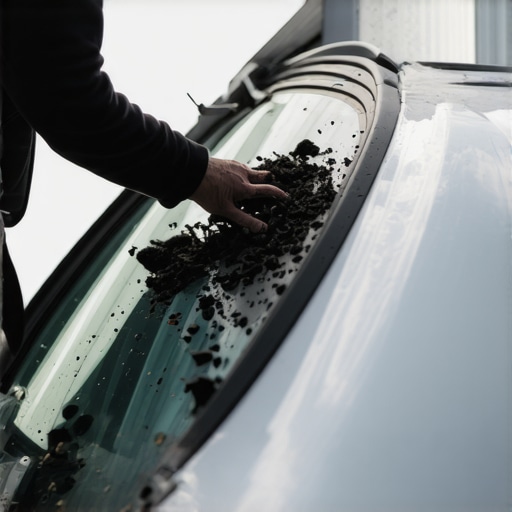
I’ll never forget the moment I discovered water pooling on my passenger seat after a rainy day. At first, I thought it was a spill. Turns out, a clogged sunroof drain was the culprit, trickling water into my car’s interior every time I hit a sunny patch or drove through a sudden downpour. It was a lightbulb moment for me—realizing the importance of maintaining those tiny drains that keep our cars dry.
Why Ignoring Your Sunroof Drains Can Turn Into a Nightmare
Car interiors are designed to be a sanctuary from the elements, but a small oversight like neglecting your sunroof drainage system can lead to big problems. Over time, debris, leaves, and dirt can clog these drains, causing water to back up and seep into places it shouldn’t. This doesn’t just cause water stains—it can foster mold, damage interior components, and even compromise your car’s waterproof seals. I learned this the hard way, rushing to replace interior panels and dealing with foul odors—costly fixes that could have been avoided with a simple check.
Skeptical About How Important This Is?
Trust me, I was there. I thought a little water here and there wasn’t a big deal. But neglecting to clear out those tiny drains was a mistake I won’t make again. Early on, I underestimated the buildup of debris and how quickly it could cause water to find its way inside. Doing some research, I found that regularly inspecting and cleaning your sunroof drains can save you from expensive repairs down the line. According to automotive experts, neglected drainage systems are a common cause of interior water damage—something I wish I had known sooner.
If you’re like me, you might be wondering just how to prevent this issue from creeping up on you again. Well, stick around. The upcoming steps will walk you through a straightforward process to keep those drains clear and your car interior dry. And hey, if you’ve ever found yourself battling against a soggy seat after a rainstorm, you’re in the right place. Let’s learn how to keep water where it belongs—outside your vehicle.
Locate the Sunroof Drains and Prepare Your Workspace
Start by opening your sunroof and identifying the drain holes, typically found at the corners of the sunroof frame. Use a clean microfiber cloth to wipe around these areas, removing dirt and debris that could have already contributed to clogging. Gather necessary tools: a flexible wire (like a weed-whacker line or a small zip tie), a spray bottle with water, and a flashlight for better visibility. My first attempt involved improvising with a straightened paperclip, which was too rigid—learning to select the right tool made the job smoother.
Test and Assess Drain Functionality
With everything in place, pour a small amount of water (about a cup) into the sunroof channels. Observe whether water drains freely through the downstream exit points. If the water pools instead, it indicates a clog. Use the flashlight to check for any visible obstructions within the drain tubes. My experience showed that water often backed up halfway, revealing exact blockage points—making targeted cleaning possible.
Clear the Clogs with Precision
Insert and Work the Wire Through the Drain Tubes
Carefully insert your flexible wire into the drain opening, twisting gently to break up debris. Do not push too hard to avoid damaging the tube. Move the wire back and forth for 15-20 seconds, then remove any loosened debris. This step is akin to untangling a knot—slow and deliberate motions prevent damage. I once fiddled too aggressively, which caused a slight tear; patience here is key.
Flush the System with Water
After the initial clearance, spray water into the drain opening using the spray bottle. Monitor the exit point for a steady flow. If water flows out efficiently, you’ve cleared the clog. If not, repeat the wire insertion. This flushing mimics flushing a siphon or pipe—ensuring water flows like normal. I found that multiple gentle flushes eliminated stubborn blockages that refused to budge initially.
Verify and Seal the System
Pour more water into the channels to confirm proper drainage. If all appears clear, wipe the area dry with your microfiber cloth. To prevent future clogging, consider applying some silicone sealant around the drain entrances if they seem loose or prone to debris entry. Regular inspections can be part of your car maintenance routine, similar to checking tire pressure. For comprehensive car care tips, see this car service checklist whenever you’re performing routine maintenance.
Final Tips to Keep Drains Clear
Schedule a biannual check of your sunroof drains, especially after seasons with heavy leaf litter or snowfall. Keeping drains clear avoids water buildup that can seep into the interior and cause damage—saving you costly repairs later. Remember, a well-maintained drainage system is like a healthy immune system—it keeps your vehicle protected from internal issues caused by water ingress. For additional insights on general auto maintenance, visit this tune-up guide.
Many car owners think they understand auto repair basics, but there’s a lot more beneath the surface that can trip you up. One widespread misconception is that all auto tune-ups are created equal; in reality, many overlook the importance of precise diagnostics—similarly, a routine brake service isn’t just about changing pads but understanding the root causes of wear patterns, which can reveal critical safety issues. Often, people believe that money-saving shortcuts, like neglecting regular maintenance or ignoring subtle warning signs, won’t lead to costly repairs later, but that couldn’t be further from the truth. Advances in automotive technology mean that modern vehicles require nuanced care—routine practices that were sufficient a decade ago might now be outdated. For example, beginner mechanics may assume that brake squeal always indicates worn pads, but it can also signal issues with the caliper, rotor, or even the brake fluid itself. Rushing into auto repairs without understanding these nuances can cause you to misdiagnose problems, leading to unnecessary expenses or safety risks.
**Why do so many auto repair myths persist?** Many of them stem from outdated information passed down over generations or marketing hype from service centers promising quick fixes. The truth is, comprehensive diagnostics are crucial, especially with today’s complex electronic systems. For instance, a car’s ECU (engine control unit) can hide underlying issues that simple visual inspections won’t catch, making advanced diagnostic tools invaluable. According to automotive engineer and author Mark Zimmermann, “Ignoring the intricacies of modern vehicle systems can lead to overlooked problems that escalate rapidly, costing more than proper diagnostics upfront.” Therefore, investing in a detailed tune-up or brake assessment can actually save you money in the long run.
**Avoid these common traps**: don’t assume that replacing parts individually will fix everything; instead, seek experts who perform thorough system evaluations. Also, be wary of service shops that push unnecessary repairs—question why certain parts are recommended, and ask for diagnostics that justify the work. Doing so ensures you’re not falling prey to hidden costs or overcharging.
**What about the advanced questions you might have?** Many car owners wonder about the significance of a vehicle’s age versus its mileage when scheduling major maintenance. Is a 5-year-old car with low mileage truly less prone to issues than an older vehicle with high miles? Actually, both age and usage matter; corrosion, rubber deterioration, and electronic component aging can all influence repair needs. Regular checks—like reviewing the recommended car service intervals—are essential for staying ahead of potential problems.
To learn more about how to optimize your car’s performance through proper maintenance, I recommend reviewing our comprehensive guide on [auto repair trends to watch in 2025](https://glassfixauto.com/auto-repair-trends-to-watch-in-2025-staying-ahead-of-the-curve) and visiting the [ultimate car service guide](https://glassfixauto.com/the-ultimate-car-service-guide-when-and-why-to-schedule-maintenance). Remember, understanding these nuances not only keeps you safe but also extends your vehicle’s lifespan. Have you ever fallen into this trap? Let me know in the comments.
Invest in Precise Diagnostic Equipment for Reliable Maintenance
One of the cornerstone tools I rely on is a high-quality OBD-II scanner. Unlike basic code readers, I prefer advanced models like the Autel MaxiCOM or the BlueDriver pro-grade scanners, which connect via Bluetooth to my smartphone. These devices provide real-time data and detailed diagnostics, enabling me to pinpoint issues like subtle misfires or sensor malfunctions that can gradually degrade performance. Regularly scanning my vehicle helps me catch problems early, saving money and preventing breakdowns. As automotive technology evolves, so does the importance of having a reliable diagnostic tool—especially with vehicles integrating complex electronic systems.
Utilize Software for Scheduled Maintenance and Tracking
Beyond hardware, I recommend leveraging software like automotive trend trackers or dedicated maintenance logs. Apps like Carfax or Drivewyze not only remind you of upcoming service milestones but also record your repair history. This long-term data helps identify recurring issues—whether it’s brake pad wear patterns or timing belt age—and plan preventive maintenance accordingly. Keeping detailed records means you’ll never miss a critical tune-up or brake service, which are vital for longevity, safety, and efficiency.
Master the Art of Fluid Analysis and Replacement
In my toolkit, I include a good digital refractometer for analyzing engine oil and coolant conditions. This device provides precise readings that tell me whether fluids are degraded or contaminated, guiding decisions on timely replacements. Routine oil analysis can reveal early signs of engine wear or coolant leaks before they become costly repairs. I also use a laser thermometer to check component surface temperatures during maintenance—helping me assess whether parts like brakes or sensors are operating within normal ranges. Employing analytical tools in routine service ensures your vehicle remains in peak condition over the years, rather than reacting to breakdowns caused by neglect.
Prepare for Long-Term Success with Proper Equipment Care
Tools require maintenance too. I regularly calibrate my diagnostic devices and inspect physical components like hoses, clamps, and sensors to ensure accuracy. Proper storage—using cases and desiccants—extends their lifespan and reliability. Consistent upkeep of your tools is as essential as maintaining your car; they’re your frontline defense against unexpected failures. As automation advances, investing in quality equipment becomes indispensable, making your repairs more efficient and trustworthy.
How do I maintain my auto repair tools over time?
My approach involves regular calibration, cleaning, and proper storage of all diagnostic and measurement devices. For example, I clean sensor ports and update firmware periodically, following manufacturer guidelines to prevent inaccuracies. Keeping your tools in top shape minimizes misdiagnoses and ensures precise, confident repairs—saving you money and frustration in the long run. If you’re ready to take your maintenance routine up a notch, try calibrating your scanner with manufacturer software—an advanced tip that can significantly improve diagnostic accuracy.
Looking ahead, automation and AI integration are likely to revolutionize auto repair diagnostics, making tools smarter and more intuitive. Staying informed about these trends by following updates from trusted sources will keep you ahead in maintenance practices. For more insights on how regular tune-ups and maintenance strategies extend your vehicle’s lifespan, visit this guide. Keep your tools sharp, your diagnostics precise, and your vehicle will thank you through years of reliable service.
Ensuring your sunroof drains are clear is one of those small maintenance tasks that can save you from major headaches down the road. I’ve learned firsthand how neglecting this can lead to interior water damage, mold, and costly repairs. Regularly inspecting and cleaning your drains isn’t just a chore—it’s a proactive move to keep your vehicle in top shape and your driving experience worry-free.
Lessons From the Road That Changed My Approach to Car Care
- Patience Pays Off: Rushing through drain cleaning can cause damage. Taking your time with gentle tools like a flexible wire or zip tie makes all the difference.
- Debris Is the Enemy: Leaves, dirt, and buildup are silent killers of your sunroof drainage. Regular checks prevent clogs before they start.
- Test Before You Seal: Pouring water and observing flow is a simple step that reveals more than a visual inspection ever could. It’s a game-changer in diagnosing issues early.
- Tools Matter: Investing in the right equipment—like a good flashlight and flexible cleaning tools—turns a tedious task into an easy routine.
- Knowledge Builds Confidence: Understanding how your drains work empowers you to handle issues confidently, saving money and stress.
Tools and Resources That Make Maintenance a Breeze
- Advanced Diagnostic Scanners: Devices like BlueDriver provide real-time data that help catch hidden water intrusion problems early. Trust me, a small investment in a good scanner saves you from bigger repairs later.
- Guides and Tutorials: The comprehensive articles on car maintenance checklists and tune-up tips have been invaluable in honing my skills.
- Specialized Cleaning Tools: Flexible wires, small brushes, and quality sealants help keep drains flowing smoothly and protect against future clogging.
- Keep Records: Using maintenance apps like Drivewyze is a game-changer for tracking drain inspections and other routine tasks, making the process organized and stress-free.
Take Action and Keep Your Car Water-Free
Stay vigilant with your sunroof drains and make inspection and cleaning a regular part of your car care routine. Remember, a little effort today prevents major repairs tomorrow. With the right tools, knowledge, and mindset, you can keep your vehicle dry, safe, and well-maintained for miles to come.
Ever faced a soggy seat after rain? What’s your go-to trick for maintaining your car’s drainage systems? Share your experiences below—I’d love to hear them!
**Note:** For more insights on auto maintenance routines, check out this comprehensive guide.