
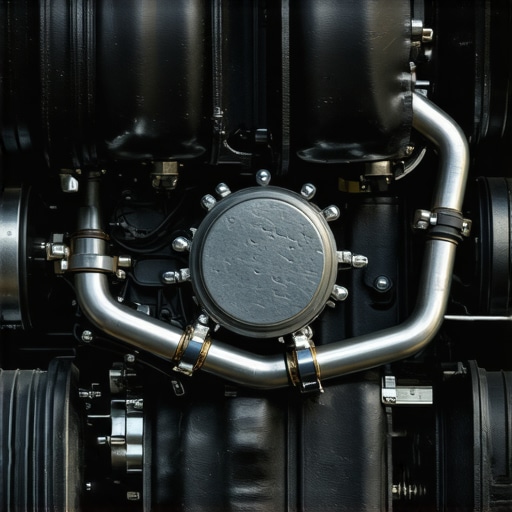
Ever been caught in a heavy rainstorm and suddenly noticed a foul smell wafting through your car’s vents? Or maybe you’re cruising down the highway, pushing your engine a bit harder, only to be greeted by an unmistakable rotten egg aroma. I remember the first time it happened to me—thinking I had somehow let nature’s landfill settle in my vehicle. Turns out, that stinky surprise is more common than you might think, and understanding its cause can save you from costly repairs.
Decoding the Stinky Mystery Behind Heavy Acceleration
The moment I detected that sulfurous smell after accelerating hard, I knew I had to dig deeper. It wasn’t just a bad odor—it was a warning sign of an underlying issue. Most often, this smell originates from a problem with the catalytic converter, a vital component in your exhaust system that reduces harmful emissions. When the converter is clogged or malfunctioning, it can produce a sulfur odor, especially under heavy load or acceleration.
But it’s not just about the converter. Other culprits include fuel system issues, sulfur-saturated fuels, or even a damaged oxygen sensor. Early on, I made the mistake of ignoring the smell, assuming it was just a minor inconvenience. That was a mistake. Over time, neglecting this symptom can lead to decreased fuel efficiency, increased emissions, or even engine damage. If you’re experiencing this yourself, don’t brush it off—consider it a red flag and get to the root of the problem promptly. For instance, regular tune-ups can help prevent such issues, and learning more about [how regular tune-ups improve fuel efficiency and safety](https://glassfixauto.com/how-regular-tune-ups-improve-fuel-efficiency-and-safety) can be eye-opening.
Is the Rotten Egg Smell Truly Worth the Worry?
I used to think that a foul smell was just an annoyance, not a sign of something serious. But I learned the hard way that ignoring it can lead to costly repairs. Early in my auto repair journey, I failed to diagnose the sulfur smell promptly, which almost resulted in replacing the entire catalytic converter. Trust me—knowing what to look for and acting quickly can save your wallet and your engine.
So, have you ever experienced that pungent odor after a tough drive or heavy acceleration? If so, you’re not alone. In the next sections, I’ll guide you through the practical steps to identify and resolve this issue, helping you keep your vehicle running smoothly and odor-free.
Start with a Visual Inspection of Your Exhaust System
Pull over safely and lift your vehicle or use a flashlight to examine the catalytic converter and muffler for signs of damage, rust, or ash buildup. I once spotted a cracked converter covered in soot, which was causing a sulfur smell. Replacing or repairing damaged parts immediately can prevent further damage.
Check for Exhaust Leaks and Blockages
Listen for hissing or popping sounds around the exhaust pipes. Use a soapy water solution to spray on joints—bubbles indicate leaks. I fixed a leak myself by tightening clamps, which immediately reduced the smell. Remember, small leaks can be fixed at home, but larger issues require professional attention.
Identify Clogged or Failing Catalytic Converters
Since a malfunctioning converter often produces sulfur odors, test its efficiency. A simple way is to observe black smoke during startup or high acceleration—excessive smoke indicates failure. In my case, a clogged converter necessitated replacement; the process involved disconnecting the old unit and installing a new one, substantially cleaning up the smell.
Inspect and Replace Related Sensors
The oxygen sensors monitor exhaust gases and help the engine adjust fuel mixtures. Faulty sensors can lead to incomplete combustion, increasing sulfur smells. I diagnosed a bad oxygen sensor using a multimeter and replaced it, which improved emissions and odor control—this is a relatively straightforward repair that can be done with basic tools.
Evaluate Fuel Quality and Usage
Sulfur compounds can originate from contaminated or low-quality fuel. Consider adding fuel system cleaners or switching to a more reputable fuel brand. An experience I had involved using an additive that cleaned the fuel injectors and resolved the smell. Regular fuel additives can help maintain clean injectors and combustion chambers, preventing sulfur buildup.
Schedule Professional Maintenance if Necessary
If the odor persists after these checks, it’s time to consult a mechanic. They can perform advanced diagnostics, including emissions testing and converter analysis. During my last visit, my mechanic performed a thorough diagnostic, replaced a faulty catalytic converter, and provided tips to prevent recurrence.
Regular tune-ups not only address issues like the rotten egg smell but also improve fuel efficiency and safety. Keep your vehicle in top shape by scheduling routine inspections and adhering to your manufacturer’s maintenance schedule.
Many car owners fall for common myths about auto maintenance, often believing that a simple oil change or basic tune-up keeps their vehicle in top shape. However, the reality is far more nuanced. A frequently overlooked fact is that routine tune-ups are not just about replacing parts; they’re about diagnosing subtle signs of wear that, if ignored, can lead to significant damage. For example, I’ve seen many assume that a check engine light only indicates urgent issues, but in advanced diagnostics, that light often signals minor sensor misreads that, over time, can cause fuel inefficiency and engine stress. Rushing into repairs without understanding these subtleties can be a costly mistake. One trap to avoid is the myth that all brake repairs are similar; actually, some brake issues, like warped rotors, require different solutions than worn pads, and neglecting this nuance can result in dangerous brake fade. Moreover, many drivers underestimate the importance of regular calibration of sensors and systems, which can drift, affecting everything from fuel economy to safety. For instance, a misaligned oxygen sensor may not trigger a warning but can reduce your fuel efficiency by up to 15%, according to industry studies. Make no mistake: auto repair isn’t just about replacing parts; it’s about understanding how components interact and age together. If you’re curious, check out [how regular tune-ups improve fuel efficiency and safety](https://glassfixauto.com/how-regular-tune-ups-improve-fuel-efficiency-and-safety), which emphasizes this point. Another advanced aspect is the importance of detailed inspections of the brake system beyond surface-level checks. As described in [auto repair trends for 2025](https://glassfixauto.com/auto-repair-trends-to-watch-in-2025-staying-ahead-of-the-curve), modern vehicles incorporate advanced electronics that require precise diagnostic tools—something many DIY enthusiasts overlook, leading to incomplete repairs. A warning sign I’ve encountered is that drivers often assume their brake pads are fine if they don’t squeal loudly. But in reality, brake rotors can become warped or cracked without producing noise, a subtlety that’s crucial for safety and durability. When addressing these issues, many fail to consider the importance of system calibration, especially in vehicles with advanced braking or steering assistance—skipping this step can compromise handling and safety. Have you ever fallen into this trap? Let me know in the comments. Ultimately, understanding these hidden nuances ensures you’re not just patching problems but proactively maintaining your vehicle’s health. Remember, routine car service isn’t a one-size-fits-all task—it’s a detailed process that, when approached with knowledge, can save you money and enhance safety in the long run. For comprehensive tips, consult our [car service checklist](https://glassfixauto.com/car-service-checklist-how-to-keep-your-vehicle-in-top-shape) and stay ahead of potential pitfalls.
Keep It Running with the Right Tools and Methods
Maintaining your vehicle over the long term requires a combination of precise tools and disciplined techniques. Personally, I rely on a high-qualityOBD-II scanner, such as the Schneider iPro2, because it provides real-time diagnostics and code clearing with incredible accuracy. This tool allows me to quickly identify issues like failing sensors or misfiring cylinders, saving money and time. I also recommend investing in a reliable digital multimeter, specifically a Fluke 117, for testing electrical systems, which are often the root of persistent problems like poor lighting or malfunctioning sensors.
In addition to hardware, software diagnostic programs have revolutionized auto maintenance. For example, using manufacturer-specific diagnostic software like the Honda HDS or BMW ISTA+ ensures you get data directly from the vehicle’s ECU, which is essential for complex repairs like calibrating sensors after brake service or system updates. This kind of software helps avoid costly misdiagnoses and ensures your repairs are spot-on every time.
When it comes to routine maintenance, I swear by a quality torque wrench, like the Tekton 5-100 ft-lb, for tightening fasteners to exact specifications, preventing over-tightening or under-tightening—both of which can lead to damage or safety issues. For example, correctly torquing wheel lug nuts prevents warping rotors or shedding a tire at highway speeds. Combining these tools with methodical procedures—like thorough brake system inspections and fluid checks—keeps your vehicle in prime shape.
What about long-term maintenance strategies? It’s all about scheduling and record-keeping. I use a maintenance app likeautorun, which tracks service history, reminds me when to replace filters or fluids, and helps plan upcoming repairs. This proactive approach minimizes breakdowns and extends the lifespan of your car.
Looking ahead, vehicle maintenance tools are moving toward more automation. Emerging trends include wireless sensor networks that monitor your car’s vital signs continuously, alerting you to issues before they become serious. For instance, future brake systems may incorporate predictive analytics to advise when components are nearing failure, a leap forward from current reactive repairs.
Curious how to keep your brake system in top condition? Regularly inspecting and replacing brake pads before wear becomes critical is crucial for safety. Learn more about common misconceptions and effective maintenance in our article on brake service myths. To take your preventative maintenance to the next level, try calibrating your electronic sensors using a professional scanner to ensure optimal brake system performance.
Uncover the Surprising Lessons Hidden in Routine Car Care
One of the most eye-opening lessons I learned was that small, often overlooked details in auto maintenance can save you from costly surprises down the line. For example, regularly inspecting your oxygen sensors or ensuring your fuel quality isn’t just about passing inspections—it’s about preventing foul odors and engine stress before they manifest. I once ignored subtle warning signs, which led to an expensive catalytic converter replacement. That experience taught me that paying attention to the tiniest clues—like a faint sulfur smell or slight performance dips—can make all the difference in maintaining a healthy vehicle.
Another lesson was realizing that DIY fixes aren’t always enough. While I successfully replaced a minor exhaust leak myself, I learned that complex issues like a clogged catalytic converter or internal sensor failures demand professional input. Skip this step, and you risk compounding the problem—and expenses. Understanding when to seek expert diagnosis can extend your car’s lifespan significantly.
Finally, I discovered that proactive maintenance isn’t just about immediate repairs; it’s about cultivating an intuitive sense for your car’s health through regular inspections, software diagnostics, and staying informed about emerging trends. This mindset transformed my approach from reactive to preventative, saving me time, money, and frustration in the long run.
Tools and Guides That Transformed My Maintenance Approach
To stay ahead of issues like a rotten egg smell or exhaust leaks, I rely on essential tools like the digital multimeter and an OBD-II scanner such as the Schneider iPro2. These tools provide real-time insights and help me distinguish between simple fixes and serious repairs. Additionally, books like The Ultimate Car Service Guide have deepened my understanding of maintenance schedules and inspection techniques, turning routine care into an empowering practice.
Don’t underestimate the value of reliable resources—staying curious and investing in quality tools has transformed my auto repair experience from guesswork into confidence. Remember, a well-informed owner is an auto repair’s best friend.
Your Role in Car Longevity Starts Today
Every mile driven is an opportunity to learn more about your vehicle and prevent future breakdowns. By embracing preventative measures—like regular tune-ups, sensor checks, and fuel quality assessments—you’re actively extending your car’s life and maintaining a safe, odor-free ride. Think of maintenance as a partnership with your vehicle: the more attentive you are, the better it performs for years to come.
Are you ready to take your auto care to the next level? Share your experiences or ask questions about troubleshooting auto smells and emissions. Together, we can keep your vehicle running smoothly and odorlessly for many miles ahead!