

I remember the first time my car battery died just a few months after I replaced it. I had thought, ‘Finally, a reliable new battery,’ only to find myself stranded at the worst possible moment. That sinking feeling of watching your car refuse to start, doubting whether the new battery was faulty or if I did something wrong, was frustrating. Turns out, this is a surprisingly common experience, and it’s not always the battery’s fault.
Many drivers assume that a fresh battery should last years without issue. But what if I told you that the real culprit might be something else entirely, something lingering under the hood that you might overlook? Today, I want to share what I’ve learned through experience and research—so you won’t fall into the same trap.
Why a New Battery Might Still Fail Prematurely
The most common misconception is that replacing the battery is the ultimate fix. However, if other systems in your vehicle aren’t functioning properly, they can cause your new battery to drain quickly. For instance, a malfunctioning alternator might not charge the battery properly, leading to repeated dead batteries regardless of how new they are.
In my own case, I replaced the battery twice before I discovered that the root of the problem was a failing alternator that was overworking and draining the new battery faster than it could hold a charge. This mistake delayed my understanding and cost me more than I had anticipated.
Interestingly, according to the Car Care Council, about 85% of auto battery failures are related to problems other than the battery itself, such as charging system issues or parasitic drains. Recognizing this can save you time and money, and get you back on the road faster.
If you’ve experienced a new battery dying prematurely, you’re not alone. This frustrating pattern is often rooted in underlying issues that need attention beyond just the battery replacement.
Want to avoid repeating my mistake? Next, we’ll delve into the signs your charging system might be failing and how to troubleshoot it effectively. For a comprehensive check-up, consider consulting trusted resources like [GlassFix Auto’s checklist](https://glassfixauto.com/car-service-checklist-how-to-keep-your-vehicle-in-top-shape) to keep your vehicle running smooth.
Understanding these hidden causes is the first step toward a more reliable, longer-lasting battery. Stay tuned for the practical diagnostics that can help you identify and address these issues before they leave you stranded again.
Test Your Battery First
Begin by checking if your battery is simply drained or dead. Use a multimeter to measure its voltage; a healthy car battery should read between 12.6V and 12.8V with the engine off. If it’s below this, try jump-starting the vehicle. If the battery struggles to hold a charge even after charging, consider replacing it or inspecting the terminals for corrosion.
Inspect the Alternator Belt
The alternator belt drives the alternator, which charges your battery. To check it, open the hood and visually inspect the belt for cracks, frays, or looseness. Use a quick tug—if it feels loose or exhibits visible wear, it might be slipping, reducing charging efficiency. Tighten or replace the belt as needed.
Perform a Charging System Test
Use a multimeter to measure the voltage across the battery terminals with the engine running. A properly functioning alternator should produce between 13.8V and 14.8V. If the voltage is lower or higher, your alternator may be malfunctioning. For precise diagnosis, consider visiting a professional or consulting resources like this guide on detecting failing alternators.
Check for Parasitic Drain
Sometimes, electronic components or accessories drain power even when the vehicle is off. To detect this, disconnect the negative battery terminal, set your multimeter to measure current (amperes), and connect it between the battery terminal and the cable. A normal draw is under 50mA. If readings are higher, identify and disconnect non-essential electrical systems one by one to locate the culprit. This prevents unnecessary battery drain and premature failures.
Watch for Faulty Voltage Regulator
The voltage regulator controls the voltage output of the alternator. If it fails, overcharging or undercharging occurs, damaging the battery. Symptoms include flickering dashboard lights or rapid battery drain. To test this, measure the voltage at the battery while increasing engine RPM. A consistent voltage that exceeds 15V indicates a regulator fault. Replacing the regulator or alternator will then restore proper charging.
Seek Expert Help When Needed
If these steps don’t resolve the issue, it’s time to visit a trusted shop. Mechanics can perform advanced diagnostics, such as testing the alternator’s internal diodes or inspecting wiring harnesses for shorts. Regular maintenance, including comprehensive vehicle check-ups, will keep your charging system healthy and prevent unexpected failures.
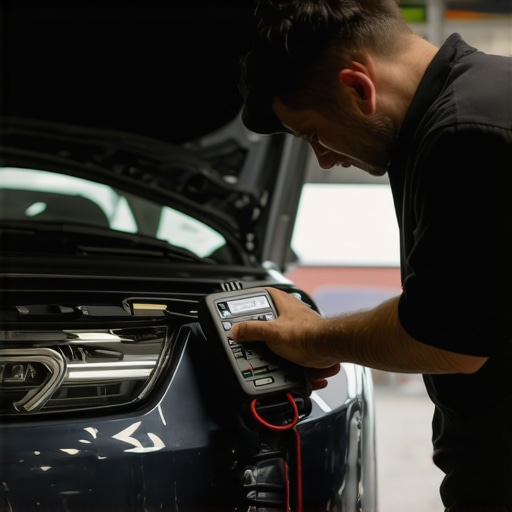
Many car owners approach maintenance with well-meaning assumptions that can lead to costly mistakes. One common misconception is that routine service tasks, like doing a simple tune-up or brake inspection, are always straightforward and universally applicable without nuance. However, the reality is far more complex, and understanding these subtleties can save you time and money. Let’s dig deeper into what most people get wrong about car service and repair.
Is a Scheduled Tune-Up Always Necessary for Modern Cars?
Contrary to popular belief, many assume that sticking rigidly to traditional tune-up intervals guarantees optimal performance. In reality, advances in automotive technology have rendered some of these schedules obsolete. Modern vehicles often have onboard diagnostics and self-adjusting systems that mitigate the need for frequent tune-ups. According to this guide, understanding your car’s specific needs based on manufacturer recommendations and usage conditions is crucial. Blindly following outdated routines can lead to unnecessary expenses and overlooked issues.
Why Brake Service Requires More Than Just Replacing Pads
Many assume that changing brake pads restores perfect stopping power. While essential, this approach overlooks the importance of inspecting related components like rotors, calipers, and brake fluid. Failing to address underlying problems can cause premature wear or even unsafe driving conditions. A trend in auto repair emphasizes the shift towards comprehensive brake system evaluations rather than isolated repairs. Remember, effective brake service is about the entire system, not just the pads.
Common Pitfalls in Car Diagnostics and Repairs
One of the biggest traps is assuming that symptoms like engine misfires or strange noises always stem from obvious causes. For example, a ticking noise when cold might seem just a lifter issue, but in reality, it could signal worn timing components or fuel system problems. Misdiagnosis leads to unnecessary repairs and overlooked root causes. To avoid this, consider consulting diagnostic checklists and seeking expert opinions promptly. Proper diagnosis is fundamental to effective maintenance and avoiding repeat visits.
Furthermore, many overlook the importance of quality parts and tools in their repair process. Using substandard components or improper techniques can cause failures even after seemingly successful repairs. As highlighted in this resource, investing in proper parts and expert knowledge ensures longevity and safety.
Ultimately, the hidden nuance in car service lies in recognizing that each vehicle has unique needs, and a tailored approach is essential. Regularly consulting comprehensive resources like this checklist can help you maintain your vehicle effectively and avoid the common pitfalls most drivers unknowingly fall into.
Have you ever fallen into this trap? Let me know in the comments. Staying informed and vigilant is the best way to keep your car running smoothly for years to come.
Maintaining your vehicle’s longevity and performance requires the right tools and a strategic approach. Over the years, I’ve refined my arsenal of diagnostic and repair equipment, which has empowered me to tackle many issues myself and ensure my car stays reliable. Today, I want to share some insights into my preferred tools and techniques, along with tips for effective long-term maintenance.
Invest in a Quality Code Scanner for Accurate Diagnostics
As someone who likes to understand my vehicle’s health deeply, I rely on a trusted OBD-II scanner. I recommend models like the Autel MaxiCOM because they provide comprehensive readings, include live data streaming, and allow custom programming for various vehicle makes. Personally, I use it regularly to check for pending fault codes and monitor sensor readings, which helps me catch issues before they escalate. This proactive approach saves time and money, especially when combined with routine checks outlined in this comprehensive checklist.
Utilize an Infrared Thermometer for Brake and Engine Checks
An infrared thermometer is another tool I swear by. It enables quick, contactless temperature assessments of brake drums, rotors, and engine components. For example, after a short drive, I check rotor temperatures to identify uneven heating that might indicate sticking calipers or worn pads. Regular testing with this device can inform maintenance decisions and prevent costly repairs. With trends like auto repair evolving fast, having precise tools for early detection is becoming indispensable.
Master Fluid Monitoring Techniques
Consistent fluid levels are the backbone of a smooth-running machine. I recommend investing in a good set of transparent, calibrated reservoirs for oil, coolant, and brake fluid. This allows you to visually monitor levels regularly—think of it as extended vehicle health monitoring. Additionally, a refractometer can measure fluid contamination levels, ensuring you’re not just adding fluid blindly. Over time, mastering these small checks can significantly extend your vehicle’s lifespan, similar to how expert tune-up strategies advocate for proactive maintenance.
Predicting the Future of Car Health Management
Looking ahead, vehicle maintenance is heading toward smarter, more integrated systems. The trend points toward AI-driven diagnostics embedded directly into cars, providing real-time alerts on your smartphone. I believe that, in the near future, routine checks will be automated, making diagnostics more accessible for everyday drivers. Staying ahead with tools like Bluetooth-enabled scanners and health-monitoring apps will be essential. Implementing these advancements now puts you in a strong position to enjoy seamless, reliable vehicle operation.
How do I keep my vehicle performing over time?
The key is consistent, data-driven maintenance. Regularly review your vehicle’s condition using the tools I’ve mentioned, adhere to manufacturer-recommended service intervals, and address issues before they become serious. Making it a habit to perform small checks—like inspecting brake temperatures or scanning for codes—can prevent costly breakdowns. Don’t forget to consult resources like this guide on diagnosing vehicle shuddering to keep your car feeling like new. For advanced enthusiasts, I recommend trying to calibrate your oil refractometer or upgrading to a professional-grade scan tool. Start integrating these tips today and experience the benefits of a well-maintained vehicle that performs reliably long-term.
Lessons I Wish Someone Told Me Before I Started Fixing Cars
- Realizing that a new battery isn’t a permanent fix for recurring starting issues was a game-changer. It taught me the importance of diagnosing underlying system problems instead of just replacing parts blindly.
- Understanding how the alternator and voltage regulator work together showed me that vehicle health relies on many interconnected systems. Neglecting one can render even the best battery useless.
- My lightbulb moment came when I learned to interpret multimeter readings properly, turning me from a DIY enthusiast into a confident troubleshooting partner for my vehicle.
- Discovering parasitic drains transformed my approach, reminding me that even small electrical issues can have big impacts on battery longevity.
Tools and Resources That Elevated My Maintenance Game
- The Autel MaxiCOM code scanner became my indispensable diagnostic partner, providing real-time data and helping me catch issues early—saving me big bucks and stress.
- An infrared thermometer is a simple yet powerful device for detecting uneven brake rotor heating and engine overheating, making routine checks more precise.
- I swear by fluid testing tools, like refractometers, to gauge coolant and oil quality, ensuring my vehicle runs smoothly and avoids costly repairs.
- Following trusted online guides and checklists, like those on this resource, keeps me on track with proactive maintenance habits.
Charge Your Car, Not Your Frustration
“Knowledge is power, and when it comes to your vehicle’s health, understanding the hidden causes of battery failure can transform your maintenance routine. Don’t wait for a breakdown to act—start inspecting and diagnosing today, and enjoy a smoother, more reliable ride for years to come.” Have you ever struggled with diagnosing your car’s electrical system? Share your experiences below and let’s learn together.