
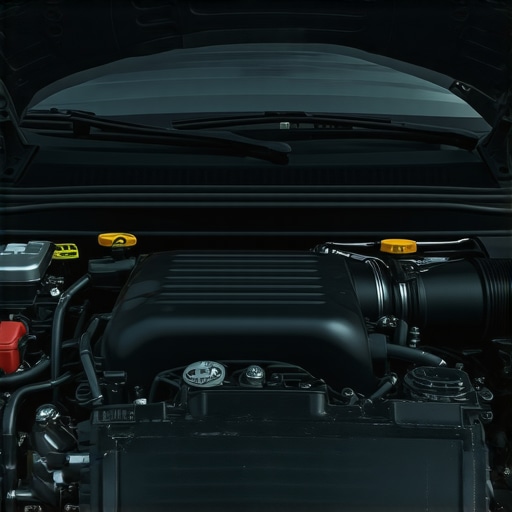
It’s a chilly winter morning, and just as I step into my car, ready to face the day, a high-pitched squeal pierces the air. My heart sinks. That noise has become a frustrating morning ritual, turning what should be a smooth start into a battle of nerves. I remember the first time this happened—totally clueless about what that squealing sound meant, I threw my hands up, thinking it was some big, expensive problem. Turns out, I was making a common mistake—ignoring signs of a simple fix.
Why That Squeal Drives Us Crazy and How To Fix It
Having dealt with this issue myself, I can say confidently that this squeal isn’t just a minor annoyance; it’s a warning sign that something needs attention. And trust me, catching it early can save you a lot of money and stress later on. Those squeals often come from worn-out belts or tensioners that struggle to grip in cold weather, but the good news is—they’re usually straightforward to fix once you know what you’re looking for.
Think about it: if you’re like me, you probably just hit the ignore button and hope it goes away. But what if I told you ignoring that squealing can lead to more serious damage, like a snapped belt or overheating engine? Regular maintenance can prevent these headaches, and I’ve learned that addressing minor noises promptly can keep your vehicle running smoothly through those chilly mornings.
Curious if your car’s squeal is a sign of trouble or just the cold weather? Stick around. I’m about to share proven tips that have worked wonders for me, and I want to help you avoid the costly repairs I once experienced. Plus, understanding the root cause of these sounds can empower you to take better care of your ride.
Is the Squeal Just Cold Weather or Something More? I Thought I Knew It All—Until I Messed Up
Early in my auto repair journey, I made a crucial mistake—assuming that the squealing only happened when temperatures dropped. That misconception almost cost me a lot of unnecessary repairs. It wasn’t until I learned about the importance of regular inspections, like those in our comprehensive auto service checklist, that I realized these sounds are signals, not just weather quirks.
Addressing these issues promptly keeps your vehicle running efficiently and safe. If you’re tired of guessing what that squeal means or just want to keep your mornings peaceful, stay tuned. The upcoming sections will walk you through simple steps to diagnose and fix that nagging noise, even if you’re not a mechanical expert. Let’s turn that squeal into a thing of the past!,
Inspect the Serpentine Belt for Visible Damage
Start by opening your hood and locating the serpentine belt, which is the wide rubber belt wrapping around pulleys. Look for cracks, fraying, or missing chunks. When I checked mine during a morning squeal, I noticed small cracks on the belt’s surface—a clear sign it was time for replacement. If you see similar wear, plan to replace it to prevent sudden breakdowns.
Test Belt Tension and Alignment
Gently press on the belt—if it feels loose or slips easily, it’s probably too slack. Use a belt tension gauge for accuracy or press down with your finger; if it deflects more than half an inch under moderate pressure, tensioning is needed. During my last check, I used a simple gauge, which confirmed my belt was too loose, causing the squeal. Proper tension ensures the belt maintains grip over pulleys, reducing noise and wear.
Check the Tensioner Pulley Functionality
The tensioner maintains optimal belt tension. Spin the pulley by hand; it should rotate smoothly without wobbling or resistance. If it feels gritty or wobbly, it’s faulty. I once replaced a squealing tensioner after noticing rough movement, which instantly quieted the noise and restored efficient drive belt operation. Replacing a faulty tensioner prevents belt slippage and potential engine overheating.
Replace Worn or Damaged Belts Immediately
If visual inspection or tension test shows significant wear, cracks, or stretch, replacing the belt is mandatory. Disconnect the old belt by releasing tension from the pulley, then slide it off. Install the new belt, ensuring it seats properly on all pulleys, and reapply tension. During my last DIY, I followed the vehicle’s belt routing diagram, which I downloaded beforehand, to avoid mistakes—resulting in a smoother, quieter engine start.
Consider Professional Assistance for Critical Components
If you’re unsure about belt tensioning, pulley condition, or if noise persists after these steps, consult a professional. A certified mechanic can perform a detailed inspection, including testing the accessories driven by the belt like the alternator or water pump. For comprehensive car care tips, explore this detailed auto service checklist.
Many car owners believe that following basic maintenance schedules guarantees a vehicle’s longevity, but the reality is far more nuanced. A common misconception is that periodic oil changes and tire rotations are sufficient for comprehensive car care, yet automotive experts emphasize the importance of understanding the intricate nuances of each component’s condition. For instance, relying solely on mileage intervals without inspecting parts like brake pads or belts can lead to overlooked issues that escalate into costly repairs later. As I’ve learned from years of hands-on experience, the most overlooked aspect is the quality and timeliness of diagnostics. Many owners wait until a warning light appears or a strange noise emerges, but proactive diagnostics—especially advanced ones—can catch problems before symptoms manifest. Regular, detailed inspections can reveal hidden issues like subtle corrosion, micro-cracks, or early-stage wear that standard checklists might miss. A key mistake I see many make is misinterpreting symptoms—believing a squeaky brake pad is just normal noise rather than a sign for urgent replacement, which can compromise safety. It’s crucial to differentiate between normal wear and developing failures.
Why Do Many Auto Repair Myths Persist Despite Evidence To The Contrary
One pervasive myth is that brake pads need replacing only when they cause vibrations or squeals. In truth, many mechanics recommend replacements based on thickness measurements, even if no noise is evident. This conservative approach prevents sudden brake failure but is often overlooked. According to reputable sources like this guide on brake myths, understanding the subtleties of brake wear can extend component life and maintain safety. Another prevalent trap is the belief that cheap auto parts perform just as well as OEM components. However, cutting corners here can lead to premature failures, especially under demanding conditions. For example, inferior belts or spark plugs may seem to work initially but wear out faster, negating any savings. Trusting professional advice and understanding the advanced signs of wear are vital. Moreover, many overlook the significance of proper **auto tune-up strategies** to optimize performance and fuel efficiency. Regular tune-ups, as explained in this resource, are not just about replacing filters but about comprehensive system checks and adjustments that prevent future breakdowns. Finally, a common mistake is ignoring the importance of quality diagnostic tools—relying on generic scanners instead of professional-grade equipment can result in missed or misinterpreted issues. As I’ve experienced firsthand, investing in advanced diagnostics can uncover hidden electronic or mechanical problems that simpler tools might overlook.
Keeping It Running Smoothly: Tools and Techniques for the Long Haul
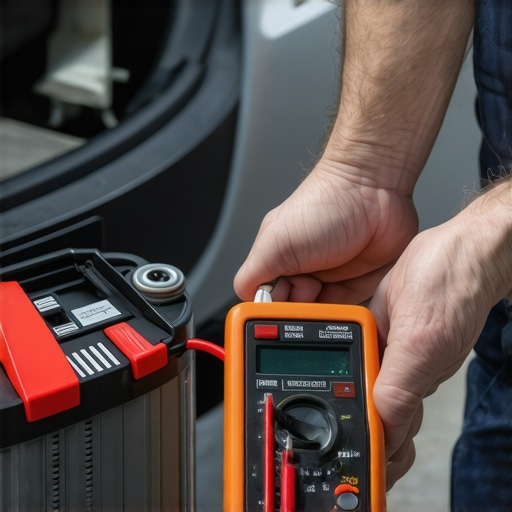
Maintaining your vehicle’s performance over time requires more than just routine visits to the mechanic; it calls for the right tools and a proactive approach. One of my go-to pieces of equipment is a high-quality digital multimeter. I rely on my Fluke 115—it’s incredibly precise and versatile, allowing me to test everything from battery health to sensor signals with confidence. Investing in a reliable multimeter is crucial because it helps me catch electrical issues early before they escalate into costly repairs.
Another essential tool I’ve found invaluable is a serpentine belt inspection scope. This tiny, flexible camera lets me peer into the engine bay’s hard-to-see areas, revealing cracks or fraying on belts that might not be visible during a simple visual check. Regular inspections, especially in low-mileage maintenance, can prevent unexpected breakdowns and extend the lifespan of components.
For scheduled maintenance, I highly recommend using dedicated software like the OBDeleven scanner. It enables me to read and clear diagnostic trouble codes directly from my smartphone. This tool saves me time and money by diagnosing issues early and verifying repairs without needing to visit the shop for every minor concern. Modern vehicles are increasingly integrated with electronic systems, so having a tool that communicates directly with your car’s ECU is a game-changer. For more on diagnostics, check out this troubleshooting guide.
Looking ahead, I believe the trend is moving toward more advanced predictive maintenance. The integration of IoT-enabled sensors and AI analytics promises to alert drivers before a component fails, potentially saving hundreds in repairs. Vehicles will become smarter, and so should we when it comes to maintenance.
How do I keep my car in top condition for the long term? Regular inspections and utilizing the right tech are key. Don’t neglect subtle signs of wear — a quick check with your multimeter or inspection scope now can save big later. And try adopting predictive tools as they become more affordable; staying a step ahead is the best way to avoid costly surprises.
If you’re not already investing in reliable diagnostic tools, now’s the perfect time to start. Reaching out to professional-grade equipment like the ObDeleven or a reputable code reader can make a real difference in how you manage your vehicle’s health over time. For ongoing tips and insights on auto maintenance, consider exploring future trends in auto repair.
The Hardest Lesson I Learned About car service,brake service,tune up,auto repair
One eye-opening lesson was realizing that neglecting small noises or signs like a squealing belt can lead to major breakdowns, costing hundreds or even thousands. I used to dismiss these warning signs as minor annoyances, but now I understand their true importance. Early intervention, even for seemingly trivial issues, can save a lot of money and stress in the long run.
3 Myths About car service,brake service,tune up,auto repair That Held Me Back
For years, I believed that brake pads only needed attention when they squealed loudly or caused vibrations. Turns out, regular inspections based on wear measurements are essential. Additionally, relying solely on cheap replacement parts might seem like a bargain but often leads to quicker failures. Dispelling these myths has transformed how I approach vehicle maintenance and helped me avoid costly surprises.
What Experts Won’t Tell You About car service,brake service,tune up,auto repair
Many professionals keep quiet about the tricky nuances of diagnosing issues early. For example, a slight pulling to one side during acceleration might be dismissed, but it could signal a worn out brake caliper or alignment issue. Real expertise lies in recognizing these subtle clues before they turn into major problems. Investing in diagnostic tools like professional-grade equipment can make all the difference in maintaining your vehicle’s health.
Curated Recommendations for Car Lovers
Over the years, I’ve relied on tools and resources that genuinely make a difference. The latest auto repair trends provide insights into upcoming innovations that can help you stay ahead. A personal favorite is the radiator cap tester, which is invaluable for diagnosing cooling issues early. Also, reputable guides like car maintenance checklists keep me on track and ensure nothing slips through the cracks.
Your Drive Toward Better Car Care Starts Today
Remember, your vehicle is more than a machine; it’s a trusted partner that deserves your attention. By applying these insights and tools, you empower yourself to keep your car running smoothly through every winter morning. Don’t wait for warning lights or strange noises—take action now. Regular inspections, informed choices, and a proactive mindset can turn the daunting task of auto maintenance into a rewarding habit. So go ahead, embrace this journey of mastery, and enjoy the reliable performance your car can deliver.