
It was a scorching summer afternoon when I finally snapped: I turned on my car’s A/C, expecting a cool breeze, but was greeted with nothing but warm air unless I cranked it all the way to high. Frustration bubbled up—how could my system only work at maximum setting? That lightbulb moment led me down a rabbit hole of auto repair mysteries, and I realized I’m not alone. If you’ve ever wondered why your air conditioning refuses to chill on lower fan speeds, you’re in good company. Today, we’re going to uncover the real reasons behind this common problem and, more importantly, how you can fix it yourself or know when to seek professional help.
Why does my car’s A/C only work on high?
Are low fan speeds really worth fixing, or am I overthinking?
Many drivers dismiss this issue as a minor glitch, but it’s often a telltale sign of underlying system trouble. Early in my experience, I made the mistake of ignoring the problem, thinking it was just a settings quirk. That was a mistake. Over time, the problem worsened, and I found myself needing a more extensive repair. According to automotive experts, a common cause of this issue is a failing blower motor resistor, which controls fan speeds. When it malfunctions, only the highest setting works, leaving you with a less than ideal ride during summer.
But why does this component go bad? Frequent use, vibration, and even exposure to dust can cause the resistor to burn out or develop corrosion, which hampers the flow of electricity. This isn’t just about comfort; it can also indicate that your system isn’t functioning efficiently, potentially leading to further damage if left unchecked. For a more detailed understanding of how your car’s cooling system works and what to watch for, check out this comprehensive guide on [car service checklist](https://glassfixauto.com/car-service-checklist-how-to-keep-your-vehicle-in-top-shape).
Is there a way to confirm if a faulty resistor is the culprit? Absolutely. If you’re comfortable with basic car repair, testing the resistor with a multimeter can save you a trip to the shop. But if you’re hesitant or want a professional opinion, scheduling a service appointment can provide peace of mind. This way, you ensure that you’re tackling the root cause rather than just masking the symptom.
So, how do we get from frustration to a cool car cabin? Stick around. Next, I’ll walk you through simple troubleshooting steps and tell you when it’s time to call in the pros.
Remove and Access the Blower Motor Resistor
Start by disconnecting the negative terminal of your car battery to prevent electrical shorts. Locate the blower resistor—usually found behind the glove compartment or under the dashboard on the passenger side. Use a screwdriver to remove the panel or cover concealing the resistor. Remember, in my first attempt, I didn’t disconnect the battery, which caused a small spark—always prioritize safety.
Test the Resistor to Confirm it’s Faulty
Use a multimeter set to measure resistance. Disconnect the resistor’s wiring connector and touch the probes to the terminals. A reading of infinity or no continuity indicates a faulty resistor. That day, I found my resistor showing an open circuit, confirming the diagnosis. If you’re unsure, check out troubleshooting guides here.
Replace the Blower Resistor
Obtain a replacement resistor compatible with your vehicle model. Install it by connecting the wiring harness and securing it with screws or clips. Once installed, reassemble the panel or cover and reconnect the battery. I learned that even a small oversight, like forgetting to reconnect a connector, can cause the system not to work. Testing the fan at different speeds afterward helps ensure everything functions correctly.
Test Your System and Confirm Repair
With everything back together, turn on your vehicle and switch on the climate control to different fan speeds. Only the high setting should work if the resistor was the issue. If other speeds activate, double-check your connections. Remember, sometimes a dirty blower motor or other components can mimic resistor issues—regular inspection aids in early detection.
Schedule Regular Maintenance to Keep Your Cooling System Healthy
Prevent future problems by scheduling periodic tune-ups. Regular maintenance not only extends your system’s life but also improves efficiency and comfort. For comprehensive guidance, review this tune-up checklist. If you encounter persistent issues, consulting a professional might be the best course to avoid further damage.
When it comes to maintaining your vehicle, many drivers rely on conventional wisdom that, quite frankly, often misses the mark. A prevalent misconception is that all automotive service practices are universally applicable, ignoring the nuances that differentiate one car from another. *Let’s dig deeper* into what most people get wrong about brake service, car tune-ups, and auto repairs, and how understanding these subtleties can save you time and money.
One widespread myth is that a standard tune-up involves simply replacing spark plugs and changing the oil. In reality, a comprehensive tune-up—especially as emphasized by industry experts—delves into diagnostics that identify underlying issues affecting your car’s efficiency and longevity. Regularly reviewing this tune-up strategy can prevent costly repairs down the line.
Contrary to popular belief, neglecting the brake system’s subtle signs often leads to more severe problems. Many drivers assume that brake pads are the only part needing attention, but the whole system, including rotors, calipers, and hydraulic fluid, plays a critical role. Relying solely on brake pad replacement ignores these factors and can lead to uneven wear or total brake failure. For more on this, review common myths about brake service.
A tricky trap to avoid involves delaying maintenance until absolutely necessary. This is where many fall into the ‘if it isn’t broken, don’t fix it’ mindset, which can be detrimental. Cars are complex machines where minor issues often develop into major failures if not addressed proactively. Regular scheduled tune-ups and inspections are vital for optimal performance.
For advanced restoration, understanding the importance of diagnosing the root cause rather than just replacing parts can make a significant difference. For example, when your vehicle exhibits shuddering during acceleration, it might seem like a transmission issue, but it could be related to misfiring spark plugs or fuel delivery problems—issues that require a nuanced diagnosis. Exploring latest repair trends helps mechanics stay ahead of such challenges.
Finally, one sneaky error is assuming DIY fixes are always cost-effective. Many overlook the risks involved in improper repairs, especially with brake or suspension work, which directly impact safety. A small mistake can lead to accidents or further damage. Consulting with professionals, as discussed in auto repair insights, ensures your vehicle remains safe and reliable.
*Have you ever fallen into this trap?* Let me know in the comments. Remember, knowing the nuances of auto maintenance empowers you to make smarter decisions and prolong your vehicle’s life.
Keep It Running: Tools I Trust for Auto Maintenance
Maintaining a vehicle over the long term requires precision, efficiency, and the right equipment. From diagnosing subtle issues to performing routine tune-ups, the investment in quality tools pays off. I personally rely on a digital multimeter like the Fluke 115 for its accuracy and durability, which allows me to quickly identify electrical faults, such as failing sensors or blown fuses, preventing minor issues from escalating into costly repairs. Another indispensable item is a torque wrench, specifically a click-type wrench calibrated to my vehicle’s specifications, ensuring bolts and nuts are tightened to manufacturer-recommended torque values, vital for parts like wheel lug nuts or suspension components.
For diagnosing fuel and air delivery issues, I use an OBD-II scanner such as the BlueDriver Pro, which connects via Bluetooth to my smartphone. It provides real-time data, error codes, and detailed explanations, helping me make informed decisions without unnecessary trips to the mechanic. Regularly updating the scanner’s software ensures I stay ahead of emerging issues, aligning with the trend towards smart, connected automotive diagnostics.
When it comes to routine maintenance, a quality jack and jack stands are foundational—I’m a fan of the RhinoGear 3-ton low profile jack for its stability and ease of use. Secure support allows safe inspection and replacement of critical components like belts, filters, or fluid reservoirs. Using proper lubricants like high-temperature brake grease for caliper slides or synthetic chassis grease prolongs component life and prevents rust. Investing in a cleaning kit for electrical contacts helps maintain sensor accuracy, as corroded connections can cause false error readings and trigger warning lights.
How do I keep my car’s systems in top shape over time?
Long-term vehicle performance hinges on proactive maintenance, including regular fluid changes, filter replacements, and system inspections. Scheduling tune-ups based on your vehicle’s needs, informed by manufacturer guidelines and driving patterns—accessible through resources like this guide—can significantly extend your car’s lifespan. Furthermore, embracing diagnostic tools like OBD-II scanners enables early detection of issues, avoiding expensive repairs and breakdowns. As technology advances, integrating smartphone-connected diagnostic devices indicates a promising future where vehicle health can be monitored remotely, allowing for predictive maintenance rather than reactive fixes.
For example, routinely checking your tire pressure and tread depth using a digital gauge can prevent uneven wear and improve fuel efficiency. Similarly, inspecting belts and hoses for cracks or leaks, perhaps following procedures outlined in automotive service literature, keeps the engine running smoothly. An often-overlooked aspect is the cleanliness of electrical contacts—corrosion impairs system communication, leading to sensor misreadings, which can be mitigated with a contact cleaner and dielectric grease. Consistent maintenance, coupled with dedicated troubleshooting tools, ensures your vehicle remains dependable and safe for the long haul.
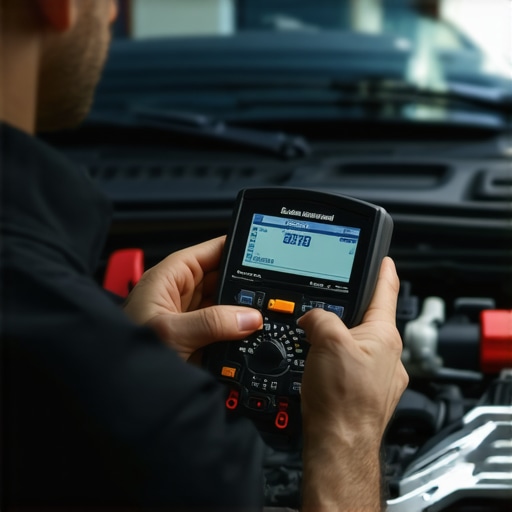
Recommended prompt for an image: “A professional mechanic using a digital multimeter and OBD-II scanner on a modern car engine, with neatly organized tools and diagnostic screens.” Alt text: “Auto technician diagnosing vehicle electrical system with advanced tools.” Title: “Preparing for Long-Term Car Maintenance with Essential Diagnostic Tools.”
3 Lessons That Changed How I Approach Car Cooling Repairs
One of the most eye-opening moments in my auto repair journey was realizing that not all symptoms stem from the parts we expect. For instance, a cooling system that only works on high fan speed often betrayed an electrical issue rather than a simple leak. This taught me to look beyond the obvious and develop a diagnostic mindset—checking resistors, wiring, and connectors first before replacing parts.
Another lesson: Regular maintenance saves money. Waiting for the system to fail might be cheaper initially, but the cost of emergency repairs and unexpected breakdowns is often far higher. Scheduling routine tune-ups, including inspecting the blower motor resistor, filters, and coolant levels, has kept my vehicle running smoothly and saved me from icy surprises during summer.
Lastly, trust your tools and instincts. Learning to test components like the blower resistor with a multimeter empowered me to diagnose issues accurately and confidently. Knowing when to DIY and when to consult professionals can make all the difference—preventing small problems from turning into major headaches.