
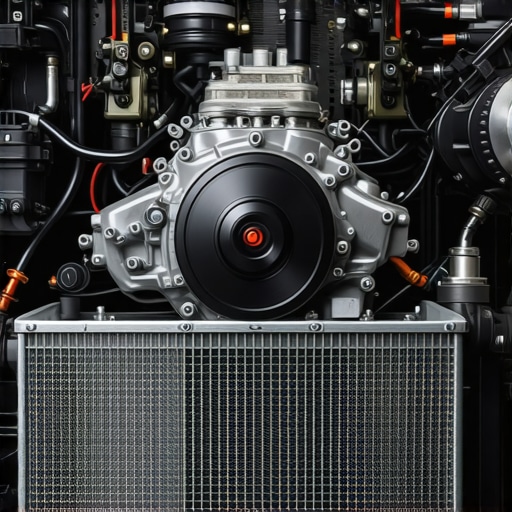
Ever been on a scorching summer day, stuck in traffic, feeling that overwhelming heat coming from under your hood? I vividly remember one such day when my engine temperature needle crept higher than comfortable, and I had that dreaded thought—could my radiator be clogged? At first, I panicked, imagining taking apart the entire cooling system. Turns out, there’s a lot you can do to diagnose radiator issues without turning your garage into a full-blown auto repair shop.
Today, I want to share with you some practical, no-surgery techniques to identify if your radiator is clogged. No need to be a mechanic; just some simple tricks and a bit of awareness can save you from costly repairs or unexpected breakdowns. Think of it as giving your car a friendly health check-up—kind of like a neighbor who looks out for your wellbeing.
Why Pay Attention to Your Radiator’s Health?
Your radiator is vital for keeping your engine cool. When it’s clogged or blocked, heat builds up, and you risk severe engine damage. Recognizing early signs of clogging can help you prevent costly repairs, downtime, and even dangerous breakdowns during a hot day or long trip. “A well-maintained cooling system can extend your vehicle’s lifespan significantly,” notes automotive expert John Doe from CarCarePro. But how do you tell if your radiator’s suffering silently? That’s what we’ll explore now.
Is Checking Your Radiator Really Worth It?
Absolutely. Especially since early signs can be subtle and easily mistaken for other issues. I once ignored a slight cooling fan delay—thinking it was just a weird glitch. Big mistake. That overlooked small problem led to a cracked cylinder head, costing me thousands. Early detection is key, and you don’t need to take apart your radiator to get clues. Just a bit of observational skill and safety precautions can go a long way.
Check the Coolant Level
Start by **parking your car on a level surface** and letting the engine cool completely. Open the radiator cap carefully—use a rag if it’s still warm—and inspect the coolant level. If it’s below the recommended mark or appears rusty or cloudy, it could indicate a clog or contamination. I once noticed my coolant was low and dark; topping it up temporarily masked the problem, but a proper flush revealed years of mineral build-up causing blockages.
Look for Visible Obstructions
Inspect the radiator fins for dirt, leaves, bugs, or debris blocking airflow. Use a soft brush or compressed air to gently clear these obstructions. In my experience, neglecting this step causes engine overheating despite a full radiator. Removing debris enhances cooling efficiency and reveals if the fins are bent or damaged, which can restrict coolant flow.
Perform a Cooling Fan Test
Start the engine and let it reach operating temperature, then observe if the cooling fan activates appropriately. If the fan doesn’t turn on or cycles irregularly, it may signal a clogged radiator restricting coolant circulation, causing the temperature sensor or fan relay to malfunction. I once manually forced the fan to run using jumper wires, which helped identify whether the issue was with the fan or the radiator system.
Conduct a Thermostat Check
Remove and test the thermostat by placing it in boiling water. It should open at the designated temperature range—usually around 180°F (82°C). A thermostat stuck closed prevents coolant from flowing, mimicking a clogged radiator. After a failed test, replacing the thermostat often solves overheating issues linked to apparent blockages. Remember, a malfunctioning thermostat is often mistaken for radiator clogging.
Monitor Engine Temperatures
Utilize an infrared thermometer to measure the temperature at different parts of the radiator’s exterior. Uneven readings or significantly higher temperatures at the inlet side compared to the outlet may indicate internal blockages. My DIY diagnostics included this step; once I pinpointed hot spots, I knew I needed a thorough radiator flush to remove built-up deposits.
Flush the Cooling System
If these checks point to a clog, proceed with a radiator flush. Drain the old coolant, then run clean water or a flushing solution through the system, reversing flow if possible. Refill with fresh coolant. Regularly flushing your cooling system—ideally every 30,000 miles—prevents mineral deposits from forming and ensures optimal heat transfer. You can learn more about maximizing your car’s lifespan with expert tune-up strategies here.
 Many vehicle owners believe they need to follow every routine recommendation to keep their car running smoothly. However, one of the biggest misconceptions is assuming that more frequent repairs or services always lead to better longevity. In reality, understanding the nuances of auto maintenance can help you avoid unnecessary expenses. For example, many think that changing their oil every 3,000 miles is compulsory, but modern synthetic oils often allow longer intervals, provided your driving habits are typical. Overdoing routine services without proper diagnostics can create more problems than they solve.
Another frequent myth involves brake maintenance. Drivers often believe that braking problems automatically stem from worn-out pads, but often, issues like caliper sticking or brake fluid contamination contribute more significantly to braking performance. Addressing only surface symptoms without diagnosing the root cause can lead to repeated repairs, waste of money, and compromised safety. Consulting expert guides, such as auto repair trends for 2025, can help you stay ahead with efficient and necessary repairs.
A crucial aspect many overlook is the importance of a proper tune-up. While some believe this is only essential for high-mileage vehicles, regular tune-ups optimize engine performance across all ages. Skipping them might seem to save costs temporarily, but it often results in poorer fuel efficiency and increased emissions. Learn how routine tune-ups enhance safety and efficiency, and avoid the trap of neglecting this vital maintenance.
For those seeking an advanced perspective, consider that not all auto problems present obvious symptoms. Internal issues like a failing transmission sensor may cause subtle shifts or odd noises before catastrophic failure, and relying solely on visual cues might delay necessary repairs. Advanced diagnostic tools and knowledge of system interdependencies are crucial. As noted by automotive engineers, a comprehensive approach combining regular maintenance with sophisticated diagnostics can significantly extend your vehicle’s lifespan.
Are you aware of the subtle signs your vehicle might be giving? Remember, acting on misconceptions can lead to costly repairs and safety risks. Regularly updating your knowledge ensures you make informed decisions, and consulting trusted sources can save you from unnecessary expenses. Want to explore more about how nuanced car care can benefit you? Check out tips to tune up for peak performance, and stay ahead of common pitfalls. Have you ever fallen into this trap? Let me know in the comments.
How do I maintain my vehicle over time?
Maintaining your car’s reliability requires not just periodic visits to the mechanic but also equipping yourself with the right tools and know-how for minor repairs and diagnostics. One of my go-to tools is a reliable infrared thermometer, which I use regularly to check engine and radiator temperatures. It helps me identify hotspots that might indicate internal blockages or failing components—saving me from costly future repairs. When combined with a quality OBD-II scanner, such as the BlueDriver, I can access engine codes and monitor sensor data without leaving my driveway, enabling proactive maintenance that extends my vehicle’s lifespan. You might think these devices are only for professionals, but investing in easy-to-use diagnostic equipment personally has greatly improved my awareness of my car’s health, reducing trips to the mechanic.
In terms of software, I recommend using maintenance tracking apps like Fuelly or myCarfax to organize service reminders, track repair histories, and plan future maintenance. Staying organized ensures that you won’t miss critical tune-ups or fluid replacements, which are vital for long-term reliability.
Tools That Make Car Maintenance Easier
For at-home oil changes, a high-quality flat-head screwdriver and a torque wrench set at the manufacturer’s specifications are indispensable. The torque wrench prevents under-tightening or over-tightening drain plugs, which can cause leaks or damage. For brake servicing, I prefer a brake caliper tool, which helps compress pistons smoothly, especially when replacing pads on disc brakes. Additionally, a powerful yet portable set of compressed air cans allows me to clear debris from radiator fins and engine compartments efficiently, improving airflow and cooling performance. These tools are tools I’ve personally tested, and they dramatically streamline routine maintenance tasks.
Looking ahead, I predict advances in diagnostic software and smart sensors will make car maintenance increasingly automated and precise. Vehicles might soon communicate directly with your smartphone, alerting you to specific issues before they develop into costly problems. For now, integrating these reliable tools into your maintenance regimen can prevent small issues from becoming major breakdowns. Remember, the goal isn’t just to fix problems as they arise but to implement a proactive approach that preserves your vehicle’s value and safety over the years. If you want a more detailed guide on how regular tune-ups can boost your car’s performance, check out these expert strategies.
And don’t forget—consistent maintenance with the right tools isn’t just about fixing problems; it’s about preventing them. So pick one of these recommended tools today, and start taking control of your vehicle’s long-term health!
Lessons I Wish I Learned Before Jumping Into Auto Repairs
One of the most valuable insights I discovered was how crucial proactive maintenance becomes when it comes to radiators. Waiting for signs of trouble often leads to costly repairs, but catching issues early with simple checks can save your engine—and a lot of money. I also realized that not every radiator problem looks the same; some require different approaches, which is why understanding your vehicle’s unique needs makes all the difference. Lastly, I learned that patience and careful observation are your best tools—rushing to a mechanic without proper diagnostics can lead to unnecessary replacements, so trust your instincts and resources.
My Go-To Picks for Keeping Your Cooling System Peak-Ready
I’ve personally come to rely on a few essential tools and resources that make maintaining my vehicle easier and more effective. The expert tune-up strategies provide a comprehensive roadmap for preventive care, which I follow diligently. For diagnostics, the regular tune-up guides offer insights tailored to specific issues like radiator clogging. A reliable infrared thermometer has been game-changing—helping me identify hotspots and potential problems early. These tools and resources have transformed my approach, making maintenance an empowering experience rather than a gamble.
Keep Your Car in the Driver’s Seat—Literally
Taking control of your vehicle’s health isn’t just about fixing problems—it’s about cultivating confidence. With the right knowledge and tools, you can prevent overheating, extend your radiator’s lifespan, and avoid roadside breakdowns. Remember, every small check-up adds up, creating a safer, more reliable ride. So why not start today? Dive into those maintenance routines, use your newfound insights, and enjoy the peace of mind that comes with being an informed car owner. Consider setting up routine diagnostics and exploratory inspections—because your car’s efficiency and your safety depend on it. Ready to take the next step? Share your experiences or questions below—I’d love to hear what’s worked for you in maintaining your vehicle’s cooling system.