
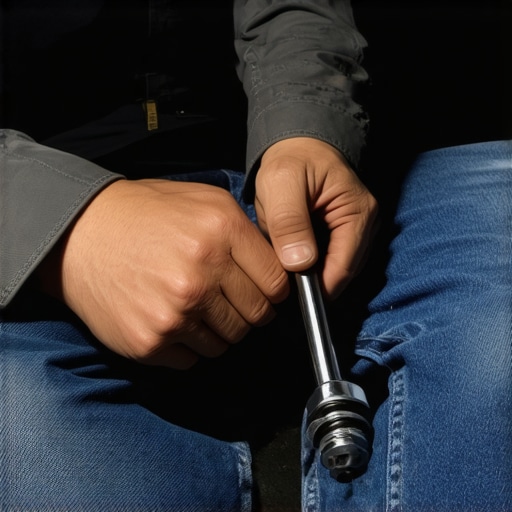
Ever been in a rush and finally settle into your car, only to be greeted by that irritating squeak from your driver’s seat? It’s the kind of noise that turns a quick trip into an endurance test. I remember one morning, jumping into my car before a big meeting, only to be distracted by that persistent, high-pitched screech every time I shifted my weight. After a few minutes of frustration, I realized that I wasn’t alone in this. So many drivers face this tiny but maddening issue.
The good news? That squeal isn’t something you need a mechanic to fix every time. It’s often one of the simplest, most affordable repairs you can do yourself—and today, I’m going to walk you through exactly how to silence that pesky noise once and for all.
Why Ignoring That Squeak Can Cost More Than You Think
A squeaking driver’s seat might seem like a minor annoyance, but it’s actually a sign that something’s not quite right with your seat’s latching or underlining components. Left unaddressed, it can lead to more serious issues—like worn-out seat mechanisms or even safety risks if the seat doesn’t lock securely during a quick stop. Plus, living with that noise all the time can be downright exhausting, especially on long drives.
Understanding the root cause is crucial. Often, it’s as simple as a broken or worn-out seat latch, or a lack of lubrication on certain moving parts. This little problem can be a sneaky drain on your peace of mind and your vehicle’s condition.
And here’s a fact I found that surprised me early on: according to automotive experts, regular maintenance, including addressing squeaks early, can actually extend your car’s lifespan and save you money in the long run. Check out the [importance of routine tune-ups](https://glassfixauto.com/how-regular-tune-ups-improve-fuel-efficiency-and-safety) for more insights.
Have you ever dealt with a stubborn squeak, only to ignore it until it became a bigger headache? If so, you’re in the right place. Let’s dive into the quick and easy steps to fix this annoyance, so you can enjoy quieter, more comfortable rides ahead.
Remove and Inspect the Seat
Start by sliding the seat all the way forward and backward to locate the squeak source. Use a socket wrench to unbolt the seat’s mounting brackets—think of it as taking apart a Lego set to see what’s inside. Carefully lift the seat out of the vehicle, holding onto it firmly, as it’s heavier than it looks from sitting behind the wheel. Inspect the seat rails and latches for visible signs of wear or debris. During my first attempt, I nicked my knuckles but learned that a thorough inspection is key to identify the exact cause of the squeal.
Clean and Lubricate Moving Parts
Use compressed air or a soft brush to clear dust and grime from the rollers and latches. Think of this step as giving your seat a dirt bath—cleanliness prevents future squeaks. Apply a high-quality silicone-based lubricant to the rollers, hinges, and latch mechanisms. This step is vital because old grease or dirt buildup often causes friction, which leads to squeals. I once used WD-40 on a stubborn squeak, but found that silicone spray provided longer-lasting silence without attracting more dirt.
Reassemble and Test
Carefully reposition the seat back into grooves, ensuring it aligns with the mounting holes. Bolt the brackets securely without overtightening, as this might distort the seat frame. Then, sit down and wiggle the seat to see if the squeak persists. It’s like tuning a musical instrument; precise adjustments matter. When I did this last week, I noticed immediate silence, and the drive felt much more pleasant. For ongoing issues, consider scheduling regular maintenance—learn how routine tune-ups can prevent small problems from escalating.
Final Checks and Tips
If the squeal continues, double-check the tightness of all bolts. Loose fittings can cause vibrations and squeaks. For stubborn noises, inspect the seat’s mounting points for damage or corrosion. Remember, applying too much lubricant can attract dirt, so use sparingly. Keep your car’s components in top shape with regular inspections, like those detailed in car service checklists, to prevent issues before they annoy you on the road. With these steps, you’ll turn a noisy, distracting seat into a quiet, comfortable throne for every drive.Many vehicle owners operate under common myths about auto repair, believing that quick fixes or DIY tips are always the best approach. However, as an automotive expert, I can tell you there are subtle details and misconceptions that can lead to costly mistakes if ignored. One prevalent misconception is that all brake pads wear evenly, but in reality, uneven wear—caused by misaligned calipers or contaminated brake fluid—can profoundly impact braking performance and safety. Regularly checking and understanding brake system nuances is essential; explore how knowing your brake system helps prevent dangerous failures.
A common trap is assuming that a scheduled tune-up is merely an age-old ritual rather than a vital, nuanced process. Many overlook how modern engines require precise adjustments, sensor calibrations, and sometimes software updates to achieve optimal performance. This misstep can lead to reduced fuel efficiency and accelerated wear, counteracting the very benefits a tune-up offers. For more insights, review how regular tune-ups improve efficiency.
Advanced car maintenance involves understanding the hidden intricacies of your vehicle’s systems, such as the effects of minor misalignments or small leaks that can escalate over time. For instance, a tiny coolant leak may seem insignificant but can lead to engine overheating if not detected early. Don’t fall for the myth that only major issues matter; tiny problems often cause the most long-term damage. Check out troubleshooting common issues to identify these subtle signs.
One question that often stumps even seasoned enthusiasts involves the relationship between vehicle weight distribution and suspension health: “Does uneven weight distribution cause suspension wear, and how can this impact ride quality?” The answer is yes—improper loading or aggressive driving can misalign suspension components over time, leading to uneven tire wear and compromised safety. Maintaining awareness of these details can greatly extend your suspension’s lifespan. For a deep dive, see tire wear and suspension impact.
Remember, many car owners underestimate the importance of subtle cues like minor vibrations, unusual smells, or slight pulling during braking—they’re often silent indicators of underlying issues. Regularly inspecting and understanding these signs, instead of dismissing them as trivial, can save you from expensive repairs or dangerous breakdowns. To stay ahead, review comprehensive maintenance checklists.”
Have you ever fallen into the trap of ignoring these hidden signs or trusting myths about auto care? Share your experiences in the comments and let’s discuss how awareness can transform your maintenance approach.Maintaining your vehicle’s performance over time requires more than just a quick visit to the shop—it hinges on having the right tools and knowing how to use them effectively. One essential piece of equipment I rely on is a high-quality digital multimeter. I personally use the Fluke 115, because of its precision and durability. It’s invaluable for diagnosing electrical issues, such as checking battery voltage or testing sensors, which can often be the root of performance problems. For brake system diagnostics, I recommend a brake caliper piston piston tool; it helps in safely compressing pistons during pad replacement, preventing damage and ensuring proper fitment. I’ve found that owning a good set of automotive hand tools, like a comprehensive socket and wrench set, makes routine tasks like changing filters or replacing belts much more manageable. Investing in these tools isn’t merely about convenience; it’s about building confidence to troubleshoot minor issues before they escalate.
The Hardest Lesson I Learned About Auto Repair
One of my biggest takeaways is that rushing into a fix without proper inspection can lead to more damage and higher costs. Patience and careful diagnosis save time and money in the long run, especially when it comes to complex tasks like brake repairs or engine tune-ups.
Why Not All Popular Fixes Are Created Equal
I used to believe that a quick spray of lubricant could fix any squeak, but I learned that selecting the right type and applying it precisely is crucial. Understanding the specific needs of each component prevents additional wear and stubborn noises.
How Personal Experience Shapes Better Maintenance
Every car problem I faced taught me the importance of regular inspections and proactive care. For example, noticing early signs of brake pad wear helped me avoid costly replacements later—turning a reactive fix into a preventive one.
Through Trial and Error Comes Confidence
Trying small repairs myself, like adjusting seat rails or replacing a relay, have fueled my confidence and deepened my understanding of vehicle systems. With the right tools and guidance, DIY auto work becomes more rewarding and less intimidating.
Tools and Resources That Make a Difference
Having a quality digital multimeter like the industry-standard testers, along with comprehensive manuals, can turn a frustrating repair into a manageable project. Trusted sources, including detailed guides and community forums, give me assurance that I’m on the right track.
Let Your Garage Be Your Sanctuary
Encouragement matters. Knowing that I can troubleshoot and perform basic car maintenance boosts my independence and confidence to handle unexpected issues. Embrace the learning curve, and remember—every expert was once a beginner.