
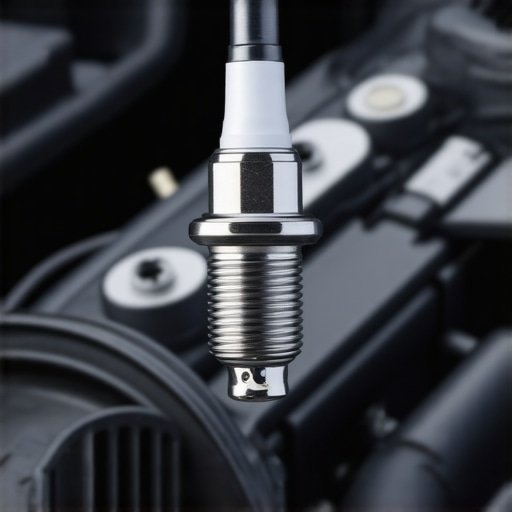
Ever had that sinking feeling when your car just isn’t performing the way it used to? I remember the exact moment I realized something was wrong. After changing my spark plugs—something I thought would improve my engine’s efficiency—I was hit with an unexpected surprise: my gas mileage plummeted. It was frustrating, confusing, and honestly a bit discouraging. I spent hours trying to figure out what went wrong, feeling like I had wasted my effort—and money.
How a Simple Spark Plug Change Led to Unexpected Fuel Efficiency Woes
This experience made me realize that even routine maintenance like replacing spark plugs can have unintended consequences if not done correctly. When I dove into the problem, I discovered that a minor mistake—like not properly aligning the new spark plugs or neglecting to check the ignition timing—could dramatically impact fuel economy. It’s a common story among car owners who think they’ve crossed off a simple task, only to find their vehicles behaving oddly afterwards. If you’re facing a similar issue, don’t worry. We’ll explore the main reasons this happens and, more importantly, how to fix it.
Is Fixing This Problem Really Worth the Hassle?
Early on in my journey, I made the mistake of assuming that all spark plugs are created equal and that a quick change would automatically lead to better performance. Turns out, overlooking proper torque specifications or failing to use anti-seize compound can cause issues like misfires or uneven firing, which directly hits your fuel efficiency. This kind of oversight is common but easily avoided. Want to learn how I corrected my mistakes and optimized my vehicle’s performance? Check out [this guide on tune-up tips](https://glassfixauto.com/tune-up-your-car-for-peak-performance-essential-maintenance-tips) to ensure your next maintenance session actually benefits your car, not harms it.
Ensure Correct Spark Plug Torque
When I replaced my spark plugs during one chilly Saturday morning, I learned firsthand the importance of torque specifications. Using a torque wrench, I set the plugs to the exact manufacturer-recommended tightness, avoiding over-tightening that could warp the cylinder head or under-tightening that could cause misfires. Think of torque as tightening a screw just enough to hold it securely without stripping the threads. Always consult your vehicle’s manual or a trusted repair guide like this essential tune-up tips guide to get it right. This small step directly impacts your vehicle’s ignition stability and fuel economy.
Check and Adjust Ignition Timing
After installing new spark plugs, I discovered that neglecting to check the ignition timing could cause engine shudders and poor fuel mileage. Think of ignition timing as the match to the spark—if it strikes too early or too late, the combustion isn’t efficient. To verify timing, I used a timing light, following a step-by-step process outlined by this comprehensive guide. Adjusting the timing involved loosening the distributor or adjusting the engine control unit (ECU) settings, depending on your car’s make. Properly timed ignition ensures the combustion process is optimized, extending your spark plug lifespan and improving fuel economy.
Replace or Clean the Air Filter
An often-overlooked aspect of efficient combustion is the air intake. I once changed the spark plugs without inspecting the air filter, only to find that a clogged filter was starving the engine of oxygen. Imagine trying to breathe through a straw—your engine struggles, and your gas mileage drops. I removed the old filter, which was coated with dust and debris, and replaced it with a fresh one. This simple yet powerful action can be likened to clearing a blocked airway; it lets the engine breathe freely. Regularly inspect your air filter—at least every 12,000 miles—and change it if dirty, following advice from auto repair trend predictions. Keeping air intake unobstructed is a quick way to maximize fuel efficiency, especially after recent spark plug service.
Double-Check Spark Gap
During my last spark plug change, I realized I needed to verify the spark gap—the space between the center and side electrodes. An incorrect gap can cause misfires, rough idling, and poor mileage. Using a feeler gauge, I measured the gap and adjusted it to match the specifications in my vehicle manual. Think of the spark gap like adjusting the tension of a guitar string—each car has a sweet spot for optimal performance. Proper gap ensures a strong spark with minimal fuel wastage. For precise specifications and techniques, refer to this ultimate maintenance guide. Regularly checking and adjusting the spark gap is a small step that pays big dividends in performance and efficiency.
Many car owners believe that routine maintenance like tune-ups and brake service is straightforward, but misconceptions can lead to costly mistakes. One widespread myth is that all auto parts are universally interchangeable; in reality, using the wrong spark plugs or brake pads can compromise performance and safety. For instance, some assume that cheap, generic parts are just as good as OEM components, but this often leads to premature wear or system failures.
Another common misconception involves the idea that neglecting small issues won’t affect overall vehicle health. However, minor misfires or worn brake rotors, if ignored, can escalate into major repairs, increasing expenses significantly. Regularly inspecting and understanding your vehicle’s nuances ensures longevity and optimal performance.
A nuanced mistake many overlook is the assumption that more frequent maintenance always equals better results. While regular tune-ups are essential, over-servicing certain components—like excessively changing oil or replacing parts too early—can waste money without tangible benefits. Consulting your vehicle’s manual or a trusted mechanic helps identify the right intervals.
What most folks get wrong about brake service is the belief that squealing always indicates the need for pad replacement. Sometimes, squeaks result from debris or moisture, not worn brakes. Yet, many prematurely replace pads without proper inspection, leading to unnecessary costs. Going to a reputable shop like auto repair experts can save money and extend your brakes’ lifespan.
An advanced mistake is neglecting the specific nuances of different vehicle makes and models. For example, high-performance cars demand different maintenance strategies than daily drivers. Skipping manufacturer-recommended procedures for brake service or tune-ups can void warranties or cause subpar performance. It’s crucial to remember that a generic approach doesn’t fit all.
Have you ever fallen into this trap? Let me know in the comments. Staying informed and questioning common myths helps you avoid pitfalls that can hurt your vehicle and your wallet.
How do I maintain my vehicle over time?
Consistent upkeep is key to keeping your car running smoothly for years. I rely heavily on specialized tools like a digital scan tool, which I personally use to monitor engine health in real-time. This device helps me detect trouble codes early before they turn into costly repairs, and I’ve found that investing in a quality scanner like the Autel MaxiSys ensures accurate diagnostics and saves time at the shop. Regularly updating the scanner’s software guarantees compatibility with new vehicle models, making it a worthwhile long-term investment. Additionally, I log all maintenance activities in a dedicated app, such as Car Minder Plus, to track service intervals and component wear patterns. This proactive approach prevents small issues from escalating, especially as my vehicle ages.
When it comes to routine maintenance, quality hand tools are indispensable. I swear by a torque wrench to ensure spark plugs and wheel lug nuts are tightened to manufacturer specifications—incorrect torque can lead to misfires or wheel detachment, respectively. For brake maintenance, I use a brake caliper piston tool, which allows me to service brake pads efficiently without damaging components. Using the right tools not only ensures safety but also prolongs your vehicle’s lifespan.
The future of auto maintenance tools
Predicting trends, I believe that diagnostic technology will become increasingly integrated with smartphone apps, making advanced vehicle diagnostics accessible to everyday car owners. Machine learning algorithms could soon analyze maintenance patterns and predict failures even more accurately, moving us from reactive to preventive care. Investing in current technology like a good scan tool now prepares you for this automated future. To get ahead, consider integrating a portable OBD2 scanner into your routine; it’s a game-changer for early fault detection and efficiency.
What do I recommend for long-term vehicle health?
Alongside tools, adopting a routine inspection schedule—checking brake fluid levels, tire pressure, and fluid condition—can dramatically extend your car’s life. For example, I swap out my brake fluid every two years, following recommendations in these expert strategies, to prevent corrosion in brake lines. Remember, paying attention to small, routine tasks can save you from expensive repairs down the line. So, I urge you to try calibrating your torque wrench next time you do a simple tune-up and see firsthand how precision impacts overall performance.
Over the years, I’ve learned that auto repair isn’t just about fixing what’s broken—it’s about understanding how each component influences the whole. That realization hit me hard after a simple spark plug replacement turned into a lesson on the intricacies of engine performance. If you’re eager to boost your car’s efficiency without unnecessary costs, embracing these deeper lessons can make all the difference. Remember, the key to longevity and optimal performance is not just fixing, but understanding the why behind each step.
My Most Valuable Lesson About Spark Plug Trials
- Precision beats speed in maintenance: Rushing through a spark plug change often leads to mistakes like improper torque or misaligned gaps, which can undo any potential gains in fuel efficiency. Taking the time to double-check specifications ensures your work contributes positively to your vehicle’s health.
- Small details have big impacts: Forgetting to verify ignition timing or neglecting air filter cleanliness can cause misfires and fuel wastage. These overlooked aspects, though minor on the surface, directly influence your engine’s breathing and combustion effectiveness.
- Every car has its quirks: While manuals provide guidelines, real-world experience teaches you to adapt and troubleshoot unique issues that standard procedures might not cover, fostering a more intuitive understanding of your vehicle’s needs.
- Tools are investments, not expenses: Using quality torque wrenches, gap gauges, and scan tools transformed my maintenance routine, preventing costly mistakes and extending my car’s lifespan. Picking the right tools can be a game-changer.
- Community and resources accelerate learning: Engaging with trusted guides like this tune-up tips guide and connecting with fellow enthusiasts broadened my perspective and sharpened my skills.
Tools and Resources That Truly Make a Difference
- Automotive diagnostic scanners: A reliable scan tool like the Autel MaxiSys is invaluable for early detection of issues that can affect fuel efficiency, saving time and money in the long run.
- Comprehensive repair guides: Trustworthy sources such as this article on routine tune-ups provide step-by-step instructions that help demystify complex procedures.
- Quality hand tools: Investing in calibrated torque wrenches and precision gap gauges ensures your repairs meet manufacturer standards, safeguarding your engine’s health.
- Community forums and expert advice: Online communities and professional blogs keep you informed about emerging trends and troubleshooting techniques, making maintenance a more confident process.
Embrace Your Power to Improve and Innovate
Maintaining a vehicle isn’t just a routine task—it’s a craft that rewards curiosity and meticulousness. The more you learn about your car, the better you can optimize its performance, save money, and extend its life. Whether it’s fixing a misfire or tuning for efficiency, every small effort adds up. So, take charge, use trusted tools, and don’t hesitate to seek out expert resources. Your journey toward mastery begins with a single, confident step.
What is the next maintenance skill you’re excited to master? Share your thoughts below and let’s grow together in this automotive adventure!