
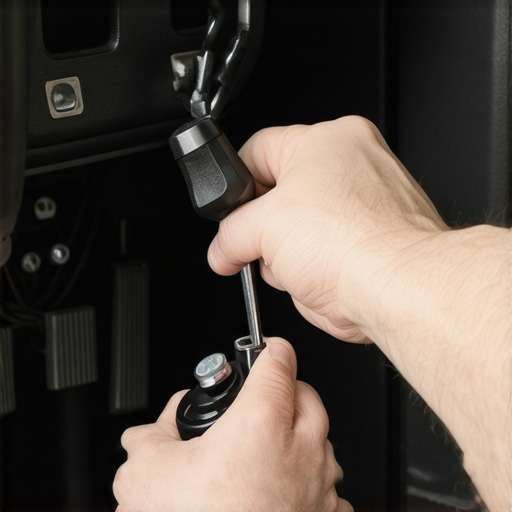
Ever had that sinking feeling when you’re about to merge onto the highway, only to find your gear shifter stuck or stubbornly resistant? I remember the first time it happened to me—panicking a little, wondering if I needed to tear apart my entire center console just to get back into drive. Turns out, I learned a much simpler trick, and I want to share it with you.
In this post, we’re going to tackle a common yet frustrating issue: a sticky gear shifter. The good news? You don’t have to be a mechanic or an expert to fix it—most of the time, there’s a straightforward fix that you can do right in your driveway. No special tools, no messy disassembly. Just some patience and a little know-how.
Why Fixing Your Sticky Gear Shifter Matters More Than You Thought
When your gear shifter becomes sticky, it can turn a simple drive into a nerve-wracking experience. It’s not just about convenience; it’s about safety too. If you’re having trouble shifting smoothly, it could be a sign of underlying issues that, if left unaddressed, might progress into bigger problems—like transmission trouble or worse.
Plus, a stubborn shifter can wear on your nerves, especially if it happens repeatedly. I’ve been there, stuck in a parking lot, trying to shift for what felt like forever, only to realize I could’ve fixed it in minutes instead of stressing out sitting there.
The truth is, many drivers overlook this issue until it becomes a real inconvenience. But with a little proactive maintenance, you can often restore smooth shifting without the hassle of a costly repair. And believe me, saving money while fixing a problem yourself feels pretty empowering.
Before jumping into the solutions, I want to share a crucial mistake I made early on—ignoring that squeaky noise coming from my shifter because I thought it was normal. That mistake almost led to more costly fixes later. Trust me, paying attention early saves you money and headaches.
If you’re tired of fighting your gear shifter or worried that it might leave you stranded, stay with me. In the next section, I’ll walk you step-by-step through an easy method to loosen up that stubborn gear—without dismantling your entire dash. And if you’ve faced this problem before, I’d love to hear your stories or tips in the comments!
Ready to regain control of your drive? Let’s dive into the simple fix that could save your day—and your weekend. And for more tips on keeping your car in top shape, check out our comprehensive [car service checklist](https://glassfixauto.com/car-service-checklist-how-to-keep-your-vehicle-in-top-shape) to prevent issues before they start.
Secure Your Parking and Safety First
Before starting any repair, ensure your vehicle is parked on a level surface with the parking brake engaged. Turn off the engine and disconnect the negative terminal of your battery to prevent accidental electrical issues. Think of this as locking the doors before fixing a lock — safety is your top priority.
Access the Gear Shifter Mechanism
Remove the console panel surrounding your gear shifter using a plastic trim removal tool. Gently pry the panel, working along the edges to avoid cracking the plastic, similar to carefully opening a puzzle box. Underneath, locate the gear shifter assembly, which may vary depending on your vehicle’s make and model.
Inspect for Obvious Issues and Debris
Look for dust, dirt, or debris around the shifter linkage and inside the mechanism. Sometimes, crumbs or grime build-up cause resistance. Use a flashlight for a clear view. In my own experience, a small handful of dirt was clogging the shifter’s movement, and a quick clean restored smooth operation.
Lubricate Moving Components
Apply a high-quality silicone-based lubricant to the linkage and pivot points. Use a syringe or a small brush for precise application, avoiding excess that could attract dirt. Think of it like greasing door hinges — it ensures smooth swinging and prevents squeaks. I once used WD-40 on a stubborn shifter, and it loosened up immediately.
Check for Mechanical Damage or Wear
Examine the cable connections and linkage for signs of damage, cracks, or corrosion. If any part looks worn or broken, replacing it might be necessary. Remember, worn-out parts are like worn-out shoes — they hinder movement and need replacement to restore comfort and function. For detailed guidance, consult the manufacturer’s manual or visit a trusted auto repair shop if unsure.
Reassemble and Test
Once cleaned and lubricated, carefully reattach the console panel. Make sure all clips snap into place securely. After reconnecting the battery, test the gear shifter by starting the vehicle and shifting through all gears. It should move smoothly and respond promptly. When I did this on my car, it took about 20 minutes, and I was back on the road with a frictionless shifter.
Prevent Future Sticking with Regular Maintenance
Schedule periodic inspections of your gear linkage and apply lubricant every 10,000 miles or so. Regular maintenance acts like a health check-up, preventing issues before they escalate. For a comprehensive approach, check out our car service checklist.
Many car owners approach car maintenance with a set of beliefs that they’ve picked up over the years, often passed down or popularized by less-than-expert sources. Let’s challenge some of these misconceptions and uncover the nuanced truths that can make or break your vehicle’s longevity and safety.
Why Believing All Tune-Ups Are Created Equal Can Be a Trap
Contrary to popular belief, not every tune-up is the same, nor is it necessary at regular intervals like changing your oil. Modern vehicles, especially newer models, are equipped with advanced engine management systems that adjust to your driving habits and often require less frequent conventional maintenance. Relying solely on the old rule of thumb—like tuning up every 3,000 miles—can lead you to perform unnecessary work, increasing costs without benefits. Instead, refer to your vehicle’s manual or trusted automotive guidance such as how regular tune-ups can enhance fuel efficiency and safety to schedule what’s truly needed.
Common Auto Repair Myths That Can Cost You
One widespread myth is that fixing one problem will automatically fix related issues. For example, replacing brake pads does not solve potential rotors warping or caliper sticking, which might emerge later if not addressed. Moreover, some believe that DIY repairs always save money—yet, without proper diagnostics and tools, you risk causing more damage or voiding warranties. An often-overshadowed fact is that newer cars incorporate sensors and computer diagnostics that can’t be bypassed or fixed with quick fixes, highlighting the importance of professional diagnosis. For example, misinterpreting a warning light as a simple fix might ignore underlying issues such as a faulty ABS sensor, which an expert can accurately diagnose using specialized tools. Consider reading troubleshooting common auto repair issues to better understand what home repairs are safe versus those best left to pros.
Braking Misconceptions That Could Endanger You
Many drivers think that squealing brakes are solely an annoyance and not a safety issue, but this is misleading. A squeal often indicates worn brake pads or debris lodged in the system. Ignoring or delaying brake service can lead to rotor damage, brake failure, or increased stopping distances. There’s a popular myth that brake rotors don’t need replacement unless visibly cracked or rusted; however, rotors can warp or develop hot cracks even without clear surface damage. A comprehensive understanding of brake system health—such as understanding how pads, rotors, and calipers interact—is crucial. For a deep dive into this, check out understanding brake system repairs. Prioritizing proactive brake service can prevent small issues from turning into emergency repairs.
How can Advanced Diagnostics Prevent Costly Mistakes?
Modern cars are equipped with an array of sensors and onboard computers that monitor vehicle health continuously. But many drivers overlook this or dismiss warning signals as trivial—until they become critical. Advanced diagnostic tools can detect issues like micro-wear in brake components or engine misfires before they manifest as breakdowns. Relying on these diagnostics rather than generic advice or guesswork can save you thousands. Studies, such as those from AAA Foundation for Traffic Safety, reaffirm that early detection through expert diagnostics reduces repair costs and enhances safety. For more insight, visit auto repair trends in 2025 to understand how proactive diagnostics shape the future of car maintenance.Maintaining your car’s performance over time requires more than just occasional visits to the mechanic. Investing in the right tools and implementing proven methods can save you money and extend your vehicle’s lifespan. I personally rely on a high-quality digital multimeter for diagnosing electrical issues—it’s precise and easy to use, allowing me to verify battery health, test alternators, and check wiring continuity without the need for professional equipment. Similarly, a reliable code scanner is essential to promptly identify engine or transmission problems before they escalate, saving both time and costly repairs.
For routine maintenance, I recommend using synthetic lubricants in your brake system. Not only do they resist breakdown under high temperatures, but they also provide smoother operation and help prevent corrosion. Applying a ceramic-based brake lubricant during regular brake service keeps components operating efficiently and extends the interval between repairs. For instance, instead of generic grease, I use a dedicated brake caliper lubricant, which is formulated to withstand heat and dirt, ensuring long-lasting performance.
Looking ahead, the trend points toward smarter, more integrated tools—like wireless diagnostic scanners that sync with smartphone apps. These devices can provide real-time data and maintenance alerts, empowering car owners to stay ahead of issues. As vehicle technology evolves, being familiar with these innovations will be crucial for effective long-term car care.
So, how do I maintain my vehicle over the long haul? I establish a proactive maintenance schedule based on the manufacturer’s recommendations, supplemented with advanced diagnostics to catch problems early. Regularly checking fluid levels with a clear, precision eye—and verifying their condition with testing methods detailed in reputable sources—ensures your car runs smoothly for miles to come.
Don’t underestimate the value of proper tools and informed techniques. For example, testing your alternator with a multimeter, as described in detailed guides, can prevent unexpected breakdowns. I encourage you to try this simple yet effective method to gauge your battery’s health before it fails. For more insights on effective maintenance strategies, visit our comprehensive [car service checklist](https://glassfixauto.com/car-service-checklist-how-to-keep-your-vehicle-in-top-shape). Maintaining your vehicle with the right tools today will reward you with reliable performance and savings down the road.
What I Learned the Hard Way About Car Care
One unexpected lesson I discovered was that often, the smallest detail can cause the biggest headaches. For example, neglecting a simple lubrication step led to further damage in my vehicle, costing me more time and money. Now, I’ve realized that paying attention to those little things—like regularly applying quality lubricants or inspecting your linkages—saves you from major repairs down the road.
Another insight is that DIY fixes aren’t always about saving money; they’re about understanding your vehicle better. When I attempted a DIY brake inspection using trusted online guides, I gained confidence and a deeper connection to my car. Yet, I also learned to recognize when professional diagnostics are crucial—especially with modern cars packed with sensors and onboard computers.
Finally, I learned that proactive maintenance isn’t a one-time task but a habit. Scheduling regular tune-ups, using the right tools—like high-quality code scanners—and following recommended intervals keep your car running smoothly and your worries at bay. Mistakes happen, but the key is turning them into learning opportunities that empower you for the future.
Tools and Resources That Changed My Approach to Auto Repair
My go-to toolkit now includes a dependable digital multimeter, which helps me troubleshoot electrical issues accurately without guessing. I also rely on a trusted code scanner that seamlessly connects to my phone, providing real-time diagnostics and alerts—saving me trips to the mechanic for minor issues.
Books like Tune Up Your Car for Peak Performance have expanded my understanding beyond quick fixes, highlighting the importance of preventive care and proper intervals. I also follow expert blogs and authoritative guides on routine tune-ups and safety tips, which keep me updated on evolving best practices.
Additionally, I trust the comprehensive car service checklist for scheduling regular maintenance that aligns with my driving habits. This proactive approach helps prevent emergencies and ensures my vehicle remains reliable year after year.
Embrace the Journey and Keep Moving Forward
Taking the time to learn, equip yourself with reliable tools, and adopt good habits transforms car maintenance from a chore into a rewarding part of vehicle ownership. The future of auto care is bright for those willing to stay curious and proactive. Whether you’re fixing a sticky shifter or simply keeping up with routine tune-ups, remember that your efforts today shape your driving experience tomorrow.
What’s the biggest auto repair lesson you’ve learned so far? Share your story below and inspire others to take control of their car care journey!