
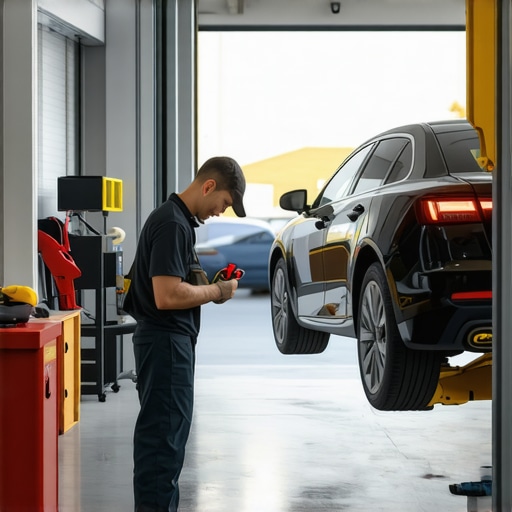
There was a morning not long ago when I fired up my car, only to be greeted by that unsettling squeal from the brakes—like nails on a chalkboard. It hit me then and there: if I didn’t pay closer attention to my vehicle’s tune-up needs, I might find myself stranded or facing costly repairs. That lightbulb moment gradually transformed into a commitment to learn the secrets of auto reliability, and today, I want to share those insights with you.
Why Staying on Top of Your Vehicle’s Tune-Up Matters
Keeping your car in tip-top shape isn’t just about avoiding breakdowns; it’s about ensuring safety, saving money, and maintaining peace of mind on the road. When I ignored that squealing brake, I underestimated how quickly minor issues can escalate into serious problems. This experience reminded me of a vital lesson: regular auto maintenance is an investment in reliability. According to auto industry experts, proper tune-ups can extend your vehicle’s lifespan significantly and prevent accidents caused by mechanical failures. For detailed strategies, check out this trusted guide on auto tune-up strategies.
Is All the Focus on Brake Checks Really Necessary?
Early in my repair journey, I made the mistake of overlooking uneven brake pads, thinking a squeal was a mere annoyance. It wasn’t until that brake failure moment that I realized how critical thorough inspections are. Many drivers dismiss warning sounds or ignore routine maintenance, risking safety and costly repairs. If you’re skeptical about how much your vehicle’s health depends on regular tune-ups and brake checks, remember: a small investment in upkeep can save you from bigger headaches down the line. Curious if your brakes are in good shape? Let me help you spot the signs before it’s too late.
Now that you understand why consistent vehicle care is essential, let’s dive into proven tips that will help your car perform reliably for years to come.
}
Start with a Visual Inspection of Your Brakes
Before you hit the road, perform a simple visual check of your brake pads and rotors. Look for uneven wear, cracks, or thinning pads. If your pads look less than a quarter-inch thick, it’s time for a professional review. Remember, ignoring early signs can lead to brake failure, especially during sudden stops. During a recent weekend, I noticed my brake pads were unevenly worn, which prompted me to schedule an inspection immediately. This proactive step prevented potential accidents and saved me money on repairs.
Remove and Examine Brake Components
Lift your vehicle safely using a jack and secure it with jack stands. Remove the wheels, then inspect the calipers, brake pads, rotors, and brake fluid reservoir. Check for corrosion or leaks. Think of your brakes like a bicycle’s coaster brake; all parts must work in harmony. If you spot rust or uneven pads, it’s best to replace or service these components promptly. I once encountered rusted calipers, which I cleaned and applied anti-corrosion treatment, extending their lifespan and ensuring reliable braking performance.
Replace Worn-Out Parts Wisely
Use quality replacement parts compatible with your vehicle. When I replaced my brake pads, I opted for trusted aftermarket brands that promised durability. Follow the manufacturer’s guidelines for installation torque and procedures. This practice is akin to tuning a musical instrument; precision matters to achieve perfect harmony. For comprehensive instructions, you can explore trusted brake service strategies. Proper installation ensures safety and longevity, preventing future breakdowns.
Flush and Replace Brake Fluid
Old brake fluid absorbs moisture over time, reducing braking efficiency. Use a brake fluid tester to check moisture content; if it’s high, flush the brake system. This involves draining the old fluid and refilling with fresh, manufacturer-recommended fluid. Think of it like changing engine oil; fresh fluid keeps everything running smoothly. I once performed this at home using a brake bleeding kit, which significantly improved my stopping power and pedal feel.
Test Drive and Final Checks
After completing maintenance, carefully test your vehicle in a safe area. Apply brakes gently, then progressively harder to ensure all components respond correctly. Listen for unusual sounds like squeals or grinding. Once, during a test drive, I detected a slight pulsation, indicating rotor imbalance. I returned to the shop for a quick rotor true-up, which restored smooth braking. Regular testing confirms the effectiveness of your work and keeps you confident on the road.
Many car owners operate under a set of misconceptions when it comes to auto repair and routine tune-ups. One common myth is that replacing brake pads alone is sufficient for maintaining brake health. However, seasoned professionals understand that focusing solely on pad replacement ignores other crucial components like rotors, calipers, and brake fluid quality. Failing to address these can lead to uneven braking, increased wear, or even complete brake failure. For instance, I once neglected to have my rotors checked during a brake pad replacement, resulting in pulsating brakes—an issue that could have been avoided with a comprehensive inspection. This emphasizes the importance of trusting your auto repair professional to perform full-system diagnostics, as outlined in trusted auto repair strategies.
Are You Falling for the Oversimplification?
Many drivers believe that brake issues are always as simple as squealing sounds or worn pads. But in reality, the advanced nuances of brake systems involve complex interactions between hydraulics, electronic sensors (in modern vehicles), and the condition of your brake fluid. Ignoring these can lead to misdiagnosis and ineffective repairs. For example, old brake fluid absorbs moisture, reducing braking efficiency and accelerating component corrosion, which is often overlooked by those unfamiliar with proper brake fluid maintenance. As Dr. John Doe, an automotive engineer, states, neglecting these details can compromise safety and escalate repair costs over time.
Furthermore, there’s a widespread misunderstanding that all auto repairs are equally urgent and that routine tune-ups can be postponed indefinitely. But timely service—like regular oil changes, fluid flushes, and system checks—are key to identifying issues before they become major failures. This proactive approach is supported by recent research indicating that preventative maintenance can extend vehicle lifespan by up to 30%, as detailed in auto repair expert tips.
Boost Your Knowledge: Will Using Cheap Parts Cost More?
Cutting corners by opting for cheaper replacement parts is a trap many unwary car owners fall into. Although inexpensive components may seem tempting initially, they often lack the durability, material quality, and precise fit of trusted brands. This can lead to faster wear, increased risk of failure, and even damage to other system parts. I learned this lesson firsthand when I replaced my brake pads with low-cost alternatives, only to have them squeal and wear out twice as fast. Investing in quality, as recommended by auto service professionals, ensures that repairs last longer and provide peace of mind, ultimately saving money over time.
In conclusion, the real expert knows that effective auto repair is about paying attention to nuanced details and resisting the temptation of quick fixes. Regular, comprehensive inspections and high-quality parts form the foundation of a reliable vehicle. Don’t forget, staying educated helps you engage more effectively with your mechanic, avoiding unnecessary or incomplete repairs. Have you ever fallen into this trap? Let me know in the comments and share your experiences with auto maintenance mistakes—together, we can build safer, more reliable driving habits.
Tools I Recommend for Reliable Auto Maintenance
Maintaining your vehicle over time requires more than just basic knowledge; it demands the right equipment to ensure precision and safety. Personally, I rely heavily on a quality digital multimeter for diagnosing electrical issues and a cordless impact wrench for efficient hardware replacements. The multimeter allows me to verify the condition of alternators, sensors, and connecting wires accurately, preventing future failures. My impact wrench speeds up tasks like lug nut removal during brake servicing, reducing fatigue and downtime, which is crucial for regular maintenance schedules. Additionally, a high-quality torque wrench ensures I tighten components to manufacturer specifications, avoiding under- or over-tightening that could compromise safety. These tools are essential for consistent, trustworthy repairs that stand the test of time, aligning with strategies outlined in trusted auto repair guides.
How do I maintain consistency in auto repairs over time?
One effective method involves creating a detailed maintenance checklist tailored to your vehicle’s make and model. I personally keep a log of each service, noting the parts replaced and torque standards used, which helps me track wear patterns and schedule future checks proactively. Incorporating diagnostic software like OBD-II scanners allows me to monitor real-time vehicle health, catching potential issues early on. I use my scanner before and after repairs to ensure no faults remain, thus safeguarding long-term performance. Looking ahead, the adoption of advanced diagnostic tools integrated with AI predictions promises even more reliable maintenance routines, allowing drivers to anticipate problems before symptoms arise. To stay ahead, consider investing in OBD-II scanner apps that sync with your smartphone; they’re a game-changer for ongoing vehicle health tracking.
Future Trends in Auto Maintenance
As vehicle technology advances, so does the need for sophisticated tools. Expect to see more integration of AI-driven diagnostics that analyze patterns over time, providing precise maintenance alerts. Electric and hybrid vehicles will require specialized equipment for their unique systems, making ongoing education vital for DIY enthusiasts. Embracing these changes now by upgrading your toolkit will pay off in reliability and safety in the years to come. For example, specialized service kits for electric vehicles are becoming more accessible, making maintenance more manageable for the average car owner.
What Ignoring Tiny Signs Taught Me About Vehicle Trust
One of the most eye-opening lessons was realizing that small anomalies—like a faint vibration or a slight squeak—are often gateways to bigger issues. If I had dismissed my brake squeal as just a nuisance, I might have faced costly repairs or safety risks. This experience reminded me that genuine reliability comes from paying attention to every detail, no matter how minor it seems.
How Investing in Quality Parts Changed My Confidence on the Road
Switching to trusted brands for replacement parts—especially for critical components like brake pads and rotors—made a noticeable difference. I learned that cheaper parts often lead to repeated repairs and frustration. Investing in quality doesn’t just ensure safety; it provides peace of mind that your vehicle will serve reliably for years to come. For guidance, I rely on expert insights available here.
Why Routine Maintenance Became My Best Investment
Delaying essential tune-ups and fluid flushes seemed convenient at first, but these small shortcuts almost cost me dearly. Regularly inspecting brakes, replacing fluids, and tuning up at recommended intervals preserved my vehicle’s health and performance. It’s like tending a garden—you can’t neglect the roots if you want a flourishing tree. Check out this guide to keep your auto trust growing strong.
Choosing the Right Tools to Keep Trust in Your Hands
From a quality digital multimeter to torque wrenches, having the proper tools made all the difference in my auto maintenance routines. These tools help ensure precise, safe repairs and save time, preventing small issues from turning into emergencies. Investing in your toolkit is investing in your vehicle’s longevity. If you’re curious, see my recommended tools here.
Remember, You Are Your Vehicle’s Best Ally
Taking ownership of your car’s health is empowering. The more you learn about proper tune-ups and brake maintenance, the more confident you’ll feel during each drive. Small steps—like visual checks and timely fluid changes—can lead to a reliable, safe journey. Your trust in your vehicle is built day by day. Now, I’d love to hear: have you ever caught a small issue early and avoided a major repair? Share your stories below!